

Oct . 07, 2025 08:05 Back to list
Gate Valve Types: Best Seal, Low Leakage, On Sale?
Gate Valve Types in the Real World: What Matters, What Doesn’t
If you’ve ever spec’d a valve on a tight deadline, you know the phrase gate valve types can open a can of worms. To be honest, that’s why I flew out to Botou, Cangzhou—ground zero for foundry craftsmanship—to look at a Hard Seal Gate Valve up close. What I saw was refreshingly practical: a metal-seated wedge designed for full open/full close service, not throttling, with the classic wedge angles (≈5°, or 2°52' for lower temperatures) that old-school maintenance teams still ask for.
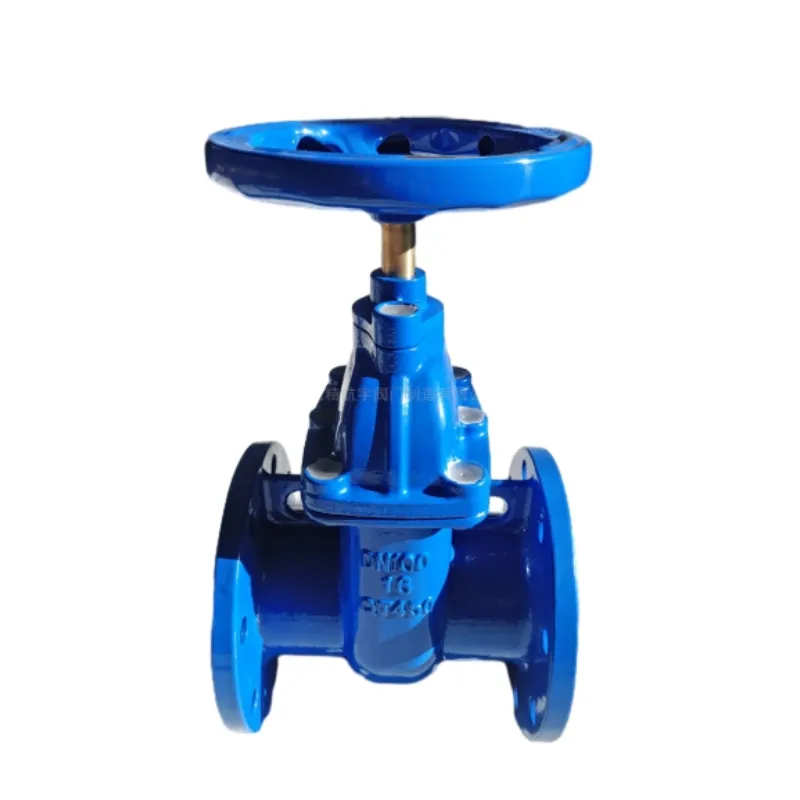
A quick map of gate valve types
- Wedge gate (rigid or elastic gate): the mainstream, good seating force; metal seat for high-temp/abrasive media.
- Parallel slide: lower closing torque, often in steam or clean services.
- Slab/expanding gate: pipeline valves (oil & gas), bidirectional sealing.
- Knife gate: pulp, slurry, mining—cuts through solids.
- Rising stem (OS&Y) vs non-rising stem: visibility vs compact footprint.
- Resilient seated vs hard seal (metal seated): the latter survives heat and abrasion, at the cost of tighter machining demands.
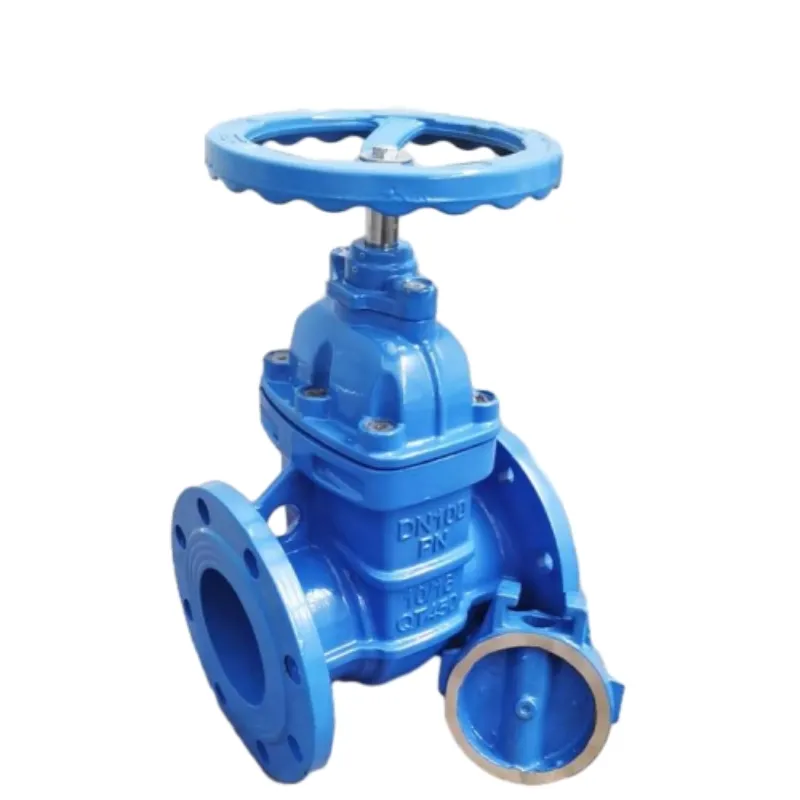
Why hard seal now? Trends I keep hearing
Plants chasing longer MTBF are choosing metal seats for steam, hydrocarbons, and abrasive water lines. Meanwhile, utilities want epoxy-coated bodies and potable-water approvals; oil & gas teams ask for API testing, and everyone asks for “zero drama” spare parts. Interestingly, more buyers request gearboxes or actuator-ready yokes out of the box—it seems predictive maintenance is finally winning.
Core specs (Hard Seal Gate Valve)
| Size Range | DN50–DN1200 (≈2”–48”) |
| Pressure Class | PN10–PN40; ASME Class 150/300/600 |
| Body/Bonnet | Ductile Iron, WCB, CF8/CF8M (real-world use may vary) |
| Gate/Wedge | Rigid or elastic wedge; 13Cr/SS316 with STL overlay optional |
| Seat | Renewable rings, 13Cr/SS316; hardfacing STL6 optional |
| Design/Tests | API 600/602/6D, ASME B16.34; pressure test per API 598/ISO 5208 |
| Ends | RF flanged (ASME B16.5/EN 1092-1), BW on request |
| Coating | FBE ≈250–300 μm or epoxy primer + PU topcoat |
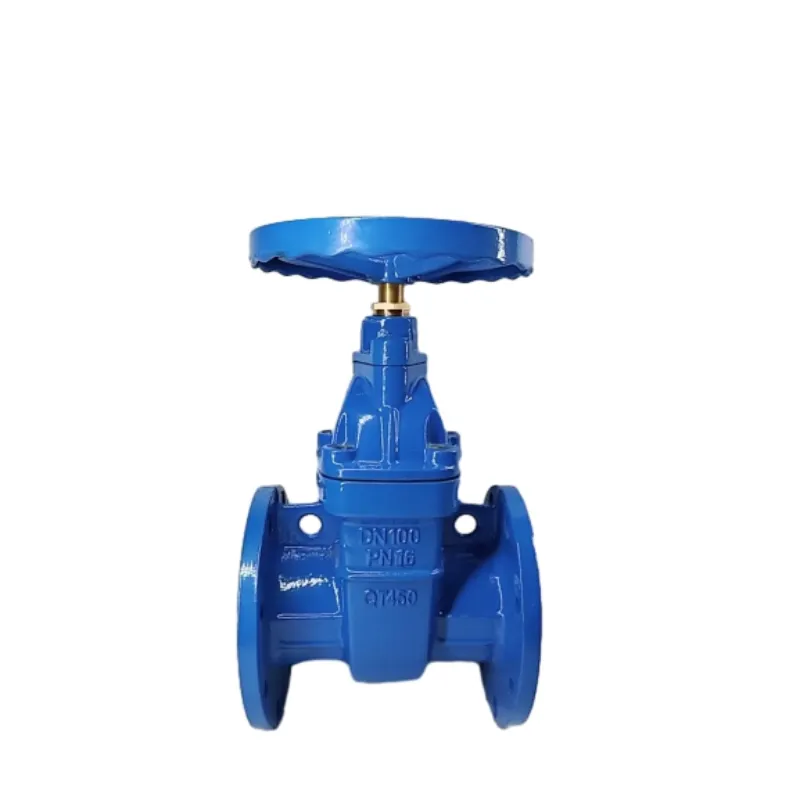
Process, testing, and longevity
Materials are cast (DI/WCB) or precision-cast (stainless), then CNC-machined. Seats/gates may get Stellite overlays for wear. After assembly, shell tests run at 1.5× rated pressure and seat tests ≈1.1× per API 598/EN 12266-1. Typical service? Around 15–25 years in water and 8–15 in hydrocarbon service, assuming clean media and proper cycling. Customers tell me leakage classes are consistently tight when lapped properly.
Industries: waterworks, power (steam lines), refinery isolation, pipelines, mining slurries (with knife varieties), and HVAC mains where throttling isn’t needed.
Vendor snapshot (field-notes style)
| Vendor | Lead Time | Customization | Certs | Notes |
|---|---|---|---|---|
| STR Machinery (Botou, Hebei, China) | ≈4–8 weeks | High: trims, coatings, actuators | ISO 9001; API/CE on request | Factory-direct; responsive on drawings |
| Local OEM A | 2–6 weeks | Medium | ISO; regional approvals | Quicker site visits; higher unit cost |
| Import Brand B | 8–16 weeks | High | API 6D/CE widely available | Premium pricing; broad global support |
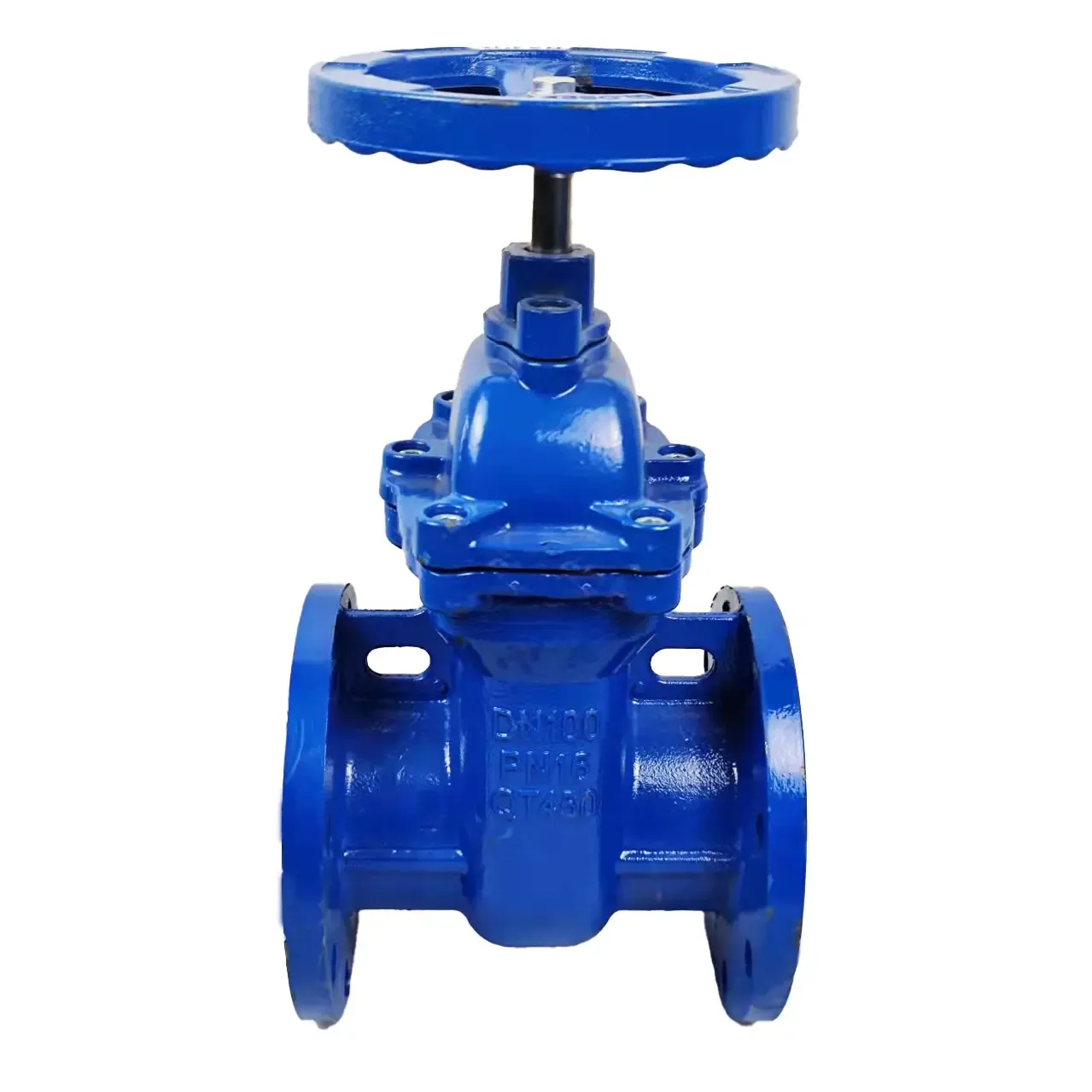
Customization and real deployments
- Actuation: handwheel, bevel gear, electric/pneumatic (ISO 5211 pads on request).
- Face-to-face: ASME B16.10; flanges per ASME B16.5/EN 1092-1.
- Special trims: NACE MR0175/ISO 15156 for sour service; low-temp testing if needed.
- Coatings: FBE for buried mains; zinc-rich primer for coastal sites.
Case 1: Northern water utility swapped 24” metal-seated wedges into an abrasive river intake. After 18 months, seat wear was minor; torque stayed predictable. Case 2: A refinery isolation line (Class 300) chose elastic wedge to self-compensate minor misalignment—operators liked the clean shutoff, even after thermal cycling.
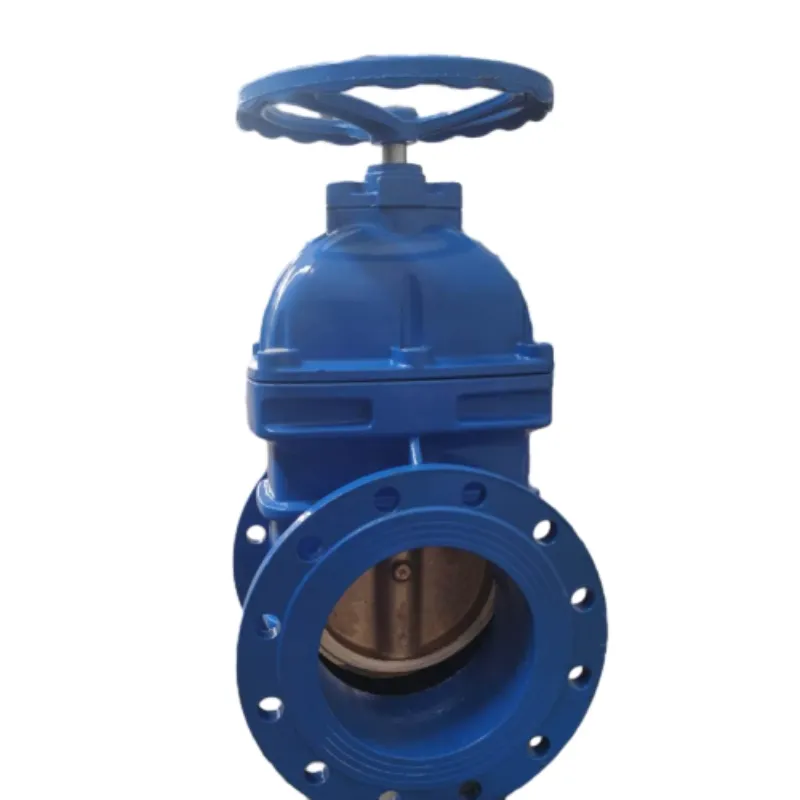
Bottom line: pick the gate valve types that fits media, temperature, and maintenance reality. Hard seal wedges aren’t glamorous, but when you need isolation that survives heat and grit, they quietly save weekends.
Origin of manufacture: No.17, Building 11, Hardware Building Material City, Botou, Cangzhou City, Hebei Province, China.
- API 600: Steel Gate Valves—Flanged and Butt-welding Ends
- API 598 / ISO 5208 / EN 12266-1: Valve Pressure Testing
- ASME B16.34: Valves—Flanged, Threaded, and Welding End
- ASME B16.5 / EN 1092-1: Pipe Flanges and Flanged Fittings
- ASME B16.10: Face-to-Face and End-to-End Dimensions of Valves
- AWWA C509/C515: Resilient-Seated Gate Valves for Water Supply
- NACE MR0175/ISO 15156: Petroleum and natural gas—Materials for H2S service
-
Ball Check Valve Questions About Connection, Parts and MaintenanceNewsNov.02,2026
-
Butterfly Valve Wholesale FAQ: Types, Specifications & Selection QuestionsNewsOct.28,2026
-
Choosing Guide Rail: Application Fit and Specification ChecksNewsOct.23,2026
-
Choosing a Measuring Micrometer: Application Fit and Specification ChecksNewsOct.23,2026
-
Choosing a Level Ruler: Application Fit and Specification ChecksNewsOct.23,2026
-
Choosing a Ring Gauge: Application Fit and Specification ChecksNewsOct.23,2026
 Afrikaans
 Albanian
 Amharic
 Arabic
 Armenian
 Azerbaijani
 Basque
 Belarusian
 Bengali
 Bosnian
 Bulgarian
 Catalan
 Cebuano
 Corsican
 Croatian
 Czech
 Danish
 Dutch
 Esperanto
 Estonian
 Finnish
 French
 Frisian
 Galician
 Georgian
 German
 Greek
 Gujarati
 Haitian Creole
 Hausa
 Hawaiian
 Hebrew
 Hindi
 Miao
 Hungarian
 Icelandic
 Igbo
 Indonesian
 Irish
 Italian
 Japanese
 Javanese
 Kannada
 Kazakh
 Khmer
 Rwandese
 Korean
 Kurdish
 Kyrgyz
 Lao
 Latin
 Latvian
 Lithuanian
 Luxembourgish
 Macedonian
 Malgashi
 Malay
 Malayalam
 Maltese
 Maori
 Marathi
 Mongolian
 Myanmar
 Nepali
 Norwegian
 Norwegian
 Occitan
 Pashto
 Persian
 Polish
 Portuguese
 Punjabi
 Romanian
 Russian
 Samoan
 Scottish Gaelic
 Serbian
 Sesotho
 Shona
 Sindhi
 Sinhala
 Slovak
 Slovenian
 Somali
 Spanish
 Sundanese
 Swahili
 Swedish
 Tagalog
 Tajik
 Tamil
 Tatar
 Telugu
 Thai
 Turkish
 Turkmen
 Ukrainian
 Urdu
 Uighur
 Uzbek
 Vietnamese
 Welsh
 Bantu
 Yiddish
 Yoruba
 Zulu
 English