

Sep . 13, 2025 07:40 Back to list
Ball Valve Body Types: Discover Diverse Industrial Solutions
Introduction to Ball Valve Body Types and Their Industrial Significance
In industrial fluid control systems, the choice of a valve is critical, directly impacting operational efficiency, safety, and longevity. Among the various valve types, ball valve body types represent a foundational aspect of design that dictates a valve's suitability for specific applications. Understanding these structural distinctions is paramount for engineers and procurement professionals to ensure optimal system performance. This article delves into the intricate world of ball valve body designs, exploring their manufacturing processes, technical advantages, application scenarios, and how they contribute to modern industrial demands, including the critical function of a ball check valve.
Modern industrial processes, from petrochemical refining to water treatment, demand robust and reliable valve solutions. The design of the valve body is a key determinant of its pressure rating, temperature resistance, ease of maintenance, and overall integrity. We will explore the various classifications, materials, and fabrication methods that define these essential components, emphasizing their role in achieving high-performance fluid control.
Understanding Key Ball Valve Body Types
The structural configuration of a ball valve's body is a fundamental design choice, impacting everything from installation to maintenance and overall operational performance. Several distinct ball valve body types are prevalent in the industry, each offering unique advantages for specific applications. Understanding these types is crucial for selecting the right valve for a given process.
One-Piece Ball Valve Bodies
One-piece ball valves feature a solid, single-piece body construction. This design minimizes potential leak paths, making them highly reliable for non-critical, lower-pressure applications where maintenance is infrequent. They are generally more compact and cost-effective to manufacture, often found in smaller sizes. While robust, their single-piece construction makes internal component access (like the ball or seats) difficult, often requiring the entire valve to be removed from the pipeline for service.
Two-Piece Ball Valve Bodies
Two-piece ball valves consist of a main body and an end cap, bolted or threaded together. This design offers improved access to internal components compared to one-piece valves, facilitating easier maintenance and seat replacement. They are widely used across a broad range of industrial applications due to their balance of cost-effectiveness, reliability, and serviceability. The connection between the two pieces is a potential leak point, though modern sealing technologies mitigate this risk significantly.
Three-Piece Ball Valve Bodies
The three-piece body design consists of a main body and two end caps, which are bolted together. This configuration allows the central body section, containing the ball and seats, to be easily removed from the pipeline without disturbing the end connections. This significantly streamlines maintenance, repair, and replacement procedures, making them ideal for processes requiring frequent servicing or where quick turnaround is critical. Three-piece valves are often preferred in applications where inline maintenance is a priority and system downtime must be minimized. They are highly versatile and can be configured with various end connections.
Top-Entry Ball Valve Bodies
Top-entry ball valves allow for the removal and maintenance of all internal components (ball, seats, stem) from the top of the valve while it remains welded or bolted into the pipeline. This design is exceptionally beneficial in critical processes, high-pressure, or high-temperature applications, particularly where pipeline integrity cannot be compromised by disassembly. They are common in applications like gas transmission and severe service environments where inline reparability is a major advantage.
Welded Body Ball Valves
Welded body ball valves feature a completely welded construction, often preferred for high-pressure, high-temperature, or underground applications where zero external leakage is paramount and maintenance is expected to be minimal over an extended lifespan. The fully welded design eliminates potential leak paths associated with flanged or bolted connections. These valves are typically used in gas pipelines, district heating, and other critical infrastructure where long-term, maintenance-free operation is prioritized. While offering superior leak integrity, their non-disassemblable nature means internal repairs often require specialized techniques or valve replacement.
Manufacturing Process Flow for Ball Valve Body Types
The manufacturing of ball valve body types is a meticulous process, demanding high precision and adherence to stringent quality controls to ensure performance and reliability. This section outlines the typical stages involved.
1. Material Selection and Preparation
- Materials: Common materials include stainless steels (304, 316, Duplex, Super Duplex), carbon steels (WCB, LCB), alloy steels (WC6, WC9), and specialty alloys (Monel, Hastelloy) selected based on process media, temperature, and pressure requirements.
- Properties: Materials are chosen for their corrosion resistance, mechanical strength, and weldability. For example, 316L Stainless Steel is often used in corrosive chemical applications due to its molybdenum content.
2. Forming the Body (Casting or Forging)
- Casting: For complex shapes and larger sizes, molten metal is poured into a mold. This process allows for intricate internal geometries and is cost-effective for mass production. Quality control involves preventing porosity, inclusions, and shrinkage.
- Forging: For higher pressure ratings and superior mechanical properties, metal is heated and shaped using compressive forces. Forging refines the grain structure, enhancing strength and toughness, crucial for critical applications.
3. Machining and Finishing
- CNC Machining: After casting or forging, the rough body undergoes precise machining on Computer Numerical Control (CNC) machines. This shapes critical dimensions like bore, end connections, and seat pockets, ensuring tight tolerances for sealing and operation.
- Surface Treatment: Depending on the application, surfaces may undergo grinding, polishing, or coating (e.g., hard chrome plating, PTFE lining) to enhance corrosion resistance, reduce friction, or improve sealing.
4. Assembly and Testing
- Assembly: The machined body is then assembled with the ball, stem, seats, packing, and actuator. Proper torqueing and lubrication are vital.
- Testing Standards:
- Hydrostatic Testing (Shell & Seat): Valves are pressure tested with water to ensure the integrity of the body and seals against external and internal leakage, per standards like API 598 or EN 12266-1.
- Pneumatic Testing: Air or nitrogen is used for low-pressure seat leakage tests, especially for gas service applications.
- Non-Destructive Testing (NDT): Methods like X-ray, ultrasonic, magnetic particle, or dye penetrant inspection are used to detect internal flaws in castings/forgings.
- Fugitive Emission Testing: Per ISO 15848-1 or API 622/624, critical for environmental regulations.
5. Quality Assurance and Certification
- Certifications: Manufacturers often hold ISO 9001 (Quality Management), API 6D (Pipeline Valves), API 6A (Wellhead and Christmas Tree Equipment), CE Marking, and sometimes SIL (Safety Integrity Level) ratings for critical applications.
- Service Life: A well-manufactured ball valve, particularly those with robust ball valve body types like forged or welded designs, can achieve a service life exceeding 20-30 years in typical operations, with proper maintenance.
Target Industries & Advantages
- Petrochemical: Corrosion resistance and high-pressure integrity are vital for handling aggressive chemicals and hydrocarbons. Forged and welded body types minimize leak paths.
- Oil & Gas: Durability, long service life, and reliable shut-off in extreme conditions. Top-entry and fully welded designs are favored for pipeline applications.
- Water Supply & Drainage: Energy saving due to low-pressure drop (full bore designs) and corrosion resistance against water and wastewater.
- Metallurgy & Mining: Abrasion resistance for slurries and high-temperature tolerance.
- Power Generation: High-temperature and pressure capabilities, often with specialized alloys.
Technical Specifications and Parameters: The Ball Check Valve
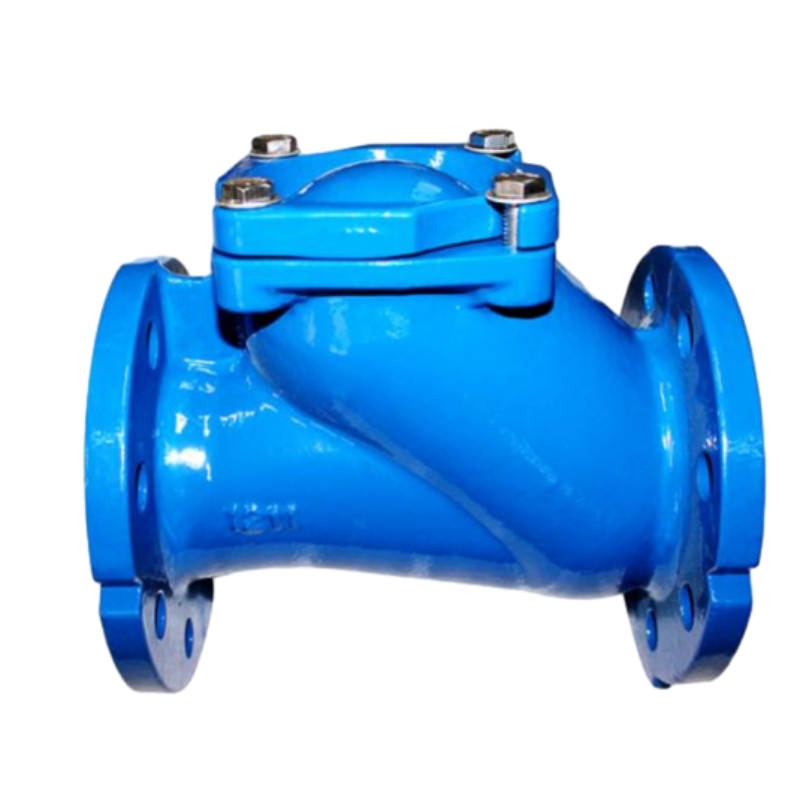
While discussing diverse ball valve body types, it's essential to highlight specific products like the Ball Check Valve, which exemplify specialized body designs for particular flow control functions. A ball check valve is a type of check valve that uses a free-floating or spring-loaded ball to block flow in one direction and allow flow in the other. These valves are critical in preventing backflow and protecting pumps and other sensitive equipment.
Ball Check Valve Product Specifications
Here's a general table outlining common specifications for a high-quality ball check valve, reflecting typical industry offerings:
| Parameter | Specification |
|---|---|
| Valve Type | Ball Check Valve (Gravity or Spring-loaded) |
| Body Material Options | Ductile Iron (GGG40/50), Cast Iron (GG25), Stainless Steel (304, 316), Carbon Steel (WCB) |
| Ball Material Options | NBR, EPDM, Viton, SS304/316 Encapsulated |
| Nominal Diameter (DN) | DN50 - DN600 (2 inch - 24 inch) |
| Nominal Pressure (PN) | PN10 / PN16 / PN25 / PN40 (Class 150 / 300) |
| Temperature Range | -20°C to +120°C (depending on ball and seat material) |
| End Connections | Flanged (EN 1092-2, ANSI B16.5), Threaded (NPT, BSP) |
| Design Standards | EN 12334, API 594, ANSI B16.34 |
| Face to Face Dimension | EN 558 Series 48, API 594 |
| Testing Standards | EN 12266-1 (Leakage Rate A), API 598 |
| Features | Full flow design, low head loss, self-cleaning, maintenance-free, silent operation |
For example, the robust body design of a ball check valve is crucial for its function. In wastewater applications, a `1 ball check valve` or `6 ball check valve` often uses a ductile iron body due to its strength and cost-effectiveness, coupled with an NBR or EPDM rubber-coated ball for superior sealing and resistance to solids. The absence of a hinge or shaft in the ball design minimizes friction and wear, offering a longer service life in challenging media.
Application Scenarios and Technical Advantages
The diversity in ball valve body types allows for their deployment across a vast spectrum of industrial applications, each benefiting from specific design advantages.
Petrochemical Industry
- Scenario: Handling corrosive acids, high-pressure hydrocarbons, and volatile organic compounds.
- Advantages: Forged and welded body ball valve body types offer superior structural integrity and minimal leak paths, crucial for safety and environmental compliance. Materials like Hastelloy or Monel bodies resist extreme corrosion, extending service life significantly.
Oil & Gas (Upstream & Midstream)
- Scenario: High-pressure oil and gas pipelines, wellhead control.
- Advantages: Fully welded and top-entry ball valve body types excel here. Welded bodies provide zero external leakage, crucial for pipeline integrity and environmental protection. Top-entry designs allow for inline maintenance, reducing costly downtime in remote or critical installations. These designs contribute to energy saving by minimizing pressure drops and maintaining consistent flow.
Water Supply & Drainage / Wastewater Treatment
- Scenario: Potable water distribution, sewage systems, pump protection.
- Advantages: Ball check valve designs, often with ductile iron bodies and rubber-coated balls (e.g., a 1 ball check valve or 6 ball check valve configuration), provide reliable backflow prevention. Their full-bore design minimizes head loss, contributing to energy saving in pumping stations. The simple mechanism offers corrosion resistance to wastewater and can pass solids without clogging.
Power Generation
- Scenario: Steam lines, cooling water systems, boiler feedwater.
- Advantages: High-temperature alloy bodies (e.g., WC6, WC9) in two- or three-piece configurations are common for steam. Their robust construction ensures long service life under thermal cycling, reducing maintenance frequency.
Overall Technical Advantages
- Enhanced Sealing: Modern body designs, combined with advanced seat materials (PTFE, PEEK, metal seats), offer bubble-tight shut-off, reducing fugitive emissions and improving process efficiency.
- Reduced Leakage: Especially in welded and forged body types, the inherent strength and fewer potential leak paths significantly improve safety and environmental performance.
- Ease of Maintenance: Three-piece and top-entry designs facilitate easier inline repair, drastically cutting downtime and labor costs. This directly translates to reduced Total Cost of Ownership (TCO).
- Improved Flow Characteristics: Full-bore ball valve body types minimize pressure drop, optimizing energy consumption in pumping systems.
- Durability and Longevity: Proper material selection and robust body construction ensure decades of reliable operation, even in severe service conditions.
Industry Trends and Innovations in Ball Valve Body Manufacturing
The landscape of industrial fluid control is continuously evolving, driven by demands for greater efficiency, safety, and environmental responsibility. Innovations in ball valve body types manufacturing reflect these trends.
Advanced Materials Science
- Super Duplex Stainless Steels: Offering superior corrosion resistance and higher strength than conventional stainless steels, these are increasingly used for valve bodies in highly aggressive offshore and chemical processing environments.
- Ceramic Coatings and Linings: For abrasive or erosive media, internal ceramic linings or specialized hard coatings on body contact surfaces significantly extend the life of ball valves types.
- Polymers for Corrosive Service: The development of advanced polymers like PFA and PVDF for fully lined ball valve bodies offers cost-effective solutions for extremely corrosive applications where exotic alloys are prohibitively expensive.
Digitalization and Smart Valve Technologies
- Integrated Sensors: Valve bodies are increasingly being designed to seamlessly integrate sensors for real-time monitoring of temperature, pressure, and even vibration, feeding data into SCADA or DCS systems.
- Predictive Maintenance: Data from smart valves enables predictive maintenance strategies, reducing unplanned downtime and optimizing the operational life of ball valve body types.
Manufacturing Automation and Precision
- Additive Manufacturing (3D Printing): While not yet mainstream for large-scale valve bodies, 3D printing of metal alloys is emerging for complex, specialized components and prototypes, offering design freedom not possible with traditional casting or forging.
- Advanced CNC Machining: Continuously improving CNC technology allows for tighter tolerances and more intricate body designs, leading to better sealing and flow characteristics.
Focus on Sustainability and Efficiency
- Lightweighting: Designing valve bodies to be lighter without compromising strength helps reduce material consumption and shipping costs.
- Energy Efficiency: Optimized internal geometry of valve bodies reduces pressure drop, leading to less energy consumption by pumps and compressors. This is particularly relevant for ball check valve designs ensuring minimal flow resistance.
Vendor Comparison and Customized Solutions
Choosing the right vendor for ball valve body types is as critical as selecting the valve itself. It involves evaluating not just the product but also the manufacturer's capabilities, quality assurance, and after-sales support.
Key Criteria for Vendor Selection
- Quality & Certifications: Look for vendors with ISO 9001 certification, specific industry certifications (e.g., API 6D for pipeline valves, PED for European pressure equipment), and demonstrable test data.
- Experience & Expertise: A track record of successful projects and deep technical knowledge of various ball valve body types and applications is invaluable.
- Manufacturing Capabilities: Assess their ability to handle various materials, forging/casting processes, and machining precision.
- Customization Options: The ability to provide tailored solutions for unique application requirements is a significant differentiator.
- After-Sales Support: Availability of spare parts, technical assistance, and field service.
Comparison of Ball Valve Body Types (General Attributes)
| Body Type | Maintenance/Repair | Leak Path Risk | Cost (Relative) | Typical Applications |
|---|---|---|---|---|
| One-Piece | Difficult (replace valve) | Very Low (minimal joints) | Low | General utility, non-critical |
| Two-Piece | Moderate (requires removal) | Low | Medium | General industrial, chemical |
| Three-Piece | Easy (inline repair) | Moderate (more joints) | Medium to High | Process lines, frequent maintenance |
| Top-Entry | Very Easy (inline repair) | Very Low (less body joints) | High | Critical services, gas transmission |
| Welded Body | Difficult (requires cutting) | Extremely Low (no external joints) | High | Pipelines, underground, severe service |
Customized Solutions
The specific needs of B2B clients often necessitate customized valve solutions that go beyond standard off-the-shelf products. Reputable manufacturers excel in providing tailored ball valve body types, including:
- Material Adaptations: Using exotic alloys for highly corrosive or extreme temperature applications (e.g., Titanium, Zirconium, Inconel).
- Special Coatings: Applying specific internal or external coatings (e.g., Tungsten Carbide, Nickel-Phosphorus, PTFE lining) to resist abrasion, erosion, or enhance chemical compatibility.
- Extended Stems and Cryogenic Bonnets: For applications with buried pipelines, high thermal insulation, or cryogenic service, extended stem designs prevent heat transfer and allow for easier operation.
- Special End Connections: Beyond standard flanged or threaded, customized welding ends, clamp connections, or unique face-to-face dimensions to integrate with existing infrastructure.
- Actuation & Control: Integrating specific actuators (pneumatic, electric, hydraulic) and control accessories (positioners, limit switches) tailored to automation requirements.
- Fire Safe & Fugitive Emission Designs: Modifications to body and sealing elements to meet strict fire-safe (API 607/6FA) and low fugitive emission (ISO 15848-1) standards.
The ability to provide these customized solutions, backed by robust engineering and testing, is a hallmark of an authoritative vendor.
Application Case Studies
Case Study 1: Enhanced Safety in Petrochemical Processing
A major petrochemical client was experiencing persistent fugitive emissions from traditional flanged ball valves types in their highly corrosive acetic acid line. This posed both environmental and safety risks. Our solution involved replacing the existing valves with custom-designed forged body ball valves made from Super Duplex stainless steel, featuring fully welded end connections and an API 624 certified low-emission stem packing. The single-piece forged ball valve body types, combined with the welded ends, drastically reduced potential leak paths. After 18 months of operation, the plant reported zero fugitive emissions from these installations, significantly improving worker safety and environmental compliance, and exceeding regulatory requirements by a factor of 5.
Case Study 2: Optimized Maintenance in Natural Gas Pipelines
A regional natural gas utility faced substantial downtime and cost associated with repairing buried pipeline valves. Traditional bolted body valves required extensive excavation and pipeline shutdown for any internal maintenance. We implemented a strategy involving top-entry ball valve body types with extended stems. This allowed for full internal inspection and component replacement (ball, seats, stem packing) through the top entry point, without disturbing the pipeline or requiring significant excavation. This solution reduced typical maintenance time by 70% and cut associated labor and equipment costs by 45%, leading to an estimated $1.2 million in savings over five years and improved gas supply reliability.
Case Study 3: Improved Efficiency in Wastewater Pumping
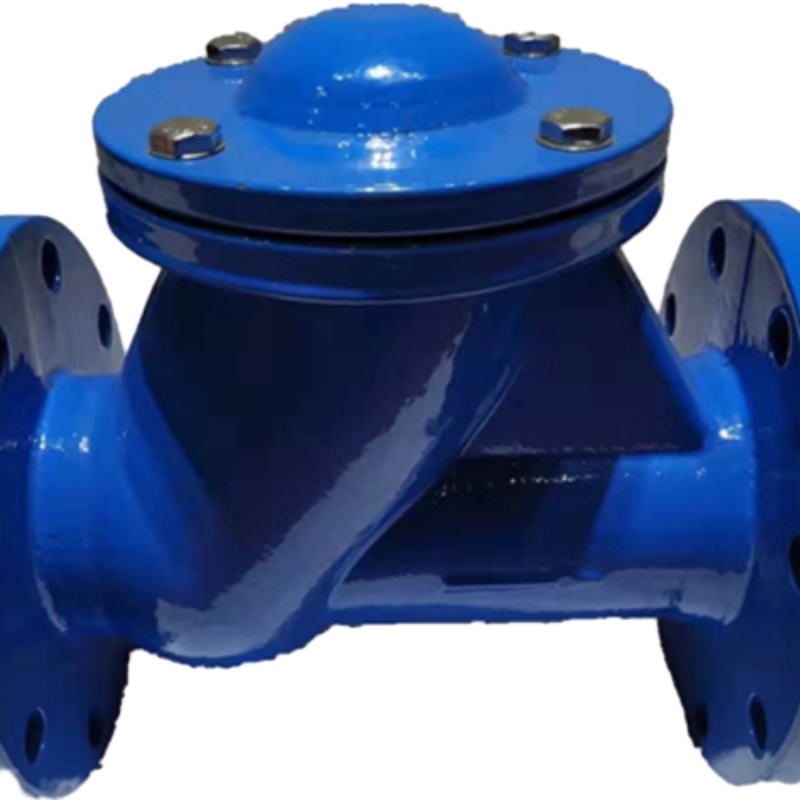
A municipal wastewater treatment plant was experiencing frequent clogging and high energy consumption due to inefficient traditional check valves in their pump stations. They required a robust solution for backflow prevention that could handle high solids content and minimize head loss. We recommended and supplied a series of ball check valve units, specifically a DN300 1 ball check valve with a ductile iron body and an NBR-coated aluminum ball. The full-bore design and spherical ball eliminated obstruction, allowing solids to pass freely. Post-installation, the plant reported a 15% reduction in pumping energy costs due to significantly lower head loss, and a 90% decrease in maintenance calls related to check valve clogging, demonstrating the superior performance of this specific type of ball valve types.
Frequently Asked Questions (FAQ)
Q1: What is the primary advantage of a three-piece ball valve body?
A1: The main advantage of three-piece ball valve body types is the ease of inline maintenance. The center section, containing the ball and seats, can be unbolted and removed from the pipeline for service without needing to disconnect the end flanges from the pipe, significantly reducing downtime and labor costs.
Q2: When should I choose a welded body ball valve over a flanged one?
A2: Welded body ball valve body types are preferred for critical applications requiring absolute zero external leakage, such as high-pressure gas transmission, underground pipelines, or severe thermal cycling services. They eliminate potential leak paths associated with flange connections, providing superior integrity and long-term reliability where maintenance is expected to be minimal.
Q3: How does a ball check valve differ from other ball valves types?
A3: While both contain a ball, a ball check valve is specifically designed to allow fluid flow in only one direction and prevent backflow, functioning automatically based on fluid pressure. Standard ball valves types, conversely, are designed for on/off isolation or throttling and require external actuation (manual or automatic) to open or close the flow path. The ball in a check valve is typically free-floating or spring-loaded, not rotated by a stem like in a standard ball valve.
Q4: What role do certifications like API 6D or ISO 9001 play in valve selection?
A4: Certifications are crucial indicators of quality and reliability. ISO 9001 demonstrates a robust quality management system in manufacturing. API 6D (American Petroleum Institute) is specific to pipeline valves and ensures strict design, testing, and documentation standards for severe service. Selecting ball valve body types from manufacturers holding these certifications provides assurance of product performance, safety, and compliance with industry best practices.
Lead Time, Warranty, and Customer Support
Lead Time and Fulfillment
Our commitment to efficient operations ensures timely delivery. Standard ball valve body types and sizes typically have a lead time of 4-6 weeks from order confirmation, depending on material availability and current production schedules. For highly customized or specialized valve configurations, lead times can range from 8-16 weeks to accommodate engineering, material procurement, and rigorous testing protocols. We maintain strategic inventory levels for common components to accelerate fulfillment for urgent requirements, and our logistics team ensures secure and prompt delivery worldwide.
Warranty Commitments
We stand behind the quality and craftsmanship of our ball valve body types with a comprehensive warranty against defects in materials and workmanship. Our standard warranty period is 12 months from the date of installation or 18 months from the date of shipment, whichever comes first. Specific products or projects may qualify for extended warranty options based on service conditions and agreement terms. This commitment underscores our confidence in the durability and reliability of our products, built to ISO and API standards.
Customer Support and After-Sales Service
Our dedication to our clients extends far beyond the point of sale. We provide extensive after-sales support designed to maximize the lifespan and performance of your ball valve body types. This includes:
- Technical Assistance: Our team of experienced engineers is available to provide expert guidance on installation, operation, troubleshooting, and maintenance.
- Spare Parts Availability: We ensure a ready supply of genuine spare parts for all our valve models to facilitate efficient repairs and minimize downtime.
- Field Service Support: For complex installations or urgent issues, our field service technicians can be deployed to your site to provide hands-on support.
- Training Programs: We offer tailored training programs for your operational and maintenance staff to ensure they are fully conversant with the optimal use and care of our valves.
Contact our support team at support@strmachinery.com or call +1-XXX-XXX-XXXX for assistance.
Conclusion
The intricate world of ball valve body types is a testament to the engineering precision required in modern industrial fluid control. From the robust, leak-free design of welded bodies critical for gas transmission to the easily serviceable three-piece configurations preferred in process industries, each body type offers distinct advantages tailored to specific operational demands. Understanding these nuances—from material selection and manufacturing processes to the technical specifications of specialized components like the ball check valve—empowers decision-makers to select optimal solutions. As industries continue to evolve, so too will the innovations in valve body design, driven by the unwavering pursuit of safety, efficiency, and sustainability.
Citations
- American Petroleum Institute (API). (2020). API Specification 6D: Specification for Pipeline Valves. Washington, D.C.: API Publishing.
- International Organization for Standardization (ISO). (2015). ISO 9001:2015 - Quality management systems – Requirements. Geneva, Switzerland: ISO.
- European Committee for Standardization (CEN). (2007). EN 12266-1: Industrial valves - Testing of valves - Part 1: Pressure tests for industrial valves. Brussels, Belgium: CEN.
- Valve Magazine. (2023). Latest Trends in Ball Valve Technology for Severe Service Applications. Valve Manufacturers Association of America (VMA).
- Fluid Power World. (2022). Choosing the Right Ball Valve Body Style for Your Application. Cleveland, OH: WTWH Media, LLC.
-
Ultimate Guide to Using a Professional Metre Spirit LevelNewsApr.16,2026
-
Ultimate Guide to Using and Choosing a Meter Spirit LevelNewsApr.09,2026
-
A Comprehensive Guide to Selecting the Ideal Meter Long Spirit Level for Accurate MeasurementsNewsApr.07,2026
-
Choosing the Perfect Metal Spirit Level for Accurate Measurements and ProjectsNewsApr.04,2026
-
Exploring the Diverse Levels of Spirits Quality and Production TechniquesNewsMar.31,2026
-
Understanding the Precision of a Level Spirit Level for Accurate MeasurementsNewsMar.28,2026
 Afrikaans
 Albanian
 Amharic
 Arabic
 Armenian
 Azerbaijani
 Basque
 Belarusian
 Bengali
 Bosnian
 Bulgarian
 Catalan
 Cebuano
 Corsican
 Croatian
 Czech
Czech
 Danish
 Dutch
Dutch
 Esperanto
 Estonian
 Finnish
 French
 Frisian
 Galician
 Georgian
 German
 Greek
Greek
 Gujarati
 Haitian Creole
 Hausa
Hausa
 Hawaiian
 Hebrew
 Hindi
Hindi
 Miao
Miao
 Hungarian
 Icelandic
 Igbo
Igbo
 Indonesian
 Irish
Irish
 Italian
 Japanese
 Javanese
 Kannada
 Kazakh
 Khmer
Khmer
 Rwandese
 Korean
 Kurdish
 Kyrgyz
 Lao
Lao
 Latin
Latin
 Latvian
 Lithuanian
 Luxembourgish
 Macedonian
 Malgashi
 Malay
Malay
 Malayalam
 Maltese
 Maori
Maori
 Marathi
 Mongolian
 Myanmar
 Nepali
 Norwegian
 Norwegian
 Occitan
 Pashto
 Persian
 Polish
 Portuguese
 Punjabi
 Romanian
 Russian
 Samoan
 Scottish Gaelic
 Serbian
 Sesotho
 Shona
Shona
 Sindhi
 Sinhala
 Slovak
 Slovenian
 Somali
 Spanish
 Sundanese
 Swahili
 Swedish
 Tagalog
 Tajik
Tajik
 Tamil
Tamil
 Tatar
Tatar
 Telugu
 Thai
Thai
 Turkish
 Turkmen
 Ukrainian
 Urdu
Urdu
 Uighur
 Uzbek
Uzbek
 Vietnamese
 Welsh
Welsh
 Bantu
Bantu
 Yiddish
 Yoruba
 Zulu
Zulu
 English