

Feb . 11, 2026 01:45 Back to list
Essential Guide to Choosing the Right Clamps for Welding Fixtures
Understanding & Choosing the Right Clamps for Welding Fixtures
Welding fixtures are essential for maintaining accuracy, consistency, and efficiency in welding processes. But to truly maximize the effectiveness of these fixtures, you need the right clamps for welding fixtures. This article delves into the world of welding clamps, exploring their types, applications, and key considerations for selecting the best options for your specific welding needs. We’ll cover everything from basic functionality to advanced features, ensuring you can make an informed decision that boosts your welding productivity and quality.
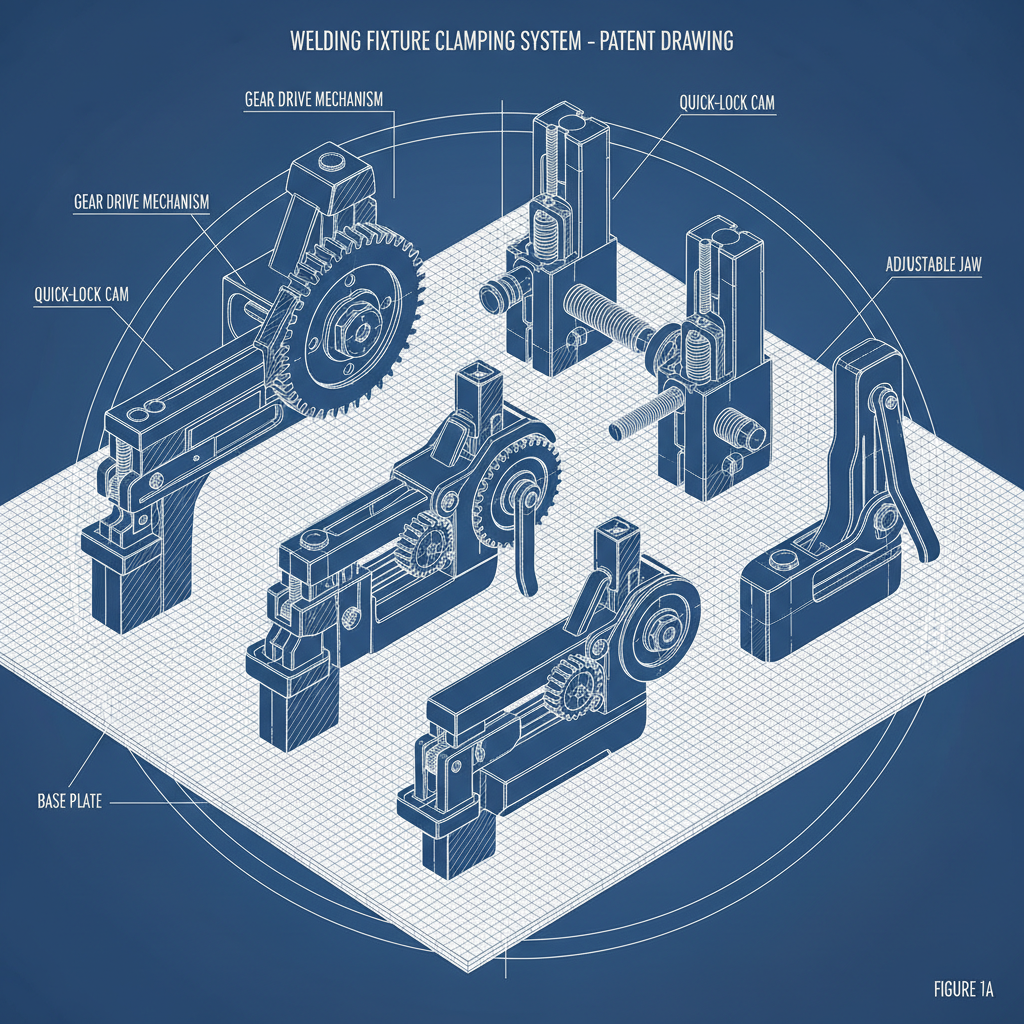
Types of Clamps for Welding Fixtures
The variety of welding clamps available can be overwhelming. Understanding the different types is crucial for selecting the right tools. Some common types include C-clamps, toggle clamps, spring clamps, and edge clamps. Each type offers unique advantages depending on the application. C-clamps are versatile for general-purpose clamping, while toggle clamps provide quick and secure holding. Spring clamps are ideal for lighter-duty applications, and edge clamps are specifically designed for holding sheet metal or plate. Choosing the appropriate clamp type depends on the geometry of the workpiece, the welding process, and the required clamping force. STR Machinery offers a comprehensive range to suit diverse requirements.
Key Consideration: Selecting the right clamp type is the first step in ensuring a secure and accurate weld. Consider the shape and material of the workpiece, the clamping force needed, and the speed of application.
Factors to Consider When Selecting Welding Clamps
Several factors influence the optimal selection of welding clamps. First, the material of the clamp is important. Steel clamps are robust and durable, suitable for most applications. Aluminum clamps are lighter and offer corrosion resistance, making them ideal for certain environments. Second, the clamping force needed dictates the size and type of clamp. Heavier workpieces require clamps with greater force. Third, the ease of use and adjustability contribute to efficiency. Quick-release clamps save time and effort. Finally, consider the specific welding process; some clamps are better suited for specific processes like MIG, TIG, or stick welding. Properly assessing these factors will lead to a more effective and productive welding operation.
Key Considerations Checklist:
• Material of the clamp (Steel, Aluminum)
• Clamping Force Required
• Ease of Use & Adjustability
• Welding Process Compatibility
Comparing Popular Welding Clamp Types
Choosing between different clamp types can be challenging. Here’s a comparison to help you decide. Toggle clamps excel in speed and consistent clamping force, while C-clamps offer versatility for a range of applications. Spring clamps are useful for holding parts temporarily during tack welding. Edge clamps provide secure holding for sheet metal. Each has its strengths and weaknesses. Investing in a variety of clamp types can be the most effective approach, allowing you to adapt to different welding scenarios. STR Machinery can help you build a comprehensive clamp collection.
The Importance of Clamp Quality and Durability
Investing in high-quality welding clamps is crucial for long-term cost savings and consistent results. Cheaply made clamps may fail under pressure, leading to inaccurate welds and potential safety hazards. Durable clamps, constructed from robust materials and with precise machining, will withstand repeated use and maintain their clamping force over time. This reduces the need for frequent replacements and ensures consistent weld quality. STR Machinery prioritizes quality, offering clamps built to last.
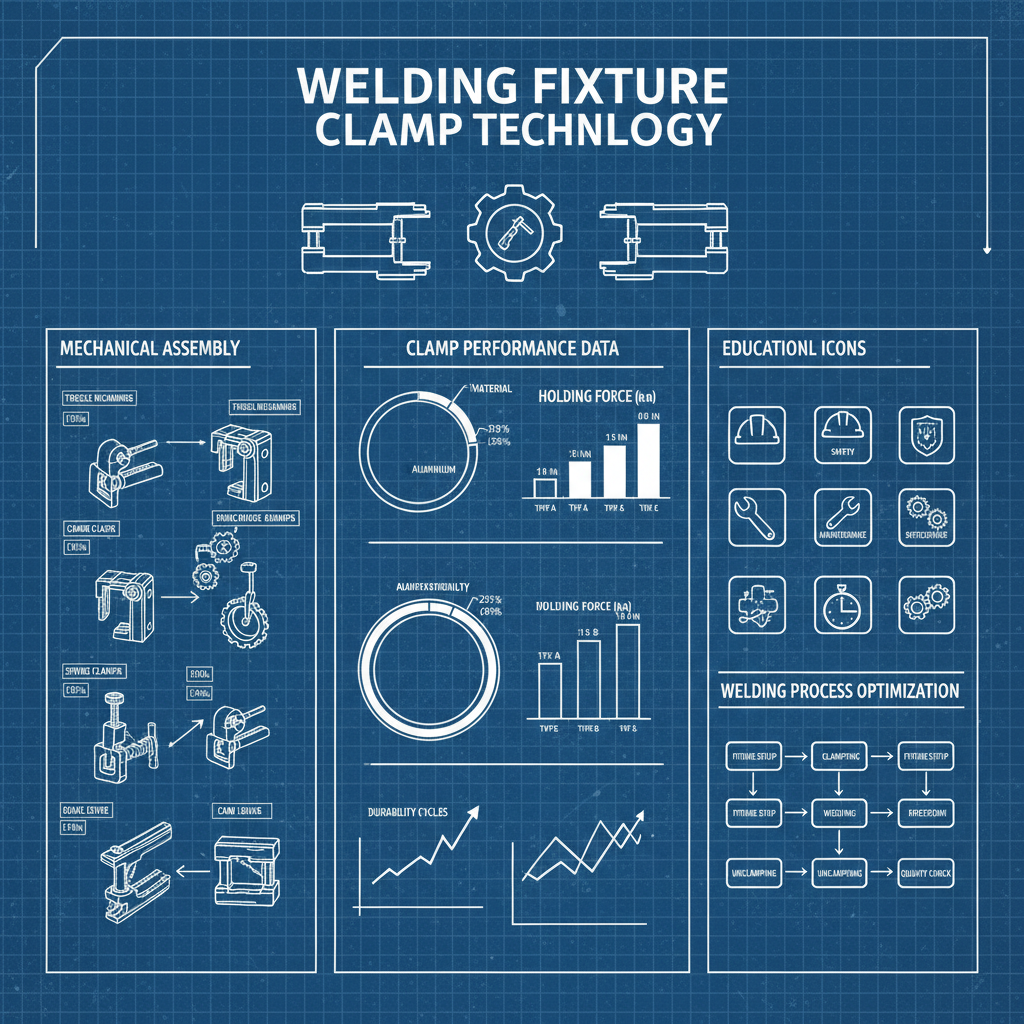
Product Spotlight: STR Machinery's Clamp Selection
At STR Machinery, we offer a diverse range of welding clamps to meet any requirement. Our selection includes toggle clamps, C-clamps, spring clamps, edge clamps, and specialized fixtures. We source our clamps from leading manufacturers known for their quality and durability. Our team can also assist you in selecting the most appropriate clamps for your specific applications and provide expert advice on fixture design. We are committed to providing solutions that enhance your welding productivity and quality.
Conclusion: Secure Your Welds with the Right Clamps
Choosing the right clamps for welding fixtures is an investment in the quality, efficiency, and safety of your welding operations. By understanding the different types, key considerations, and the importance of durability, you can select the best tools for your needs. STR Machinery is your trusted partner for high-quality welding clamps and expert advice.
Frequently Asked Questions (FAQs)
What is the best material for welding clamps?
The best material depends on the application. Steel clamps offer superior strength and durability for most welding projects. Aluminum clamps are lighter and corrosion-resistant, ideal for environments where rust is a concern. For demanding applications requiring high clamping force and resistance to wear, hardened steel clamps are preferred. Consider the working environment, the material being welded, and the required clamping force when selecting the material for your clamps.
How do I maintain my welding clamps?
Regular maintenance extends the life of your welding clamps. Keep the clamps clean and free of debris. Lubricate moving parts periodically to ensure smooth operation. Inspect the clamps regularly for signs of wear, damage, or corrosion. Replace worn or damaged clamps immediately. Proper storage in a dry environment also helps prevent rust and corrosion. Following these simple maintenance tips will ensure your clamps perform reliably for years to come.
Are quick-release clamps worth the investment?
Quick-release clamps can significantly improve efficiency in repetitive welding tasks. While they may be more expensive upfront, the time saved from faster clamping and unclamping can lead to increased productivity and reduced labor costs. They are particularly valuable in production environments where speed and accuracy are critical. Consider the volume of welding you perform and the potential time savings when evaluating the cost-benefit of quick-release clamps.
-
Ultimate Guide to Using a Professional Metre Spirit LevelNewsApr.16,2026
-
Ultimate Guide to Using and Choosing a Meter Spirit LevelNewsApr.09,2026
-
A Comprehensive Guide to Selecting the Ideal Meter Long Spirit Level for Accurate MeasurementsNewsApr.07,2026
-
Choosing the Perfect Metal Spirit Level for Accurate Measurements and ProjectsNewsApr.04,2026
-
Exploring the Diverse Levels of Spirits Quality and Production TechniquesNewsMar.31,2026
-
Understanding the Precision of a Level Spirit Level for Accurate MeasurementsNewsMar.28,2026
 Afrikaans
 Albanian
 Amharic
 Arabic
 Armenian
 Azerbaijani
 Basque
 Belarusian
 Bengali
 Bosnian
 Bulgarian
 Catalan
 Cebuano
 Corsican
 Croatian
 Czech
Czech
 Danish
 Dutch
Dutch
 Esperanto
 Estonian
 Finnish
 French
 Frisian
 Galician
 Georgian
 German
 Greek
Greek
 Gujarati
 Haitian Creole
 Hausa
Hausa
 Hawaiian
 Hebrew
 Hindi
Hindi
 Miao
Miao
 Hungarian
 Icelandic
 Igbo
Igbo
 Indonesian
 Irish
Irish
 Italian
 Japanese
 Javanese
 Kannada
 Kazakh
 Khmer
Khmer
 Rwandese
 Korean
 Kurdish
 Kyrgyz
 Lao
Lao
 Latin
Latin
 Latvian
 Lithuanian
 Luxembourgish
 Macedonian
 Malgashi
 Malay
Malay
 Malayalam
 Maltese
 Maori
Maori
 Marathi
 Mongolian
 Myanmar
 Nepali
 Norwegian
 Norwegian
 Occitan
 Pashto
 Persian
 Polish
 Portuguese
 Punjabi
 Romanian
 Russian
 Samoan
 Scottish Gaelic
 Serbian
 Sesotho
 Shona
Shona
 Sindhi
 Sinhala
 Slovak
 Slovenian
 Somali
 Spanish
 Sundanese
 Swahili
 Swedish
 Tagalog
 Tajik
Tajik
 Tamil
Tamil
 Tatar
Tatar
 Telugu
 Thai
Thai
 Turkish
 Turkmen
 Ukrainian
 Urdu
Urdu
 Uighur
 Uzbek
Uzbek
 Vietnamese
 Welsh
Welsh
 Bantu
Bantu
 Yiddish
 Yoruba
 Zulu
Zulu
 English