The reliability of water infrastructure is paramount to modern life, and the main water shut off valve plays a critical role in ensuring that reliability. From residential homes to sprawling industrial complexes, a functioning main water shut off valve is often the first line of defense against catastrophic water damage. Understanding its operation, maintenance, and emerging technologies is vital for property owners, plumbers, and municipal water authorities alike. This understanding translates directly into reduced costs, enhanced safety, and improved community resilience.
Globally, water scarcity and infrastructure vulnerabilities are growing concerns. The United Nations estimates that billions of people lack access to safely managed drinking water services (UN Sustainable Development Goal 6). Efficient water management, including the ability to quickly isolate leaks or perform maintenance without widespread disruption, is crucial. A properly installed and maintained main water shut off valve contributes directly to these efforts, minimizing water loss and ensuring continued service for essential needs. The economic impact of water loss due to leaks is staggering, representing billions of dollars annually worldwide.
The increasing frequency of extreme weather events, exacerbated by climate change, further underscores the importance of robust water infrastructure. A quick-acting main water shut off valve can be a lifesaver during floods, earthquakes, or other disasters, preventing further damage and facilitating emergency response. Investing in quality valves and educating the public about their location and operation is a proactive step towards building more resilient communities.
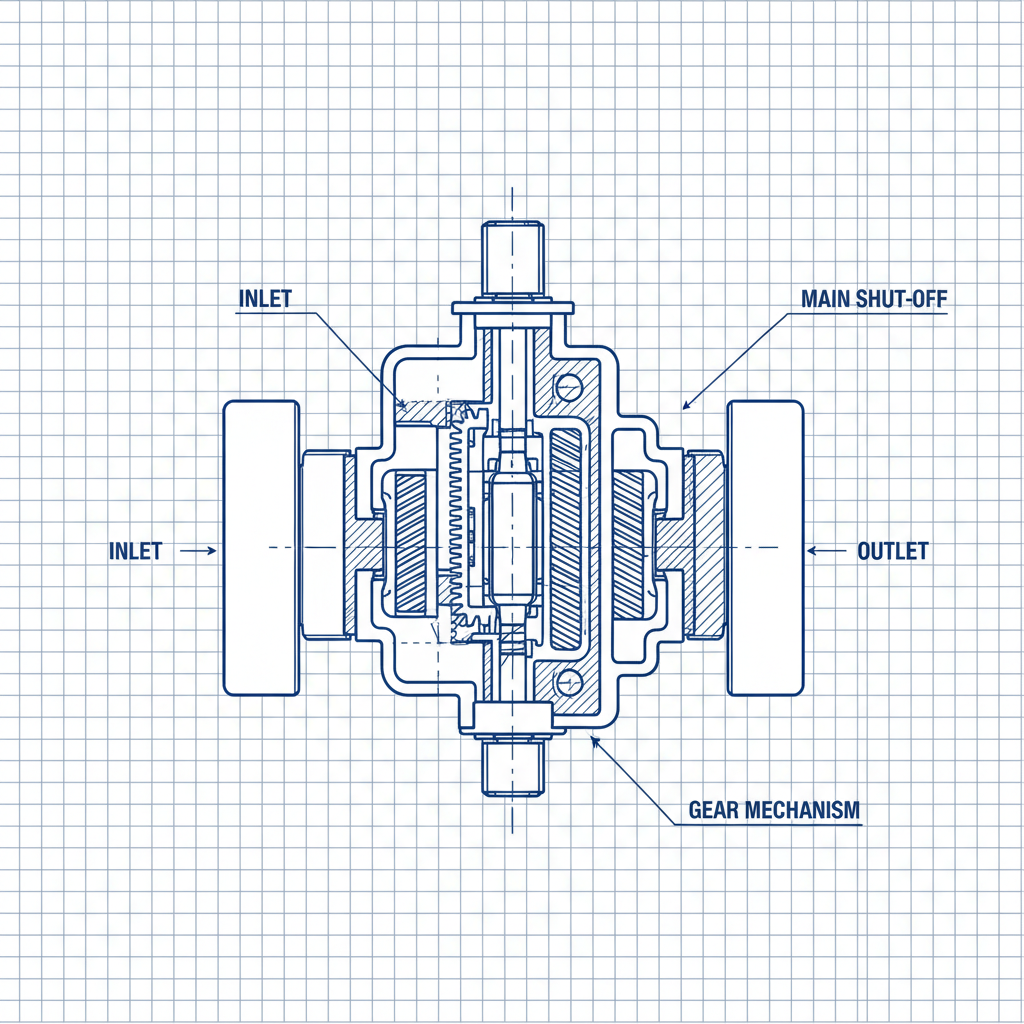
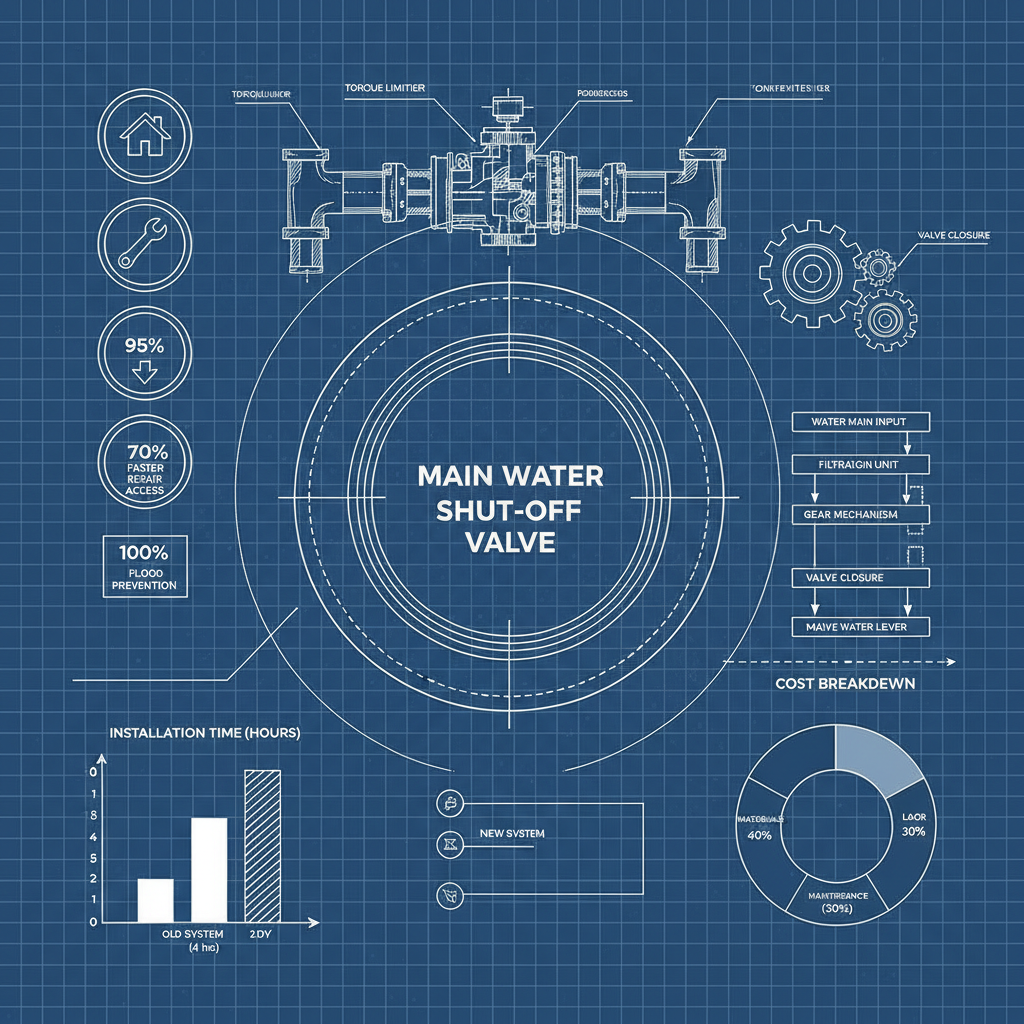
At its most basic, a main water shut off valve is a mechanism designed to completely stop the flow of water entering a building or property. This allows for safe repairs, prevents extensive damage from burst pipes, and facilitates emergency maintenance. Its functionality is akin to a central on/off switch for the entire water supply, offering a critical level of control.
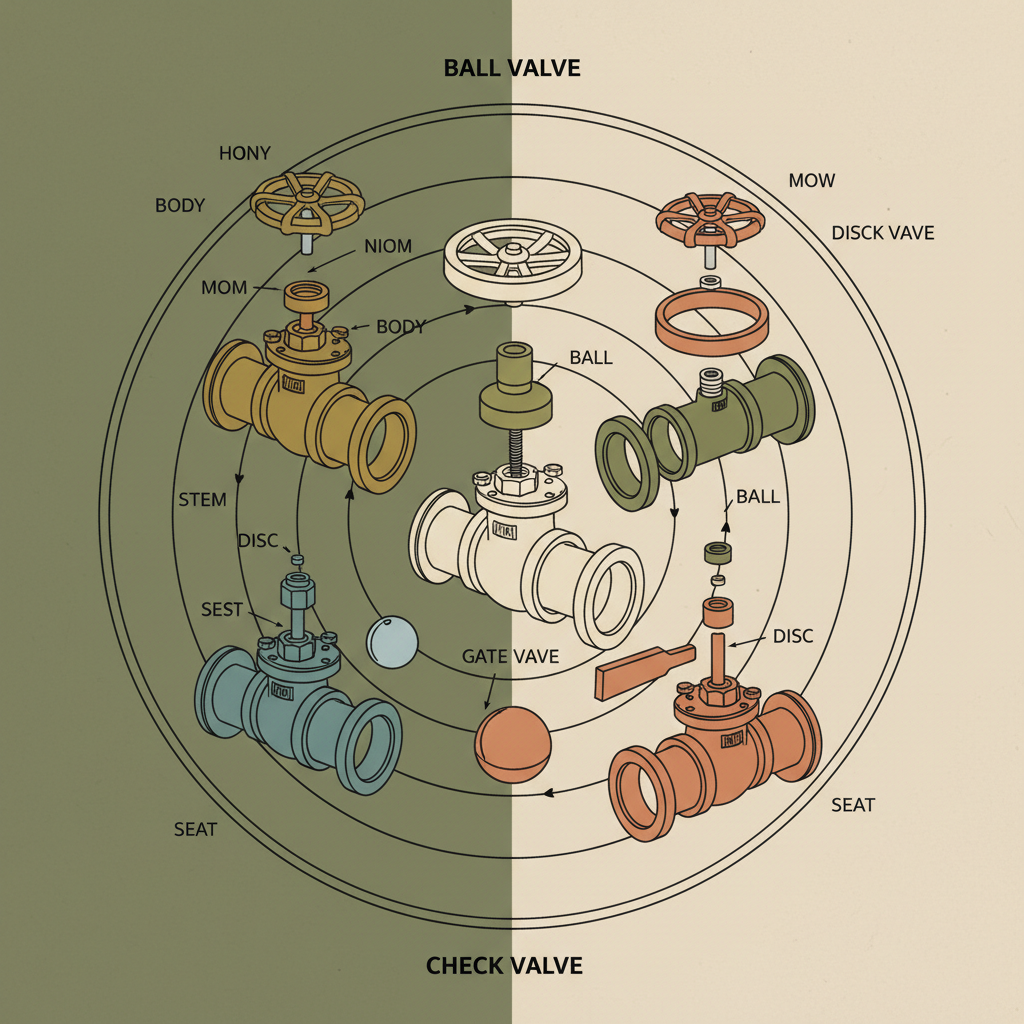
Modern valves have evolved significantly from simple gate valves. Ball valves, quarter-turn valves, and even smart valves with remote operation capabilities are now common, offering increased speed, reliability, and convenience. Understanding the specific type of valve installed and its operating procedure is crucial for effective emergency response.
Choosing the right main water shut off valve depends on your plumbing system and individual needs. Ball valves are generally preferred for their quick shut-off and reliability. Gate valves, while less expensive, can be slower to operate and more prone to corrosion. Consider the material of the valve body (brass, bronze, stainless steel) based on your water quality and climate. Consult with a qualified plumber to determine the best option for your specific situation.
It's recommended to test your main water shut off valve at least annually. This ensures it's functioning correctly and you know how to operate it in an emergency. Simply turn the valve fully off and then back on, observing for any leaks or difficulty in operation. Addressing any issues promptly can prevent significant water damage.
If your main water shut off valve is stuck, do not force it, as this could cause further damage. Try applying penetrating oil to the valve stem and gently working it back and forth. If it remains stuck, contact a qualified plumber for assistance. They have the tools and expertise to safely remove or replace the valve.
While a main water shut off valve is an essential component of a water safety plan, it cannot prevent all water damage. It’s designed to stop the main water supply, but leaks can still occur in other parts of your plumbing system. Regular inspections, maintenance, and prompt repairs are crucial for minimizing the risk of water damage.
The location of the main water shut off valve varies depending on your home's construction. Common locations include near the water meter, in the basement, or in a utility room. It's best to identify the valve's location before an emergency occurs. Consult your home's plumbing diagrams or ask a plumber if you're unsure.
Yes, smart main water shut off valves are available that can detect leaks automatically using sensors. These valves can shut off the water supply when a leak is detected, minimizing water damage. They often connect to your home's Wi-Fi network, allowing for remote monitoring and control through a smartphone app.
In conclusion, the main water shut off valve is a foundational element of modern water infrastructure, providing essential control and protection against water damage. From its historical evolution to its cutting-edge smart technologies, this seemingly simple device plays a vital role in safeguarding homes, businesses, and communities. Understanding its function, maintenance, and emerging innovations is critical for responsible water management.
Investing in a high-quality valve, coupled with regular testing and maintenance, is a proactive step towards building a more resilient and sustainable future. As water scarcity and infrastructure vulnerabilities continue to grow, the importance of the main water shut off valve will only increase. Visit our website at www.strmachinery.com to learn more about our comprehensive range of water control solutions and how we can help protect your property.
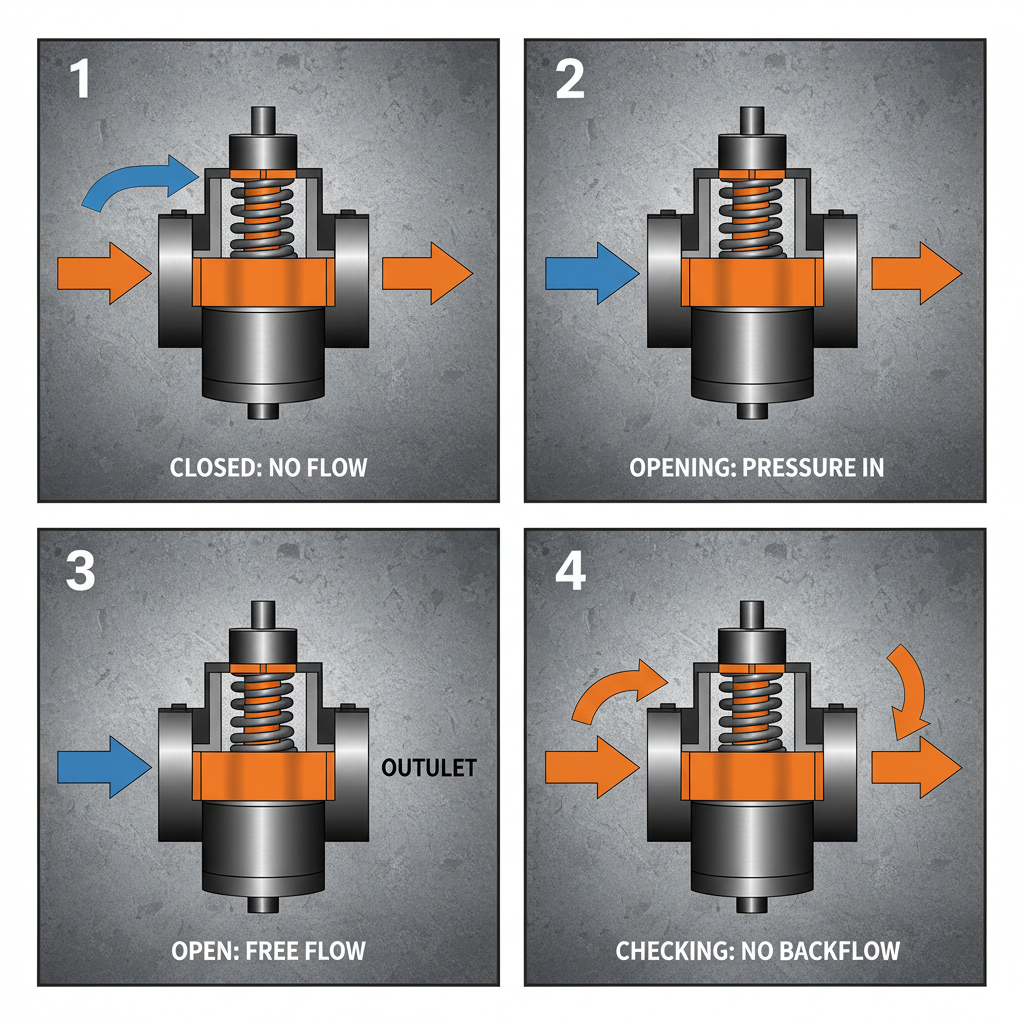

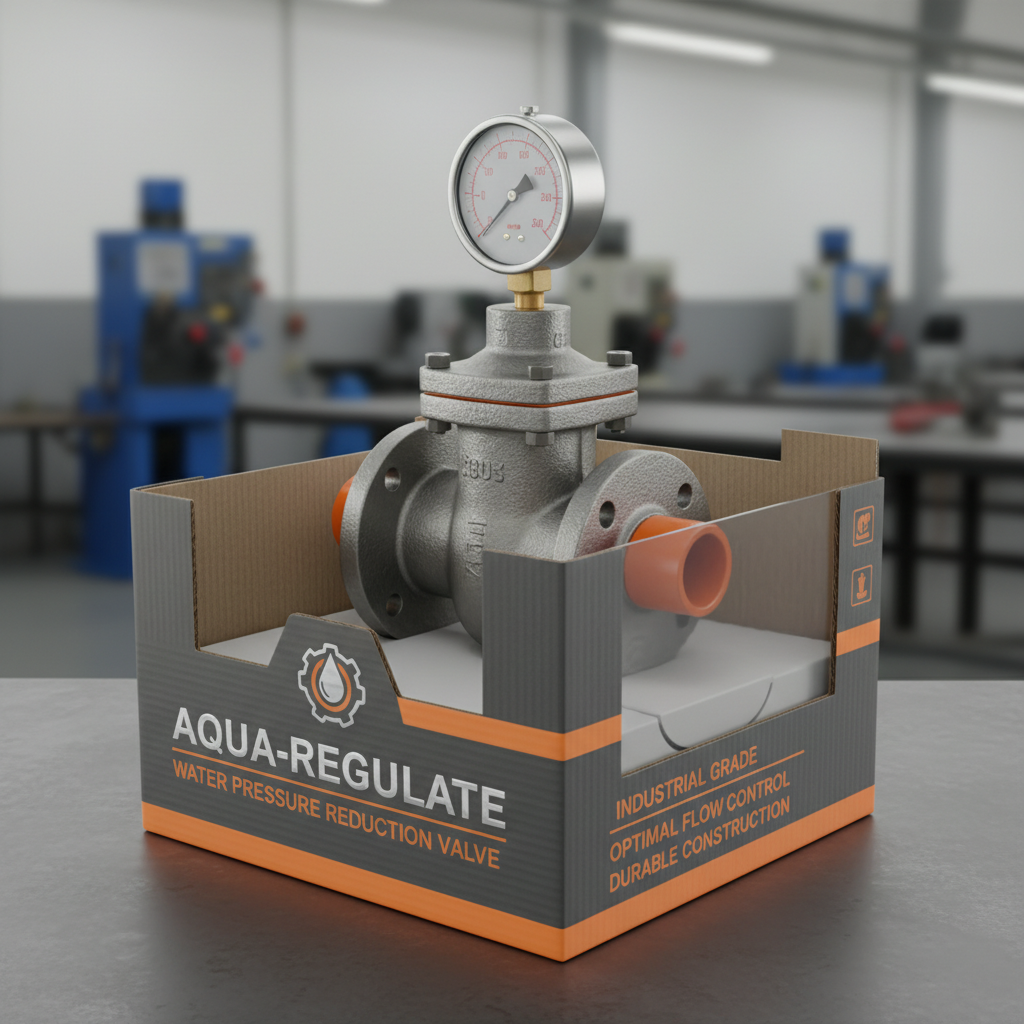

 Afrikaans
 Albanian
 Amharic
 Arabic
 Armenian
 Azerbaijani
 Basque
 Belarusian
 Bengali
 Bosnian
 Bulgarian
 Catalan
 Cebuano
 Corsican
 Croatian
 Czech
Czech
 Danish
 Dutch
Dutch
 Esperanto
 Estonian
 Finnish
 French
 Frisian
 Galician
 Georgian
 German
 Greek
Greek
 Gujarati
 Haitian Creole
 Hausa
Hausa
 Hawaiian
 Hebrew
 Hindi
Hindi
 Miao
Miao
 Hungarian
 Icelandic
 Igbo
Igbo
 Indonesian
 Irish
Irish
 Italian
 Japanese
 Javanese
 Kannada
 Kazakh
 Khmer
Khmer
 Rwandese
 Korean
 Kurdish
 Kyrgyz
 Lao
Lao
 Latin
Latin
 Latvian
 Lithuanian
 Luxembourgish
 Macedonian
 Malgashi
 Malay
Malay
 Malayalam
 Maltese
 Maori
Maori
 Marathi
 Mongolian
 Myanmar
 Nepali
 Norwegian
 Norwegian
 Occitan
 Pashto
 Persian
 Polish
 Portuguese
 Punjabi
 Romanian
 Russian
 Samoan
 Scottish Gaelic
 Serbian
 Sesotho
 Shona
Shona
 Sindhi
 Sinhala
 Slovak
 Slovenian
 Somali
 Spanish
 Sundanese
 Swahili
 Swedish
 Tagalog
 Tajik
Tajik
 Tamil
Tamil
 Tatar
Tatar
 Telugu
 Thai
Thai
 Turkish
 Turkmen
 Ukrainian
 Urdu
Urdu
 Uighur
 Uzbek
Uzbek
 Vietnamese
 Welsh
Welsh
 Bantu
Bantu
 Yiddish
 Yoruba
 Zulu
Zulu
 English