

Apr . 09, 2026 01:45 Back to list
Ultimate Guide to Using and Choosing a Meter Spirit Level
Mastering Precision: The Ultimate Guide to the Meter Spirit Level
Achieving perfect alignment is the cornerstone of any successful construction or renovation project. Whether you are installing cabinetry, framing a wall, or setting up industrial machinery, a high-quality meter spirit level is an indispensable tool for ensuring accuracy. By utilizing the simple yet effective principle of gravity and a liquid-filled vial, this tool allows professionals to determine whether a surface is perfectly horizontal (level) or vertical (plumb). In this comprehensive guide, we will explore how to choose the right level, its core applications, and why precision measurement is critical for long-term structural integrity.
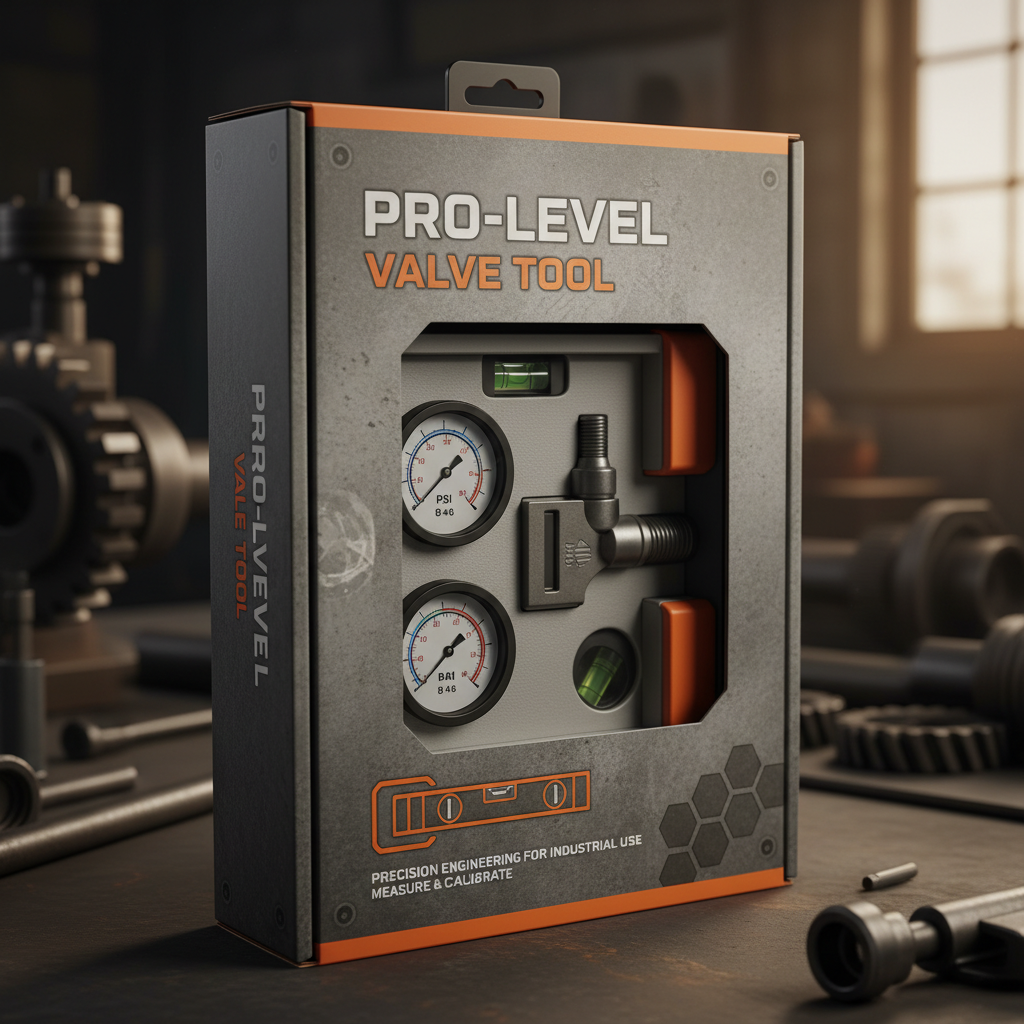
How a Meter Spirit Level Works
The fundamental mechanism of a meter spirit level involves a sealed glass or plastic vial containing a liquid—usually colored alcohol—and a small air bubble. Because the liquid does not compress and the bubble always seeks the highest point, the position of the bubble relative to the graduation marks indicates the angle of the tool. When the bubble is perfectly centered between the two lines, the surface is level. Professional-grade levels often feature multiple vials to check for both horizontal and vertical alignment simultaneously, providing a versatile solution for complex job sites.
Key Applications of the Meter Spirit Level
The utility of a 1-meter level extends across various trades. In carpentry, it is essential for ensuring that shelving and countertops are flat, preventing items from sliding off. In masonry, it ensures that brick walls are plumb, which is critical for the load-bearing capacity of the structure. Furthermore, in industrial installation, using a precision meter spirit level prevents machinery vibration and premature wear by ensuring equipment is perfectly seated. Accuracy at this stage prevents costly corrections during the final phases of a project.
Pro Tip: Always check your level's accuracy by placing it on a surface, noting the bubble position, flipping the tool 180 degrees, and checking again. If the bubble stays in the same spot, your tool is calibrated.
Comparing Types of Meter Spirit Level Materials
Not all levels are created equal. The material used in the construction of a meter spirit level significantly affects its durability and precision. Aluminum is the industry standard due to its lightweight nature and resistance to corrosion. Fiberglass is preferred for electrical work as it is non-conductive. Heavy-duty steel or cast iron levels are used in specialized industrial settings where extreme rigidity is required to avoid bending over long spans. Choosing the right material ensures the tool survives the rigors of the construction site without losing its calibration.
Essential Specifications for a High-Quality Level
When sourcing a meter spirit level, you must look beyond the length. The precision rating (e.g., 0.5mm/m) determines how much error is permissible over a one-meter span. Additionally, check for features like milled edges, which provide a perfectly flat surface for resting on beams, and shock-absorbing end caps that protect the vials from damage during accidental drops. A professional tool should be designed for longevity and repeatable accuracy.
Maintenance Tips for Your Spirit Level
To ensure your meter spirit level remains accurate over years of use, proper maintenance is key. First, always wipe down the edges after use to remove debris, as even a small piece of grit can throw off a reading. Second, avoid storing the tool in extreme heat, which can cause the liquid in the vials to expand and potentially crack the seal. Finally, store the level hanging or flat on a stable surface to avoid warping. Investing a few minutes in tool care prevents the need for premature replacement.
Conclusion: Precision Starts with the Right Tool
A meter spirit level is more than just a piece of aluminum and liquid; it is the guarantee of quality in any construction project. By understanding the material differences, prioritizing accuracy specifications, and maintaining the tool correctly, you ensure that every project is built to last. Whether you are a professional contractor or a dedicated DIY enthusiast, investing in a high-precision level is an investment in the professional quality of your work.
Frequently Asked Questions (FAQs)
What is the difference between a spirit level and a laser level?
A spirit level is a manual tool that relies on gravity and a physical bubble to determine levelness over a short to medium distance. It is highly reliable, requires no power, and is ideal for checking individual components. A laser level, conversely, projects a beam of light across a room, allowing for alignment over much larger distances and across multiple points simultaneously. While laser levels are faster for large-scale layouts, a meter spirit level remains the gold standard for verifying the final, precise placement of a specific object.
Can a spirit level lose its accuracy over time?
Yes, a spirit level can lose accuracy, primarily due to physical damage. If the tool is dropped or suffers a hard impact, the frame can warp or the vial can shift slightly in its housing. This is why professional levels feature shock-absorbing end caps. Regular calibration checks (the 180-degree flip test) are recommended to ensure the tool is still performing correctly. If the bubble position changes when the tool is flipped on the same surface, the level is no longer accurate and should be replaced.
Why is the 1-meter length preferred for most construction tasks?
The 1-meter length is considered the "sweet spot" for versatility. It is long enough to provide a stable base for accurate readings across most doors, windows, and cabinets, reducing the margin of error that occurs with shorter tools. However, it remains compact enough to be easily transported and maneuvered in tight spaces. For those seeking a balance between portability and professional precision, the meter spirit level is the most practical choice for a standard toolkit.
-
Ultimate Guide to Using a Professional Metre Spirit LevelNewsApr.16,2026
-
Ultimate Guide to Using and Choosing a Meter Spirit LevelNewsApr.09,2026
-
A Comprehensive Guide to Selecting the Ideal Meter Long Spirit Level for Accurate MeasurementsNewsApr.07,2026
-
Choosing the Perfect Metal Spirit Level for Accurate Measurements and ProjectsNewsApr.04,2026
-
Exploring the Diverse Levels of Spirits Quality and Production TechniquesNewsMar.31,2026
-
Understanding the Precision of a Level Spirit Level for Accurate MeasurementsNewsMar.28,2026
 Afrikaans
 Albanian
 Amharic
 Arabic
 Armenian
 Azerbaijani
 Basque
 Belarusian
 Bengali
 Bosnian
 Bulgarian
 Catalan
 Cebuano
 Corsican
 Croatian
 Czech
Czech
 Danish
 Dutch
Dutch
 Esperanto
 Estonian
 Finnish
 French
 Frisian
 Galician
 Georgian
 German
 Greek
Greek
 Gujarati
 Haitian Creole
 Hausa
Hausa
 Hawaiian
 Hebrew
 Hindi
Hindi
 Miao
Miao
 Hungarian
 Icelandic
 Igbo
Igbo
 Indonesian
 Irish
Irish
 Italian
 Japanese
 Javanese
 Kannada
 Kazakh
 Khmer
Khmer
 Rwandese
 Korean
 Kurdish
 Kyrgyz
 Lao
Lao
 Latin
Latin
 Latvian
 Lithuanian
 Luxembourgish
 Macedonian
 Malgashi
 Malay
Malay
 Malayalam
 Maltese
 Maori
Maori
 Marathi
 Mongolian
 Myanmar
 Nepali
 Norwegian
 Norwegian
 Occitan
 Pashto
 Persian
 Polish
 Portuguese
 Punjabi
 Romanian
 Russian
 Samoan
 Scottish Gaelic
 Serbian
 Sesotho
 Shona
Shona
 Sindhi
 Sinhala
 Slovak
 Slovenian
 Somali
 Spanish
 Sundanese
 Swahili
 Swedish
 Tagalog
 Tajik
Tajik
 Tamil
Tamil
 Tatar
Tatar
 Telugu
 Thai
Thai
 Turkish
 Turkmen
 Ukrainian
 Urdu
Urdu
 Uighur
 Uzbek
Uzbek
 Vietnamese
 Welsh
Welsh
 Bantu
Bantu
 Yiddish
 Yoruba
 Zulu
Zulu
 English