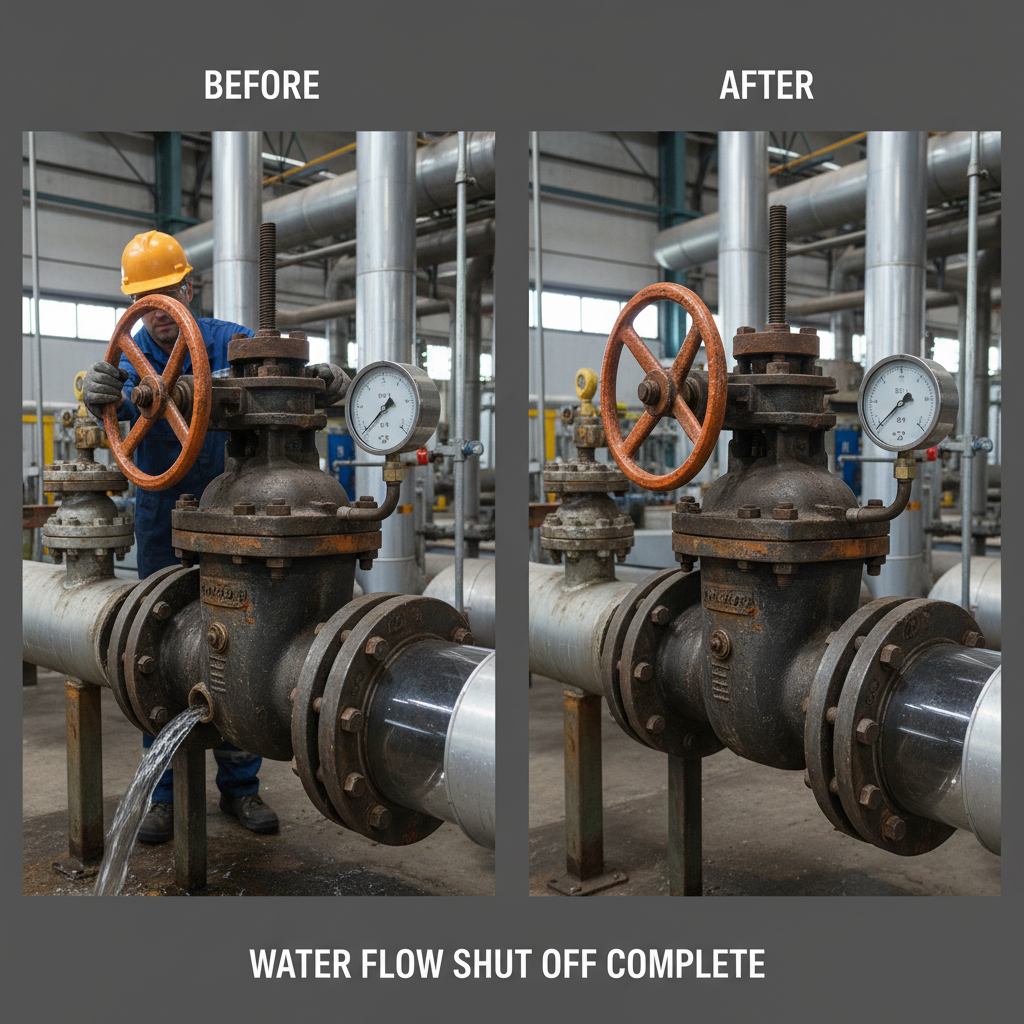
Main water shut off valves are critical components of any plumbing system, safeguarding properties and infrastructure from the devastating consequences of water damage. These valves provide a readily accessible means to quickly halt the flow of water in emergencies like burst pipes, leaks, or during necessary maintenance. Understanding their types, proper installation, and regular maintenance is paramount for homeowners, property managers, and municipalities alike. The importance of reliable main water shut off valves extends beyond simple convenience; it's a matter of financial protection, preventing costly repairs, and ensuring the continuity of essential services.
Globally, the demand for robust and dependable water infrastructure is escalating, driven by population growth, urbanization, and the increasing frequency of extreme weather events. Inefficient or malfunctioning water systems contribute to significant water loss, placing strain on limited resources and exacerbating water scarcity issues. Main water shut off valves are integral to mitigating these risks, allowing for swift responses to unexpected disruptions and minimizing wasted water. Their role in emergency preparedness is also increasingly recognized, especially in regions prone to natural disasters.
The efficient operation of main water shut off valves isn't merely a plumbing concern; it’s a vital aspect of public health and safety. Reliable shut-off capability safeguards against waterborne diseases, prevents structural damage to buildings, and supports the uninterrupted delivery of essential services to communities worldwide. Modern advancements focus on integrating smart technologies into these valves, offering remote control and leak detection capabilities, further enhancing their value and effectiveness.
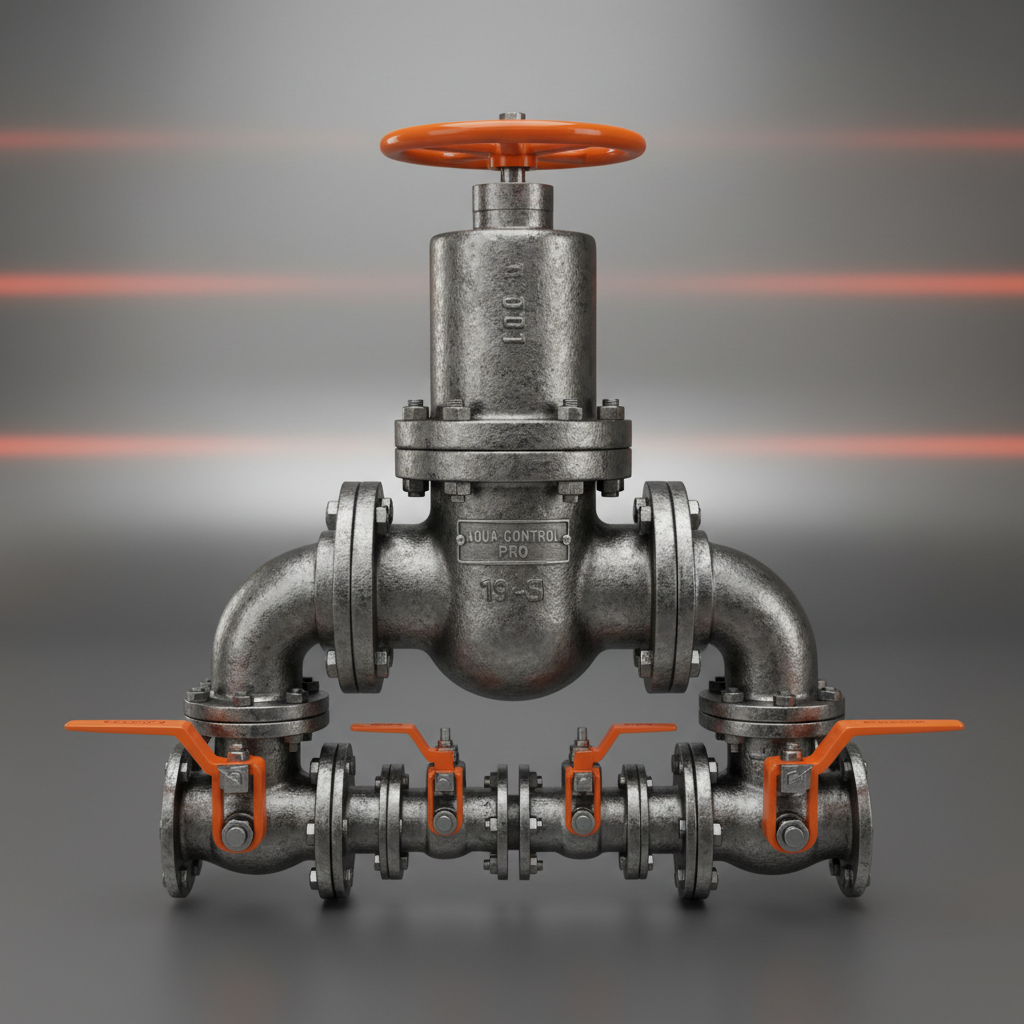
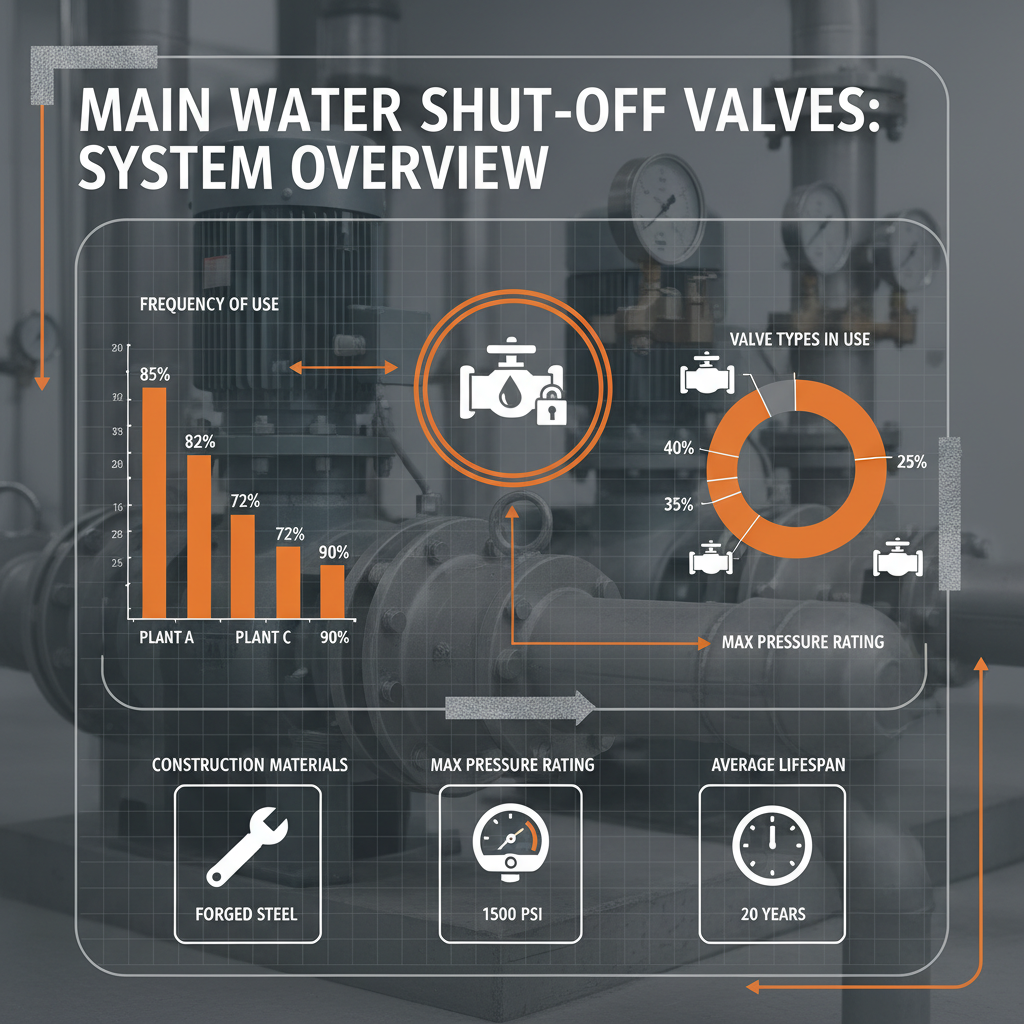
A main water shut off valve is a critical plumbing fixture designed to control the water supply entering a building or property. Essentially, it’s a valve installed on the main water line, allowing a homeowner or property manager to completely stop the flow of water with a simple turn or operation. These valves are typically located near the water meter or where the water line enters the building.
Their importance extends far beyond basic plumbing; main water shut off valves are integral to modern infrastructure and humanitarian efforts. In disaster relief scenarios, the ability to quickly isolate water systems is vital for controlling contamination and facilitating repairs. They also play a crucial role in preventing catastrophic damage during plumbing emergencies and reducing water waste in both residential and commercial settings.
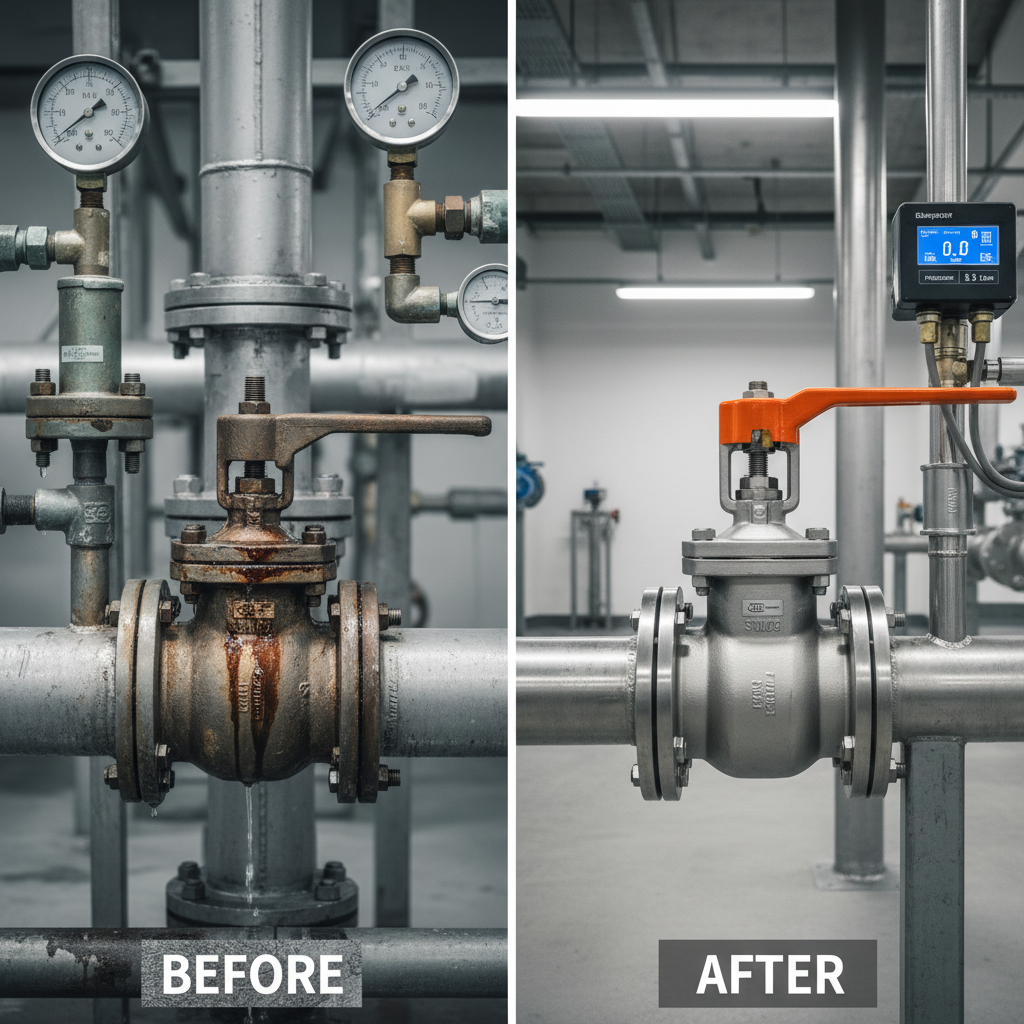
Several indicators suggest your main water shut off valve might need replacement. These include difficulty operating the valve, a noticeable leak around the valve handle or body, corrosion on the valve itself, or a persistent dripping sound even when the valve is fully closed. Ignoring these signs can lead to significant water damage and higher water bills. It’s best to consult a plumber for a professional inspection and replacement if necessary.
You should test your main water shut off valve at least annually, and ideally twice a year. This ensures that it’s functioning correctly and that you are familiar with its operation in case of an emergency. Simply turn the valve completely off and then back on, observing for any leaks or difficulty in operation. Document the date of each test for your records.
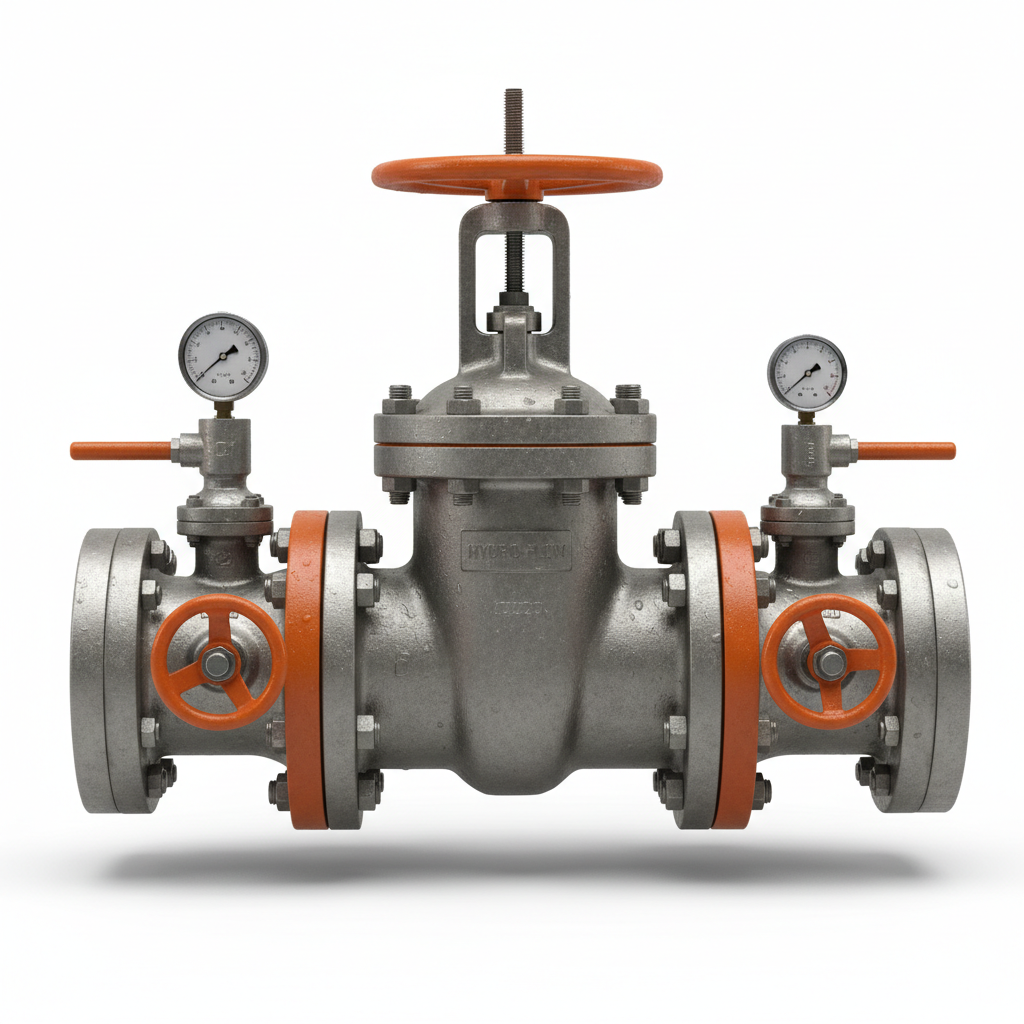
Gate valves and ball valves are both used as main shutoff valves, but ball valves are generally preferred. Gate valves use a gate that lowers to block the water flow, but can corrode and become difficult to turn. Ball valves use a ball with a bore through it; a quarter turn aligns the bore with the pipe for flow, or perpendicular to it for shutoff. Ball valves are more reliable, provide quicker shutoff, and are less prone to corrosion.
While some DIY-savvy homeowners may be able to replace a main water shut off valve, it's generally recommended to hire a qualified plumber. Improper installation can lead to leaks, water damage, and potentially void your homeowner’s insurance. A plumber has the expertise to select the correct valve type, ensure proper connections, and test the system for leaks.
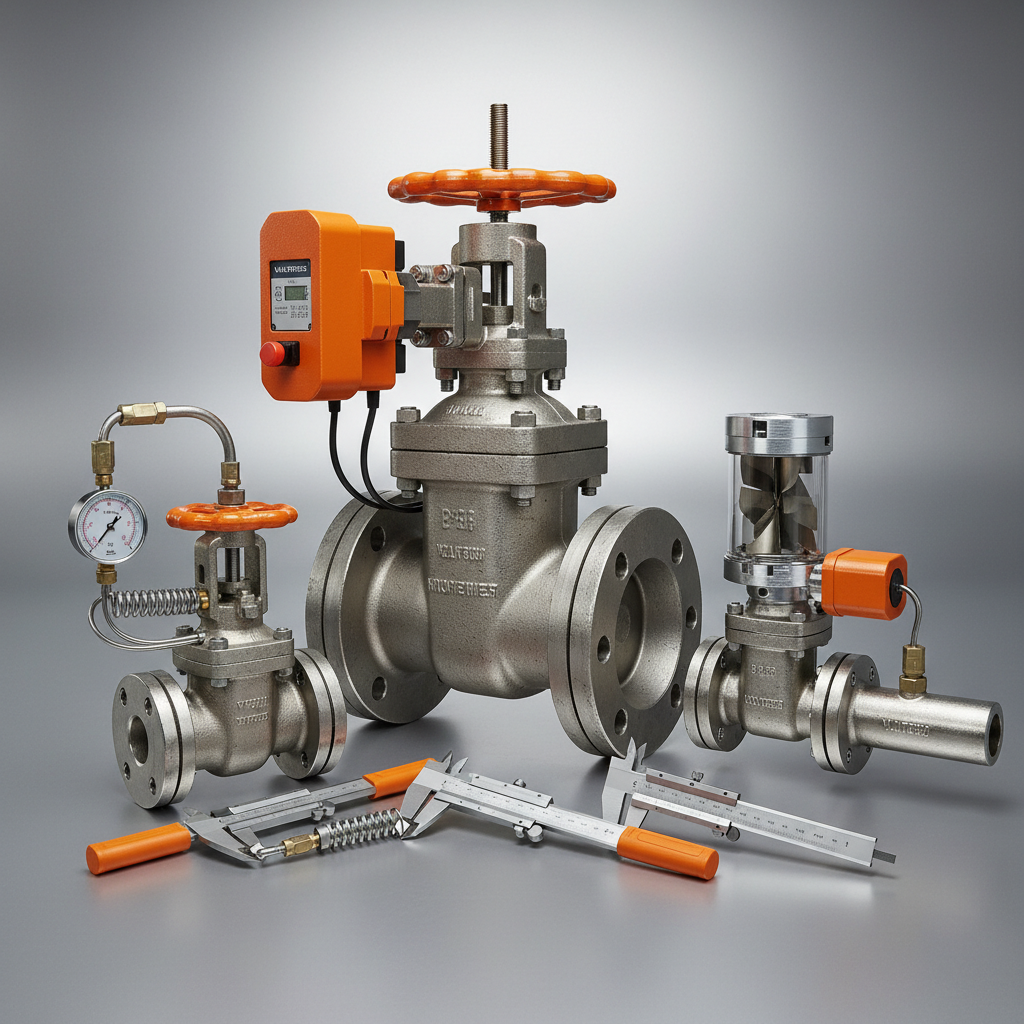
An automatic water shut off valve is a smart home device that automatically shuts off your water supply when a leak is detected. It connects to sensors placed throughout your plumbing system. While the initial cost is higher than a manual valve, it can prevent significant water damage, potentially saving you thousands of dollars in repair costs and insurance premiums. It’s particularly valuable for vacation homes or properties left unattended for extended periods.
The key or wrench for your main water shut off valve should be stored in a readily accessible location known to all household members. Avoid keeping it hidden in obscure places that could delay access during an emergency. Consider attaching a bright tag to the valve indicating its purpose and the location of the key/wrench. A dedicated emergency preparedness kit is also a good option.
Main water shut off valves are indispensable components of modern plumbing systems, offering critical protection against water damage, conserving valuable resources, and ensuring the continuity of essential services. From simple manual valves to sophisticated smart home integrations, these devices represent a vital investment for homeowners, property managers, and municipalities alike. Understanding the different types of valves, their proper installation, and regular maintenance is paramount for maximizing their effectiveness.
Looking ahead, the future of main water shut off valves is poised for further innovation, driven by advancements in IoT technology, materials science, and a growing emphasis on sustainability. By embracing these advancements and prioritizing proactive water management practices, we can collectively mitigate the risks associated with water scarcity and ensure a more secure and resilient future for generations to come. For reliable solutions, visit our website: main water shut off valves.

 Afrikaans
 Albanian
 Amharic
 Arabic
 Armenian
 Azerbaijani
 Basque
 Belarusian
 Bengali
 Bosnian
 Bulgarian
 Catalan
 Cebuano
 Corsican
 Croatian
 Czech
Czech
 Danish
 Dutch
Dutch
 Esperanto
 Estonian
 Finnish
 French
 Frisian
 Galician
 Georgian
 German
 Greek
Greek
 Gujarati
 Haitian Creole
 Hausa
Hausa
 Hawaiian
 Hebrew
 Hindi
Hindi
 Miao
Miao
 Hungarian
 Icelandic
 Igbo
Igbo
 Indonesian
 Irish
Irish
 Italian
 Japanese
 Javanese
 Kannada
 Kazakh
 Khmer
Khmer
 Rwandese
 Korean
 Kurdish
 Kyrgyz
 Lao
Lao
 Latin
Latin
 Latvian
 Lithuanian
 Luxembourgish
 Macedonian
 Malgashi
 Malay
Malay
 Malayalam
 Maltese
 Maori
Maori
 Marathi
 Mongolian
 Myanmar
 Nepali
 Norwegian
 Norwegian
 Occitan
 Pashto
 Persian
 Polish
 Portuguese
 Punjabi
 Romanian
 Russian
 Samoan
 Scottish Gaelic
 Serbian
 Sesotho
 Shona
Shona
 Sindhi
 Sinhala
 Slovak
 Slovenian
 Somali
 Spanish
 Sundanese
 Swahili
 Swedish
 Tagalog
 Tajik
Tajik
 Tamil
Tamil
 Tatar
Tatar
 Telugu
 Thai
Thai
 Turkish
 Turkmen
 Ukrainian
 Urdu
Urdu
 Uighur
 Uzbek
Uzbek
 Vietnamese
 Welsh
Welsh
 Bantu
Bantu
 Yiddish
 Yoruba
 Zulu
Zulu
 English