0%

Table of Contents

In the complex landscape of industrial fluid management, maintaining the purity of the medium is critical for operational longevity. A flanged strainer serves as the first line of defense, capturing debris and solid particles before they can reach expensive downstream equipment like pumps and valves. By ensuring that only clean fluids pass through the system, these components prevent premature wear and catastrophic failures in high-pressure environments.

Across global manufacturing sectors, the adoption of standardized flanged connections has streamlined the integration of filtration systems. The ability to quickly install or remove a filtration unit for cleaning—without disrupting the entire pipeline architecture—makes the flanged design an industry standard for versatility and reliability. From chemical processing to municipal water works, the strategic placement of these devices is a hallmark of well-engineered piping systems.

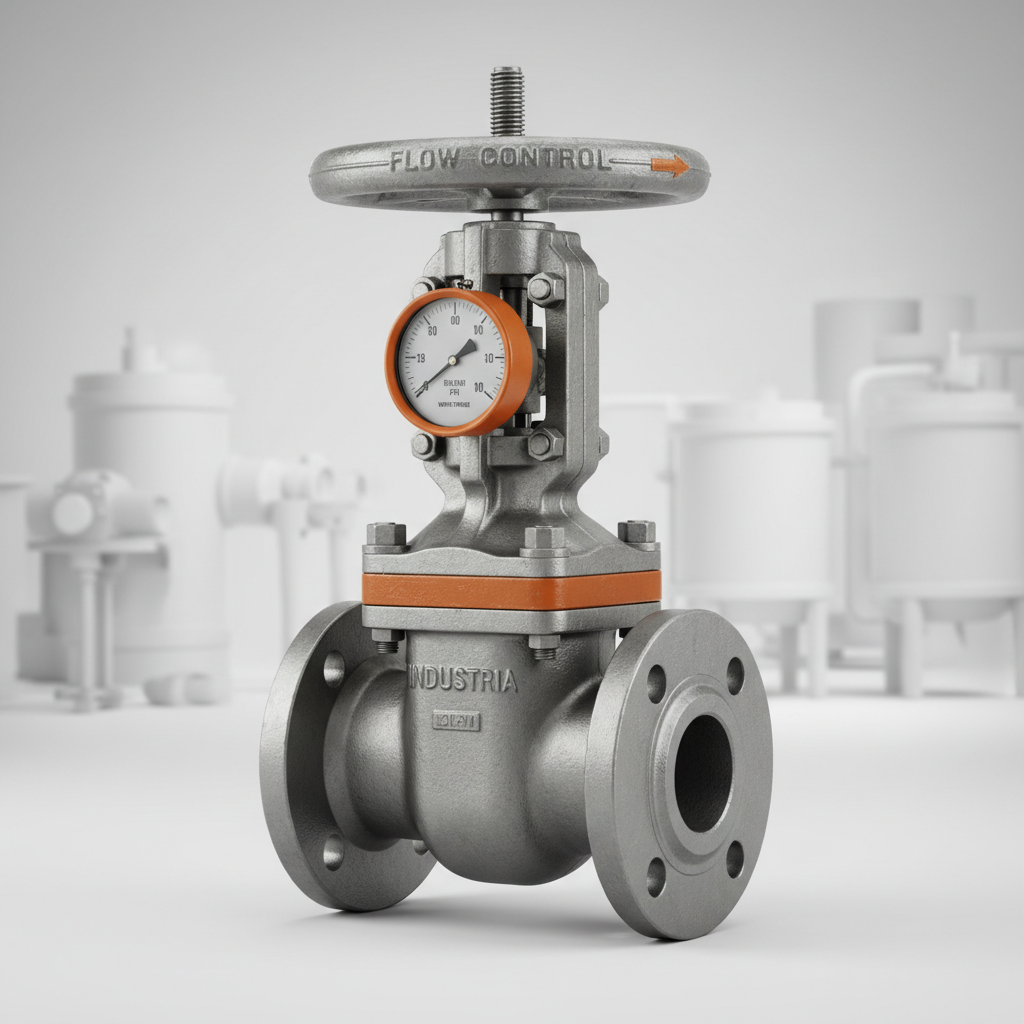
Understanding the synergy between filtration and flow control is essential for any system designer. While a flanged strainer protects the system from solids, it often works in tandem with silent check valves to prevent backflow and eliminate hydraulic shock. Together, these components create a robust infrastructure that balances clean flow with systemic safety and noise reduction.

Industrial Flanged Strainer for Fluid Filtration and System Safety

Global Relevance of Flanged Strainer Technology

Industrial Flanged Strainer for Fluid Filtration and System Safety

The global demand for precision fluid control has surged as industries move toward higher automation and stricter ISO quality standards. In this context, the flanged strainer has become indispensable for protecting high-value assets from the destructive effects of particulate contamination. Without effective filtration, pump impellers can erode and valve seats can leak, leading to costly unplanned downtime in critical infrastructure.

From the sprawling refineries of the Middle East to the high-tech semiconductor plants in East Asia, the ability to maintain a sterile or debris-free flow is a non-negotiable requirement. The standardized nature of flanged connections allows for global interoperability, ensuring that systems can be maintained regardless of the geographic location or the original equipment manufacturer.

Defining the Flanged Strainer in Modern Industry

In simple terms, a flanged strainer is a mechanical filtration device integrated into a piping system via bolted flanges. Its primary purpose is to remove unwanted solid particles from a liquid or gas stream, acting as a physical barrier that prevents debris from traveling further downstream. Unlike threaded versions, the flanged design is engineered for larger pipe diameters and higher pressure ratings, making it suitable for industrial-scale operations.

Beyond simple filtration, these devices are integral to the "health" of a piping network. By utilizing a perforated screen or mesh, the strainer captures scale, weld slag, and other contaminants that naturally accumulate during the installation of new pipes or the degradation of old ones. This proactive approach to maintenance reduces the risk of clogging in narrow orifices and protects the integrity of seals and gaskets.

In the broader context of humanitarian and urban needs, such as municipal water treatment and fire protection systems, the flanged strainer ensures the reliability of life-saving equipment. When every second counts, the assurance that a pump will not be jammed by debris is critical. Thus, these components are not merely accessories but are fundamental safety elements in modern civil engineering.

Core Components and Engineering Factors

The effectiveness of a flanged strainer depends heavily on its material composition and structural design. High-grade stainless steel (such as 316L) and ductile iron are frequently used to ensure the body can withstand extreme pressures and corrosive media. The choice of material is the first critical factor in determining the lifespan of the unit and its ability to operate without leaching contaminants into the fluid stream.

Another pivotal element is the mesh density and geometry of the internal screen. A flanged strainer must be precision-engineered to balance filtration efficiency with pressure drop; a mesh that is too fine may trap all particles but create excessive resistance, while a mesh that is too coarse may allow harmful debris to pass through. Engineers must calculate the optimal open area to ensure flow velocity remains within safe limits.

Finally, the flange standard—whether it follows ASME B16.5, DIN, or GB/T specifications—dictates how the strainer interfaces with the rest of the system. Precise alignment and the use of high-quality gaskets are essential to prevent leaks at the connection points. When combined with a robust body and a well-chosen screen, these factors ensure a leak-proof, high-performance filtration solution.

Practical Performance Metrics and Efficiency

Evaluating the performance of a filtration system requires a deep dive into pressure differential (ΔP) and flow coefficient (Cv). In a high-efficiency flanged strainer, the goal is to maximize the capture of solids while minimizing the energy required to push fluid through the device. As the strainer collects debris, the pressure drop increases, signaling the need for cleaning to prevent a total system blockage.

Modern industrial monitoring often integrates sensors to track these metrics in real-time. By analyzing the rate of pressure increase, operators can move from a scheduled maintenance model to a condition-based maintenance model, significantly reducing labor costs and avoiding unnecessary system shutdowns.

Comparative Efficiency of Flanged Strainer Configurations


Global Applications and Industrial Use Cases

In the energy sector, particularly within oil and gas refineries, the flanged strainer is used to protect sensitive control valves and meters from pipe scale and welding slag. In these environments, where fluids are often corrosive or highly volatile, the use of alloy-based strainers ensures that the filtration process does not become a point of structural failure, maintaining safety in high-risk zones.

Similarly, in large-scale HVAC systems for commercial skyscrapers, these strainers are placed at the suction side of chilled water pumps. By removing debris from the cooling loop, they prevent the erosion of heat exchanger tubes and ensure the efficiency of the building's climate control. In remote industrial zones, where spare parts may take weeks to arrive, the reliability of a well-installed strainer is the primary safeguard against costly equipment failure.

Long-Term Value and Sustainability Benefits

The long-term value of implementing a high-quality flanged strainer extends far beyond the initial purchase price. By preventing the ingestion of solids, these devices exponentially increase the mean time between failures (MTBF) for pumps, turbines, and valves. This reduction in equipment turnover not only lowers capital expenditure but also minimizes the environmental impact associated with manufacturing and transporting replacement parts.

From a sustainability perspective, efficient filtration contributes to lower energy consumption. A system free of debris maintains a more consistent flow profile, reducing the load on pumps and decreasing the electricity required to move fluid through the network. When combined with easy-to-clean reusable screens, these strainers eliminate the need for disposable filter cartridges, reducing industrial waste.

Moreover, there is a human element to this engineering. System reliability translates to safety and dignity for the workforce; reducing the frequency of emergency repairs in hazardous environments protects technicians from unnecessary risk. The trust placed in a robust filtration system allows engineers to focus on optimization rather than constant crisis management.

Future Trends in Filtration Innovation

The future of fluid filtration is moving toward "smart" systems. We are seeing the integration of IoT-enabled pressure sensors directly into the body of the flanged strainer, allowing for real-time cloud monitoring of filtration levels. This digital transformation enables predictive maintenance, where AI algorithms can forecast exactly when a strainer requires cleaning based on historical flow patterns and particle accumulation rates.

Material science is also evolving, with the introduction of nano-coated screens that resist fouling and corrosion. These advanced coatings reduce the adhesion of organic matter and minerals to the mesh, extending the intervals between cleaning cycles and improving overall throughput. The shift toward "green" metallurgy is also encouraging the use of recycled high-performance alloys without compromising structural integrity.

As automation continues to permeate the manufacturing sector, the development of self-cleaning flanged strainers is gaining momentum. These systems utilize a back-flush mechanism to clear debris without requiring the system to be shut down. This innovation ensures continuous operation for critical processes, aligning with the global push toward 24/7 autonomous industrial production.

Technical Analysis of Flanged Strainer Design Variations

Design Type Pressure Tolerance Maintenance Ease Primary Application
Y-Type Medium-High Moderate Steam & Gas Lines
T-Type Medium Easy Water Distribution
Basket Low-Medium Very Easy High Volume Fluids
Duplex High Seamless Continuous Process
Temporary Low Disposable Startup Flushing
Custom Alloy Ultra-High Complex Chemical Processing

FAQS

What are the main advantages of a flanged strainer over a threaded one?

Flanged strainers are designed for larger pipe sizes and higher pressure environments where a threaded connection would be structurally insufficient. They offer much easier maintenance, as the bolted flange can be removed quickly to access the filter element without cutting the pipe. Additionally, they provide a more secure, leak-resistant seal for industrial-scale fluid transport.

How do I know when my flanged strainer needs cleaning?

The most reliable indicator is the pressure differential. By installing pressure gauges before and after the strainer, you can monitor the drop in pressure. When the differential exceeds the manufacturer's recommended limit (ΔP), it indicates that the screen is clogged with debris and requires immediate cleaning to prevent flow restriction or equipment damage.

Can a flanged strainer be used with corrosive chemicals?

Yes, provided the correct materials are selected. For corrosive media, stainless steel 316L, Hastelloy, or PTFE-lined bodies are recommended. It is crucial to match the metallurgy of both the strainer body and the internal mesh screen to the chemical properties of the fluid to prevent corrosion and ensure long-term structural integrity.

What is a duplex flanged strainer and why use it?

A duplex strainer consists of two separate filtration chambers with a diverter valve. This allows the operator to switch the flow from one chamber to the other, enabling the clogged screen to be cleaned without shutting down the entire system. This is essential for critical processes where any downtime would result in significant financial loss or safety risks.

How does the mesh size affect the flow rate?

Mesh size refers to the number of openings per linear inch. A higher mesh number means smaller holes, which capture finer particles but increase resistance to flow. This increase in resistance leads to a higher pressure drop and can reduce the overall flow rate of the system if the pump cannot compensate for the additional head loss.

Is it possible to install a flanged strainer in any orientation?

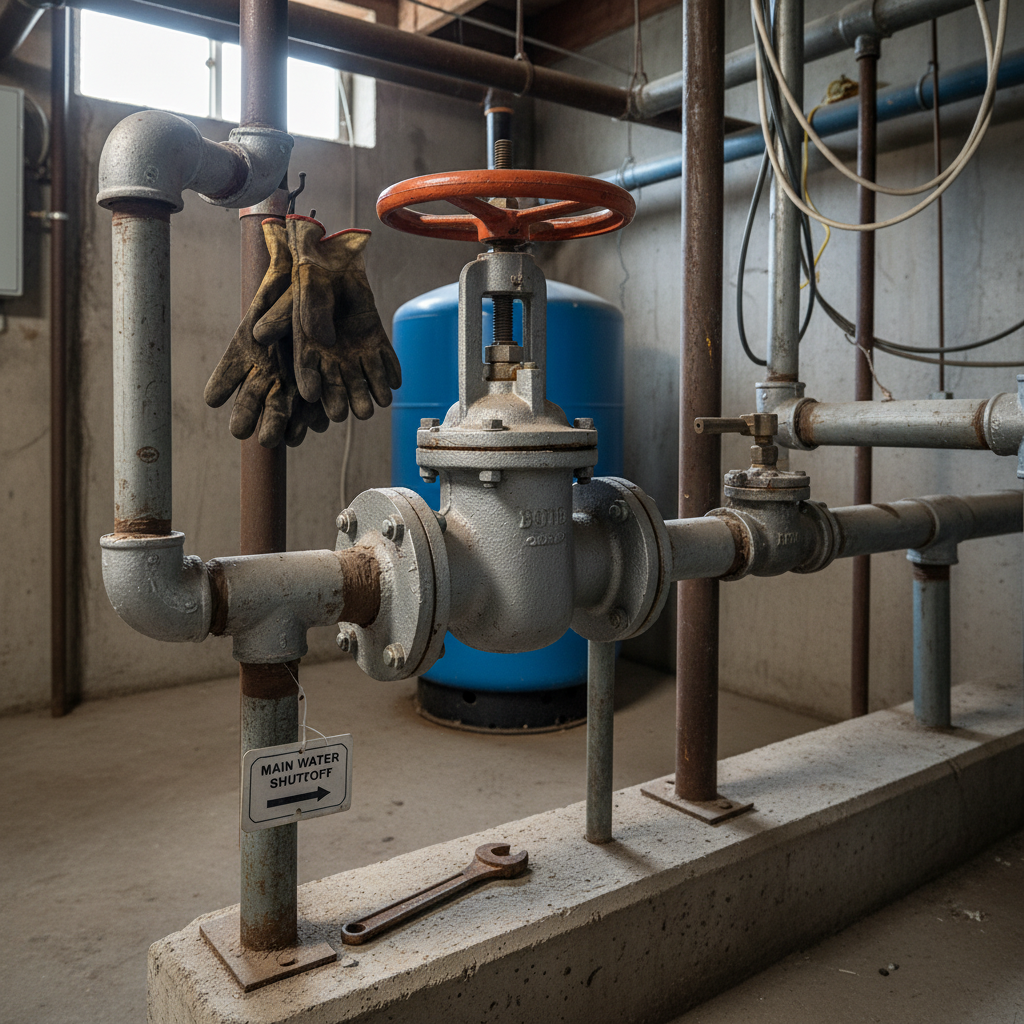
While some designs are versatile, orientation is critical. For Y-type strainers, the "leg" containing the screen should typically point downward to allow debris to collect by gravity. For basket strainers, vertical installation is common. Always refer to the flow direction arrow on the valve body to ensure correct installation and optimal filtration performance.

Conclusion

The integration of a high-performance flanged strainer is a fundamental requirement for any industrial system seeking to optimize reliability and efficiency. By serving as a critical barrier against particulate contamination, these devices protect expensive downstream assets, reduce energy consumption, and minimize the risk of unplanned operational shutdowns. From the selection of metallurgy to the precision of the mesh design, every engineering detail contributes to a safer and more sustainable fluid management infrastructure.

Looking forward, the shift toward smart filtration and self-cleaning technologies will further redefine the role of these components in the era of Industry 4.0. For engineers and facility managers, investing in premium filtration today is the most cost-effective strategy for ensuring long-term system health and operational continuity. We invite you to enhance your system's protection and efficiency by exploring our professional range of fluid control solutions. Visit our website: www.strmachinery.com

Richard Harrison

Richard Harrison

Richard Harrison is a seasoned Quality Control Engineer at Storaen (Cangzhou) International Trading Co., with over 15 years of experience in the industrial manufacturing sector. He specializes in ensuring the precision and reliability of cast iron welding platforms and gauging tools. Richard is instrumental in implementing and overseeing stringent quality
Previous Industrial Flanged Y Strainer for High Efficiency Filtration
Next Industrial Cast Iron Y Strainer for Efficient Piping Filtration
en_USEnglish