

Mar . 17, 2026 01:45 Back to list
Exploring the Accuracy and Applications of a High Precision Spirit Level
Understanding the Precision of a High Precision Spirit Level
In industries ranging from construction and engineering to woodworking and surveying, accuracy is paramount. A high precision spirit level is an indispensable tool, ensuring surfaces are perfectly horizontal or vertical. This article will explore the features, benefits, applications, and considerations when selecting a high precision spirit level, helping you choose the right tool for your specific needs. We'll delve into the technology behind these instruments and why investing in quality matters.
What Makes a Spirit Level 'High Precision'?
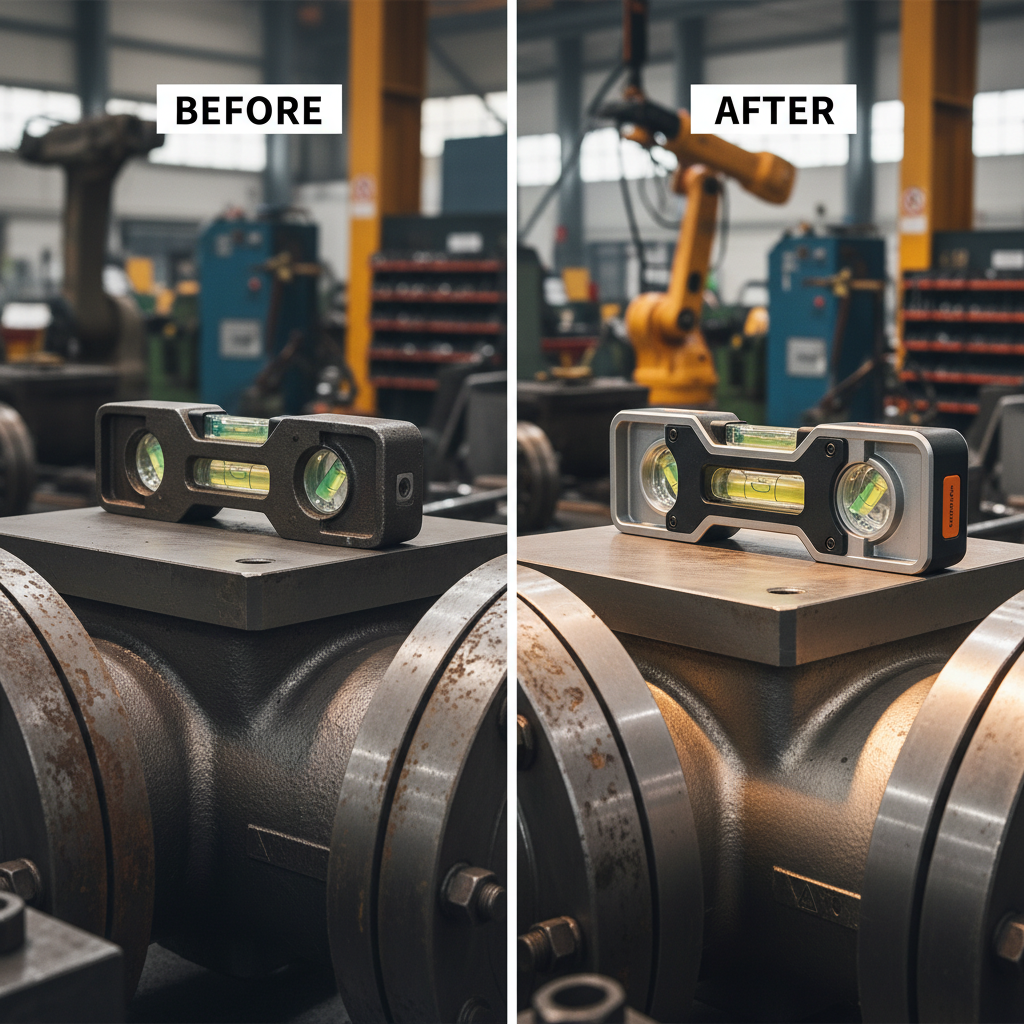
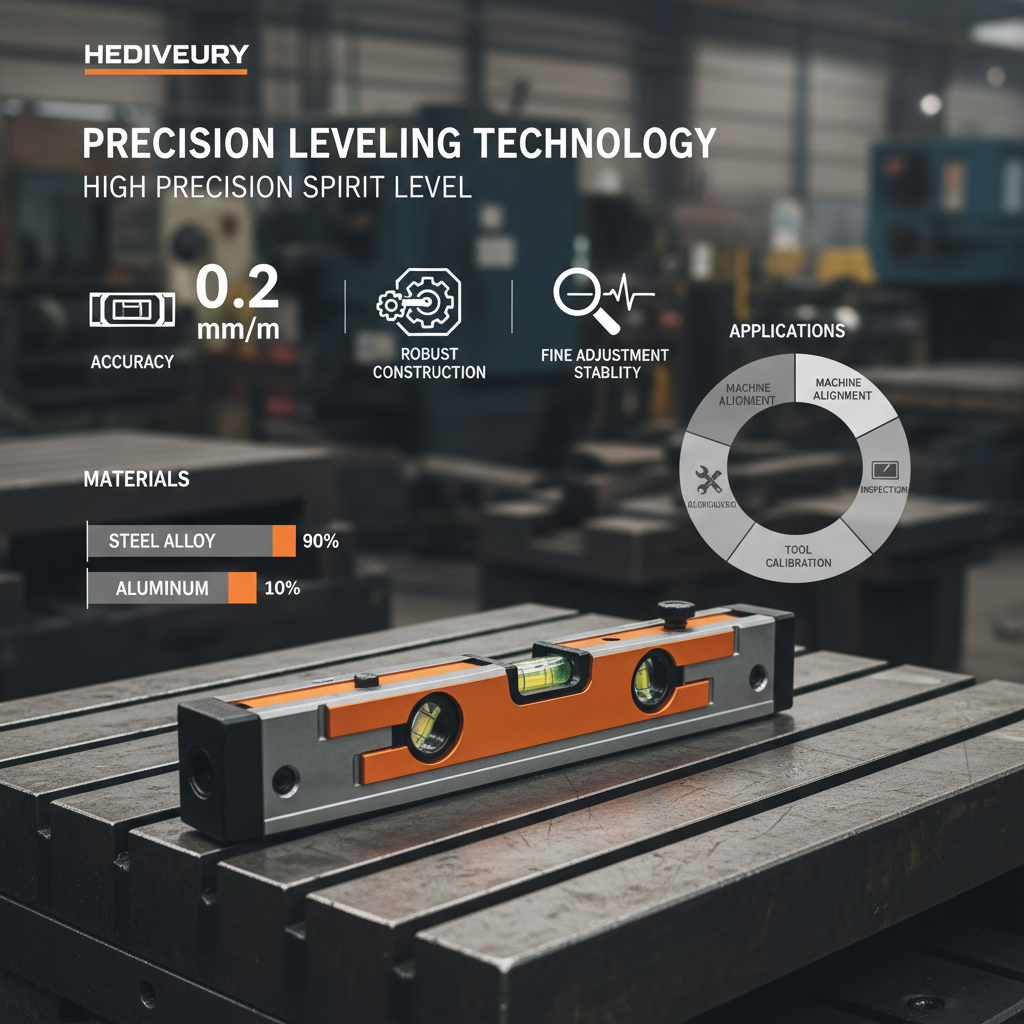
The defining characteristic of a high precision spirit level lies in its accuracy – typically measured in millimeters per meter (mm/m). Standard spirit levels often offer accuracy around 0.5 mm/m, whereas high precision levels can achieve accuracies of 0.1 mm/m or even better. This enhanced accuracy is achieved through several key features including high-quality vials, precision-machined bases, and meticulous calibration. These levels frequently incorporate features like shock absorption and temperature compensation to maintain accuracy in varying conditions. Understanding these intricacies is vital for selecting the best tool for demanding applications.
Key Highlights: High precision spirit levels offer accuracies of 0.1 mm/m or better, utilizing high-quality vials, precision-machined bases, and meticulous calibration.
Types of High Precision Spirit Levels
High precision spirit levels come in various types, each suited for specific tasks. Post levels are commonly used for precise alignment of posts and beams. Box levels (also known as I-beam levels) are versatile and popular for general construction and layout work. Digital levels offer the added benefit of a digital readout, simplifying readings and often providing features like angle conversion and memory. Choosing the right type depends on the application, the required accuracy, and personal preference. Consider the size and weight of the level as well, particularly for extended use.
Spirit Level Types:
• Post Levels: Ideal for aligning posts and beams.
• Box Levels: Versatile for general construction and layout.
• Digital Levels: Offer digital readouts and advanced features.
Comparing High Precision Spirit Levels: Key Features & Specifications
Selecting the appropriate high precision spirit level involves comparing key features and specifications. Accuracy, as discussed, is critical. The material of the base (aluminum, cast iron) impacts stability and durability. Vial quality – the glass and fluid used – significantly affects readability and accuracy. Digital levels introduce features like backlight, angle hold, and calibration options. Here's a comparative overview:
Applications Across Industries
The demand for high precision spirit levels spans numerous sectors. In construction, they are essential for ensuring the accurate leveling of foundations, walls, and floors. Surveyors rely on them for precise elevation measurements. Woodworkers use them for crafting furniture and ensuring accurate cuts. Machinists and engineers require them for aligning and calibrating equipment. Even in DIY projects, a high precision spirit level can make a significant difference in the quality of the final result.
Maintaining Accuracy and Calibration
Maintaining the accuracy of a high precision spirit level is crucial for reliable results. Avoid dropping or subjecting the level to strong shocks. Store it in a protective case when not in use. Regularly check the calibration – some digital levels have self-calibration features. If the level consistently reads inaccurately, professional calibration is recommended. Proper care and maintenance will ensure the longevity and precision of your instrument.
Conclusion: Investing in Precision
Investing in a high precision spirit level is a sound investment for professionals and serious DIY enthusiasts alike. The accuracy and reliability these instruments provide translate into higher quality work, reduced errors, and increased efficiency. By understanding the different types, features, and maintenance requirements, you can choose the perfect level for your specific needs.
Frequently Asked Questions (FAQs)
What is the typical accuracy range for high precision spirit levels?
High precision spirit levels typically offer accuracies ranging from 0.05 mm/m to 0.5 mm/m, depending on the model and features. This is significantly more accurate than standard spirit levels, which often have an accuracy of around 0.5 mm/m. The accuracy is usually stated in the product specifications and is a crucial factor to consider when selecting a level for a specific application. Factors like vial quality, base material, and calibration methods all contribute to the overall accuracy.
How often should a high precision spirit level be calibrated?
The frequency of calibration depends on the level’s usage and the criticality of accuracy in your applications. Generally, it's recommended to calibrate a high precision spirit level at least once a year, or more frequently if it's subjected to rough handling or significant temperature fluctuations. If you notice any inconsistencies in readings, it’s a clear sign that calibration is needed. Professional calibration services are available to ensure optimal accuracy.
What is the difference between a digital and a traditional spirit level?
The primary difference lies in the readout method. Traditional spirit levels use vials filled with liquid to indicate level, while digital levels display angle readings on a digital screen. Digital levels often offer additional features like angle conversion, memory functions, and backlight illumination. While traditional levels are more robust and don't require batteries, digital levels provide more precise and easier-to-read results, especially in challenging lighting conditions.
-
Ultimate Guide to Using a Professional Metre Spirit LevelNewsApr.16,2026
-
Ultimate Guide to Using and Choosing a Meter Spirit LevelNewsApr.09,2026
-
A Comprehensive Guide to Selecting the Ideal Meter Long Spirit Level for Accurate MeasurementsNewsApr.07,2026
-
Choosing the Perfect Metal Spirit Level for Accurate Measurements and ProjectsNewsApr.04,2026
-
Exploring the Diverse Levels of Spirits Quality and Production TechniquesNewsMar.31,2026
-
Understanding the Precision of a Level Spirit Level for Accurate MeasurementsNewsMar.28,2026
 Afrikaans
 Albanian
 Amharic
 Arabic
 Armenian
 Azerbaijani
 Basque
 Belarusian
 Bengali
 Bosnian
 Bulgarian
 Catalan
 Cebuano
 Corsican
 Croatian
 Czech
Czech
 Danish
 Dutch
Dutch
 Esperanto
 Estonian
 Finnish
 French
 Frisian
 Galician
 Georgian
 German
 Greek
Greek
 Gujarati
 Haitian Creole
 Hausa
Hausa
 Hawaiian
 Hebrew
 Hindi
Hindi
 Miao
Miao
 Hungarian
 Icelandic
 Igbo
Igbo
 Indonesian
 Irish
Irish
 Italian
 Japanese
 Javanese
 Kannada
 Kazakh
 Khmer
Khmer
 Rwandese
 Korean
 Kurdish
 Kyrgyz
 Lao
Lao
 Latin
Latin
 Latvian
 Lithuanian
 Luxembourgish
 Macedonian
 Malgashi
 Malay
Malay
 Malayalam
 Maltese
 Maori
Maori
 Marathi
 Mongolian
 Myanmar
 Nepali
 Norwegian
 Norwegian
 Occitan
 Pashto
 Persian
 Polish
 Portuguese
 Punjabi
 Romanian
 Russian
 Samoan
 Scottish Gaelic
 Serbian
 Sesotho
 Shona
Shona
 Sindhi
 Sinhala
 Slovak
 Slovenian
 Somali
 Spanish
 Sundanese
 Swahili
 Swedish
 Tagalog
 Tajik
Tajik
 Tamil
Tamil
 Tatar
Tatar
 Telugu
 Thai
Thai
 Turkish
 Turkmen
 Ukrainian
 Urdu
Urdu
 Uighur
 Uzbek
Uzbek
 Vietnamese
 Welsh
Welsh
 Bantu
Bantu
 Yiddish
 Yoruba
 Zulu
Zulu
 English