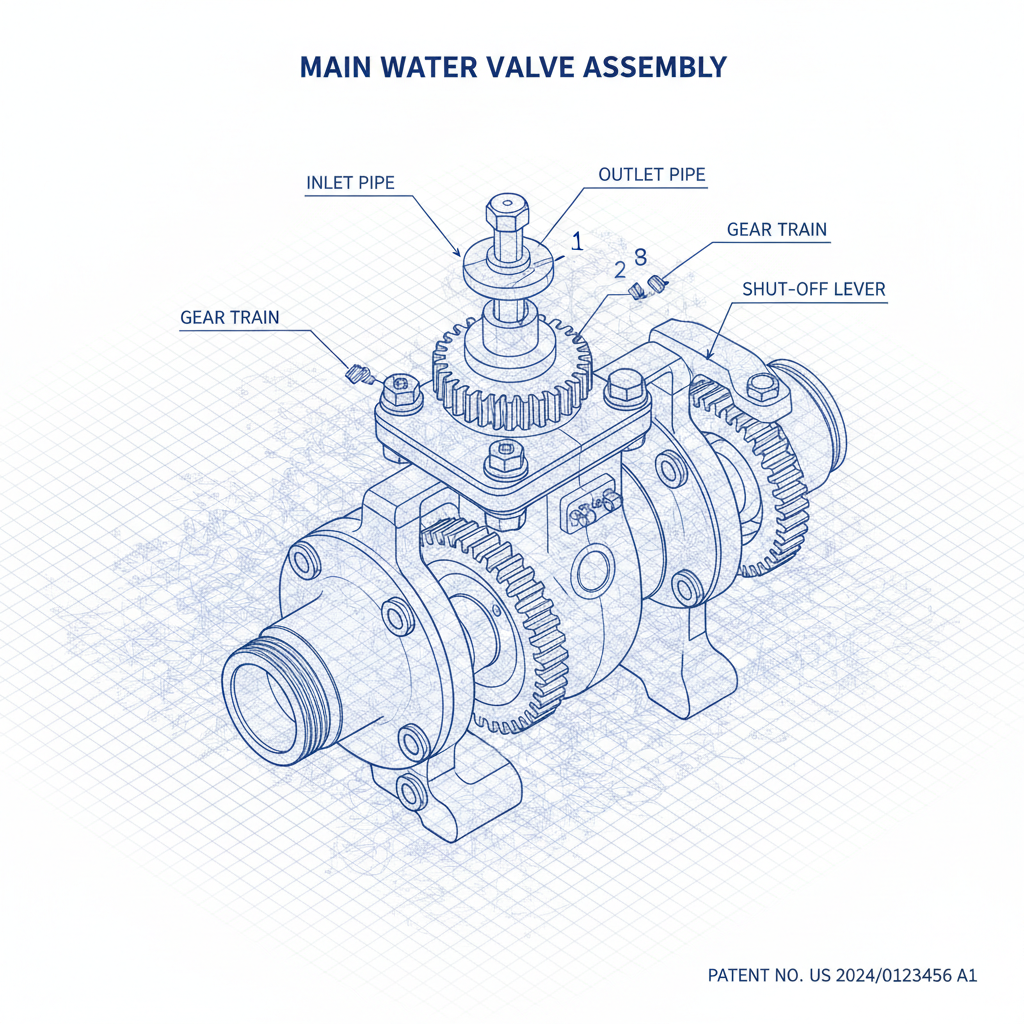
When a critical leak occurs in a residential or industrial plumbing system, the immediate priority is to isolate the water source to prevent catastrophic structural damage. Learning how to replace water shut off valve components is not just a maintenance task; it is a vital skill for ensuring the longevity of facility infrastructure and preventing costly water waste.
Across the globe, the degradation of valve seals and the corrosion of metal housings lead to millions of gallons of lost water annually. From aging municipal grids to high-precision manufacturing plants, the ability to efficiently replace water shut off valve systems ensures that operational downtime is minimized and safety protocols are strictly maintained.
Understanding the nuances of valve materials, threading, and seal integrity allows property managers and engineers to move from reactive repairs to proactive asset management. By mastering the process to replace water shut off valve units, users can guarantee a reliable flow control system that adheres to modern ISO standards of durability and environmental responsibility.


On a global scale, water scarcity and infrastructure decay have made the maintenance of flow-control systems a priority. The decision to replace water shut off valve assemblies often stems from the need to comply with updated building codes and ISO safety regulations, which aim to reduce non-revenue water (NRW) losses that plague many urban centers.
In industrial settings, a failing valve can lead to unplanned shutdowns, costing companies thousands of dollars per hour. By implementing a scheduled program to replace water shut off valve units before they reach total failure, manufacturers can maintain seamless production cycles and ensure the safety of their workforce.
You should consider replacement if you notice a slow drip around the valve handle, if the handle becomes difficult to turn (stiff), or if there is visible corrosion on the valve body. Additionally, if the valve fails to stop the water flow completely when turned off, it is a critical sign that you need to replace water shut off valve components immediately to avoid potential flooding.
While basic replacements are possible for experienced DIYers, we recommend professional installation for main line valves. Mistakes in sealing or over-tightening can lead to leaks inside walls, which are far more expensive to fix. A professional ensures that the replace water shut off valve process meets local building codes and is pressure-tested for safety.
For most residential use, high-quality brass is sufficient. However, for industrial environments or areas with saltwater exposure, 316 Stainless Steel is the gold standard. When you replace water shut off valve units, always match the material to the fluid being transported and the ambient environment to prevent galvanic corrosion.
A standard replacement usually takes between 1 to 3 hours, depending on the accessibility of the valve and the condition of the existing pipes. If the pipes are severely corroded or require significant cutting and re-fitting, the time may increase. Planning the replace water shut off valve task during low-usage hours is recommended.
Ball valves provide a quick 90-degree turn and are generally more reliable for tight shut-offs, making them ideal when you replace water shut off valve units in residential settings. Gate valves are better for regulating flow in large industrial pipes but are more prone to leaking over time, often requiring more frequent replacement.
If the old valve was partially clogged with mineral deposits or was narrowed by corrosion, you will likely see an improvement in flow and pressure after you replace water shut off valve components. While a new valve doesn't "create" pressure, it removes restrictions, allowing the system to operate at its intended capacity.
The ability to effectively replace water shut off valve systems is a cornerstone of responsible infrastructure management. By focusing on material durability, precision installation, and proactive replacement schedules, facility managers can drastically reduce the risk of water damage and operational downtime. We have explored the global importance, the technical components, and the future innovations that make modern valve replacement a strategic asset for any industry.
As we move toward smarter, more sustainable cities, the integration of IoT and advanced alloys will continue to redefine fluid control. Whether you are managing a small residential property or a massive industrial plant, prioritizing the quality of your shut-off mechanisms is an investment in safety and sustainability. For professional-grade tools and expert guidance on your next project, visit our website: www.strmachinery.com

 Afrikaans
 Albanian
 Amharic
 Arabic
 Armenian
 Azerbaijani
 Basque
 Belarusian
 Bengali
 Bosnian
 Bulgarian
 Catalan
 Cebuano
 Corsican
 Croatian
 Czech
 Danish
 Dutch
 Esperanto
 Estonian
 Finnish
 French
 Frisian
 Galician
 Georgian
 German
 Greek
 Gujarati
 Haitian Creole
 Hausa
 Hawaiian
 Hebrew
 Hindi
 Miao
 Hungarian
 Icelandic
 Igbo
 Indonesian
 Irish
 Italian
 Japanese
 Javanese
 Kannada
 Kazakh
 Khmer
 Rwandese
 Korean
 Kurdish
 Kyrgyz
 Lao
 Latin
 Latvian
 Lithuanian
 Luxembourgish
 Macedonian
 Malgashi
 Malay
 Malayalam
 Maltese
 Maori
 Marathi
 Mongolian
 Myanmar
 Nepali
 Norwegian
 Norwegian
 Occitan
 Pashto
 Persian
 Polish
 Portuguese
 Punjabi
 Romanian
 Russian
 Samoan
 Scottish Gaelic
 Serbian
 Sesotho
 Shona
 Sindhi
 Sinhala
 Slovak
 Slovenian
 Somali
 Spanish
 Sundanese
 Swahili
 Swedish
 Tagalog
 Tajik
 Tamil
 Tatar
 Telugu
 Thai
 Turkish
 Turkmen
 Ukrainian
 Urdu
 Uighur
 Uzbek
 Vietnamese
 Welsh
 Bantu
 Yiddish
 Yoruba
 Zulu
 English