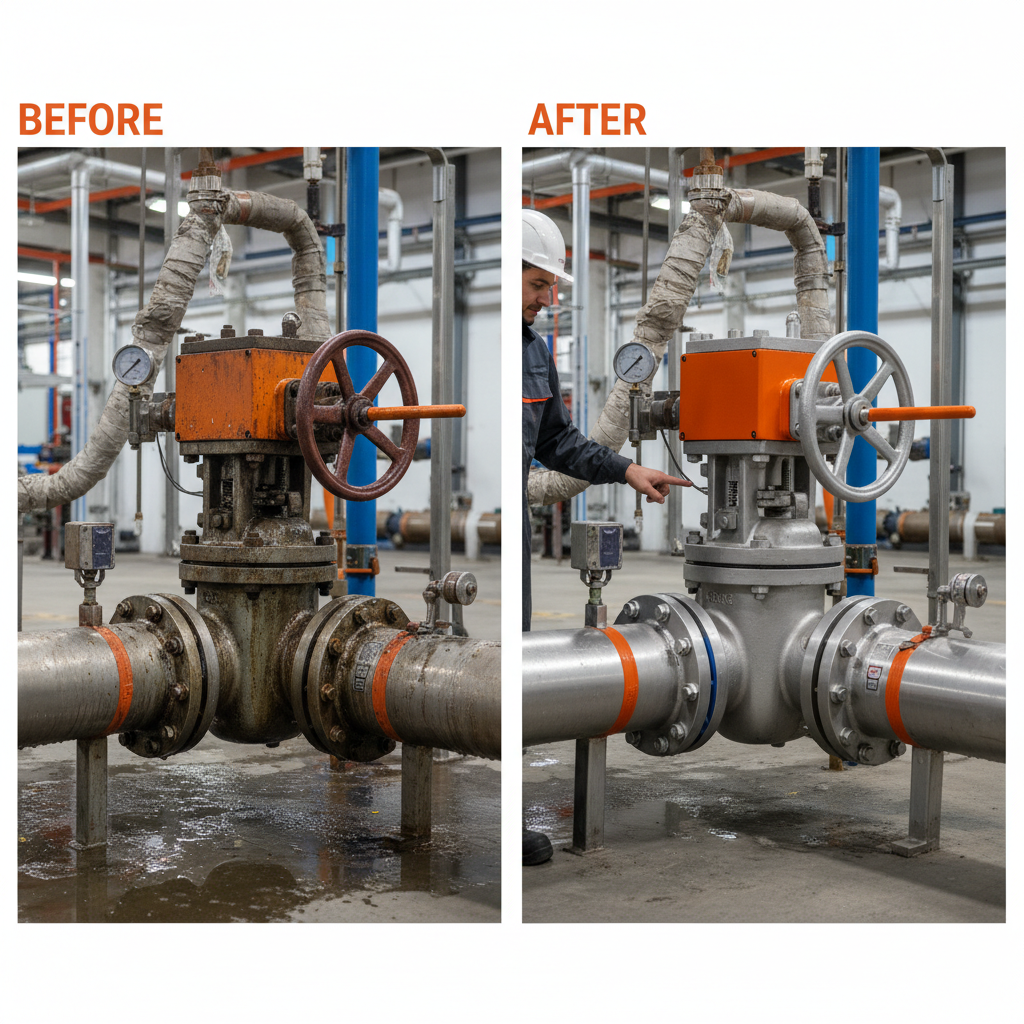
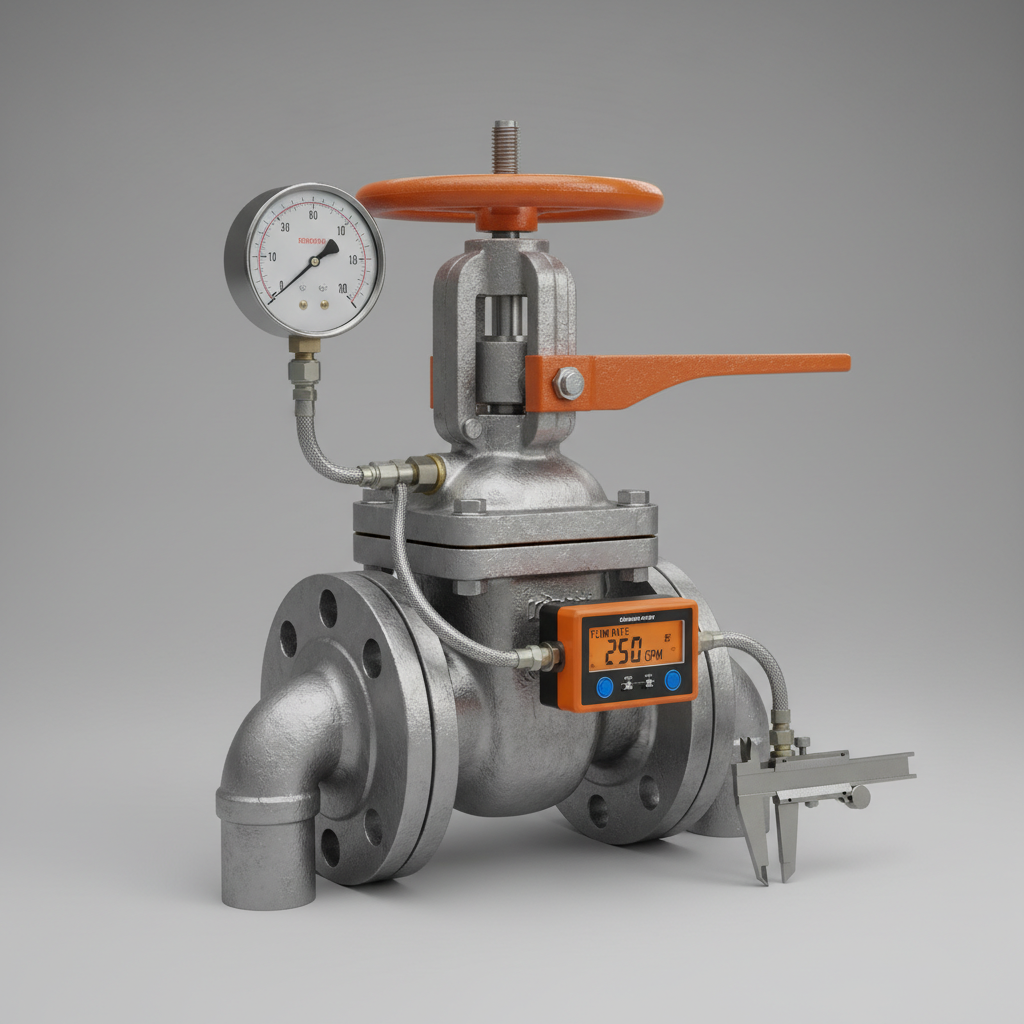
Understanding which way to turn off water valve is a fundamental skill that transcends simple home maintenance, acting as a critical first line of defense against catastrophic property damage. In both residential and heavy industrial settings, the ability to swiftly isolate a water source can mean the difference between a minor leak and a full-scale flood that compromises structural integrity and electrical safety.
Across the globe, the standardization of valve operation—typically following the "righty-tighty, lefty-loosey" rule—ensures that technicians and homeowners alike can react instinctively during emergencies. However, the diversity of valve types, from simple gate valves to complex ball valves and industrial butterfly valves, introduces nuances that require a professional understanding of mechanical rotation and torque application.
By mastering the logic of which way to turn off water valve, users not only protect their assets but also contribute to global water conservation efforts. Reducing the response time during a pipe burst prevents thousands of gallons of treated water from being wasted, aligning with ISO sustainability goals and environmental stewardship.


The primary answer to which way to turn off water valve follows the standard clockwise rotation. In the world of fasteners and fluid control, turning a handle to the right (clockwise) typically compresses the seal or lowers the gate to block the flow of water. This convention is globally recognized to ensure that in high-stress emergency situations, there is no ambiguity about how to stop a leak.
However, it is essential to distinguish between different handle shapes. For example, a circular wheel handle requires multiple full rotations clockwise to close, whereas a lever-style ball valve only requires a 90-degree turn. When the lever is perpendicular to the pipe, the flow is stopped; when it is parallel, the water is flowing.
In the vast majority of global standards, yes. Clockwise rotation (turning to the right) is the universal convention for closing a valve. However, always check for directional arrows on the valve body or handle, as some specialized industrial valves may have custom configurations.
A ball valve is closed when the handle is positioned perpendicular (at a 90-degree angle) to the pipe. If the handle is parallel to the pipe, the water is flowing. This visual cue makes ball valves much easier to verify than wheel-style valves.
Do not force the valve with extreme pressure, as you may snap the stem. Use a penetrating lubricant (like WD-40) and let it sit for several minutes. Gently try to turn it back and forth (left and right) to break any mineral buildup before attempting to close it clockwise again.
Yes, over-tightening can crush the internal seals or strip the threads, leading to permanent leaks. Once you feel firm resistance, stop turning. The goal is to create a seal, not to compress the metal components to their breaking point.
It is recommended to exercise your valves every six months. Turn the valve clockwise to close it and then back to open it. This prevents mineral deposits from "locking" the valve in place, ensuring it works when an actual emergency occurs.
While extremely rare in standard plumbing, some specialized custom-engineered industrial systems may use reverse-rotation valves for specific safety protocols. Always refer to the technical manual of the equipment or look for "Open/Close" labels on the valve body.
Mastering the knowledge of which way to turn off water valve is more than just a technical detail; it is a critical safety competency. From the simple "righty-tighty" rule to the complex requirements of industrial alloy valves, the ability to control fluid flow effectively prevents property loss, saves precious water resources, and ensures operational safety in any environment.
As we move toward an era of smart infrastructure and automated flow control, the fundamental principle of clockwise isolation remains the bedrock of manual override systems. We recommend regularly auditing your facility's valves and investing in high-quality tools to ensure that when the moment arrives, your response is swift, correct, and effective. Visit our website for professional tools and guidance: www.strmachinery.com

 Afrikaans
 Albanian
 Amharic
 Arabic
 Armenian
 Azerbaijani
 Basque
 Belarusian
 Bengali
 Bosnian
 Bulgarian
 Catalan
 Cebuano
 Corsican
 Croatian
 Czech
 Danish
 Dutch
 Esperanto
 Estonian
 Finnish
 French
 Frisian
 Galician
 Georgian
 German
 Greek
 Gujarati
 Haitian Creole
 Hausa
 Hawaiian
 Hebrew
 Hindi
 Miao
 Hungarian
 Icelandic
 Igbo
 Indonesian
 Irish
 Italian
 Japanese
 Javanese
 Kannada
 Kazakh
 Khmer
 Rwandese
 Korean
 Kurdish
 Kyrgyz
 Lao
 Latin
 Latvian
 Lithuanian
 Luxembourgish
 Macedonian
 Malgashi
 Malay
 Malayalam
 Maltese
 Maori
 Marathi
 Mongolian
 Myanmar
 Nepali
 Norwegian
 Norwegian
 Occitan
 Pashto
 Persian
 Polish
 Portuguese
 Punjabi
 Romanian
 Russian
 Samoan
 Scottish Gaelic
 Serbian
 Sesotho
 Shona
 Sindhi
 Sinhala
 Slovak
 Slovenian
 Somali
 Spanish
 Sundanese
 Swahili
 Swedish
 Tagalog
 Tajik
 Tamil
 Tatar
 Telugu
 Thai
 Turkish
 Turkmen
 Ukrainian
 Urdu
 Uighur
 Uzbek
 Vietnamese
 Welsh
 Bantu
 Yiddish
 Yoruba
 Zulu
 English