

Sep . 19, 2025 10:20 Back to list
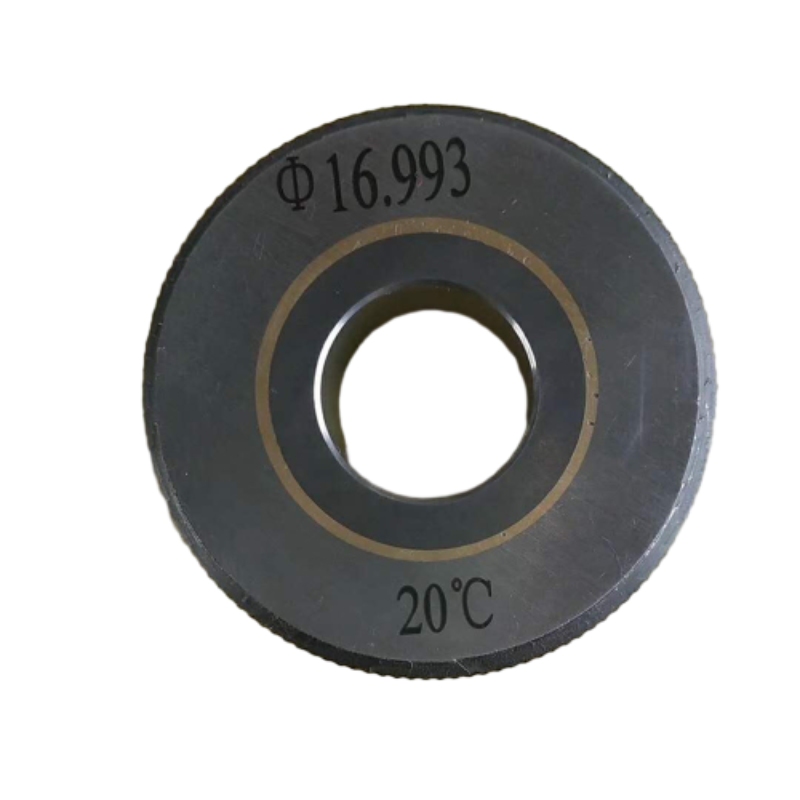
High-Quality Plain Ring Gauges for Precision Inspection
Introduction to Precision Measurement: Plain Ring Gauges
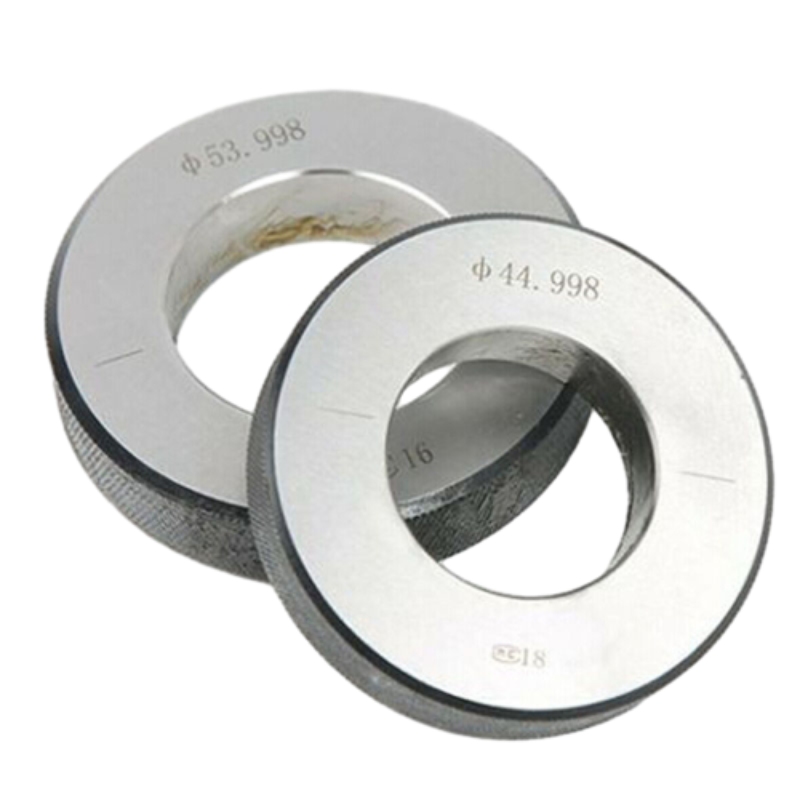
In industrial metrology, precision and reliability are paramount. Among the foundational tools for dimensional inspection, plain ring gauges stand out as indispensable instruments for verifying external diameters. These robust gauges provide a quick, unambiguous Go/No-Go assessment, ensuring component interoperability and consistent manufacturing quality. Essential across diverse sectors, their application ensures adherence to tight tolerances, mitigating risks associated with non-conforming parts and costly production delays. This article delves into the critical aspects of these gauges, from their intricate manufacturing processes to their strategic deployment in high-stakes B2B environments.
The demand for ever-increasing precision in manufacturing drives the evolution of metrology tools. As components become more complex and tolerances shrink to micrometers, the role of reliable gauging solutions like plain ring gauges becomes even more pronounced. They serve as a fundamental reference, guaranteeing that produced parts meet specified dimensions without requiring complex measurement setups, making them ideal for shop-floor verification and quality control checkpoints.
The Manufacturing Process of Plain Ring Gauges
The creation of high-precision plain ring gauges is a meticulous process, demanding exceptional control over material science, machining, and finishing. This multi-stage procedure ensures the final product meets stringent international standards for accuracy and durability.
1. Material Selection
The foundation of a durable gauge is its material. Typically, high-grade tool steels such as O1, D2, or M2 are chosen for their excellent wear resistance and dimensional stability after heat treatment. For applications requiring extreme hardness and corrosion resistance, specialized alloy steels or ceramics (e.g., Zirconia, Silicon Nitride) are employed. Material selection is critical for achieving a long service life, especially in abrasive or corrosive industrial environments like petrochemical processing or metallurgy.
2. Blank Preparation & Rough Machining
Selected material is cut into blanks, often through precision sawing. These blanks then undergo rough machining, typically via CNC turning or milling, to form the approximate external and internal dimensions. This stage removes bulk material efficiently, preparing the blank for subsequent precision processes.
3. Heat Treatment
This crucial step involves hardening and tempering. The steel blanks are heated to specific temperatures (austenite phase), then rapidly quenched, and subsequently tempered to achieve the desired Rockwell hardness (typically 60-64 HRC for steel gauges) and toughness. This enhances wear resistance and maintains dimensional stability over time, significantly extending the service life of the gauge.
4. Finish Grinding & Lapping
Post-heat treatment, the gauges undergo precision grinding, including internal diameter (ID) and external diameter (OD) grinding, to achieve near-final dimensions and geometry. The final critical step is lapping, an abrasive machining process that refines the internal diameter to micrometer-level accuracy and imparts a mirror-like surface finish (often 0.2 µm Ra or better). This ensures minimal friction and maximum wear resistance during usage.
5. Final Inspection & Calibration
Each plain ring gauge undergoes rigorous final inspection. This involves using master gauges, interferometers, or highly accurate Coordinate Measuring Machines (CMMs) to verify adherence to standards such as ISO 1938-1, ANSI B47.1, or ASME B89.1.5. Gauges are often supplied with a certificate of calibration, demonstrating traceability to national and international standards. This stringent quality control guarantees performance, critical for industries like water supply & drainage and petrochemicals where precise fits prevent leakage and ensure system integrity.
Industry Trends and Future Outlook for Ring Gauges
The metrology landscape is constantly evolving, driven by demands for higher precision, efficiency, and integration. For plain ring gauges and related instruments like plug and ring gauges, several key trends are shaping their future:
- Miniaturization and Ultra-Precision: As industries like medical devices, microelectronics, and aerospace push the boundaries of miniaturization, the demand for gauges with tolerances in the sub-micron range is increasing. This necessitates advanced manufacturing techniques and materials.
- Integration with Digital Metrology: While mechanical gauges offer simplicity, their integration with digital systems for data logging, statistical process control (SPC), and automated inspection is growing. Smart gauging solutions that incorporate sensors or digital interfaces are emerging.
- Advanced Materials and Coatings: Beyond traditional tool steels, the use of ceramics, tungsten carbide, and advanced coatings (e.g., hard chrome, PVD/CVD coatings) is expanding to enhance wear resistance, corrosion protection, and extend gauge life, particularly in harsh production environments.
- Traceability and Calibration Automation: With increasing regulatory scrutiny (e.g., ISO 9001, AS9100), automated calibration routines and enhanced digital traceability for all measurement tools, including plug and ring gauges, are becoming standard practice.
- Sustainability in Manufacturing: Efforts to reduce material waste, energy consumption, and extend product lifecycles through re-lapping and refurbishment services are gaining traction.
These trends underscore a continuous pursuit of higher accuracy, greater efficiency, and more robust solutions for dimensional inspection, ensuring that tools like ring gauges for sale continue to be vital components of quality assurance programs globally.
Technical Specifications and Parameters
Understanding the technical specifications of plain ring gauges is crucial for B2B decision-makers to select the appropriate tool for their application. These parameters define the gauge's accuracy, durability, and suitability for specific environments.
Typical Product Specifications: Ring Gauge
These specifications underscore the precision engineering required for each gauge. For instance, the specified hardness directly correlates with the gauge's service life, reducing the frequency of replacement and recalibration, which translates into operational savings and improved uptime for production lines.
Application Scenarios and Technical Advantages
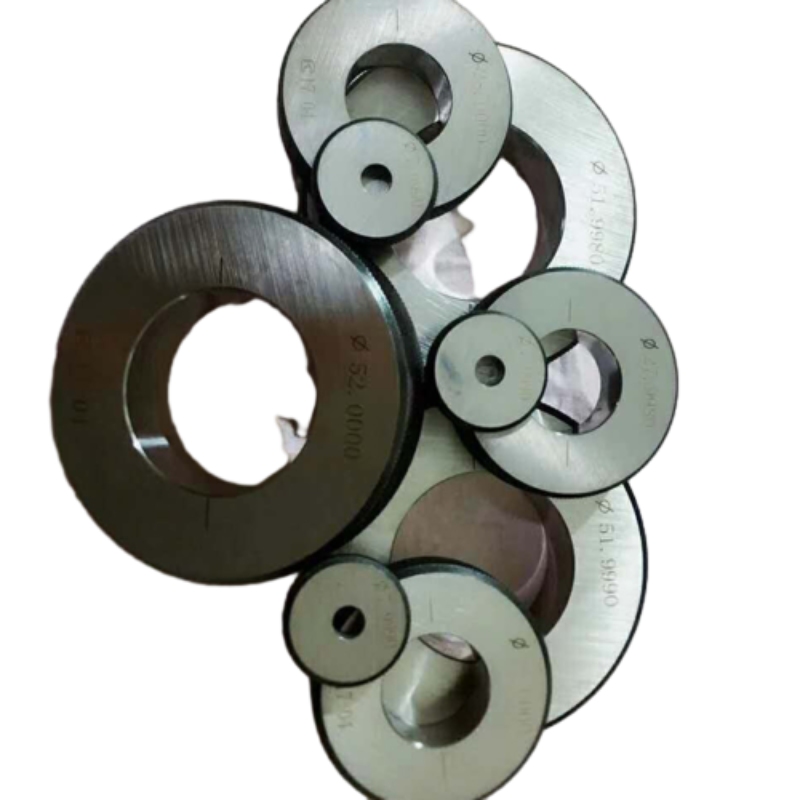
Plain ring gauges are used to check the outer diameter of cylindrical parts across a multitude of industries where dimensional accuracy is non-negotiable. Their inherent simplicity masks a powerful capability in quality control.
Key Application Scenarios:
- Automotive Manufacturing: Verifying shaft diameters, pin dimensions, and component fits for engines, transmissions, and chassis parts. Ensures seamless assembly and optimal performance.
- Aerospace Industry: Critical for inspecting turbine components, landing gear pins, and structural elements where precise fitment is vital for safety and operational integrity.
- Medical Device Manufacturing: Ensuring accurate dimensions for implants, surgical instruments, and prosthetic components where exact tolerances are critical for patient safety and device function.
- Heavy Machinery & Metallurgy: Checking shafting, pins, and bearing races in harsh environments. The robust nature of these gauges makes them suitable for direct shop floor use.
- Water Supply & Drainage / Petrochemical: Inspecting pipe fittings, valve components, and pump shafts where precise sealing and corrosion resistance are paramount to prevent leakage and ensure system reliability.
- General Manufacturing: Incoming material inspection, in-process quality checks, and final product verification for a vast array of cylindrical parts.
Technical Advantages:
- Unambiguous Go/No-Go Indication: Provides instant, clear feedback, significantly reducing inspection time and operator error compared to complex measurement instruments.
- Robustness and Durability: Engineered to withstand harsh industrial environments, offering reliable performance even in conditions with vibrations, contaminants, or temperature fluctuations.
- Cost-Effectiveness: For high-volume production, their initial cost is often lower than advanced electronic gauging systems, and their passive nature means no power or complex maintenance.
- Minimal Training Required: Operators can be quickly trained to use them effectively, reducing the need for highly specialized metrology personnel for routine checks.
- Energy Saving: As purely mechanical devices, they consume no energy during operation, contributing to greener manufacturing processes.
- Corrosion Resistance (with specific materials/coatings): When specified with suitable materials or coatings, they excel in challenging environments, preventing degradation and ensuring long-term accuracy.
Vendor Comparison and Customized Solutions
When considering ring gauges for sale, selecting the right vendor is as critical as choosing the right gauge. A comprehensive comparison reveals nuances in quality, service, and capability.
Key Differentiators in Vendor Comparison:
Customized Solutions:
Many industries require gauges that deviate from standard specifications. Leading manufacturers offer comprehensive customization services, which are vital for addressing unique B2B challenges:
- Special Dimensions & Tolerances: Engineering gauges for non-standard diameters or extremely tight tolerances (e.g., beyond Class XX).
- Unique Geometries: Custom designs for checking taper, spline, or other complex external features, often incorporating elements of both plug and ring gauges principles.
- Material & Coating Optimization: Selecting materials like Zirconia for high chemical resistance or applying diamond-like carbon (DLC) coatings for ultimate wear resistance in specific applications.
- Integrated Solutions: Designing gauges for use in automated inspection cells, potentially with features for robotic handling or data capture interfaces.
- Environmental Adaptations: Gauges optimized for use in extreme temperatures, high humidity, or sterile environments (e.g., medical cleanrooms).
Partnering with a vendor capable of providing these customized solutions ensures that even the most niche or challenging metrology requirements are met with precision and reliability, contributing significantly to product quality and operational efficiency.
Application Case Studies
Real-world applications demonstrate the tangible benefits of integrating high-quality plain ring gauges into manufacturing and quality control processes.
Case Study 1: Automotive Powertrain Component Manufacturer
A tier-one supplier of engine shafts faced challenges with inconsistent fitment during assembly, leading to significant rework and scrap rates. Their existing inspection methods involved digital calipers, which introduced operator variability and were too slow for high-volume production. By implementing a suite of Go/No-Go plain ring gauges, calibrated to ASME B89.1.5 Class X standards, at critical stages of their machining lines, the manufacturer achieved a:
- 30% Reduction in Assembly Rework: Non-conforming shafts were identified immediately after machining, preventing them from moving further down the production line.
- 15% Decrease in Scrap Material: Early detection of defects allowed for process adjustments before large batches of parts were produced out of tolerance.
- 20% Improvement in Inspection Throughput: The quick Go/No-Go check drastically sped up verification compared to digital tools.
This directly translated into substantial cost savings and improved delivery timelines.
Case Study 2: Medical Device Manufacturer - Orthopedic Implants
A manufacturer of titanium orthopedic bone screws required absolute precision to ensure biocompatibility and reliable performance. The mating surface diameter of these screws required verification within extremely tight tolerances (e.g., ±2 microns). Using specialized ceramic plain ring gauges, known for their superior hardness, wear resistance, and non-contaminating properties, they were able to:
- Achieve Zero Recalls Due to Dimensional Errors: The high-precision gauges provided consistent, trustworthy verification.
- Extend Gauge Calibration Cycles by 2X: The extreme wear resistance of ceramic reduced the frequency of recalibration, minimizing downtime.
- Maintain FDA Compliance: Documented calibration and usage data from the gauges provided robust evidence for regulatory audits.
This case highlights how material selection and superior gauge quality directly impact product safety and regulatory compliance in critical applications.
Trustworthiness and Support: Our Commitment
At STR Machinery, our commitment extends beyond manufacturing high-quality plain ring gauges. We prioritize transparent processes, reliable support, and customer satisfaction to build lasting partnerships in the B2B sector.
Frequently Asked Questions (FAQ):
A1: A plain ring gauge is a fixed limit gauge used to check the external diameter (OD) of a cylindrical part. It provides a quick Go/No-Go assessment to determine if the part is within specified tolerance limits.
A2: Calibration frequency depends on usage intensity, material, and required accuracy. Typically, gauges should be calibrated every 6 to 12 months, or immediately if signs of wear or damage are observed. We recommend adhering to your internal quality control procedures and manufacturer guidelines.
A3: We offer standard tool steels (e.g., D2, O1) for general applications, chrome steel for enhanced wear and corrosion resistance, and ceramic materials (Zirconia) for extreme hardness, non-magnetic properties, and chemical resistance. Custom material requests are also accommodated.
A4: Absolutely. Our engineering team specializes in designing and manufacturing custom plain ring gauges to meet unique dimensions, complex tolerances, or specific material requirements. Please contact us with your specifications.
Lead Time & Fulfillment:
We understand the critical nature of lead times in B2B operations. Our standard plain ring gauges are typically shipped within 1-2 weeks for common sizes. Custom orders generally require 3-5 weeks, depending on complexity and material availability. We maintain robust inventory levels for popular gauges and employ agile manufacturing processes to expedite urgent requests. All shipments are meticulously packaged to ensure safe arrival.
Warranty & After-Sales Support:
STR Machinery provides a 12-month warranty against manufacturing defects for all our plain ring gauges. This warranty reflects our confidence in the quality and craftsmanship of our products. Beyond the warranty period, we offer comprehensive after-sales support including:
- Calibration Services: Our accredited metrology lab provides traceable calibration services to ensure continued accuracy.
- Re-lapping & Refurbishment: For gauges showing minor wear, we offer re-lapping services to restore their original precision, extending their service life and providing a cost-effective alternative to replacement.
- Technical Assistance: Our team of metrology experts is available to provide guidance on gauge selection, application, and troubleshooting.
We are dedicated to ensuring your long-term success with our precision gauging solutions.
Authoritative References
- ISO 1938-1:2015 Geometrical product specifications (GPS) — Dimensional measuring equipment — Part 1: Plain limit gauges — Inspection by measurement of size and geometrical limits.
- ASME B89.1.5-2016 Gages - Plain Plug and Ring.
- National Institute of Standards and Technology (NIST). Precision Measurement of Gage Blocks.
- Manufacturing Engineering Magazine. "The Role of Gage Design in Advanced Manufacturing." Society of Manufacturing Engineers.
-
Ultimate Guide to Using a Professional Metre Spirit LevelNewsApr.16,2026
-
Ultimate Guide to Using and Choosing a Meter Spirit LevelNewsApr.09,2026
-
A Comprehensive Guide to Selecting the Ideal Meter Long Spirit Level for Accurate MeasurementsNewsApr.07,2026
-
Choosing the Perfect Metal Spirit Level for Accurate Measurements and ProjectsNewsApr.04,2026
-
Exploring the Diverse Levels of Spirits Quality and Production TechniquesNewsMar.31,2026
-
Understanding the Precision of a Level Spirit Level for Accurate MeasurementsNewsMar.28,2026
 Afrikaans
 Albanian
 Amharic
 Arabic
 Armenian
 Azerbaijani
 Basque
 Belarusian
 Bengali
 Bosnian
 Bulgarian
 Catalan
 Cebuano
 Corsican
 Croatian
 Czech
Czech
 Danish
 Dutch
Dutch
 Esperanto
 Estonian
 Finnish
 French
 Frisian
 Galician
 Georgian
 German
 Greek
Greek
 Gujarati
 Haitian Creole
 Hausa
Hausa
 Hawaiian
 Hebrew
 Hindi
Hindi
 Miao
Miao
 Hungarian
 Icelandic
 Igbo
Igbo
 Indonesian
 Irish
Irish
 Italian
 Japanese
 Javanese
 Kannada
 Kazakh
 Khmer
Khmer
 Rwandese
 Korean
 Kurdish
 Kyrgyz
 Lao
Lao
 Latin
Latin
 Latvian
 Lithuanian
 Luxembourgish
 Macedonian
 Malgashi
 Malay
Malay
 Malayalam
 Maltese
 Maori
Maori
 Marathi
 Mongolian
 Myanmar
 Nepali
 Norwegian
 Norwegian
 Occitan
 Pashto
 Persian
 Polish
 Portuguese
 Punjabi
 Romanian
 Russian
 Samoan
 Scottish Gaelic
 Serbian
 Sesotho
 Shona
Shona
 Sindhi
 Sinhala
 Slovak
 Slovenian
 Somali
 Spanish
 Sundanese
 Swahili
 Swedish
 Tagalog
 Tajik
Tajik
 Tamil
Tamil
 Tatar
Tatar
 Telugu
 Thai
Thai
 Turkish
 Turkmen
 Ukrainian
 Urdu
Urdu
 Uighur
 Uzbek
Uzbek
 Vietnamese
 Welsh
Welsh
 Bantu
Bantu
 Yiddish
 Yoruba
 Zulu
Zulu
 English