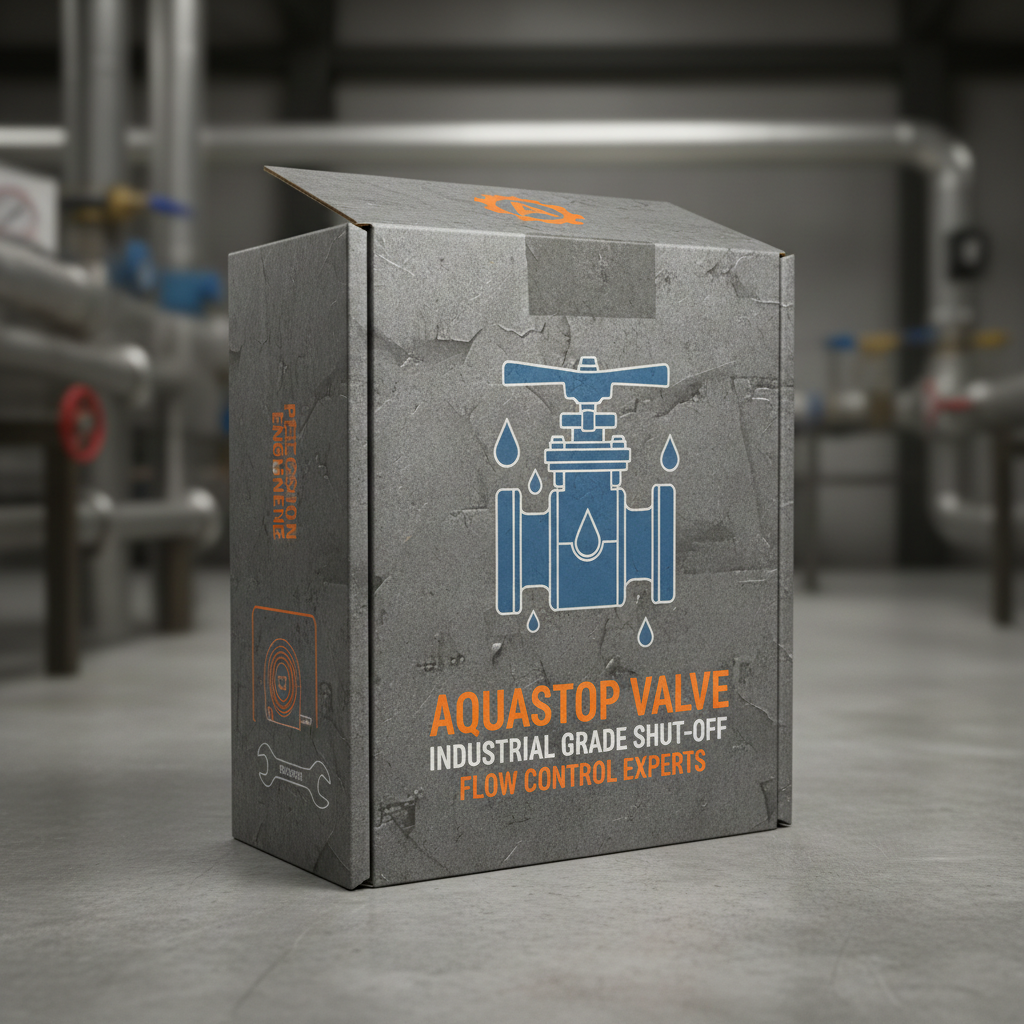
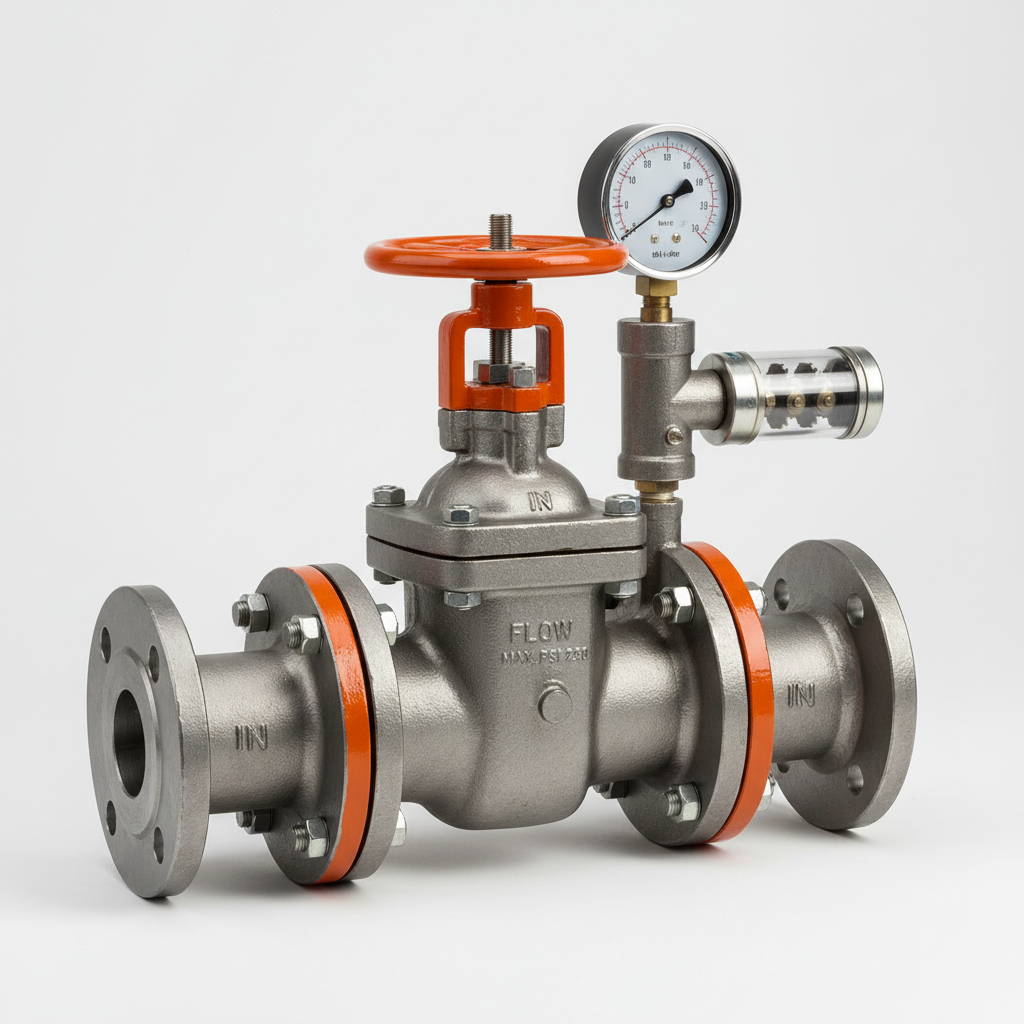
The global industrial landscape has seen a significant shift toward high-precision fluid control, and the demand for a reliable valve china has become central to this evolution. Whether in petrochemical plants, water treatment facilities, or power generation, the ability to regulate flow with absolute precision is not just a matter of efficiency, but of fundamental safety and operational integrity.
Understanding the nuances of sourcing a valve china involves more than comparing price points; it requires an analysis of metallurgical standards, pressure ratings, and the ability to meet ISO and ASME certifications. As industries push toward automation and smarter infrastructure, the role of high-quality valves in preventing leaks and optimizing throughput has never been more critical.
For engineers and procurement specialists, navigating the vast manufacturing capabilities of the East offers a strategic advantage in balancing cost-effectiveness with cutting-edge performance. By focusing on the synergy between material science and precision engineering, businesses can ensure their systems remain resilient under the most demanding industrial conditions.


The emergence of the valve china sector has fundamentally altered the global supply chain for fluid control components. By integrating advanced casting techniques with large-scale production capabilities, manufacturers have moved beyond simple assembly to high-end engineering, offering solutions that cater to extreme pressure and temperature environments.
This industrial growth is not merely about volume; it is about the adoption of rigorous quality management systems that align with international benchmarks. The ability to produce specialized alloy valves allows for greater customization, enabling industries to optimize their piping systems for specific chemical compositions or abrasive media.
The best way to ensure quality is to request a Factory Acceptance Test (FAT) report. This should include hydrostatic and pneumatic pressure tests, material mill certificates (MTRs), and third-party inspections by organizations like SGS or TUV. Ensuring the manufacturer follows ISO 9001 standards is also a baseline requirement for industrial reliability.
For highly corrosive media, look for a valve china made from Hastelloy, Monel, or Titanium. If the budget is tighter, Duplex stainless steel provides an excellent balance of strength and corrosion resistance. Always specify the exact chemical composition of your fluid to the engineer to ensure the correct alloy is selected.
Standard off-the-shelf valves can be shipped within 1-2 weeks. However, custom-engineered solutions—such as those requiring specialized alloys or specific actuator configurations—typically have a lead time of 6 to 12 weeks. This includes the casting process, precision machining, and rigorous pressure testing phases.
Yes, provided they are manufactured to specific international standards. Most high-end manufacturers produce valves according to ANSI/ASME (American) or DIN/EN (European) standards. Always verify the flange drilling and face-to-face dimensions in the technical drawing to ensure a perfect fit with your existing piping.
Soft-seated valves use polymers like PTFE for a tighter seal at lower temperatures, ideal for gas services. Hard-seated valves use metals (like Stellite) to withstand extreme temperatures and abrasive particles. Choosing the right seat for your valve china depends entirely on the temperature and purity of the media being transported.
IIoT-enabled valves allow for "condition-based monitoring." Instead of replacing a valve on a fixed schedule, sensors detect vibration or leakage in real-time. This prevents catastrophic failures and optimizes the maintenance budget by only servicing equipment when the data indicates a genuine need for intervention.
The selection and implementation of a high-quality valve china is a critical decision that impacts the safety, efficiency, and longevity of any industrial system. From the meticulous selection of metallurgical alloys to the integration of smart sensors for predictive maintenance, the focus has shifted from simple procurement to strategic engineering. By adhering to international standards and implementing rigorous quality control, companies can achieve a perfect balance of cost-efficiency and operational excellence.
Looking forward, the intersection of sustainable manufacturing and digital automation will continue to redefine fluid control. For organizations aiming to optimize their infrastructure, the key lies in partnering with manufacturers who prioritize transparency, certification, and innovation. Investing in precision-engineered valve solutions today is the most effective way to safeguard against tomorrow's operational risks. Visit our website for more information: www.strmachinery.com

 Afrikaans
 Albanian
 Amharic
 Arabic
 Armenian
 Azerbaijani
 Basque
 Belarusian
 Bengali
 Bosnian
 Bulgarian
 Catalan
 Cebuano
 Corsican
 Croatian
 Czech
 Danish
 Dutch
 Esperanto
 Estonian
 Finnish
 French
 Frisian
 Galician
 Georgian
 German
 Greek
 Gujarati
 Haitian Creole
 Hausa
 Hawaiian
 Hebrew
 Hindi
 Miao
 Hungarian
 Icelandic
 Igbo
 Indonesian
 Irish
 Italian
 Japanese
 Javanese
 Kannada
 Kazakh
 Khmer
 Rwandese
 Korean
 Kurdish
 Kyrgyz
 Lao
 Latin
 Latvian
 Lithuanian
 Luxembourgish
 Macedonian
 Malgashi
 Malay
 Malayalam
 Maltese
 Maori
 Marathi
 Mongolian
 Myanmar
 Nepali
 Norwegian
 Norwegian
 Occitan
 Pashto
 Persian
 Polish
 Portuguese
 Punjabi
 Romanian
 Russian
 Samoan
 Scottish Gaelic
 Serbian
 Sesotho
 Shona
 Sindhi
 Sinhala
 Slovak
 Slovenian
 Somali
 Spanish
 Sundanese
 Swahili
 Swedish
 Tagalog
 Tajik
 Tamil
 Tatar
 Telugu
 Thai
 Turkish
 Turkmen
 Ukrainian
 Urdu
 Uighur
 Uzbek
 Vietnamese
 Welsh
 Bantu
 Yiddish
 Yoruba
 Zulu
 English