Look, I’ve spent the last twenty years walking job sites, getting my hands dirty. And I’ll tell you one thing – a reliable water shutoff valve isn’t just a piece of plumbing, it’s the difference between a minor inconvenience and a full-blown disaster. We’re talking about protecting assets, keeping projects on schedule, and, frankly, avoiding massive headaches. It's about more than just stopping water; it's about safeguarding everything built around it. Understanding these valves, what makes them tick, and how to select the right one is absolutely critical, whether you're a seasoned engineer or a new apprentice.
The demand for robust water shutoff valves is only growing. Global infrastructure projects are booming, particularly in emerging economies, and the need for efficient water management is becoming increasingly urgent. According to the UN, billions still lack access to clean water and sanitation. That means more construction, more repair, and a greater reliance on components that can withstand harsh conditions. It's not about luxury; it's about basic functionality and preventing system failures. I've seen firsthand how a single failing valve can halt a multi-million dollar project, and believe me, those delays add up fast.
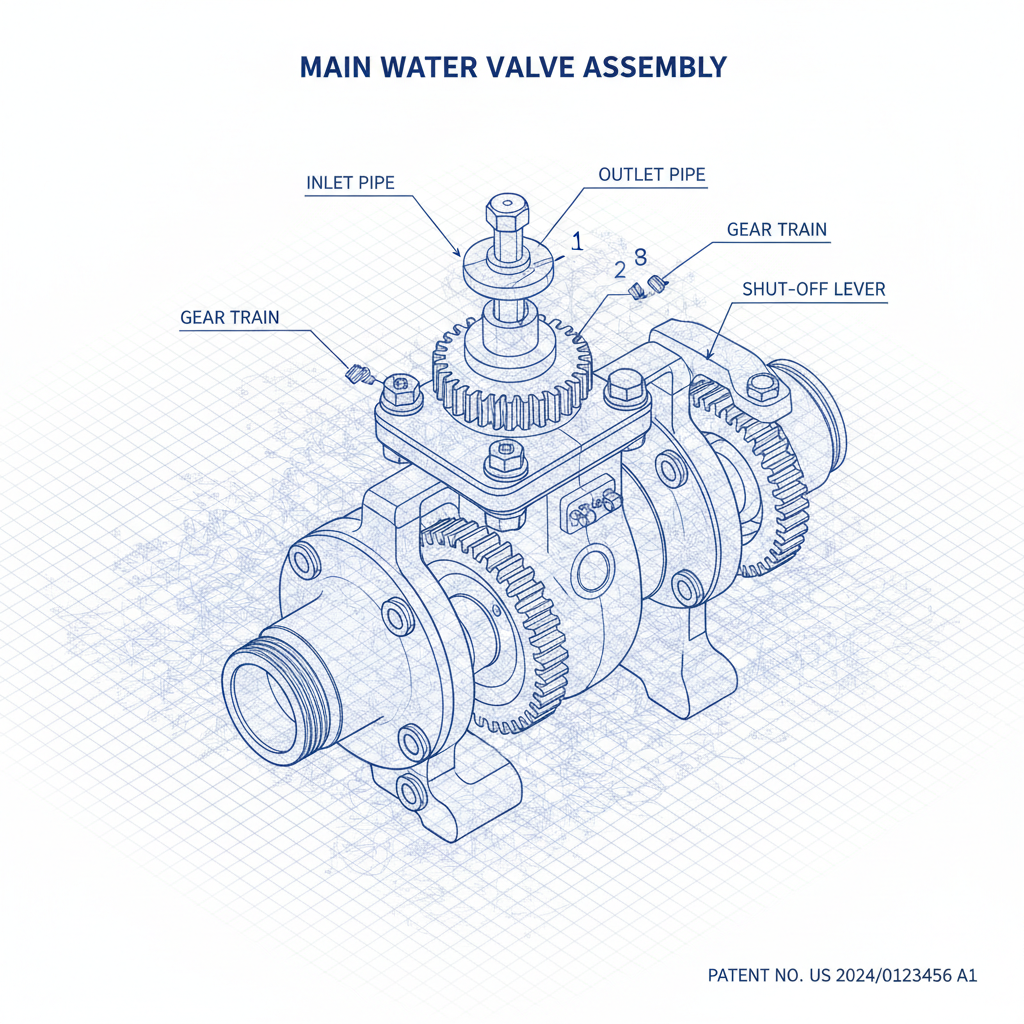
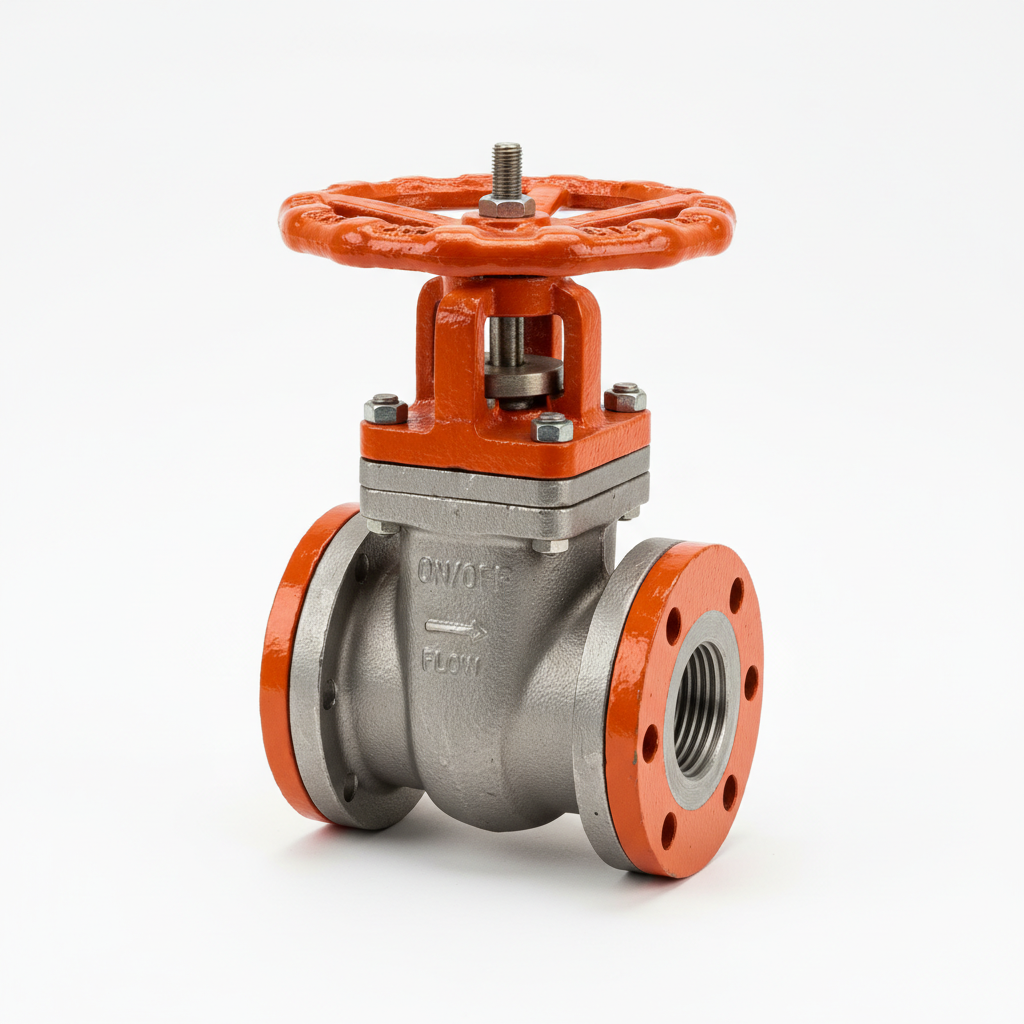
Simply put, a water shutoff valve is a mechanism used to control the flow of water in a piping system. It's the on/off switch for your water supply. Modern industry, from large-scale manufacturing plants to residential building, relies on these valves to isolate sections of pipe for maintenance, repairs, or emergency situations. And it’s not limited to just building projects; humanitarian efforts depend on quickly establishing safe water sources, often relying on portable and rapidly deployable shutoff systems. It’s a deceptively simple piece of equipment with massive implications.
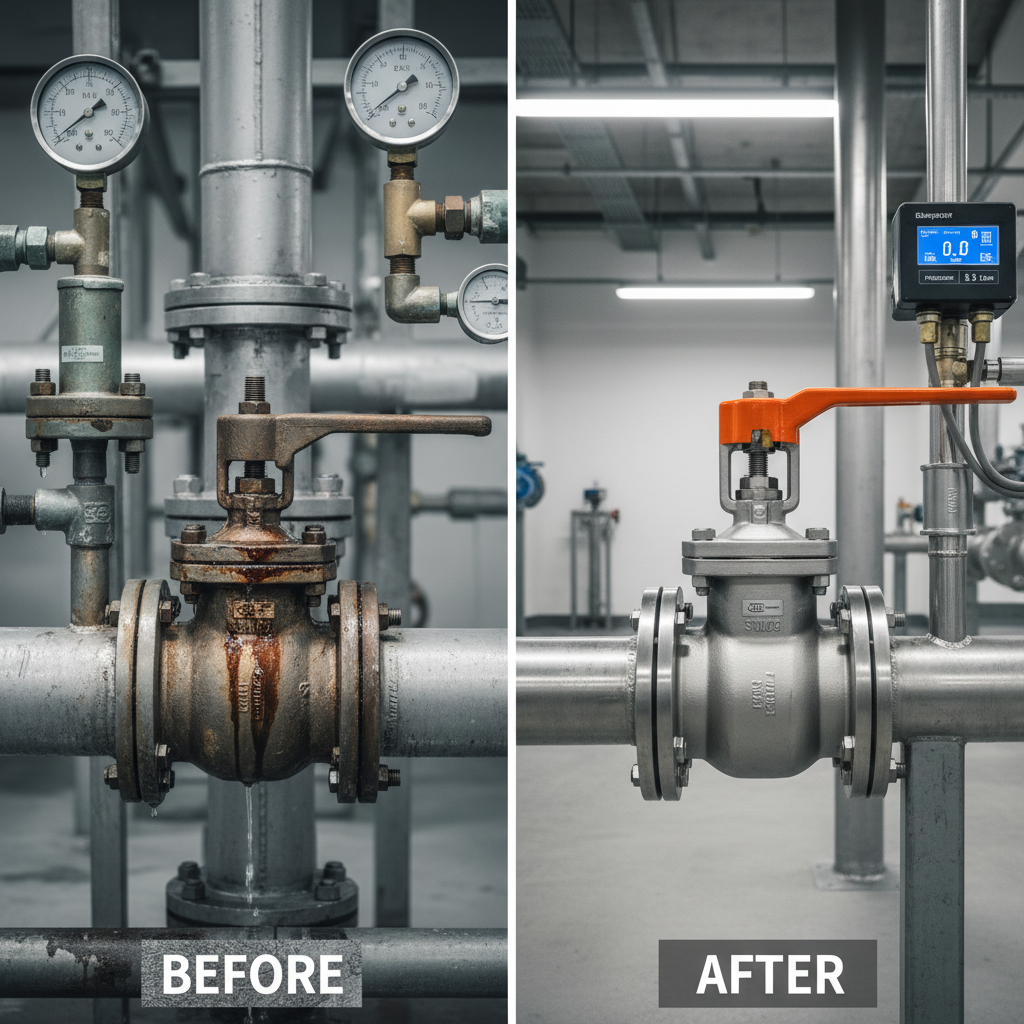
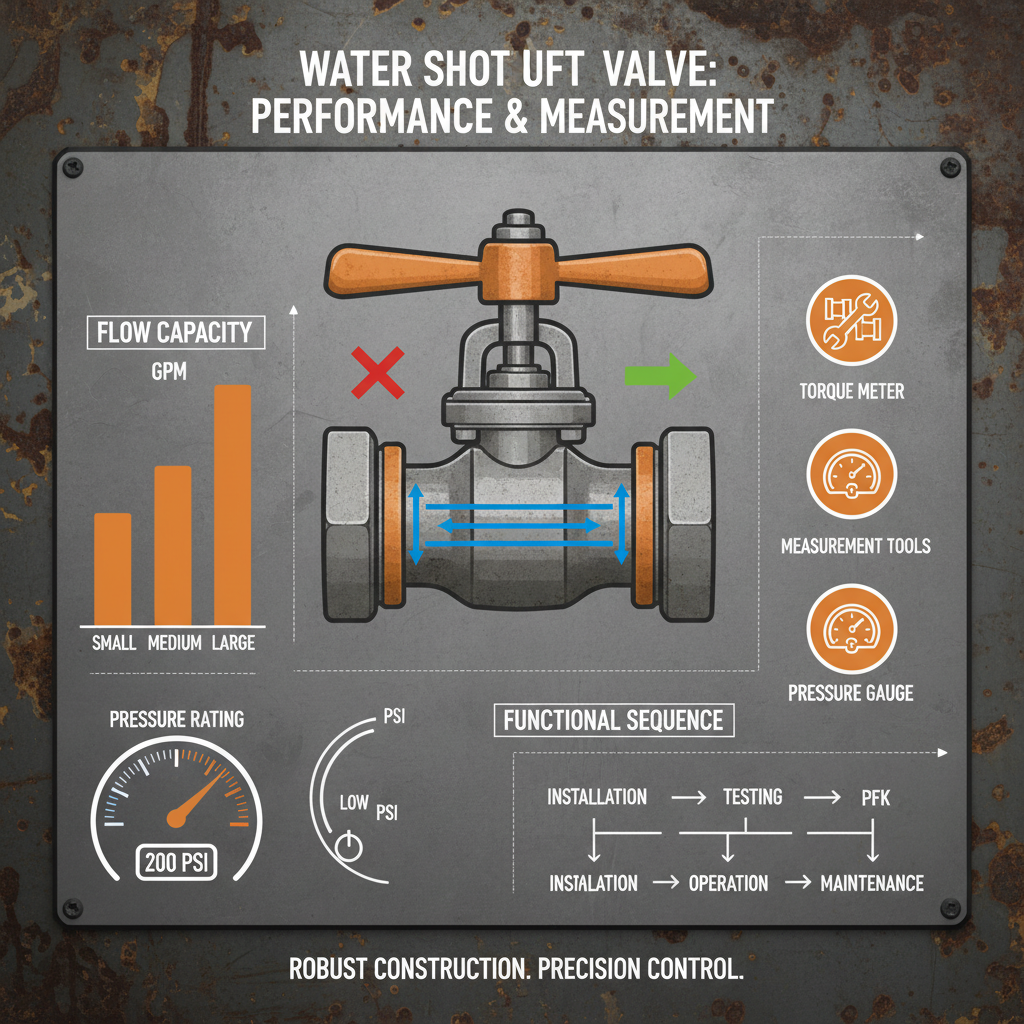
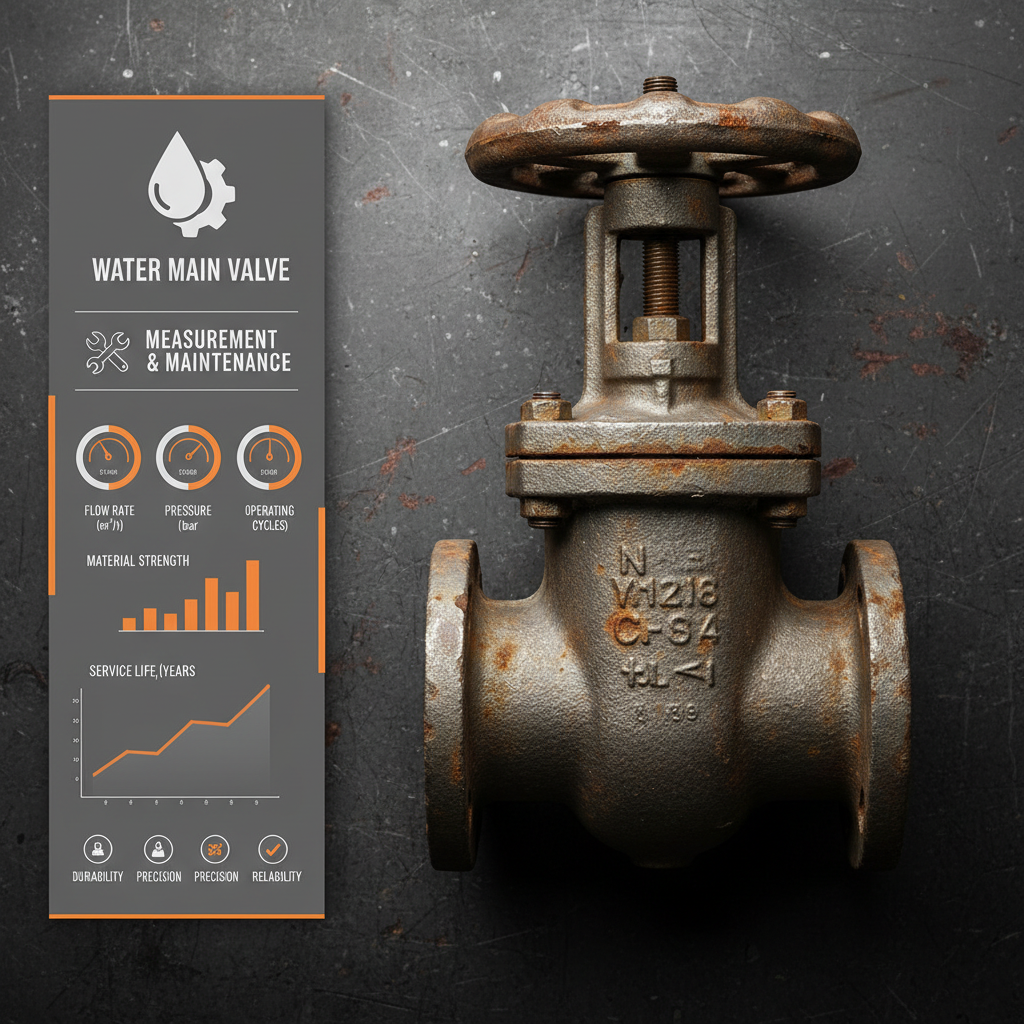
Let's be clear: the quality of a water shutoff valve directly impacts the longevity and safety of any water system. I’ve seen too many cheap valves corrode and fail, leading to costly repairs and even dangerous situations. Durability is paramount. The valve needs to withstand consistent pressure, varying water quality, and the general wear and tear of a working environment. It's about investing upfront to avoid bigger problems down the road.
Scalability is another huge factor. A system designed for a small residential building isn't going to cut it for a large industrial complex. Valves need to be available in a range of sizes and configurations to accommodate different flow rates and pipe diameters. You need to be able to expand and adapt as needed, and that starts with choosing valves that can handle the future demands of the system.
The lifespan really depends on the material, water quality, and frequency of use. A well-maintained brass valve in a residential setting might last 20-30 years. However, industrial valves exposed to harsh chemicals or high pressure may need replacing every 5-10 years. Regular inspection and preventative maintenance are key to maximizing valve lifespan. Don’t wait for it to fail!
It comes down to understanding your system's requirements. Consider the water pressure, temperature, chemical composition, and flow rate. Ball valves are great for quick shutoff, gate valves are good for infrequent operation, and butterfly valves are ideal for large-diameter pipes. If you're unsure, consult with a plumbing engineer or a valve specialist.
Corrosion is a major culprit, especially in areas with aggressive water chemistry. Sediment buildup can also obstruct valve operation. Physical damage from impacts or improper installation can lead to leaks. And, of course, simply exceeding the valve’s pressure or temperature limits will cause it to fail. Proper maintenance and selection of materials are vital for avoiding these failures.
Regular inspection for leaks, corrosion, and physical damage is crucial. Lubricate valve stems periodically to ensure smooth operation. Flush the system to remove sediment buildup. And, if you notice any signs of deterioration, replace the valve immediately. A little preventative maintenance can save you a lot of headaches down the road.
Yes, absolutely. Various organizations like ANSI, ASME, and ISO set standards for valve design, materials, and testing. Depending on your application and location, you may need to comply with specific regulations regarding valve performance and safety. It’s vital to ensure that your valves meet the necessary requirements.
Automated valves, controlled by sensors and actuators, allow for remote operation and precise flow control. This can optimize water usage, reduce energy consumption, and minimize the risk of human error. They also enable real-time monitoring and diagnostics, allowing for proactive maintenance and preventing costly downtime. It’s a significant step towards smart water management.
We’ve covered a lot here, but the core message is simple: water shutoff valves are more than just components – they’re vital for protecting infrastructure, ensuring safety, and optimizing water usage. From residential plumbing to large-scale industrial operations, a well-chosen and properly maintained valve system is essential for reliable and efficient water management. Ignoring this critical aspect can lead to costly repairs, environmental damage, and even safety hazards.
Looking ahead, the trend towards smart valves and advanced materials will continue to drive innovation in this field. By embracing these technologies and prioritizing preventative maintenance, we can build more resilient and sustainable water systems for the future. For reliable water shutoff valves and expert guidance, visit our website today.

 Afrikaans
 Albanian
 Amharic
 Arabic
 Armenian
 Azerbaijani
 Basque
 Belarusian
 Bengali
 Bosnian
 Bulgarian
 Catalan
 Cebuano
 Corsican
 Croatian
 Czech
Czech
 Danish
 Dutch
Dutch
 Esperanto
 Estonian
 Finnish
 French
 Frisian
 Galician
 Georgian
 German
 Greek
Greek
 Gujarati
 Haitian Creole
 Hausa
Hausa
 Hawaiian
 Hebrew
 Hindi
Hindi
 Miao
Miao
 Hungarian
 Icelandic
 Igbo
Igbo
 Indonesian
 Irish
Irish
 Italian
 Japanese
 Javanese
 Kannada
 Kazakh
 Khmer
Khmer
 Rwandese
 Korean
 Kurdish
 Kyrgyz
 Lao
Lao
 Latin
Latin
 Latvian
 Lithuanian
 Luxembourgish
 Macedonian
 Malgashi
 Malay
Malay
 Malayalam
 Maltese
 Maori
Maori
 Marathi
 Mongolian
 Myanmar
 Nepali
 Norwegian
 Norwegian
 Occitan
 Pashto
 Persian
 Polish
 Portuguese
 Punjabi
 Romanian
 Russian
 Samoan
 Scottish Gaelic
 Serbian
 Sesotho
 Shona
Shona
 Sindhi
 Sinhala
 Slovak
 Slovenian
 Somali
 Spanish
 Sundanese
 Swahili
 Swedish
 Tagalog
 Tajik
Tajik
 Tamil
Tamil
 Tatar
Tatar
 Telugu
 Thai
Thai
 Turkish
 Turkmen
 Ukrainian
 Urdu
Urdu
 Uighur
 Uzbek
Uzbek
 Vietnamese
 Welsh
Welsh
 Bantu
Bantu
 Yiddish
 Yoruba
 Zulu
Zulu
 English