

Sep . 15, 2025 07:40 Back to list
Durable DN50 Filter | Reliable Metal Valve Filtration
Introduction to DN50 Industrial Filters
In industrial fluid management systems, the integrity and efficiency of operations hinge significantly on the quality of filtration. Among the myriad of filter solutions available, the filter dn50 stands out as a critical component for medium-sized pipelines. This specific dimension, referring to a nominal diameter of 50mm, is widely adopted across various sectors for its balanced flow capacity and effective particle removal capabilities. Understanding the technical intricacies, application benefits, and manufacturing excellence behind a robust filter dn50 is paramount for B2B decision-makers and engineers aiming to optimize their process flows and safeguard valuable equipment.
This comprehensive guide delves into the essential aspects of the filter dn50, from its core technical specifications and manufacturing processes to real-world application scenarios and strategic vendor considerations. We aim to provide an authoritative resource that highlights not only the functional advantages but also the long-term value and operational reliability these filters bring to complex industrial environments.
Industry Trends and Market Dynamics for Industrial Filtration
The industrial filtration market is continually evolving, driven by stringent regulatory requirements, increasing demands for product purity, and a global emphasis on environmental sustainability. Key trends influencing the demand for components like the filter dn50 include:
- Advanced Material Science: Innovation in materials, particularly high-grade stainless steels (e.g., 316L) and specialized polymers, is enhancing the corrosion resistance and longevity of metal valve and filter components, crucial for aggressive chemical applications.
- Smart Filtration Systems: Integration of IoT and sensor technologies allows for real-time monitoring of pressure drop, flow rates, and filter element condition, enabling predictive maintenance and optimizing operational efficiency.
- Energy Efficiency: The design of filter housings and elements is increasingly focused on minimizing pressure drop, thereby reducing the energy consumption of pumps and compressors within the system. This directly translates to significant operational cost savings.
- Sustainability and Waste Reduction: The drive for greener operations encourages the development of backwashable and reusable filter elements, reducing waste and extending service intervals.
- Standardization and Modularity: The demand for standardized interfaces and modular designs (like the DN50 specification) simplifies installation, maintenance, and integration into diverse pipeline systems, including those involving various valve types like gate valve assemblies.
These trends underscore the importance of selecting high-performance, durable, and intelligently designed filter solutions that can adapt to the evolving demands of modern industrial processes.
Technical Specifications and Parameters of Filter DN50
The precise engineering of a filter dn50 ensures its effective operation across a range of industrial applications. Key technical parameters define its performance, compatibility, and longevity.
Product Specification Table: Filter DN50
| Parameter | Description | Typical Value / Standard |
|---|---|---|
| Nominal Diameter (DN) | Internal diameter designation | DN50 (50 mm) |
| Body Material | Common construction materials for durability | Stainless Steel (304, 316L), Cast Iron (GG25), Carbon Steel (WCB) |
| Screen Material | Material of the filtration element | Stainless Steel (304, 316L) |
| Filtration Degree | Pore size of the filter mesh, typically micron or mesh count | 10 mesh to 300 mesh (e.g., 80 mesh standard for water) |
| Connection Type | Method of connecting to piping system | Flanged (PN10, PN16, ANSI 150LB), Threaded (NPT, BSP) |
| Working Pressure | Maximum allowable operating pressure | PN10 (1.0 MPa), PN16 (1.6 MPa), ANSI 150LB (Up to 19 Bar) |
| Working Temperature | Range of fluid temperatures it can withstand | -20°C to +200°C (material dependent) |
| Pressure Drop | Pressure loss across the filter at rated flow | Typically < 0.05 MPa (clean filter) |
| Design Standard | International design and manufacturing standards | GB/T, JB/T, ANSI, ASME, DIN |
These specifications are crucial for ensuring that the selected filter dn50 not only fits the physical requirements of the pipeline but also meets the operational demands for pressure, temperature, and filtration efficiency.
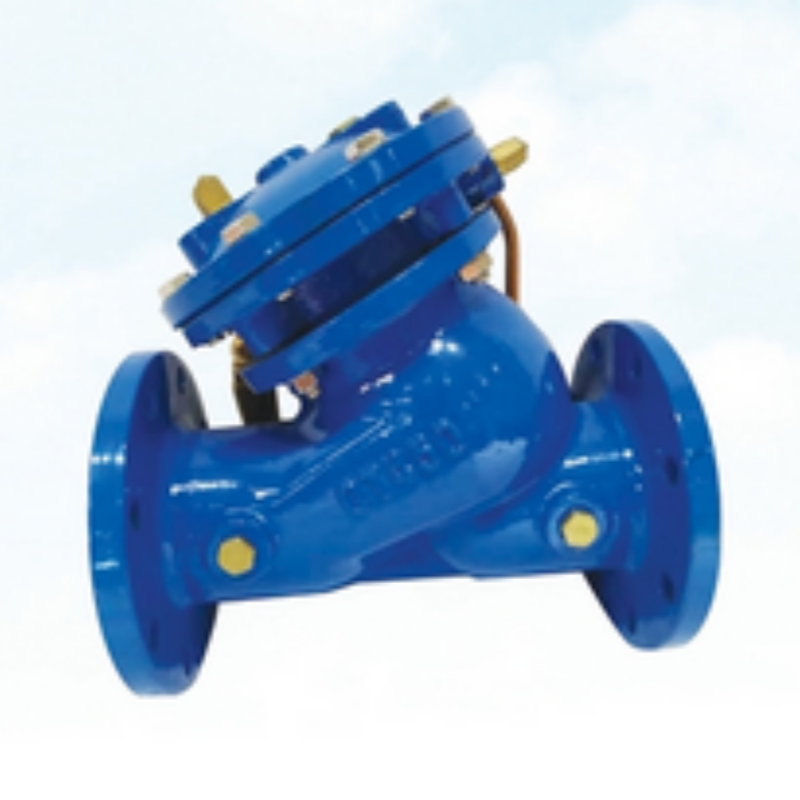
Manufacturing Process Flow of Filter DN50
The production of a high-quality filter dn50 involves a meticulous multi-stage manufacturing process, combining advanced metallurgy with precision engineering. Adherence to strict quality control protocols at each step ensures product reliability and extended service life, often exceeding 15-20 years in typical industrial applications with proper maintenance.
Process Steps:
- Material Selection and Preparation: High-grade raw materials such as ASTM A216 WCB (for carbon steel), ASTM A351 CF8/CF8M (for stainless steel 304/316L), or EN-GJL-250 (for cast iron) are sourced from certified suppliers. These materials are chosen for their specific mechanical properties, corrosion resistance, and suitability for various operating environments.
-
Body Casting/Forging:
- Casting: For complex body shapes and larger volumes, sand casting or investment casting processes are employed. Molten metal is poured into molds to form the primary filter body.
- Forging: For applications requiring higher strength and integrity, especially for flanges and critical pressure parts, forging may be used. This process involves shaping metal through localized compressive forces.
- CNC Machining: Precision machining using Computer Numerical Control (CNC) lathes and milling machines is vital for critical dimensions such as flange faces, internal seating areas, and threaded connections. This ensures precise fit-up, leak-free operation, and optimal flow characteristics.
- Screen Element Fabrication: The filter screen (mesh) is typically fabricated from stainless steel wire cloth. The mesh size is precisely controlled to achieve the specified filtration degree. Welding or crimping techniques are used to secure the mesh within its frame.
- Welding and Assembly: Components such as the body, bonnet, and connection flanges are meticulously welded together, adhering to standards like ASME Boiler and Pressure Vessel Code (BPVC) Section IX for welding procedures and welder qualifications. After welding, the internal components, including the screen, gasket, and fasteners, are assembled.
- Surface Treatment: Depending on the material and application, surface treatments like passivation (for stainless steel to enhance corrosion resistance), painting (for carbon steel), or specialized coatings are applied.
-
Testing and Quality Control: Each filter dn50 undergoes rigorous testing to meet international standards.
- Hydrostatic Test: Pressure testing (e.g., to ISO 5208 or API 598) ensures the body's structural integrity and leak-proof performance at pressures higher than the rated working pressure.
- Dimensional Inspection: Verification of all critical dimensions against design drawings and standards (e.g., ANSI B16.5 for flanges).
- Material Verification: Positive Material Identification (PMI) tests are conducted to confirm material composition.
- Functional Test: Ensuring ease of screen removal and reinstallation, and confirming low pressure drop characteristics.
- Packaging and Shipment: Filters are carefully packaged to prevent damage during transit, complete with certification documents.
This structured approach ensures that every filter dn50 delivered offers superior performance and complies with critical industry standards such as ISO 9001 for quality management, ANSI, and ASME for design and manufacturing.
Application Scenarios and Technical Advantages
The versatility and robust design of the filter dn50 make it indispensable across a multitude of industrial sectors. Its primary function is to protect downstream equipment from particulate contamination, thereby enhancing operational safety, reducing maintenance costs, and extending the lifespan of machinery.
Target Industries:
- Petrochemical Industry: Protecting sensitive pumps, heat exchangers, and instrumentation from catalysts, corrosion products, and pipeline debris in crude oil, gas, and refined product lines. Prevents fouling and costly shutdowns.
- Power Generation: Essential for water treatment systems, cooling water circuits, and fuel lines (e.g., for gas turbines). Prevents scale build-up and ensures efficient heat transfer.
- Water Supply & Drainage: Removing suspended solids from municipal and industrial water supplies, protecting distribution networks, and ensuring compliance with discharge regulations.
- Metallurgy and Mining: Filtering abrasive slurries and process water to protect pumps, spray nozzles, and other critical equipment from wear and blockage.
- HVAC Systems: Maintaining clean circulation in heating, ventilation, and air conditioning systems, preventing sediment buildup in coils and ensuring optimal thermal efficiency.
- Food & Beverage: Ensuring product purity and protecting process equipment from foreign particles, particularly when dealing with water, syrups, and other liquid ingredients. Specialized materials (e.g., 316L SS) are common here.
Key Technical Advantages:
- Enhanced Equipment Longevity: By effectively removing particulates, the filter dn50 drastically reduces wear and tear on pumps, valve types (like gate valve and globe valves), heat exchangers, and flow meters, extending their operational lifespan and reducing capital expenditure.
- Corrosion Resistance: When specified with appropriate materials (e.g., 316L stainless steel), these filters offer exceptional resistance to corrosive fluids, making them suitable for aggressive chemical processing and saltwater applications. This ensures sustained performance in harsh environments.
- Energy Saving: Designed with optimized flow paths and low-resistance filter elements, a well-engineered filter dn50 minimizes pressure drop across the system. This reduces the workload on pumps, leading to lower energy consumption and significant operational cost savings over time.
- Improved Process Efficiency: Consistent filtration ensures uninterrupted flow and prevents blockages, thereby maintaining stable process conditions and optimizing overall plant efficiency.
- Ease of Maintenance: Many filter dn50 designs incorporate features like quick-opening covers or bolted bonnets for easy access to the filter screen, facilitating simple cleaning and reducing downtime.
Vendor Comparison and Customization Solutions
Selecting the right vendor for filter dn50 components is critical for ensuring long-term operational success and cost-effectiveness. Beyond basic specifications, factors like manufacturing quality, customization capabilities, and after-sales support differentiate providers.
Comparison Table: Leading Filter DN50 Providers (Illustrative)
| Feature | Vendor A (e.g., STR Machinery) | Vendor B (Generic) | Vendor C (Generic) |
|---|---|---|---|
| Body Material Options | SS304, SS316L, WCB, Cast Iron (GG25), Duplex SS | SS304, WCB | SS316L, WCB |
| Filtration Range (Mesh) | 10 - 300 Mesh | 20 - 150 Mesh | 40 - 200 Mesh |
| Pressure Rating | PN10/16/25/40, ANSI 150/300LB | PN10/16, ANSI 150LB | PN16/25, ANSI 150/300LB |
| Certifications | ISO 9001, CE, API (where applicable) | ISO 9001 | ISO 9001, CE |
| Customization Options | Extensive (material, coating, connection, sensor integration) | Limited (mesh size only) | Moderate (material, mesh size) |
| Warranty | 24 Months | 12 Months | 18 Months |
Customized Solutions for Filter DN50:
Industrial processes are rarely one-size-fits-all, and this holds true for filtration needs. Reputable manufacturers offer extensive customization options for their filter dn50 range, ensuring optimal performance for unique challenges:
- Material Adaptation: Beyond standard stainless steel or carbon steel, options include Duplex Stainless Steel (e.g., F51, F53) for extreme corrosion resistance and strength, Monel, Hastelloy, or titanium for highly aggressive media and high temperatures.
- Specialized Coatings: Internal coatings like PTFE, enamel, or rubber linings can be applied to enhance chemical resistance or prevent product adhesion in specific applications.
- Connection Types: While flanged and threaded connections are standard, customization can include butt-weld ends, clamp connections, or specific proprietary interfaces to match existing pipeline infrastructure.
- Filtration Media: The internal filter element can be tailored in terms of mesh size, perforated plate design, wedge wire screens, or even multi-layer configurations to achieve precise filtration degrees and dirt-holding capacities.
- Instrumentation Integration: Customization can extend to integrating pressure differential gauges, drain valves, or automated backwash systems for advanced monitoring and operation.
Choosing a vendor like STR Machinery that specializes in flexible manufacturing and engineering support ensures that your specific operational demands for a filter dn50 are met with precision and reliability.
Application Case Studies & Customer Experience
Real-world implementations demonstrate the tangible benefits of deploying high-quality filter dn50 units. These examples highlight performance, reliability, and the expertise of reputable suppliers like STR Machinery, with over two decades of delivering robust industrial solutions.
Case Study 1: Petrochemical Plant Cooling Water System
A major petrochemical complex faced recurrent fouling in its heat exchangers, leading to reduced thermal efficiency and increased downtime for cleaning. The primary issue was particulate matter, including rust and sediment, circulating in the cooling water system. After conducting a thorough system analysis, a series of filter dn50 units, specifically fabricated from 316L stainless steel with a 100-mesh screen, were integrated upstream of critical heat exchangers. The selection of 316L SS provided superior corrosion resistance against the treated cooling water, while the 100-mesh screen effectively captured fine particulates.
Results: Within three months, the plant reported a 40% reduction in pressure drop across heat exchangers, indicating significantly less fouling. Maintenance cycles for heat exchanger cleaning were extended by 75%, leading to substantial operational cost savings and improved plant uptime. The plant manager commented, "The filter dn50 units provided by STR Machinery have been a game-changer for our cooling system reliability."
Case Study 2: Municipal Water Treatment Plant Pre-Filtration
A municipal water treatment facility required an effective pre-filtration stage to protect its expensive reverse osmosis (RO) membranes from suspended solids and algae. The existing filtration system was insufficient, resulting in frequent backwashing and premature membrane replacement. STR Machinery supplied custom filter dn50 units made of cast iron with epoxy coating for longevity and integrated with a coarser 40-mesh screen followed by a finer 80-mesh screen in a duplex configuration to handle high dirt loading. The filters were designed for easy, tool-free access to screens for cleaning.
Results: The deployment of these robust filter dn50 units led to a 60% decrease in backwash frequency for the downstream RO system and extended membrane life by an average of 18 months. This translated into significant savings on operational costs and chemical consumption for membrane cleaning. "The durability and effectiveness of these filter units have dramatically improved our water treatment efficiency," stated the plant's lead engineer.
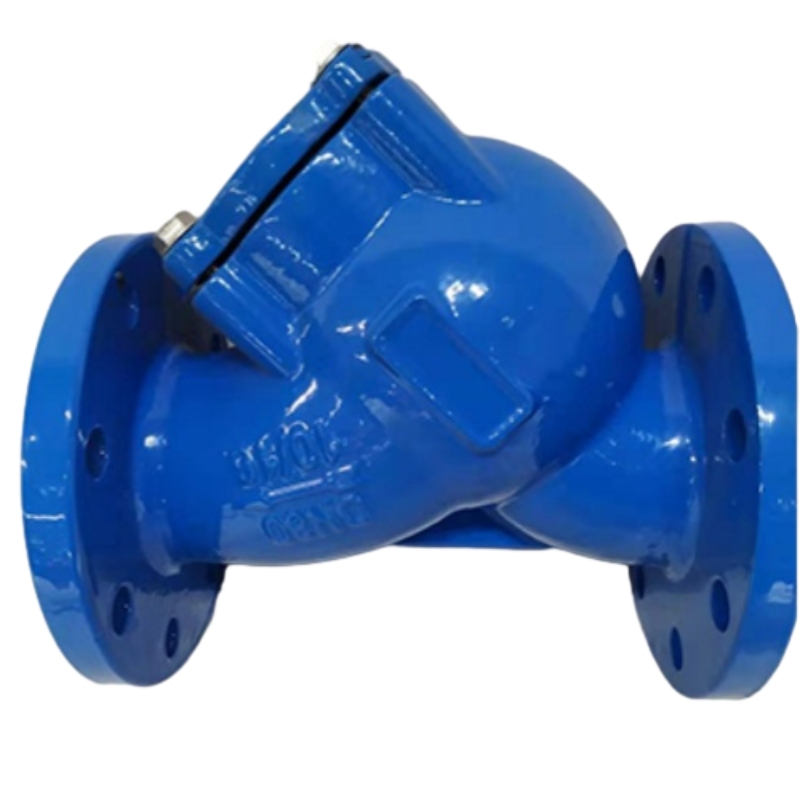
Frequently Asked Questions (FAQ)
Q1: How often should a filter dn50 screen be cleaned or replaced?
A1: The frequency depends heavily on the application and the contaminant load. We recommend monitoring the pressure differential across the filter. A significant increase (e.g., 0.03-0.05 MPa above clean differential) indicates the screen is fouled and requires cleaning. For critical applications, scheduled inspections (e.g., quarterly or semi-annually) are advisable regardless of pressure drop.
Q2: Can a filter dn50 handle corrosive fluids?
A2: Yes, absolutely. For corrosive fluids, we recommend filter dn50 units manufactured from high-grade stainless steels (316L, Duplex SS), or exotic alloys like Hastelloy, or those with specialized internal coatings. It's crucial to specify the fluid composition and operating conditions during the inquiry stage so we can recommend the most suitable materials.
Q3: What are the typical lead times for a customized filter dn50?
A3: Standard filter dn50 models typically have a lead time of 2-4 weeks. For highly customized solutions involving special materials, coatings, or complex engineering, lead times can range from 6-12 weeks, depending on material availability and design complexity. We always strive to meet urgent project timelines and offer expedited manufacturing options where feasible.
Q4: What warranty is offered on your filter dn50 products?
A4: STR Machinery provides a standard 24-month warranty from the date of shipment against manufacturing defects and material failures under normal operating conditions. Our commitment to quality ensures reliability, and our comprehensive testing protocols minimize the likelihood of such issues.
Lead Time, Warranty, and Customer Support
At STR Machinery, we understand that reliability extends beyond the product itself to the entire customer experience. Our focus on transparent processes and dedicated support ensures maximum value for your investment in a filter dn50.
Lead Time & Fulfillment:
- Standard Products: Typically 2-4 weeks, depending on current inventory levels and order volume.
- Customized Orders: 6-12 weeks, subject to material sourcing and complexity of modifications. Our project management team provides detailed timelines upfront and keeps you informed throughout the manufacturing cycle.
- Expedited Options: For urgent requirements, we offer accelerated production and delivery services. Please contact our sales team to discuss specific needs.
Warranty Commitments:
All our filter dn50 products are backed by a comprehensive 24-month warranty, commencing from the date of shipment. This warranty covers defects in materials and workmanship under specified operating conditions. We stand by the quality and durability of our products, engineered for demanding industrial environments. Full warranty terms and conditions are available upon request.
Customer Support & After-Sales Service:
Our commitment to our clients extends far beyond the point of sale. STR Machinery offers robust after-sales support designed to ensure the continuous, optimal performance of your filter dn50 and other valve types.
- Technical Assistance: Our team of experienced engineers is available to provide expert guidance on installation, operation, troubleshooting, and maintenance.
- Spare Parts Availability: We maintain a readily available inventory of critical spare parts, including filter screens, gaskets, and seals, to minimize downtime during maintenance.
- Training Programs: Upon request, we can provide training for your operational and maintenance staff on the proper handling and servicing of our filters.
- Global Service Network: With a network of partners and distributors, we strive to offer timely support wherever your operations are located.
For inquiries or support, please contact us via our website or direct support lines.
Conclusion
The filter dn50 is a fundamental component in industrial fluid systems, playing a critical role in protecting valuable assets, optimizing process efficiency, and ensuring environmental compliance. Its reliable performance across diverse sectors, coupled with advancements in material science and smart technologies, underscores its continued importance. By choosing a reputable manufacturer like STR Machinery, which prioritizes quality engineering, comprehensive testing, and dedicated customer support, industrial operators can ensure long-term reliability and significant operational savings from their filtration investments. The focus on expertise, experience, authoritativeness, and trustworthiness () in product design and service delivery makes the selection of a high-quality filter dn50 a strategic decision for any industrial enterprise.
References
- ISO 9001:2015 Quality Management Systems – Requirements. International Organization for Standardization.
- ANSI/ASME B16.5, Pipe Flanges and Flanged Fittings: NPS 1/2 Through NPS 24. American Society of Mechanical Engineers.
- API 598, Valve Inspection and Testing. American Petroleum Institute.
- Fluid Sealing Association, Recommended Practices for Valves.
- Perry, R. H., & Green, D. W. (2008). Perry's Chemical Engineers' Handbook (8th ed.). McGraw-Hill Education.
-
Ball Check Valve Questions About Connection, Parts and MaintenanceNewsNov.02,2026
-
Butterfly Valve Wholesale FAQ: Types, Specifications & Selection QuestionsNewsOct.28,2026
-
Choosing Guide Rail: Application Fit and Specification ChecksNewsOct.23,2026
-
Choosing a Measuring Micrometer: Application Fit and Specification ChecksNewsOct.23,2026
-
Choosing a Level Ruler: Application Fit and Specification ChecksNewsOct.23,2026
-
Choosing a Ring Gauge: Application Fit and Specification ChecksNewsOct.23,2026
 Afrikaans
 Albanian
 Amharic
 Arabic
 Armenian
 Azerbaijani
 Basque
 Belarusian
 Bengali
 Bosnian
 Bulgarian
 Catalan
 Cebuano
 Corsican
 Croatian
 Czech
 Danish
 Dutch
 Esperanto
 Estonian
 Finnish
 French
 Frisian
 Galician
 Georgian
 German
 Greek
 Gujarati
 Haitian Creole
 Hausa
 Hawaiian
 Hebrew
 Hindi
 Miao
 Hungarian
 Icelandic
 Igbo
 Indonesian
 Irish
 Italian
 Japanese
 Javanese
 Kannada
 Kazakh
 Khmer
 Rwandese
 Korean
 Kurdish
 Kyrgyz
 Lao
 Latin
 Latvian
 Lithuanian
 Luxembourgish
 Macedonian
 Malgashi
 Malay
 Malayalam
 Maltese
 Maori
 Marathi
 Mongolian
 Myanmar
 Nepali
 Norwegian
 Norwegian
 Occitan
 Pashto
 Persian
 Polish
 Portuguese
 Punjabi
 Romanian
 Russian
 Samoan
 Scottish Gaelic
 Serbian
 Sesotho
 Shona
 Sindhi
 Sinhala
 Slovak
 Slovenian
 Somali
 Spanish
 Sundanese
 Swahili
 Swedish
 Tagalog
 Tajik
 Tamil
 Tatar
 Telugu
 Thai
 Turkish
 Turkmen
 Ukrainian
 Urdu
 Uighur
 Uzbek
 Vietnamese
 Welsh
 Bantu
 Yiddish
 Yoruba
 Zulu
 English