

Apr . 16, 2026 01:45 Back to list
Ultimate Guide to Using a Professional Metre Spirit Level
Mastering Precision: The Ultimate Guide to the Metre Spirit Level
In the world of construction, carpentry, and interior design, precision is not just a preference—it is a requirement. A metre spirit level is an indispensable tool for ensuring that surfaces are perfectly horizontal (level) or vertical (plumb). Whether you are installing kitchen cabinetry, framing a new wall, or laying a patio, the accuracy of your work depends on the quality of your leveling tools. In this comprehensive guide, we will explore the technical nuances, various types, and professional applications of this essential instrument to help you achieve flawless results in every project.
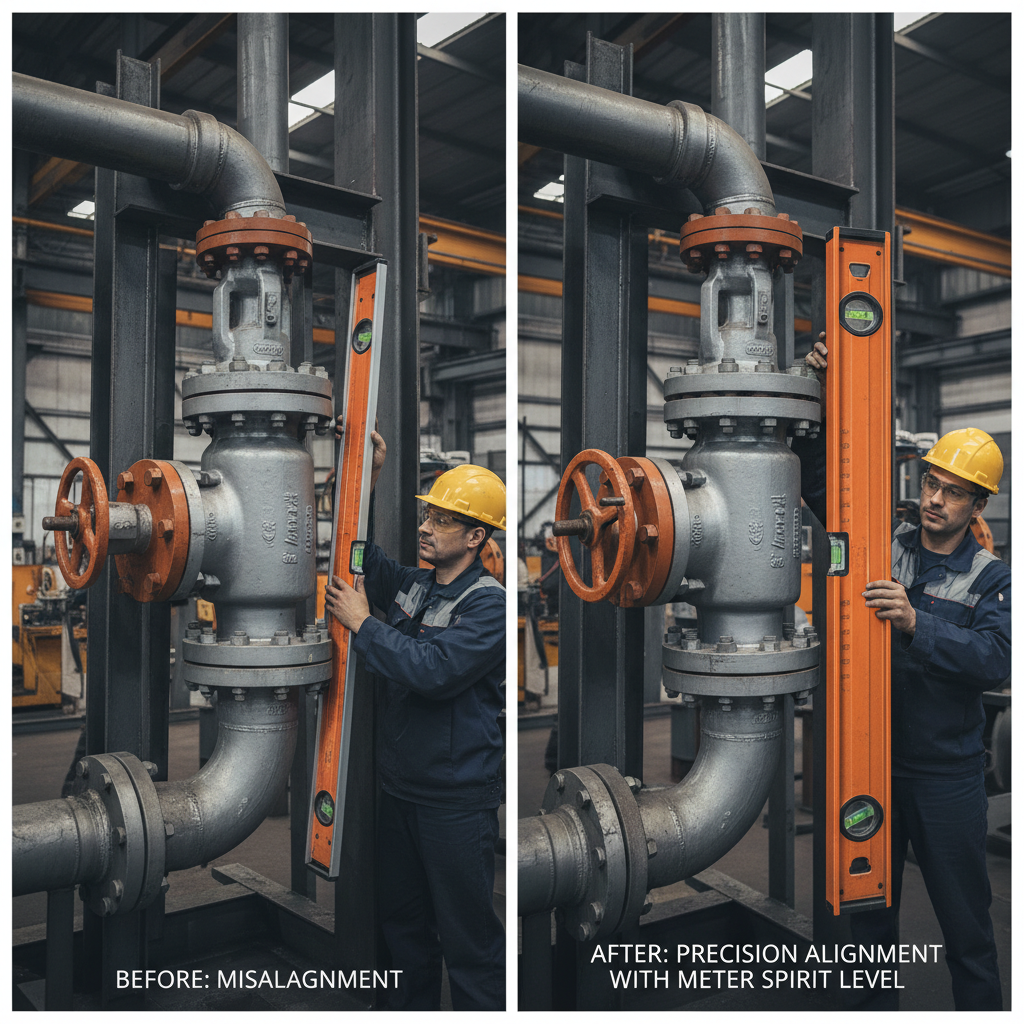
How a Metre Spirit Level Works
The mechanism behind a metre spirit level is based on the physics of gravity and buoyancy. Inside the tool are sealed vials containing a liquid—typically ethanol or an oil-based fluid—and a small air bubble. When the tool is perfectly aligned, the bubble settles exactly between two etched markers. The one-metre length is specifically designed to bridge wider gaps and reduce the margin of error, providing a more stable and accurate reading than shorter levels. High-precision vials are often made from acrylic to prevent shrinkage and ensure long-term reliability.
Professional Tip: Always check your level by "flipping" the tool. Place it on a surface, note the bubble position, then rotate it 180 degrees. If the bubble returns to the same spot, your tool is calibrated and accurate.
Choosing the Right Material for Your Metre Spirit Level
Not all levels are created equal. Depending on the environment—whether it's a dusty construction site or a refined indoor renovation—the material of your metre spirit level matters significantly. Aluminum is the industry standard due to its lightweight nature and resistance to rust. For more heavy-duty applications, fiberglass or reinforced polymers are used to prevent warping. Professional-grade levels also feature milled edges, which provide a perfectly flat surface for more accurate contact with the workpiece.
Material Comparison Guide:
• Aluminum: Lightweight, durable, and the most common choice for general construction.
• Fiberglass: Non-conductive (safe for electrical work) and highly resistant to corrosion.
• Magnetic Steel: Ideal for HVAC and steel framing where the tool needs to "stick" to the surface.
Comparing Metre Spirit Level Types and Specifications
When purchasing a metre spirit level, it is essential to understand the difference between basic and professional versions. Professional levels typically offer better accuracy tolerances, impact-resistant end caps, and multiple vial angles (such as 45-degree vials for piping). The following table outlines the standard specifications you should expect when comparing different tiers of quality.
Essential Applications of the Metre Spirit Level
The versatility of a metre spirit level makes it a staple in various professional fields. In flooring installation, it is used to ensure the subfloor is level, preventing uneven tiles or wooden planks. For electricians and plumbers, it is critical for running conduits or pipes with the correct slope to ensure proper drainage and aesthetic alignment. Furthermore, when installing large mirrors or shelving units, the 100cm span allows for a more accurate reading over a larger distance than a small torpedo level could provide.
Maintaining Your Metre Spirit Level for Long-Term Accuracy
Even the highest quality tool can lose its accuracy if mistreated. To keep your metre spirit level in top condition, avoid dropping it on hard surfaces, as this can warp the frame or displace the vials. Regularly clean the milled edges to remove debris or dried mortar, which can create a gap between the tool and the surface, leading to false readings. Store your level vertically or hang it from a hook to prevent it from bowing under its own weight over several years.
Metre Spirit Level Technical Specifications
When sourcing tools for industrial use, focusing on technical specifications ensures that the tool meets the rigorous demands of the job site. A professional metre spirit level should feature high-visibility vials that are easy to read in low-light conditions. Below are the detailed technical specifications commonly found in our premium range.
Conclusion: The Foundation of Every Straight Line
Choosing a high-quality metre spirit level is an investment in the quality and longevity of your work. By understanding the materials, maintaining the tool properly, and choosing a level with the right specifications for your industry, you ensure that every project is built on a foundation of absolute precision. Don't let a slight tilt ruin your hard work—trust the professional standards provided by STR Machinery.
Frequently Asked Questions (FAQs)
Why is a metre spirit level better than a shorter level?
The primary advantage of a metre spirit level is the reduction of "angular error." Over a longer distance, a small deviation in the level of the surface is more apparent. A shorter level might show a "level" reading on a small section of a board that is actually curved or sloped over its entire length. By using a 100cm tool, you can verify the straightness of a larger area in a single measurement, ensuring much higher overall accuracy for long surfaces like countertops or walls.
Can I calibrate a spirit level at home?
True calibration (adjusting the internal vial) is generally not possible for the user, as vials are factory-sealed. However, you can test the accuracy using the "flip test." If the bubble is not consistent when the tool is reversed, the frame is likely warped. In such cases, professional tools sometimes allow for slight adjustments to the vial housing, but for most, a warped level must be replaced to ensure project integrity. Always store your level safely to avoid the need for calibration.
What is the difference between "level" and "plumb"?
While both terms refer to alignment, they describe different planes. "Level" refers to a horizontal plane—perpendicular to the force of gravity (e.g., a flat table). "Plumb" refers to a vertical plane—perfectly aligned with the force of gravity (e.g., a wall post). A quality metre spirit level includes both a horizontal vial for leveling and a vertical vial for plumbing, allowing the user to handle all alignment tasks with one tool.
Do magnetic levels affect accuracy?
No, the presence of magnets on the base of a spirit level does not affect the accuracy of the bubble. The bubble reacts to gravity, not magnetism. Magnetic levels are incredibly useful for professionals working with steel beams or HVAC ducts, as they allow for hands-free operation. The only risk is if the magnets attract metallic debris (like iron filings) to the milled edge, which could lift the tool and cause a false reading. Regular cleaning prevents this issue.
-
Ultimate Guide to Using a Professional Metre Spirit LevelNewsApr.16,2026
-
Ultimate Guide to Using and Choosing a Meter Spirit LevelNewsApr.09,2026
-
A Comprehensive Guide to Selecting the Ideal Meter Long Spirit Level for Accurate MeasurementsNewsApr.07,2026
-
Choosing the Perfect Metal Spirit Level for Accurate Measurements and ProjectsNewsApr.04,2026
-
Exploring the Diverse Levels of Spirits Quality and Production TechniquesNewsMar.31,2026
-
Understanding the Precision of a Level Spirit Level for Accurate MeasurementsNewsMar.28,2026
 Afrikaans
 Albanian
 Amharic
 Arabic
 Armenian
 Azerbaijani
 Basque
 Belarusian
 Bengali
 Bosnian
 Bulgarian
 Catalan
 Cebuano
 Corsican
 Croatian
 Czech
Czech
 Danish
 Dutch
Dutch
 Esperanto
 Estonian
 Finnish
 French
 Frisian
 Galician
 Georgian
 German
 Greek
Greek
 Gujarati
 Haitian Creole
 Hausa
Hausa
 Hawaiian
 Hebrew
 Hindi
Hindi
 Miao
Miao
 Hungarian
 Icelandic
 Igbo
Igbo
 Indonesian
 Irish
Irish
 Italian
 Japanese
 Javanese
 Kannada
 Kazakh
 Khmer
Khmer
 Rwandese
 Korean
 Kurdish
 Kyrgyz
 Lao
Lao
 Latin
Latin
 Latvian
 Lithuanian
 Luxembourgish
 Macedonian
 Malgashi
 Malay
Malay
 Malayalam
 Maltese
 Maori
Maori
 Marathi
 Mongolian
 Myanmar
 Nepali
 Norwegian
 Norwegian
 Occitan
 Pashto
 Persian
 Polish
 Portuguese
 Punjabi
 Romanian
 Russian
 Samoan
 Scottish Gaelic
 Serbian
 Sesotho
 Shona
Shona
 Sindhi
 Sinhala
 Slovak
 Slovenian
 Somali
 Spanish
 Sundanese
 Swahili
 Swedish
 Tagalog
 Tajik
Tajik
 Tamil
Tamil
 Tatar
Tatar
 Telugu
 Thai
Thai
 Turkish
 Turkmen
 Ukrainian
 Urdu
Urdu
 Uighur
 Uzbek
Uzbek
 Vietnamese
 Welsh
Welsh
 Bantu
Bantu
 Yiddish
 Yoruba
 Zulu
Zulu
 English