Pressure water valves are integral components in a vast array of systems, from residential plumbing to large-scale industrial processes and critical infrastructure. Their primary function – to regulate and control water pressure – is fundamental to ensuring safety, efficiency, and longevity of these systems. Understanding the nuances of pressure water valve technology is crucial for engineers, technicians, and anyone involved in water management and distribution. Proper valve selection, installation, and maintenance can prevent costly damage, conserve water resources, and ultimately protect public health.
Globally, the demand for reliable water management solutions is constantly increasing, driven by population growth, urbanization, and the challenges posed by climate change. Effective pressure control is essential in mitigating water loss through leaks, optimizing irrigation systems, and protecting pipelines from bursting. This creates a substantial market for pressure water valve technologies, with continuous innovation aimed at improving performance, reducing environmental impact, and addressing the specific needs of diverse applications.
The importance of pressure water valve extends beyond mere functionality; it's about creating sustainable and resilient water infrastructure. Investing in high-quality valves and implementing robust maintenance programs are vital steps towards ensuring a secure and reliable water supply for communities worldwide. The efficiency and reliability they provide directly contribute to economic stability and improved quality of life.
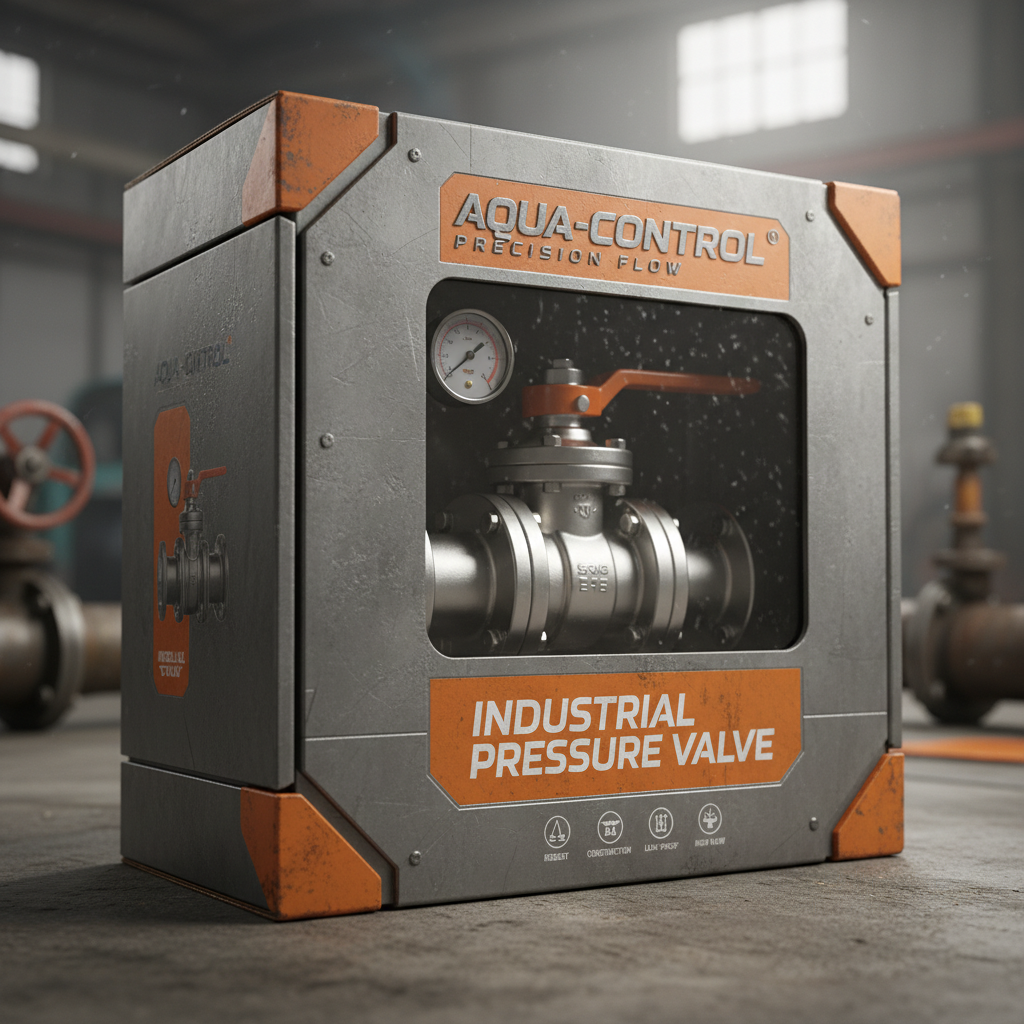
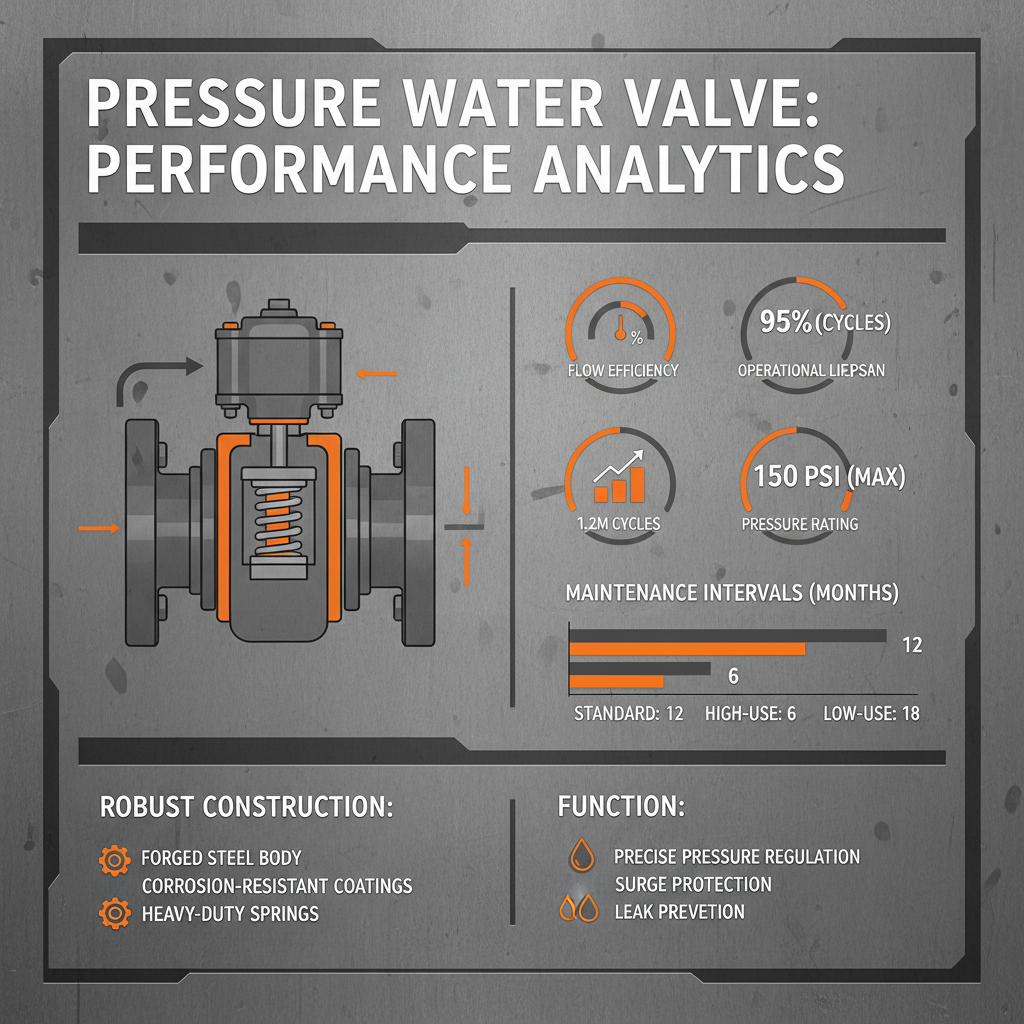
Pressure water valves aren't simply plumbing fixtures; they are vital control elements within comprehensive water systems. Their accurate operation directly impacts the efficiency of water distribution networks, reducing waste and ensuring consistent supply. In industrial settings, precise pressure control is paramount for optimizing processes and preventing damage to sensitive equipment.
The significance of these valves extends to public safety, as they protect against overpressure events that could lead to pipe bursts and water contamination. Choosing the right pressure water valve, coupled with regular inspection and maintenance, is an investment in the reliability and sustainability of any water-related infrastructure. pressure water valve plays a crucial role in maintaining these standards.
Pressure reducing valves (PRVs) offer several key benefits. They protect downstream piping and equipment from excessive pressure, preventing damage and extending their lifespan. They also reduce water wastage caused by leaks due to high pressure, resulting in cost savings. PRVs ensure a consistent water pressure even when the incoming supply fluctuates, enhancing user comfort and system efficiency. Proper sizing and maintenance are crucial for optimal performance.
Common materials include cast iron, known for its durability and cost-effectiveness, but susceptible to corrosion. Stainless steel offers excellent corrosion resistance and strength, making it ideal for demanding applications. PVC is a lightweight and cost-effective option for lower-pressure systems. Ductile iron provides a good balance of strength and corrosion resistance, while brass is often used for smaller valves due to its machinability and corrosion resistance.
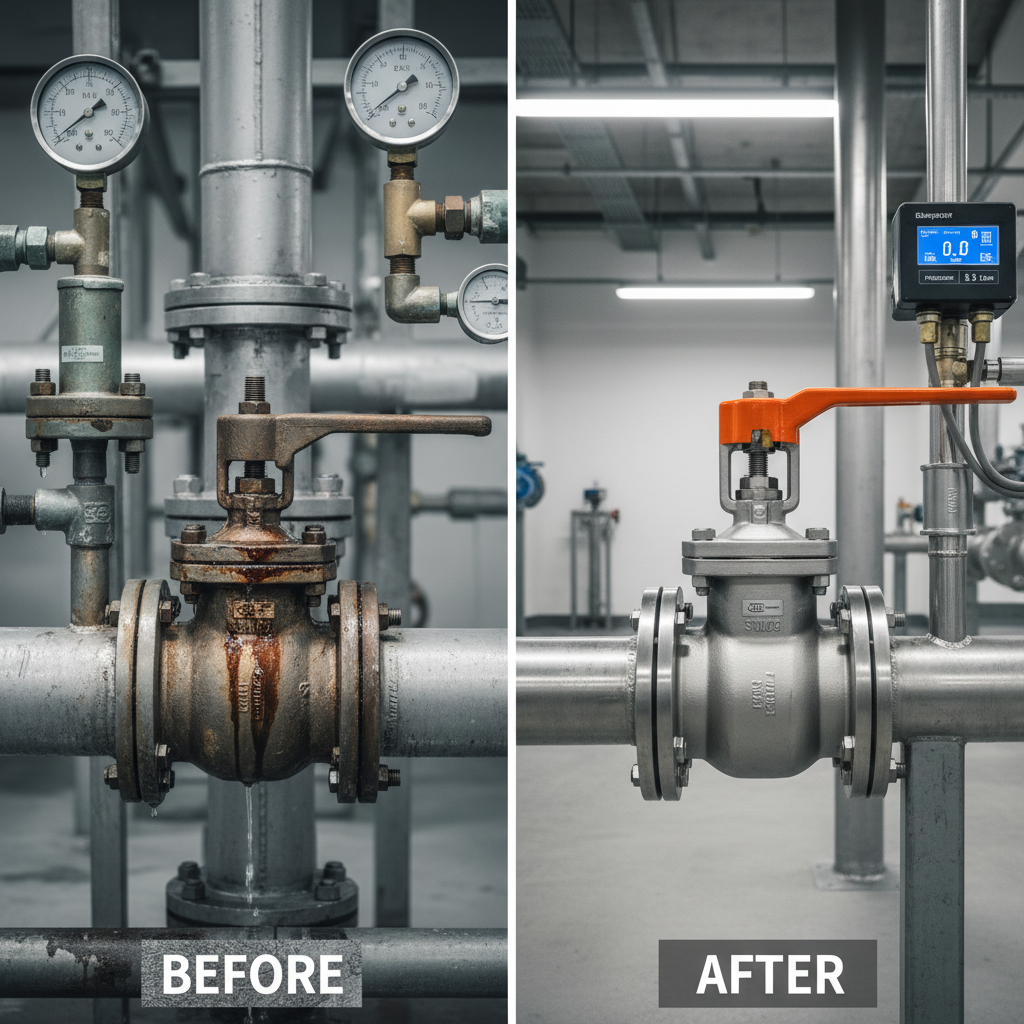
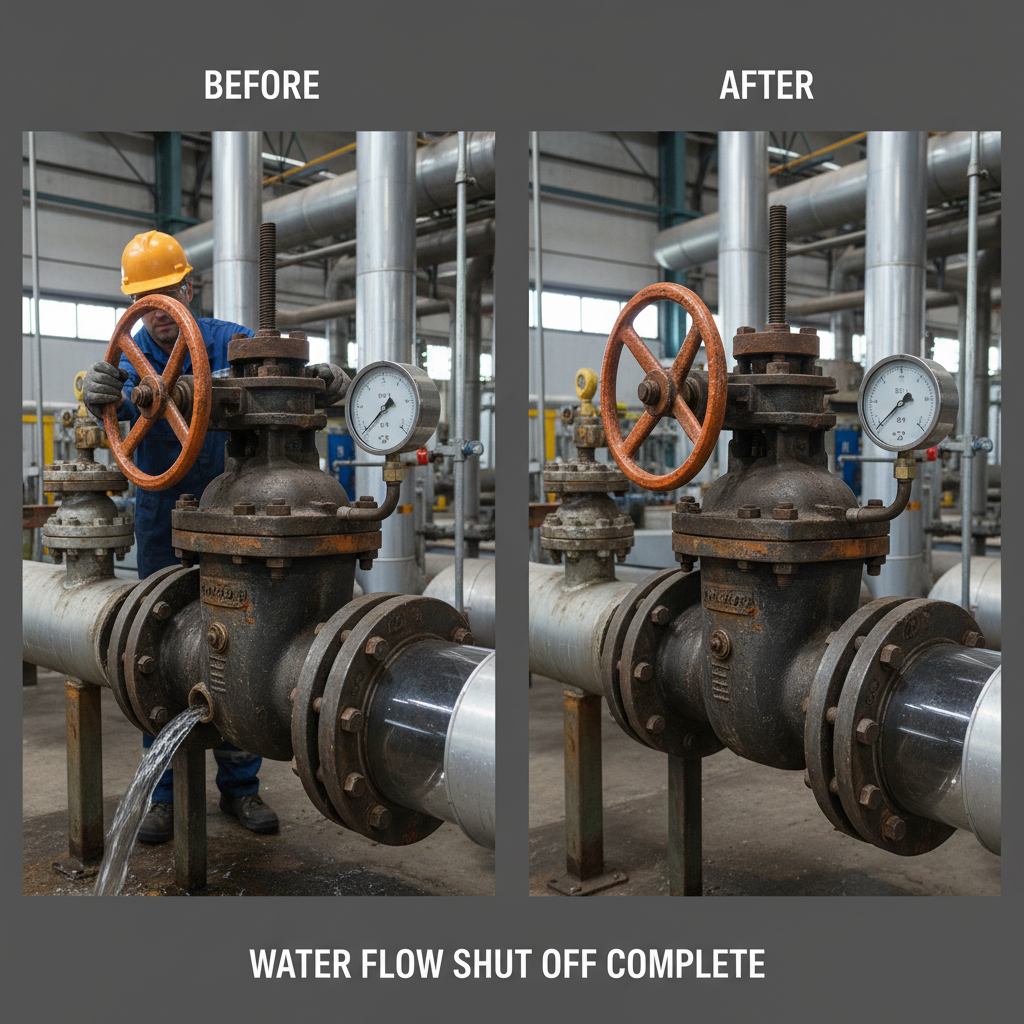
Regular inspection and maintenance are vital for ensuring the reliable operation of pressure water valve. Annual inspections are recommended, including checking for leaks, corrosion, and proper valve operation. Lubrication of moving parts should be performed as needed. Depending on the application and operating conditions, more frequent maintenance may be required. Keeping a maintenance log is beneficial for tracking performance and identifying potential issues.
Common causes include corrosion due to water quality, sediment buildup obstructing valve operation, wear and tear on internal components, and overpressure events exceeding the valve’s rating. Improper installation, inadequate maintenance, and exposure to extreme temperatures can also contribute to failure. Regularly flushing the system and installing filters can help prevent sediment buildup.
The size of the valve – its diameter – directly affects the flow rate and pressure drop within the system. An undersized valve will restrict flow, leading to reduced efficiency and increased pressure loss. An oversized valve may cause turbulence and cavitation, potentially damaging the valve and downstream equipment. Proper valve sizing is crucial and requires careful consideration of flow rate requirements and system pressure.
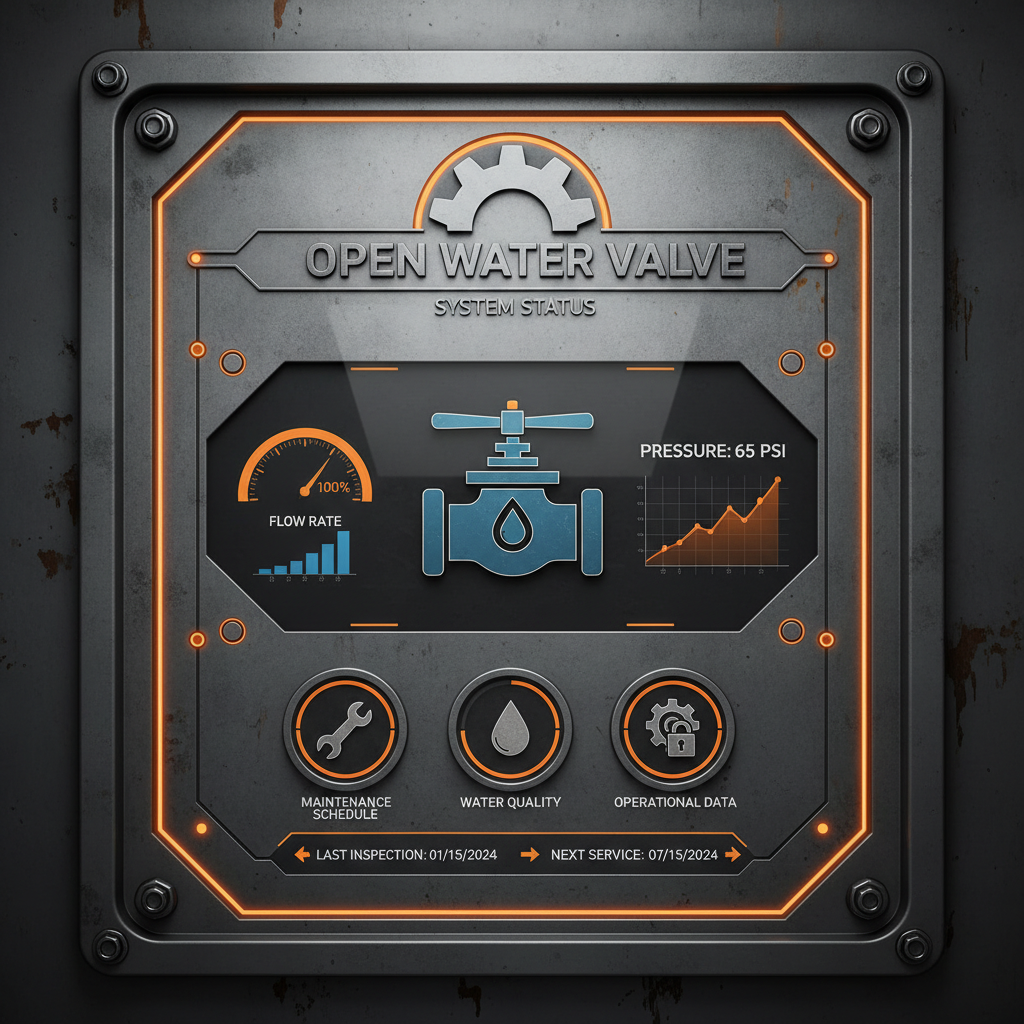
Yes, many pressure water valve can be automated using actuators and control systems. This allows for remote operation, precise pressure regulation, and integration with automated monitoring and control systems. Automated valves can improve efficiency, reduce labor costs, and enable real-time adjustments to system parameters. Smart valves can also provide valuable data for system analysis and optimization.
In conclusion, pressure water valve are fundamental components of modern water infrastructure, impacting everything from residential plumbing to large-scale industrial processes. Their ability to regulate and control water pressure is essential for ensuring safety, efficiency, sustainability, and reliability. Understanding the various types, materials, and functionalities of these valves is crucial for making informed decisions and maintaining optimal system performance.
Looking ahead, continued innovation in materials, smart technology, and automation will further enhance the capabilities of pressure water valve, contributing to a more resilient and sustainable water future. Investing in high-quality valves, implementing robust maintenance programs, and staying abreast of emerging trends are vital steps towards safeguarding this precious resource and ensuring access to clean water for all. Visit our website: www.strmachinery.com to learn more about our comprehensive range of pressure water valve solutions.

 Afrikaans
 Albanian
 Amharic
 Arabic
 Armenian
 Azerbaijani
 Basque
 Belarusian
 Bengali
 Bosnian
 Bulgarian
 Catalan
 Cebuano
 Corsican
 Croatian
 Czech
Czech
 Danish
 Dutch
Dutch
 Esperanto
 Estonian
 Finnish
 French
 Frisian
 Galician
 Georgian
 German
 Greek
Greek
 Gujarati
 Haitian Creole
 Hausa
Hausa
 Hawaiian
 Hebrew
 Hindi
Hindi
 Miao
Miao
 Hungarian
 Icelandic
 Igbo
Igbo
 Indonesian
 Irish
Irish
 Italian
 Japanese
 Javanese
 Kannada
 Kazakh
 Khmer
Khmer
 Rwandese
 Korean
 Kurdish
 Kyrgyz
 Lao
Lao
 Latin
Latin
 Latvian
 Lithuanian
 Luxembourgish
 Macedonian
 Malgashi
 Malay
Malay
 Malayalam
 Maltese
 Maori
Maori
 Marathi
 Mongolian
 Myanmar
 Nepali
 Norwegian
 Norwegian
 Occitan
 Pashto
 Persian
 Polish
 Portuguese
 Punjabi
 Romanian
 Russian
 Samoan
 Scottish Gaelic
 Serbian
 Sesotho
 Shona
Shona
 Sindhi
 Sinhala
 Slovak
 Slovenian
 Somali
 Spanish
 Sundanese
 Swahili
 Swedish
 Tagalog
 Tajik
Tajik
 Tamil
Tamil
 Tatar
Tatar
 Telugu
 Thai
Thai
 Turkish
 Turkmen
 Ukrainian
 Urdu
Urdu
 Uighur
 Uzbek
Uzbek
 Vietnamese
 Welsh
Welsh
 Bantu
Bantu
 Yiddish
 Yoruba
 Zulu
Zulu
 English