
When evaluating the 250mm gate valve price, procurement teams must look beyond the initial sticker cost to understand the total value proposition. A 250mm gate valve is a critical industrial component designed for on-off flow control in large-scale piping systems, where precision and durability are non-negotiable for operational safety.
In the heavy manufacturing and fastener sectors, the cost of a valve is often tied to material specifications, pressure ratings, and the precision of the sealing mechanism. For engineers and buyers, the challenge lies in balancing the capital expenditure with the long-term maintenance costs and the risk of unplanned downtime due to component failure.
This comprehensive guide analyzes the primary factors influencing 250mm gate valve pricing, providing a technical framework for selection and procurement. By examining material trade-offs and performance metrics, this article helps stakeholders make informed decisions that optimize both budget and system reliability.

1Understanding 250mm Gate Valve Pricing Fundamentals

The 250mm gate valve price is not a static number but a reflection of the manufacturing complexity and material quality. These valves are primarily used in water works, oil and gas, and chemical processing plants. The "gate" mechanism allows for a straight-through flow with minimal pressure drop, but the manufacturing of a 250mm diameter component requires high-precision casting and machining to ensure a leak-proof seal.
Standardization plays a huge role in pricing. Valves that adhere to international standards like API or ASME tend to be priced higher due to the rigorous testing and certification processes required to meet these benchmarks. However, these certifications provide a guarantee of safety and compatibility with other global piping components.
Furthermore, the manufacturing origin influences the final cost. Companies like Storaen (Cangzhou) International Trading Co. leverage strategic locations in industrial hubs like Botou to optimize supply chain costs, allowing them to provide high-precision engineering without unnecessary overhead.
2Key Technical Specifications Impacting Cost
The most significant driver of the 250mm gate valve price is the material composition. Cast iron is cost-effective for low-pressure water applications, while stainless steel or alloy steels are required for corrosive environments or high-temperature steam. The choice of alloy directly impacts the valve's resistance to oxidation and wear.
Pressure rating (PN or Class) is another critical factor. A valve designed for PN16 will be significantly cheaper than one rated for PN40. Higher pressure ratings require thicker walls and more robust bolting, increasing the weight of the product and the cost of raw materials.
The seating material—whether it is metal-to-metal or soft-seated (using PTFE or EPDM)—also affects the price. Metal seats are more durable for abrasive fluids, while soft seats provide a tighter seal at lower pressures, offering a different set of cost and performance trade-offs.
3Industrial Applications and Operational Requirements
In general equipment manufacturing and metal sealing industries, 250mm gate valves are deployed in cooling systems and main distribution lines. The operational requirement usually involves infrequent operation—opening and closing the valve only during maintenance or system resets—which makes the gate design ideal due to its low flow resistance.
In municipal water treatment, the priority is often longevity and corrosion resistance. A valve that can withstand decades of subterranean operation without leaking is the primary goal. Here, the 250mm gate valve price is weighed against the extreme cost of excavating a failed valve from under a city street.
For chemical processing, the application requires specialized alloys to prevent contamination and leakage. The integration of these valves into a larger system requires precise flange alignment, meaning the tolerances of the 250mm valve must be exact to avoid installation delays.
4Performance Metrics and Value Analysis
Analyzing the value of a 250mm gate valve requires looking at its efficiency over time. While the initial purchase price is important, the "cost per cycle" and "leakage rate per year" provide a clearer picture of the ROI. High-quality casting ensures that the internal surfaces are smooth, reducing turbulence and erosion.
The relationship between precision engineering and operational cost is linear. A valve with a perfectly machined wedge will require less torque to operate and will be less prone to "sticking," which reduces the labor costs associated with manual valve operation in the field.
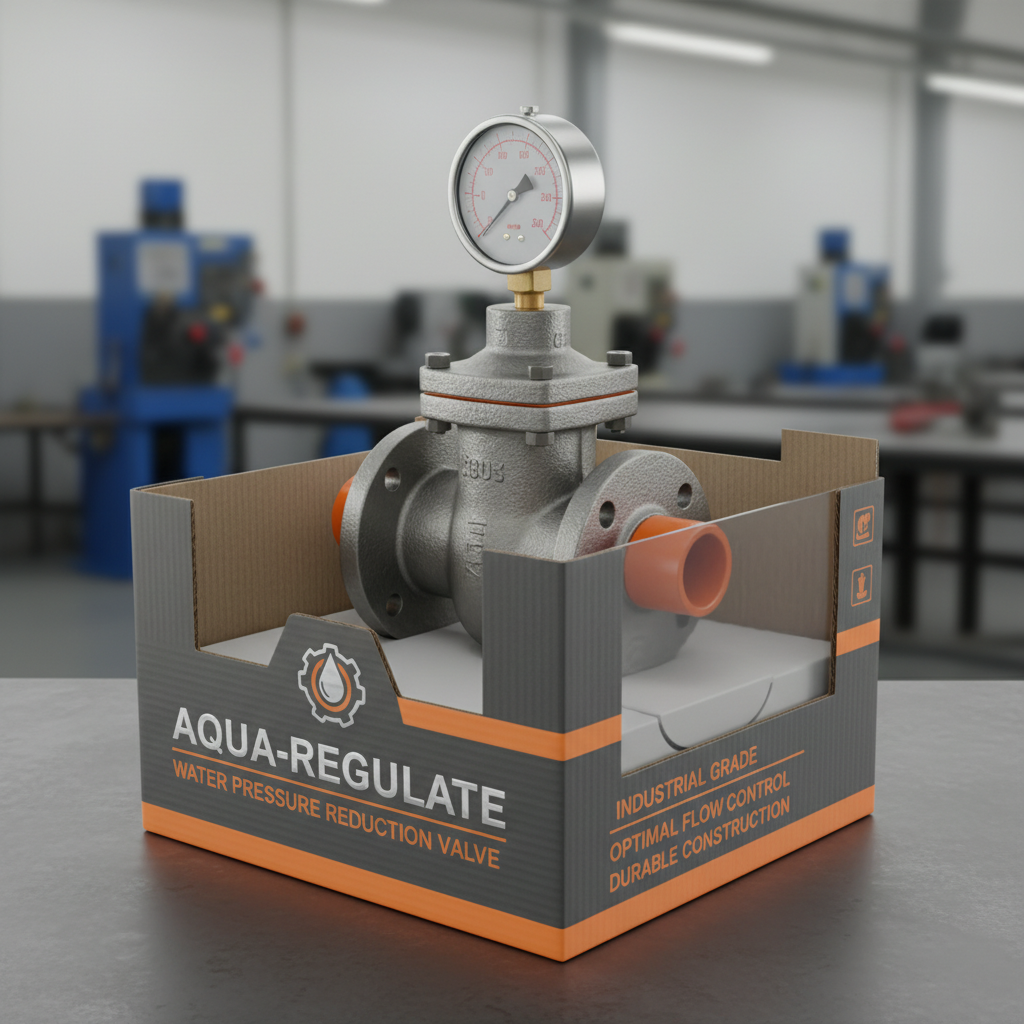
250mm gate valve price Performance Metrics
As shown in the metrics, investing in a higher-grade valve typically results in superior seal integrity and a higher pressure rating. This reduces the frequency of maintenance intervals, effectively lowering the total cost of ownership despite a higher initial 250mm gate valve price.
5Procurement Strategies and Selection Criteria
Procurement teams should use a weighted matrix to evaluate suppliers. Rather than selecting based on the lowest 250mm gate valve price, weights should be assigned to material certifications, lead times, and the supplier's history of quality control. Verifying the casting process is essential to avoid internal voids or defects.
Compatibility with existing infrastructure is another critical criterion. Ensure that the flange drilling patterns (e.g., ANSI vs DIN) match your current piping. A cheap valve that requires expensive adapters or piping modifications is ultimately more expensive.
Lastly, consider the supplier's ability to provide technical support. A manufacturer that can offer guidance on selection and installation, such as those focused on precision engineering in Botou, adds intangible value that reduces the risk of incorrect specification.
6Maintenance Considerations and Long-term ROI
Maintenance of a 250mm gate valve typically involves checking the packing gland for leaks and lubricating the stem. Valves designed with high-quality stem seals require less frequent adjustment, which is a significant advantage in plants where valves are located in hard-to-reach areas.
The long-term ROI is realized through the prevention of "passing"—where the valve fails to shut off the flow completely. A valve that leaks even slightly can cause significant losses in pumped fluids or create safety hazards during maintenance shutdowns.
When the 250mm gate valve price includes high-grade corrosion-resistant coatings, the lifespan can be extended by several years. This reduces the lifecycle cost by delaying the need for full valve replacement, making the higher initial investment a logical financial choice.
7Comparison of Valve Materials and Options
Choosing the right material is the most critical decision in determining the 250mm gate valve price. The following table compares common material options based on typical industrial requirements to help procurement teams align their budget with their technical needs.
While cast iron is the baseline for budget-conscious projects, ductile iron and stainless steel offer the resilience needed for critical infrastructure. The trade-off is a higher upfront cost for significantly lower risk of catastrophic failure.
| Material | Best Use Case | Price Level | Durability |
|---|---|---|---|
| Cast Iron | Low-pressure water | Economy | Moderate |
| Ductile Iron | Municipal water/Gas | Mid-range | High |
| Carbon Steel | Oil and Gas | High | Very High |
| Stainless Steel | Chemical/Corrosive | Premium | Extreme |
| Alloy Steel | High Temp/Pressure | Premium+ | Extreme |
| Bronze | Marine/Saltwater | High | High |
Ultimately, the most "cost-effective" valve is the one that lasts the entire design life of the system without unplanned failure. By matching the material to the fluid chemistry and pressure, you optimize the 250mm gate valve price relative to its performance.
Frequently Asked Questions
Conclusion
Navigating the 250mm gate valve price requires a strategic balance between initial expenditure and operational reliability. By focusing on material suitability, pressure requirements, and the total cost of ownership, procurement teams can avoid the pitfalls of under-specification and minimize the risk of costly system downtime.
For those seeking high-precision industrial components backed by expert engineering, reviewing technical specifications from experienced suppliers is the best path forward. Interested parties can explore compatible solutions and product data at www.strmachinery.com.




 English
 Afrikaans
 Albanian
 Amharic
 Arabic
 Armenian
 Azerbaijani
 Basque
 Belarusian
 Bengali
 Bosnian
 Bulgarian
 Catalan
 Cebuano
 Corsican
 Croatian
 Czech
 Danish
 Dutch
 Esperanto
 Estonian
 Finnish
 French
 Frisian
 Galician
 Georgian
 German
 Greek
 Gujarati
 Haitian Creole
 Hausa
 Hawaiian
 Hebrew
 Hindi
 Miao
 Hungarian
 Icelandic
 Igbo
 Indonesian
 Irish
 Italian
 Japanese
 Javanese
 Kannada
 Kazakh
 Khmer
 Rwandese
 Korean
 Kurdish
 Kyrgyz
 Lao
 Latin
 Latvian
 Lithuanian
 Luxembourgish
 Macedonian
 Malgashi
 Malay
 Malayalam
 Maltese
 Maori
 Marathi
 Mongolian
 Myanmar
 Nepali
 Norwegian
 Norwegian
 Occitan
 Pashto
 Persian
 Polish
 Portuguese
 Punjabi
 Romanian
 Russian
 Samoan
 Scottish Gaelic
 Serbian
 Sesotho
 Shona
 Sindhi
 Sinhala
 Slovak
 Slovenian
 Somali
 Spanish
 Sundanese
 Swahili
 Swedish
 Tagalog
 Tajik
 Tamil
 Tatar
 Telugu
 Thai
 Turkish
 Turkmen
 Ukrainian
 Urdu
 Uighur
 Uzbek
 Vietnamese
 Welsh
 Bantu
 Yiddish
 Yoruba
 Zulu