A reliable shut off water valve is a cornerstone of modern infrastructure, playing a vital role in everything from residential plumbing to large-scale industrial processes. Its significance extends beyond simple convenience; it's a critical component in ensuring safety, preventing costly damage, and maintaining the efficient operation of essential systems. Understanding the nuances of these valves—their types, functions, and proper maintenance—is paramount for professionals and homeowners alike.
Globally, the demand for efficient and dependable shut off water valve solutions is continuously increasing. This is driven by factors like population growth, urbanization, aging infrastructure, and increasing awareness of water conservation. According to the UN, billions of people still lack access to safe water, and water scarcity is a growing concern in many regions. Effective water management, facilitated by robust shut off valves, is therefore essential for sustainable development.
The implementation of robust shut off water valve systems isn’t simply a technical upgrade; it's an investment in security and peace of mind. From mitigating burst pipe emergencies to enabling scheduled maintenance without service interruption, these valves represent a proactive approach to resource management and infrastructure preservation.
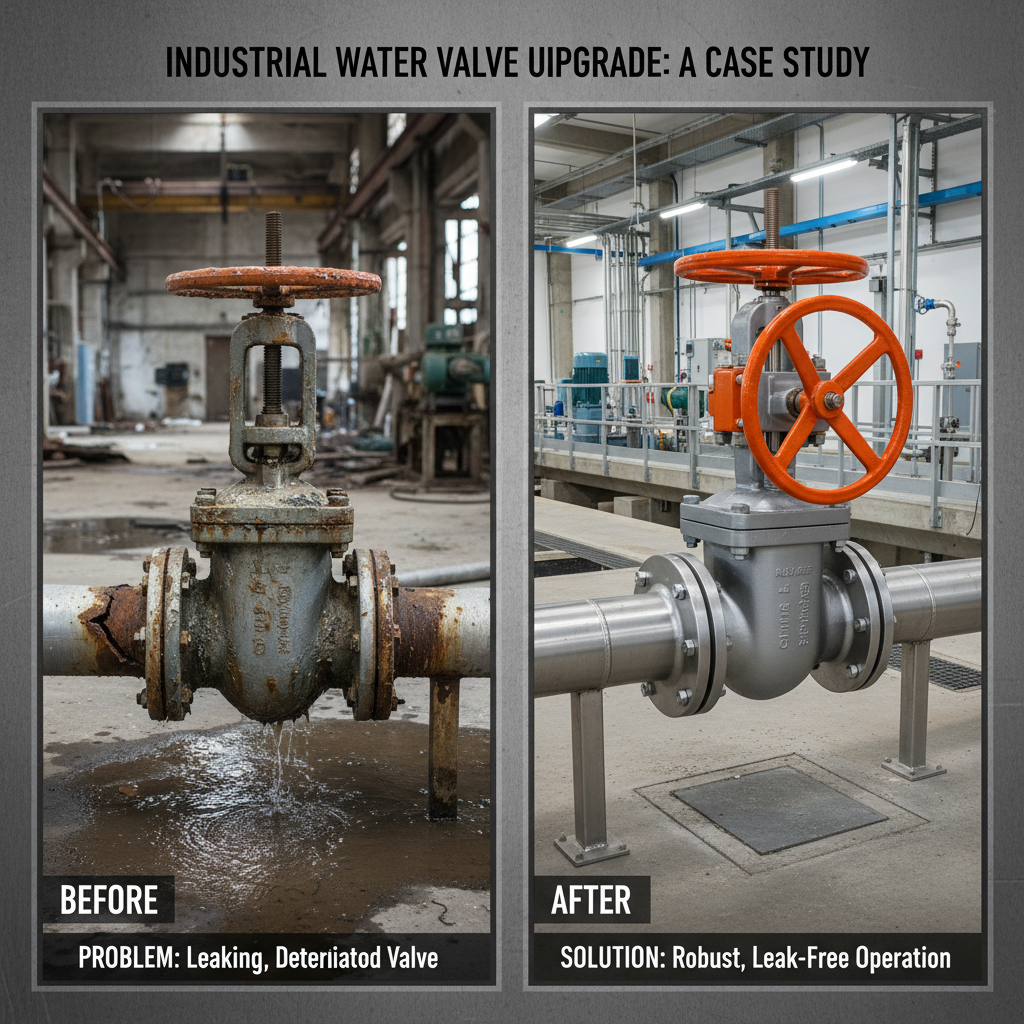
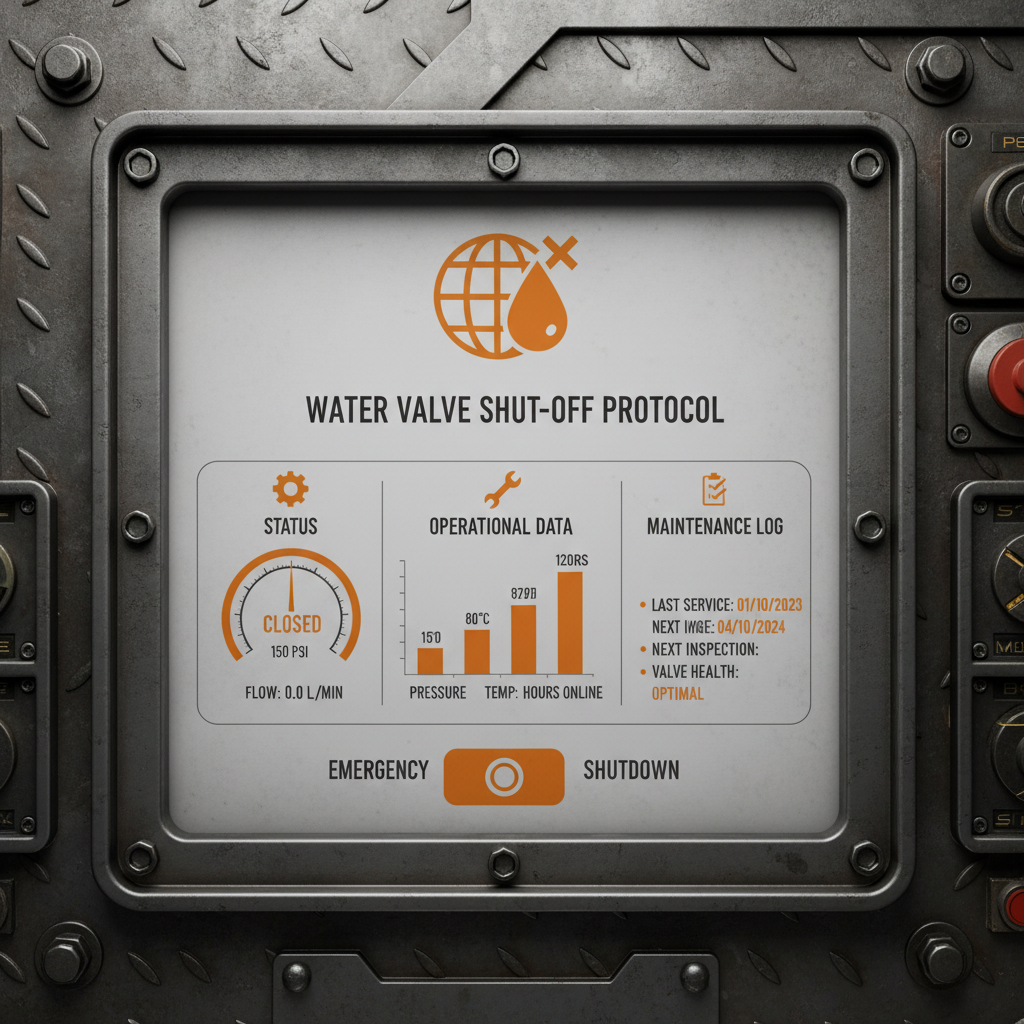
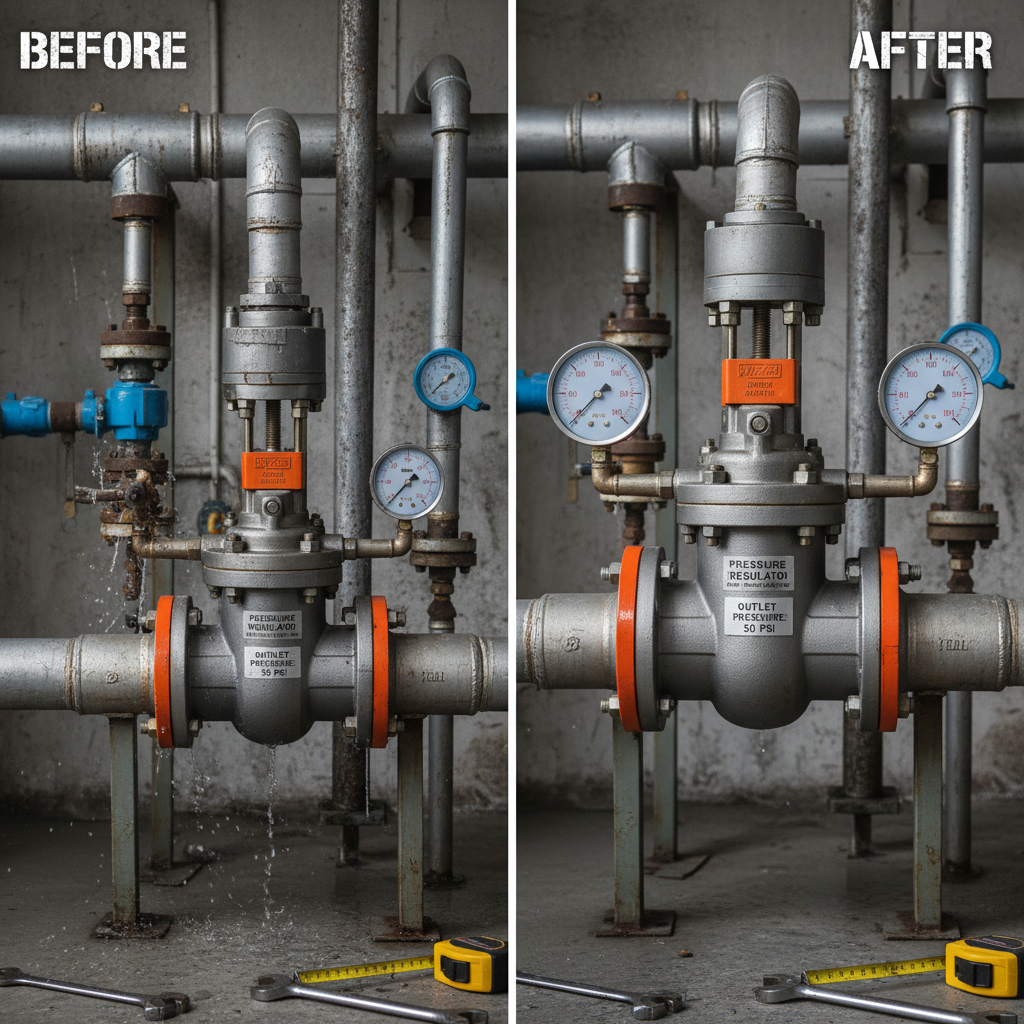
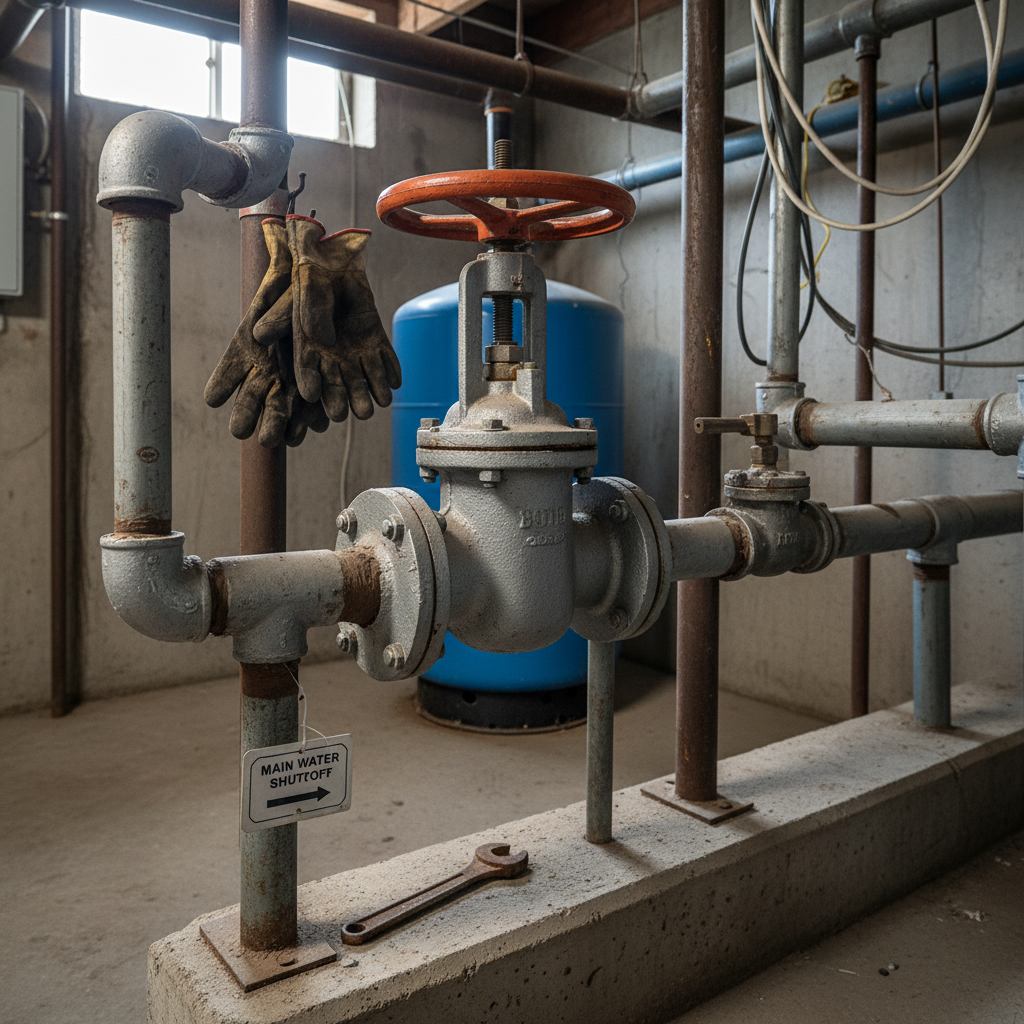
The primary importance of a shut off water valve lies in its ability to quickly and effectively isolate sections of a water system. This functionality is critical in emergency situations like burst pipes, preventing extensive water damage and allowing for rapid repairs. Without a reliable shut off valve, even a small leak can escalate into a significant and expensive problem.
Beyond emergency response, these valves are vital for routine maintenance and upgrades. They allow plumbers and maintenance personnel to work on specific sections of the plumbing system without shutting down the entire water supply, minimizing disruption to occupants or operations. Properly functioning valves contribute significantly to overall system efficiency and longevity.
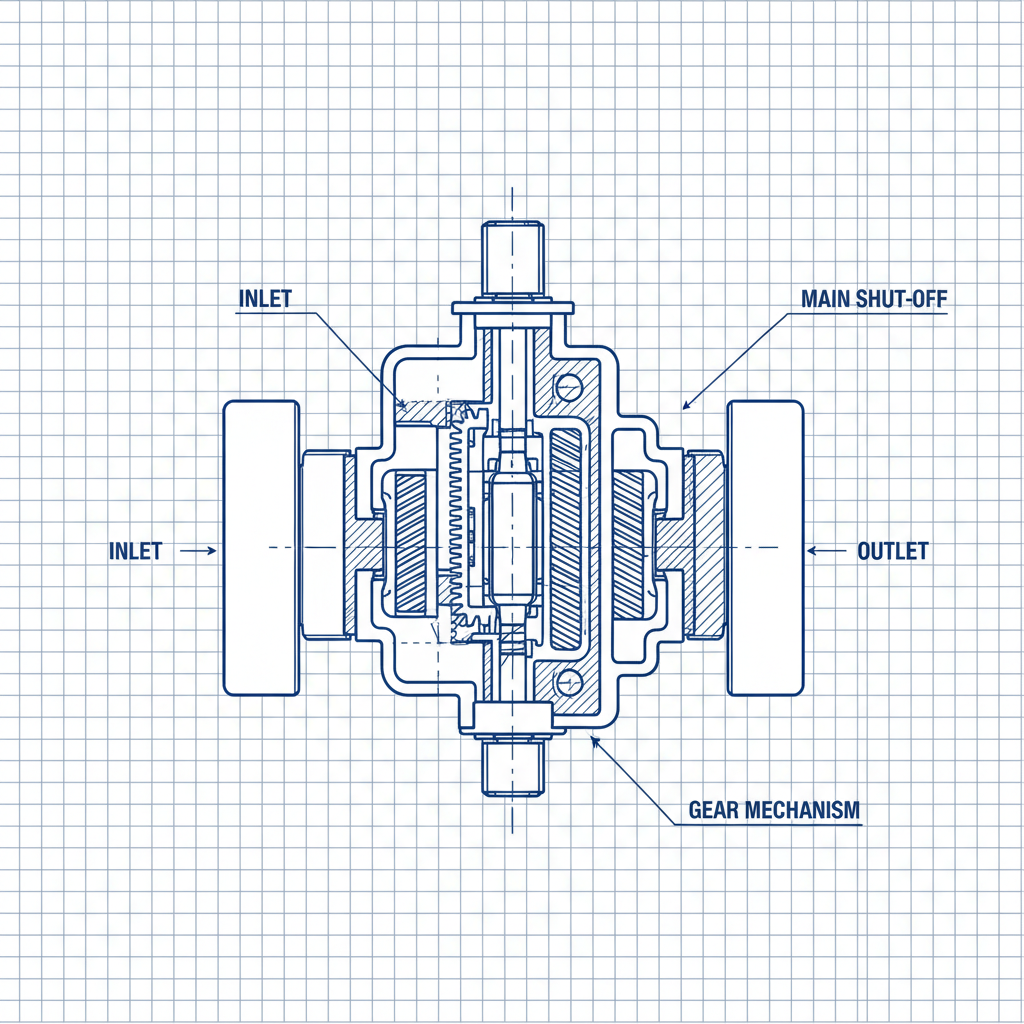
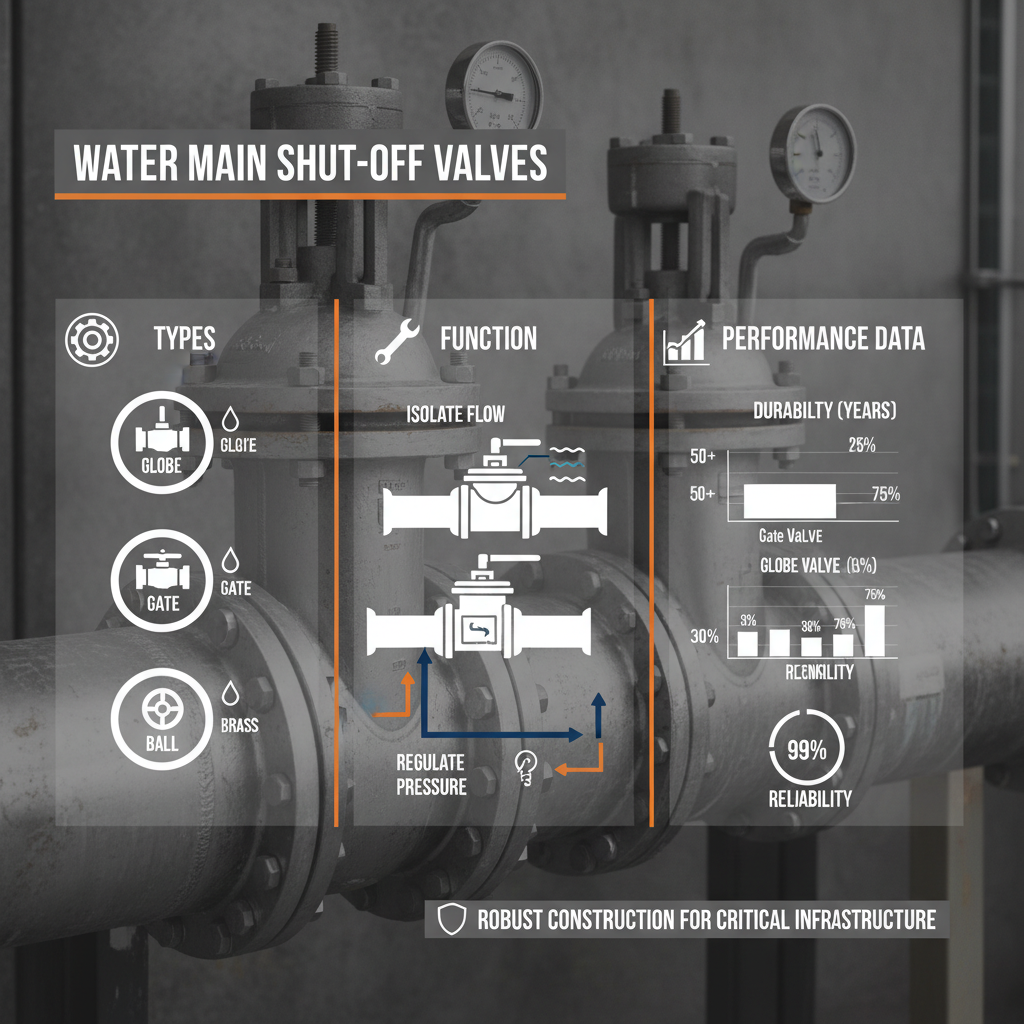
The most common types include ball valves, gate valves, globe valves, butterfly valves, and check valves. Ball valves are known for their quick shut-off, gate valves for regulating flow, globe valves for precise throttling, butterfly valves for large volume control, and check valves for preventing backflow. Selecting the right type depends on the specific application and required performance characteristics.
It's recommended to inspect your shut off water valve at least once a year, or more frequently if you live in an area prone to freezing temperatures or have experienced previous plumbing issues. Look for signs of corrosion, leaks, or difficulty in operation. Regular inspection can prevent minor issues from escalating into major problems.
Minor leaks, such as those around the handle, can sometimes be repaired by tightening packing nuts. However, more significant leaks or internal valve damage usually require professional repair or replacement. Attempting to repair a valve without the proper knowledge and tools can worsen the problem and potentially cause water damage.
Common materials include brass, bronze, stainless steel, PVC, and CPVC. Brass and bronze are popular choices for their durability and corrosion resistance. Stainless steel is ideal for high-pressure applications. PVC and CPVC are lightweight and cost-effective for certain residential applications.
A full port ball valve has an internal diameter equal to the pipe's diameter, offering unrestricted flow. A reduced port valve has a smaller diameter opening, creating some flow restriction. Full port valves are preferred when maximizing flow rate is critical, while reduced port valves can be more cost-effective in certain applications.
The valve size must match the pipe diameter. Using a valve that is too small will restrict flow and increase pressure drop, while a valve that is too large may not provide adequate shut-off. Always consult with a plumbing professional to ensure proper sizing for your specific application.
In summary, a shut off water valve is a deceptively simple yet incredibly vital component of modern infrastructure. Its role extends far beyond basic plumbing, impacting water conservation, safety, operational efficiency, and even global sustainability efforts. Understanding its function, types, and proper maintenance is crucial for both professionals and homeowners alike.
Looking ahead, the continued integration of smart technology and advancements in materials science promise to revolutionize shut off valve technology, offering enhanced performance, reliability, and control. Investing in these innovations will not only minimize risks but also contribute to a more sustainable and resilient water management future. Visit our website at www.strmachinery.com to learn more about our comprehensive range of shut off valve solutions.

 Afrikaans
 Albanian
 Amharic
 Arabic
 Armenian
 Azerbaijani
 Basque
 Belarusian
 Bengali
 Bosnian
 Bulgarian
 Catalan
 Cebuano
 Corsican
 Croatian
 Czech
Czech
 Danish
 Dutch
Dutch
 Esperanto
 Estonian
 Finnish
 French
 Frisian
 Galician
 Georgian
 German
 Greek
Greek
 Gujarati
 Haitian Creole
 Hausa
Hausa
 Hawaiian
 Hebrew
 Hindi
Hindi
 Miao
Miao
 Hungarian
 Icelandic
 Igbo
Igbo
 Indonesian
 Irish
Irish
 Italian
 Japanese
 Javanese
 Kannada
 Kazakh
 Khmer
Khmer
 Rwandese
 Korean
 Kurdish
 Kyrgyz
 Lao
Lao
 Latin
Latin
 Latvian
 Lithuanian
 Luxembourgish
 Macedonian
 Malgashi
 Malay
Malay
 Malayalam
 Maltese
 Maori
Maori
 Marathi
 Mongolian
 Myanmar
 Nepali
 Norwegian
 Norwegian
 Occitan
 Pashto
 Persian
 Polish
 Portuguese
 Punjabi
 Romanian
 Russian
 Samoan
 Scottish Gaelic
 Serbian
 Sesotho
 Shona
Shona
 Sindhi
 Sinhala
 Slovak
 Slovenian
 Somali
 Spanish
 Sundanese
 Swahili
 Swedish
 Tagalog
 Tajik
Tajik
 Tamil
Tamil
 Tatar
Tatar
 Telugu
 Thai
Thai
 Turkish
 Turkmen
 Ukrainian
 Urdu
Urdu
 Uighur
 Uzbek
Uzbek
 Vietnamese
 Welsh
Welsh
 Bantu
Bantu
 Yiddish
 Yoruba
 Zulu
Zulu
 English