

Nov . 03, 2025 18:25 Back to list
Guide Rail Types: Which Delivers Precision & Heavy Load?
A Practical Insider’s Guide to guide rail types for Heavy Assembly Floors
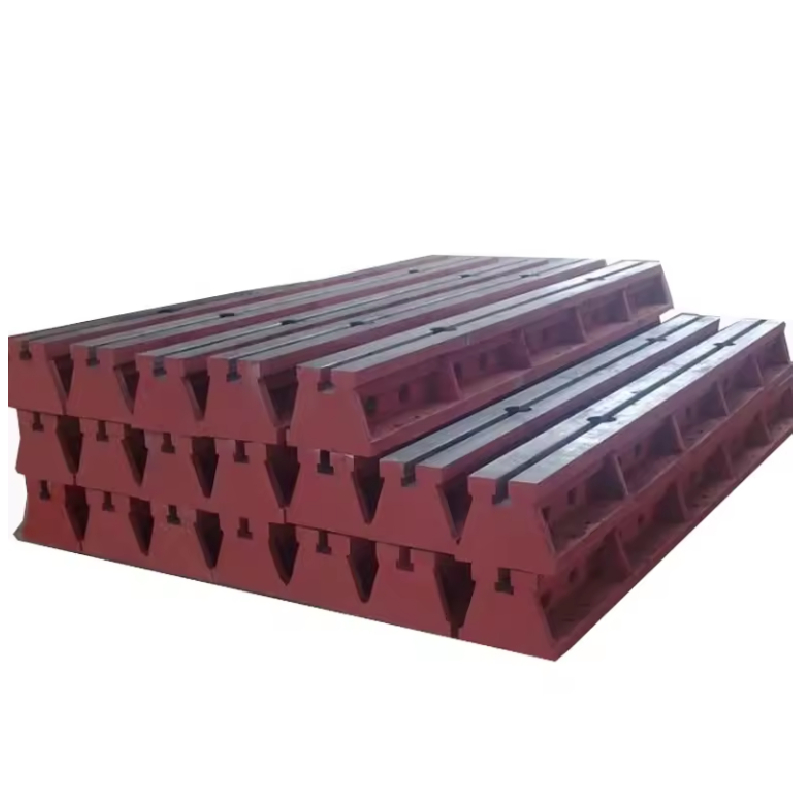
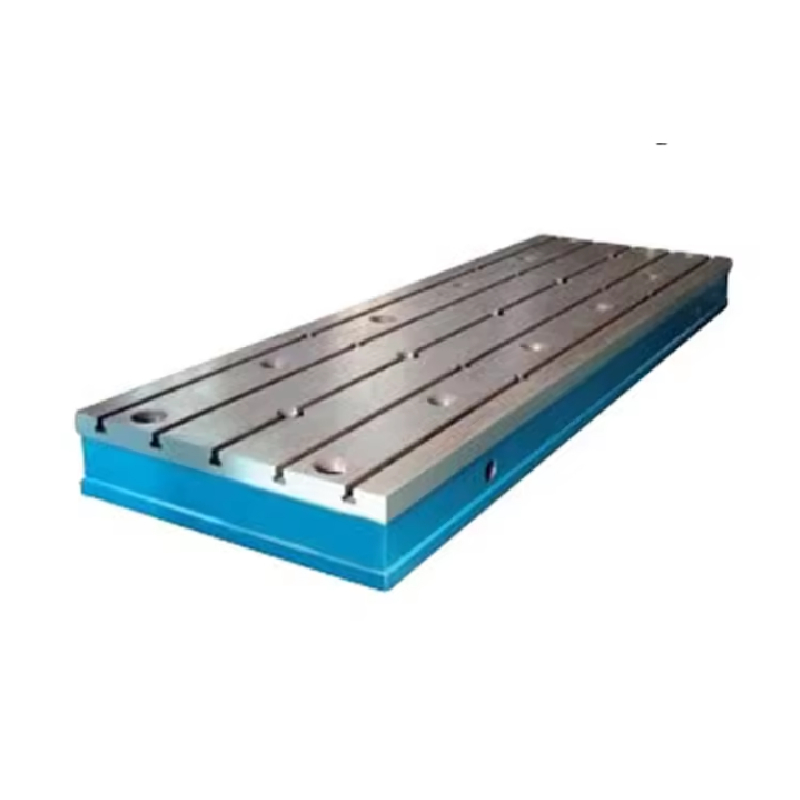
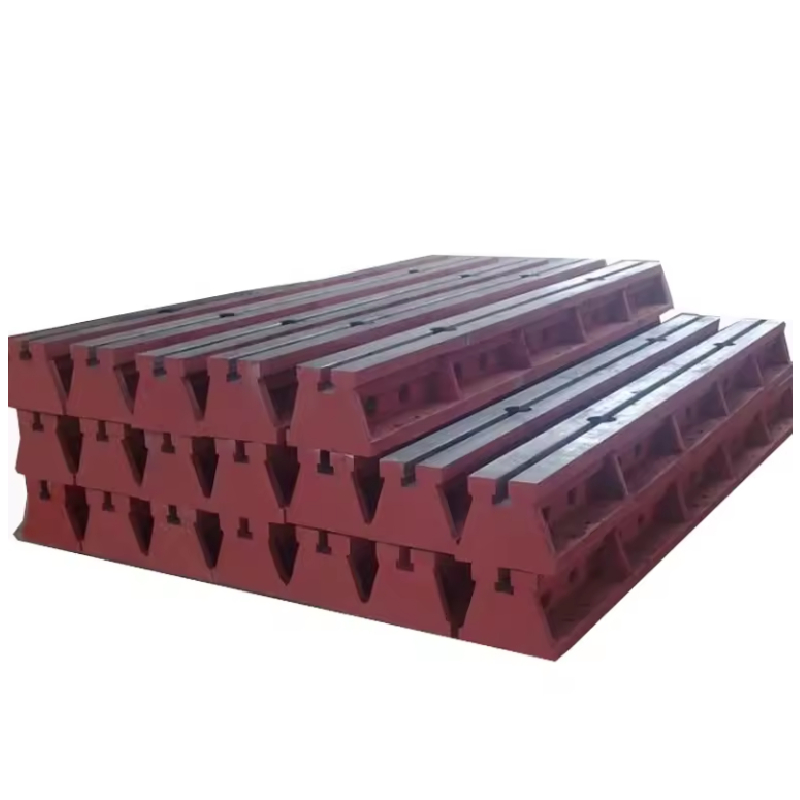
If you’ve ever tried to square a 40‑ton housing on a deadline, you know the floor is either your best friend or your worst enemy. Cast iron T‑slot ground rails—sometimes called floor rails—have become the go‑to choice for assembling, trialing, welding and testing large equipment. They replace massive surface plates, save space, and, to be honest, make reconfiguration a lot less painful.
What we mean by guide rail types
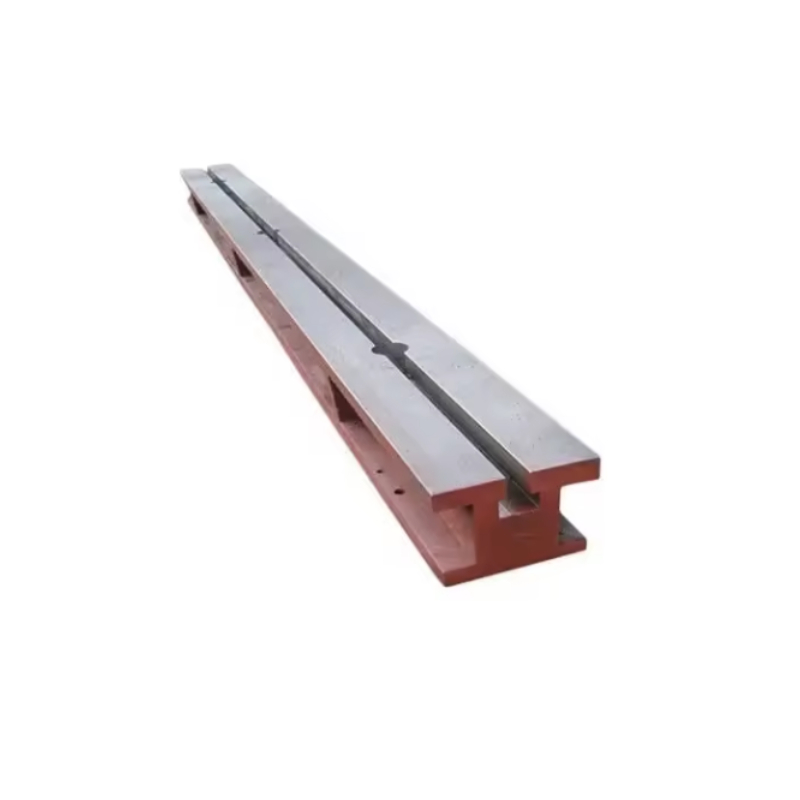
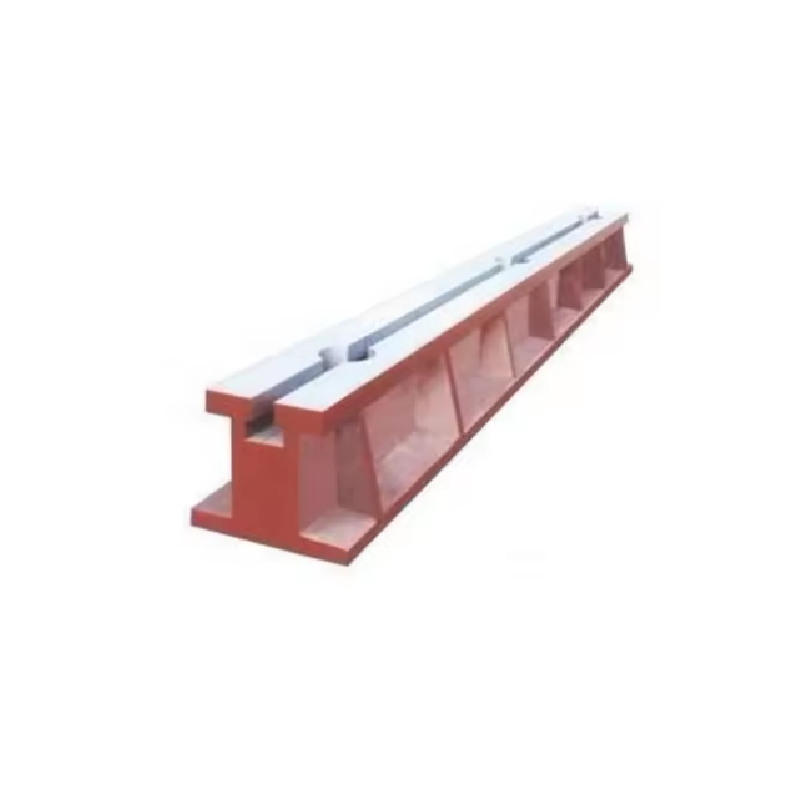
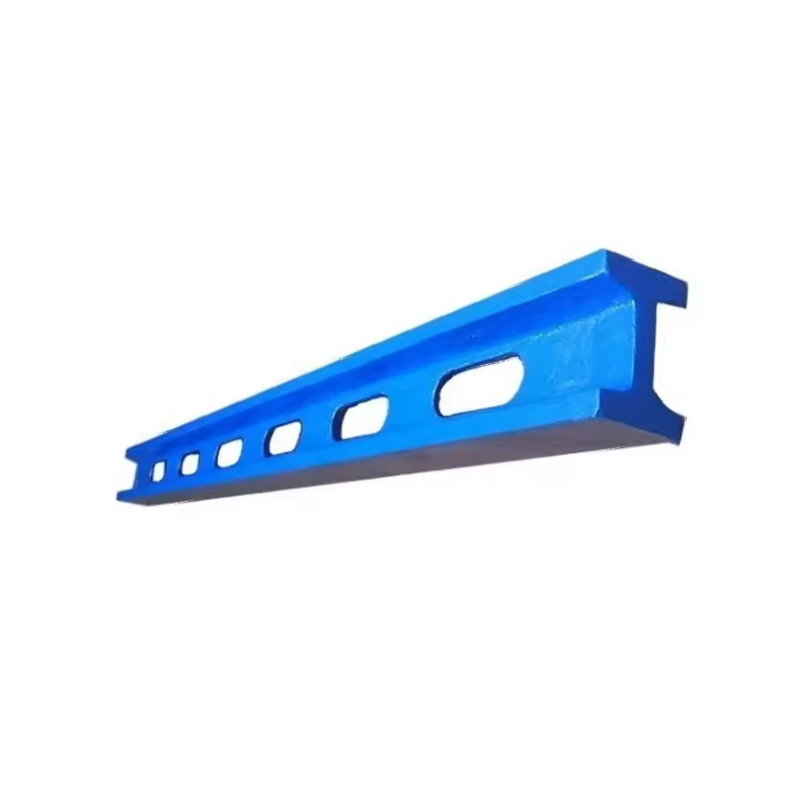
On factory floors you’ll encounter: - Cast iron T‑slot ground rails (modular sections joined into a platform) - Dovetail alignment rails (older rebuild shops still love these) - Linear motion rails (profiled/roller types for machine axes) - Specialty crane/transfer rails
This piece zeroes in on cast iron T‑slot ground rails, particularly the Guide Rail system from Botou, Cangzhou (No.17, Building 11, Hardware Building Material City, Hebei, China). It’s the category quietly winning big projects because it balances precision, cost, and footprint.
Industry trends (what buyers are asking for)
- Modularity: re‑slot a line in hours, not weeks.
- Higher flatness over long runs: ≈0.05–0.12 mm/m in real-world use.
- Better anchoring and grouting systems for quick commissioning.
- Traceable QA: third‑party flatness and hardness reports.
Process flow and QA (nuts and bolts)
Materials: high‑strength gray cast iron (HT300 / EN‑GJL‑300). Methods: sand casting, stress‑relief annealing, rough machining, natural aging (it still works), finish CNC planing/milling, then hand scraping where needed. Testing: flatness per DIN 876, T‑slot geometry per DIN 650, hardness HB ≈180–240, surface roughness Ra ≈3.2–6.3 μm. Service life: 10–20+ years with periodic re‑scraping and oiling; I’ve seen 25 years on a well‑kept platform.
Where they shine
Heavy gearbox assembly, turbine housings, ship blocks, wind components, rail bogies, construction equipment frames—anywhere you need rigid, repeatable clamping and accurate referencing. Many customers say the biggest win is not the microns; it’s the flexibility of re‑jigging without buying a new plate.
Product snapshot
| Model | Material | T‑slot (DIN 650) | Flatness | Size (L×W×T) | Hardness | Load |
|---|---|---|---|---|---|---|
| GR-300 | HT300 | 22 / 24 | ≈0.05–0.08 mm/m | 1000×300×80 mm | HB 180–220 | ≈6–8 t/section |
| GR-500 | EN‑GJL‑300 | 24 / 28 | ≈0.06–0.12 mm/m | 1500×500×110 mm | HB 190–240 | ≈10–12 t/section |
Certification: ISO 9001 factory QA, material 3.1 certs (EN 10204), optional third‑party flatness report (SGS or equivalent). Real‑world use may vary with installation quality (grout, anchors, base prep).
Vendor comparison (from my notebook)
| Vendor | Lead Time | Certs | Customization | Price | After‑sales |
|---|---|---|---|---|---|
| STR Machinery (Botou) | 4–8 weeks | ISO 9001, 3.1 | Slots, anchors, lengths | $$ (competitive) | Remote + onsite |
| Local Fabricator | 2–6 weeks | Varies | Limited | $–$$ | Varies |
| EU Brand | 8–14 weeks | ISO 9001, 3.1, extras | High | $$$ | Strong |
Customization checklist
- T‑slot size and pitch (DIN 650 14–28 typical)
- Anchor and grout design (flush or raised)
- Reference holes, datum strips, anti‑rust coating
- Integrated cable trenches or vacuum channels (occasionally asked—surprisingly handy)
Real‑world notes and data
Case 1 (gearbox line): 36 m platform of GR‑500, verified flatness 0.07 mm/m; commissioning cut by ~30% vs a welded jig bed. Case 2 (wind hub welding): thermal cycles were rough; rails held within 0.12 mm/m after six months, then a quick re‑scrape. Feedback: “Clamping flexibility saved us two fixtures.”
If you’re comparing guide rail types, weigh floor prep and grout. A good rail on a bad base is—well—bad. Ask for a laser flatness map and 3.1 material certs upfront.
Standards & references
- DIN 876: Flatness tolerances for surface plates and alignments.
- DIN 650: T‑slots; dimensions and tolerances for clamping.
- ISO 2768: General tolerances for linear and angular dimensions.
- EN 10204: Type 3.1 inspection certificates.
- ISO 4287: Surface texture parameters (Ra, Rz) for machined cast iron.
-
Ultimate Guide to Using a Professional Metre Spirit LevelNewsApr.16,2026
-
Ultimate Guide to Using and Choosing a Meter Spirit LevelNewsApr.09,2026
-
A Comprehensive Guide to Selecting the Ideal Meter Long Spirit Level for Accurate MeasurementsNewsApr.07,2026
-
Choosing the Perfect Metal Spirit Level for Accurate Measurements and ProjectsNewsApr.04,2026
-
Exploring the Diverse Levels of Spirits Quality and Production TechniquesNewsMar.31,2026
-
Understanding the Precision of a Level Spirit Level for Accurate MeasurementsNewsMar.28,2026
 Afrikaans
 Albanian
 Amharic
 Arabic
 Armenian
 Azerbaijani
 Basque
 Belarusian
 Bengali
 Bosnian
 Bulgarian
 Catalan
 Cebuano
 Corsican
 Croatian
 Czech
Czech
 Danish
 Dutch
Dutch
 Esperanto
 Estonian
 Finnish
 French
 Frisian
 Galician
 Georgian
 German
 Greek
Greek
 Gujarati
 Haitian Creole
 Hausa
Hausa
 Hawaiian
 Hebrew
 Hindi
Hindi
 Miao
Miao
 Hungarian
 Icelandic
 Igbo
Igbo
 Indonesian
 Irish
Irish
 Italian
 Japanese
 Javanese
 Kannada
 Kazakh
 Khmer
Khmer
 Rwandese
 Korean
 Kurdish
 Kyrgyz
 Lao
Lao
 Latin
Latin
 Latvian
 Lithuanian
 Luxembourgish
 Macedonian
 Malgashi
 Malay
Malay
 Malayalam
 Maltese
 Maori
Maori
 Marathi
 Mongolian
 Myanmar
 Nepali
 Norwegian
 Norwegian
 Occitan
 Pashto
 Persian
 Polish
 Portuguese
 Punjabi
 Romanian
 Russian
 Samoan
 Scottish Gaelic
 Serbian
 Sesotho
 Shona
Shona
 Sindhi
 Sinhala
 Slovak
 Slovenian
 Somali
 Spanish
 Sundanese
 Swahili
 Swedish
 Tagalog
 Tajik
Tajik
 Tamil
Tamil
 Tatar
Tatar
 Telugu
 Thai
Thai
 Turkish
 Turkmen
 Ukrainian
 Urdu
Urdu
 Uighur
 Uzbek
Uzbek
 Vietnamese
 Welsh
Welsh
 Bantu
Bantu
 Yiddish
 Yoruba
 Zulu
Zulu
 English