

Jun . 26, 2024 14:17 Back to list
Secure Your Load 20
The Importance of 1 Track Tie Downs in Railway Safety
In the intricate and complex world of railway engineering, safety is paramount, and one seemingly small yet critical component that plays a significant role in this is the 1 track tie down. These humble fixtures, often overlooked, are the unsung heroes ensuring the stability and integrity of the rail network.
Track ties, also known as sleepers, are the foundational elements that hold the rails in place, providing a solid base for the train wheels to run on. The term '1 ' in this context refers to the standard gauge width between the two rails, which is typically 4 feet 8.5 inches or approximately 1.435 meters, representing about 1 of the distance covered by a train wheel in one rotation. This standardized dimension is crucial for maintaining consistent track alignment and ensuring smooth train movement.
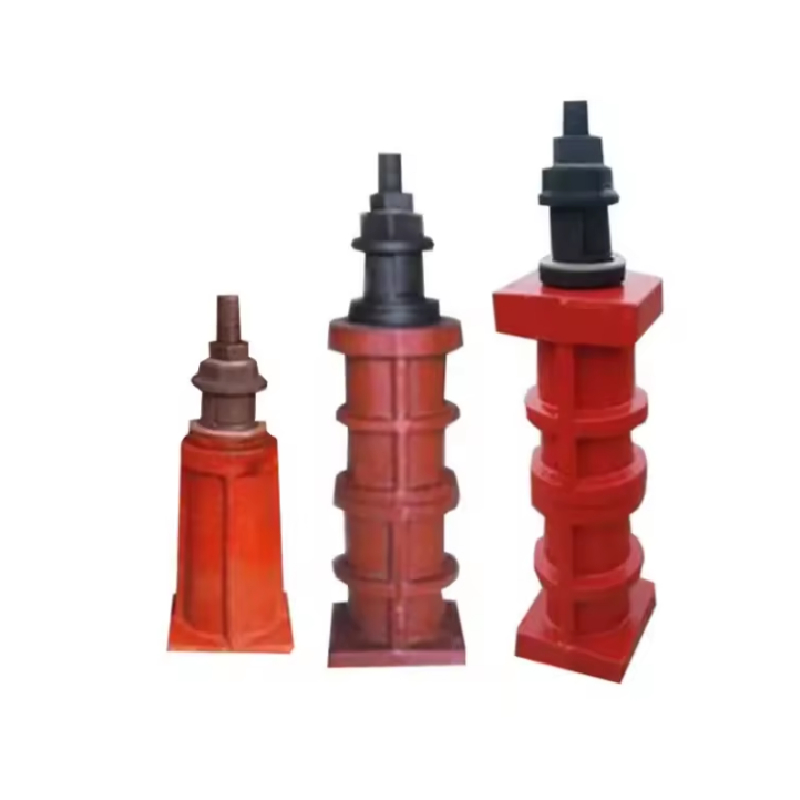
Track tie downs, however, go beyond mere gauge maintenance. They anchor the ties to the ballast, the layer of stones beneath the tracks that distributes the load from the tracks and trains to the ground. The 1 tie downs are designed to withstand the immense forces exerted by the passing trains, resisting lateral movement and preventing the tracks from shifting or buckling under pressure.
During high-speed operations or in extreme weather conditions, the stability of the tracks becomes even more critical. The 1 track tie downs act as the first line of defense against potential derailments, ensuring that the tracks remain securely in position The 1 track tie downs act as the first line of defense against potential derailments, ensuring that the tracks remain securely in position The 1 track tie downs act as the first line of defense against potential derailments, ensuring that the tracks remain securely in position The 1 track tie downs act as the first line of defense against potential derailments, ensuring that the tracks remain securely in positionl track tie downs. They also play a vital role in absorbing and dissipating the vibrations caused by train movements, thereby reducing wear and tear on both the tracks and the infrastructure.
Moreover, these tie downs facilitate regular maintenance and repairs. With their secure hold, they allow for easy replacement or adjustment of individual ties without disrupting the entire track system. This is particularly important in busy railway networks where minimal downtime is crucial.
Innovations in 1 track tie downs have seen the introduction of materials like concrete and composite ties, offering increased durability and resistance to corrosion compared to traditional wooden ties. These advancements not only enhance safety but also contribute to the sustainability of the railway system by reducing the need for frequent replacements.
In conclusion, the 1 track tie downs might be a small part of the vast railway infrastructure, but their role in ensuring safety, stability, and efficiency cannot be overstated. They embody the principle that in engineering, it's often the smallest details that make the biggest difference. As we continue to push the boundaries of speed and capacity in railway transportation, the importance of these humble tie downs will only continue to grow.
The 1 track tie downs act as the first line of defense against potential derailments, ensuring that the tracks remain securely in position The 1 track tie downs act as the first line of defense against potential derailments, ensuring that the tracks remain securely in positionl track tie downs. They also play a vital role in absorbing and dissipating the vibrations caused by train movements, thereby reducing wear and tear on both the tracks and the infrastructure.
Moreover, these tie downs facilitate regular maintenance and repairs. With their secure hold, they allow for easy replacement or adjustment of individual ties without disrupting the entire track system. This is particularly important in busy railway networks where minimal downtime is crucial.
Innovations in 1 track tie downs have seen the introduction of materials like concrete and composite ties, offering increased durability and resistance to corrosion compared to traditional wooden ties. These advancements not only enhance safety but also contribute to the sustainability of the railway system by reducing the need for frequent replacements.
In conclusion, the 1 track tie downs might be a small part of the vast railway infrastructure, but their role in ensuring safety, stability, and efficiency cannot be overstated. They embody the principle that in engineering, it's often the smallest details that make the biggest difference. As we continue to push the boundaries of speed and capacity in railway transportation, the importance of these humble tie downs will only continue to grow.
The 1 track tie downs act as the first line of defense against potential derailments, ensuring that the tracks remain securely in position The 1 track tie downs act as the first line of defense against potential derailments, ensuring that the tracks remain securely in positionl track tie downs. They also play a vital role in absorbing and dissipating the vibrations caused by train movements, thereby reducing wear and tear on both the tracks and the infrastructure.
Moreover, these tie downs facilitate regular maintenance and repairs. With their secure hold, they allow for easy replacement or adjustment of individual ties without disrupting the entire track system. This is particularly important in busy railway networks where minimal downtime is crucial.
Innovations in 1 track tie downs have seen the introduction of materials like concrete and composite ties, offering increased durability and resistance to corrosion compared to traditional wooden ties. These advancements not only enhance safety but also contribute to the sustainability of the railway system by reducing the need for frequent replacements.
In conclusion, the 1 track tie downs might be a small part of the vast railway infrastructure, but their role in ensuring safety, stability, and efficiency cannot be overstated. They embody the principle that in engineering, it's often the smallest details that make the biggest difference. As we continue to push the boundaries of speed and capacity in railway transportation, the importance of these humble tie downs will only continue to grow.
Latest news
-
Ultimate Guide to Using a Professional Metre Spirit LevelNewsApr.16,2026
-
Ultimate Guide to Using and Choosing a Meter Spirit LevelNewsApr.09,2026
-
A Comprehensive Guide to Selecting the Ideal Meter Long Spirit Level for Accurate MeasurementsNewsApr.07,2026
-
Choosing the Perfect Metal Spirit Level for Accurate Measurements and ProjectsNewsApr.04,2026
-
Exploring the Diverse Levels of Spirits Quality and Production TechniquesNewsMar.31,2026
-
Understanding the Precision of a Level Spirit Level for Accurate MeasurementsNewsMar.28,2026
 Afrikaans
 Albanian
 Amharic
 Arabic
 Armenian
 Azerbaijani
 Basque
 Belarusian
 Bengali
 Bosnian
 Bulgarian
 Catalan
 Cebuano
 Corsican
 Croatian
 Czech
Czech
 Danish
 Dutch
Dutch
 Esperanto
 Estonian
 Finnish
 French
 Frisian
 Galician
 Georgian
 German
 Greek
Greek
 Gujarati
 Haitian Creole
 Hausa
Hausa
 Hawaiian
 Hebrew
 Hindi
Hindi
 Miao
Miao
 Hungarian
 Icelandic
 Igbo
Igbo
 Indonesian
 Irish
Irish
 Italian
 Japanese
 Javanese
 Kannada
 Kazakh
 Khmer
Khmer
 Rwandese
 Korean
 Kurdish
 Kyrgyz
 Lao
Lao
 Latin
Latin
 Latvian
 Lithuanian
 Luxembourgish
 Macedonian
 Malgashi
 Malay
Malay
 Malayalam
 Maltese
 Maori
Maori
 Marathi
 Mongolian
 Myanmar
 Nepali
 Norwegian
 Norwegian
 Occitan
 Pashto
 Persian
 Polish
 Portuguese
 Punjabi
 Romanian
 Russian
 Samoan
 Scottish Gaelic
 Serbian
 Sesotho
 Shona
Shona
 Sindhi
 Sinhala
 Slovak
 Slovenian
 Somali
 Spanish
 Sundanese
 Swahili
 Swedish
 Tagalog
 Tajik
Tajik
 Tamil
Tamil
 Tatar
Tatar
 Telugu
 Thai
Thai
 Turkish
 Turkmen
 Ukrainian
 Urdu
Urdu
 Uighur
 Uzbek
Uzbek
 Vietnamese
 Welsh
Welsh
 Bantu
Bantu
 Yiddish
 Yoruba
 Zulu
Zulu
 English