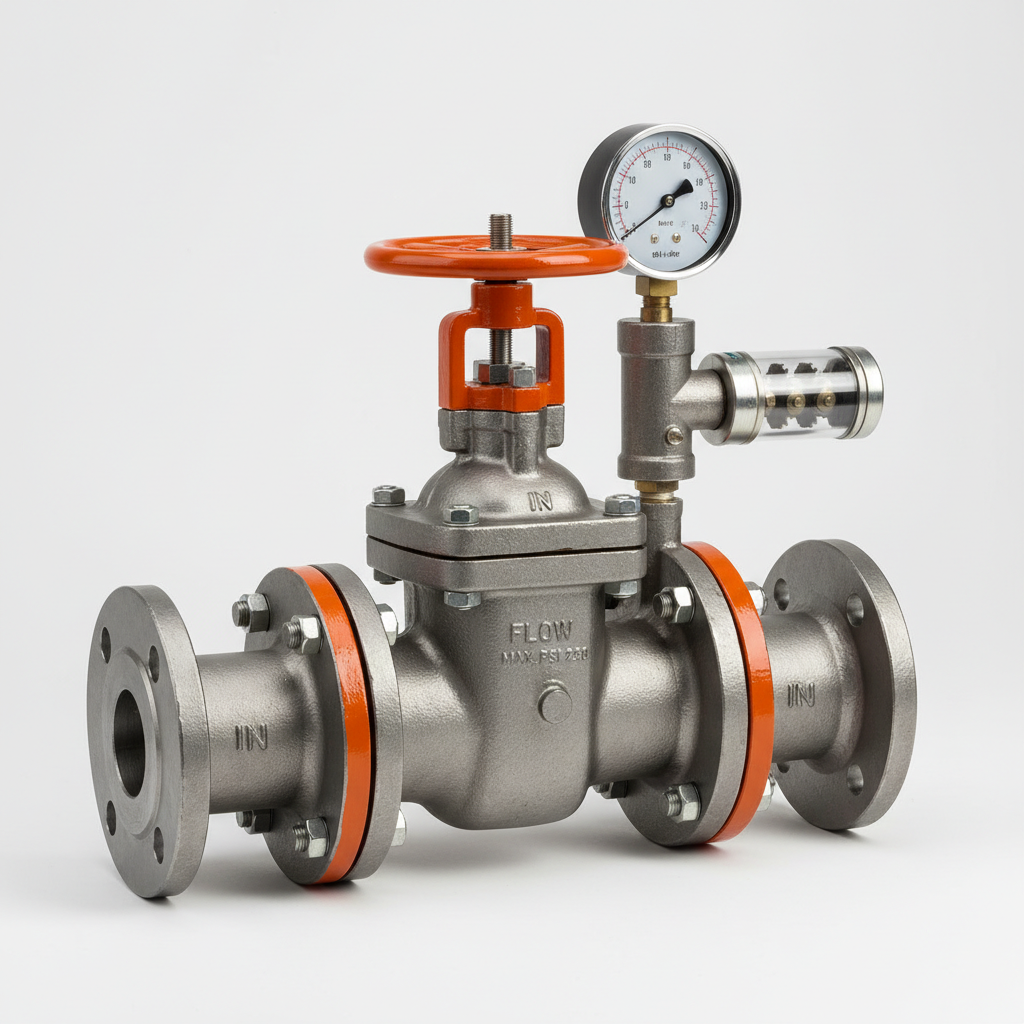
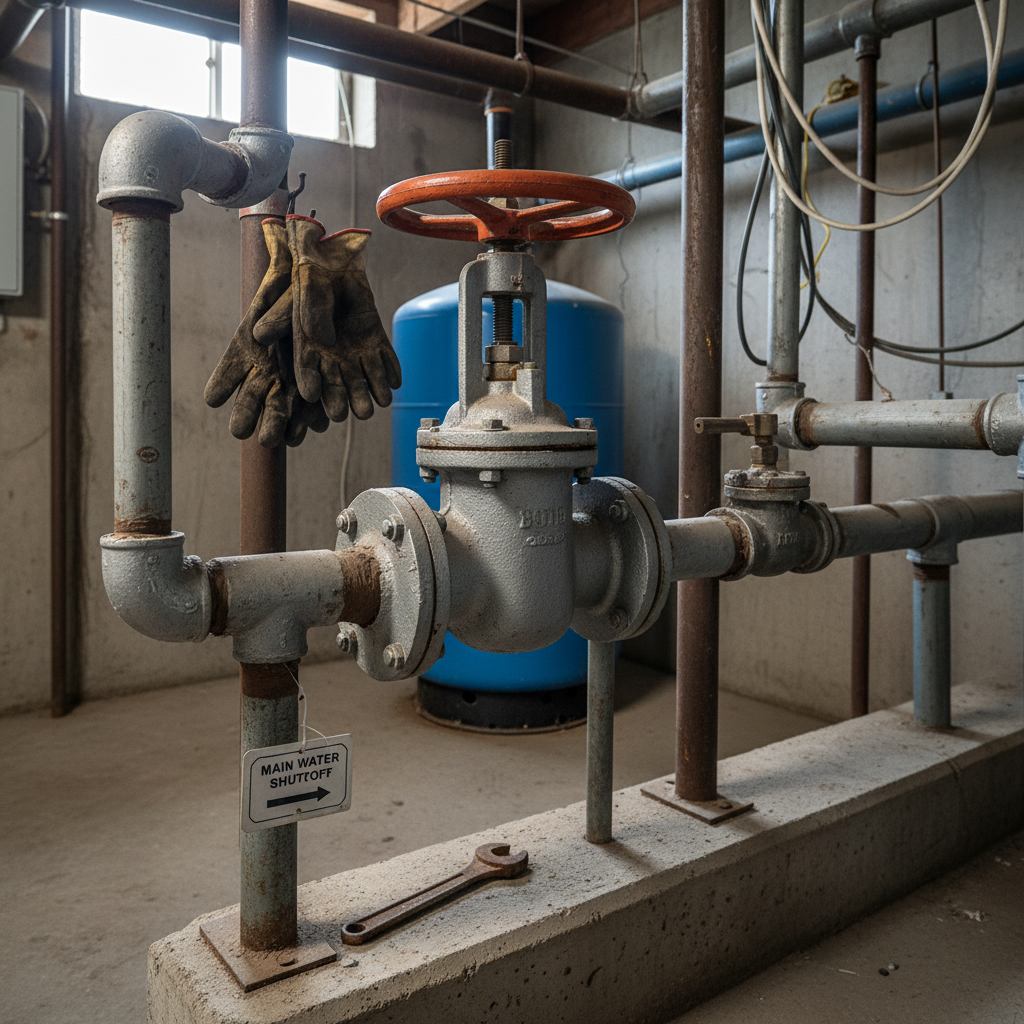
The ability to turn off water valve is a cornerstone of modern infrastructure, disaster preparedness, and responsible resource management. From preventing catastrophic damage during emergencies to facilitating essential maintenance in industrial settings, understanding and implementing effective water valve shut-off procedures is paramount. This capability protects lives, preserves property, and ensures the continued functionality of vital systems.
Globally, the impact of uncontrolled water flow can be devastating. Whether stemming from burst pipes, natural disasters, or equipment failures, the consequences can range from localized flooding and property damage to widespread contamination and public health crises. Consequently, the reliable ability to turn off water valve is a critical component of risk mitigation strategies across numerous sectors.
Investing in robust water valve systems, coupled with comprehensive training and readily accessible shut-off mechanisms, is not merely a preventative measure – it's an investment in resilience, sustainability, and the safety of communities worldwide. Efficient systems and quick responses when you turn off water valve can drastically reduce damage.
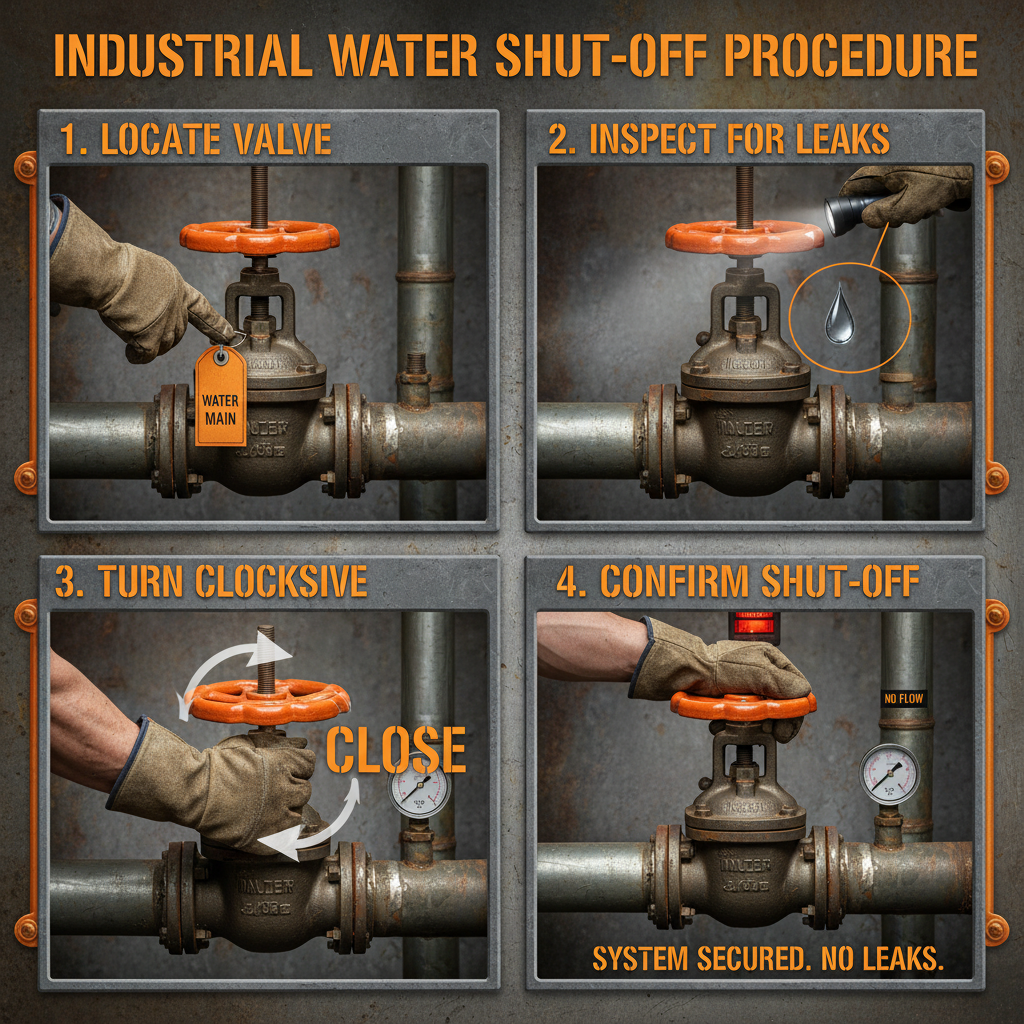
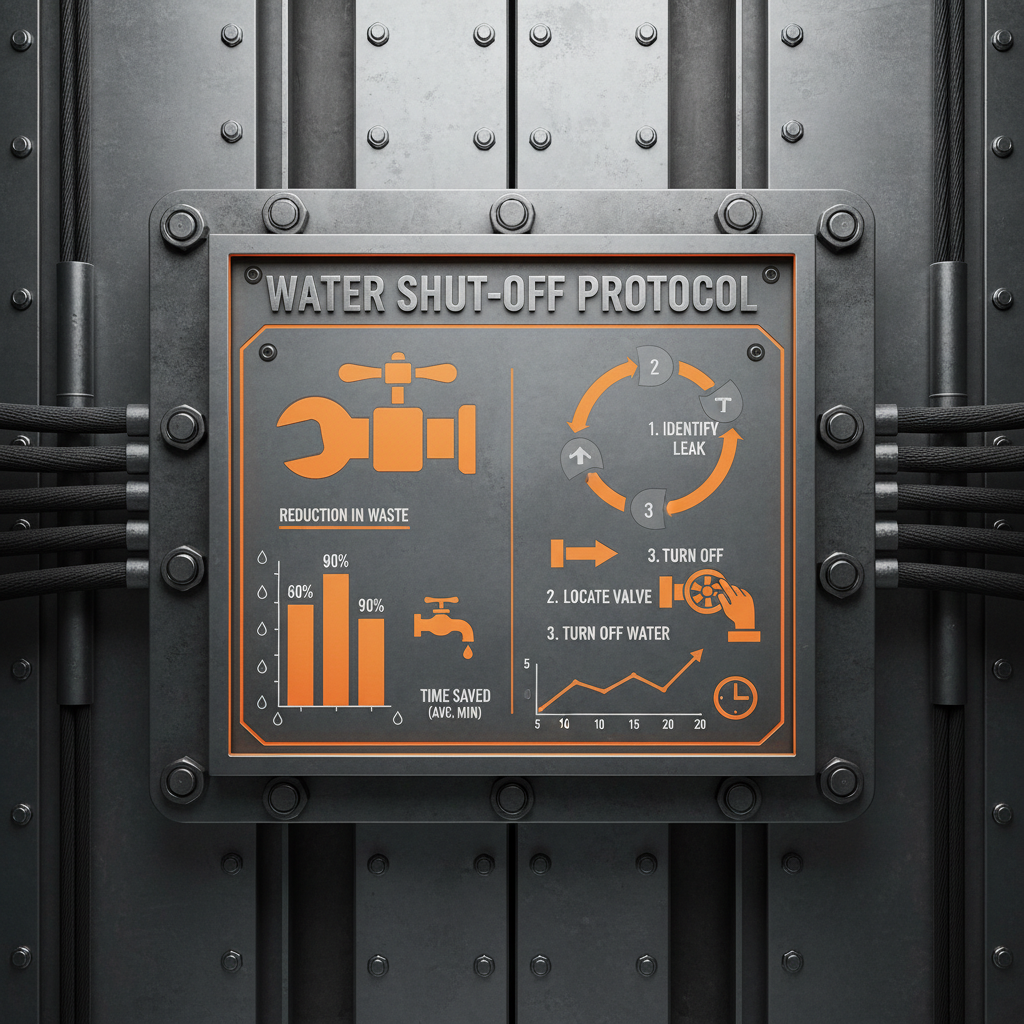
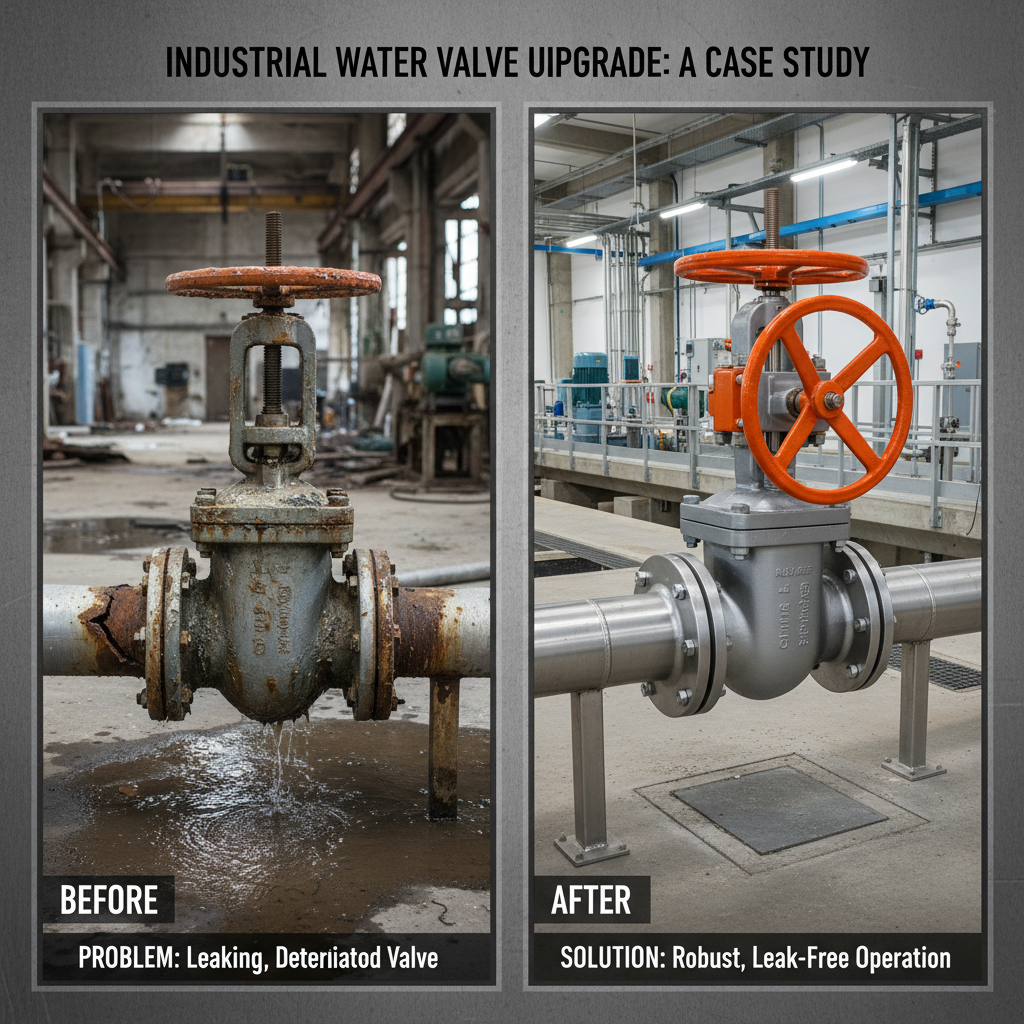
The ability to swiftly turn off water valve is a fundamental element in protecting infrastructure and safeguarding communities. From preventing extensive water damage during pipe bursts to enabling critical maintenance work, quick and reliable shut-off mechanisms are vital. Proactive maintenance and understanding how to turn off water valve are key to mitigating risks.
The significance extends beyond mere property preservation. Efficient water management, enabled by easily accessible shut-off valves, contributes to sustainable resource utilization and minimizes environmental impact. In emergency situations, the ability to isolate and turn off water valve can drastically reduce the scope of devastation, allowing for quicker recovery and minimizing disruption.
Gate valves are generally better for throttling flow, but ball valves offer faster and more reliable shut-off, making them ideal for emergency situations. Ball valves require a quarter-turn of the handle to completely open or close, while gate valves may require multiple turns and can be prone to sticking. When you need to turn off water valve quickly, a ball valve is the preferred choice.
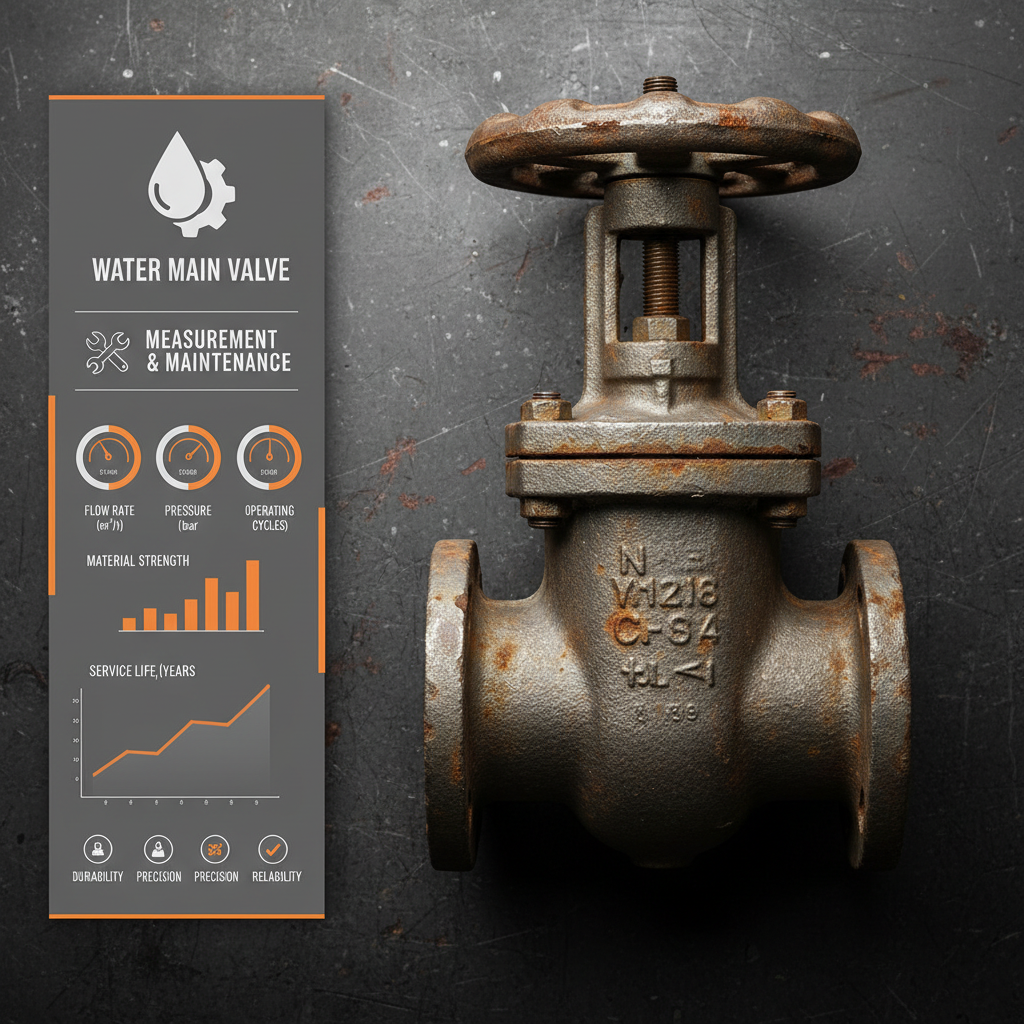
Water valves should be inspected at least annually, and more frequently in harsh environments or high-use applications. Maintenance includes lubrication, cleaning, and testing for leaks. Regular inspection helps identify potential problems before they lead to failures, ensuring you can confidently turn off water valve when needed.
Stainless steel, brass, and certain types of plastics (like PVC or CPVC) are commonly used in corrosive environments. The specific material choice depends on the nature of the corrosion. For example, stainless steel is resistant to many types of corrosion, while PVC is suitable for mildly corrosive water. Choosing the right material ensures you can reliably turn off water valve despite corrosive conditions.
Yes, remote monitoring systems for water valves are becoming increasingly popular. These systems use sensors to track valve position, water flow, and pressure, and transmit this data to a central monitoring station. This allows for proactive maintenance and faster response times in case of emergencies. Knowing when to turn off water valve is easier with remote monitoring.
Personnel should receive comprehensive training on valve types, operating procedures, emergency shut-off protocols, and maintenance tasks. Training should cover both manual and automated valve systems. Proper training ensures personnel can quickly and safely turn off water valve in any situation.
Visually inspect the valve handle or indicator to confirm it's in the fully closed position. For some valves, you may be able to feel a positive stop. For critical applications, consider installing a torque switch or flow meter to verify complete shut-off. It’s crucial to confirm you have fully been able to turn off water valve to prevent further damage.
In conclusion, the ability to turn off water valve is not merely a technical capability; it’s a cornerstone of infrastructure resilience, public safety, and sustainable resource management. From preventing catastrophic damage during emergencies to facilitating routine maintenance, reliable shut-off systems are essential for protecting communities and preserving valuable assets. The core factors of durability, accessibility, and responsible maintenance drive the long-term effectiveness of these systems.
Looking ahead, continued innovation in valve technology – including the integration of smart sensors, automation, and advanced materials – will further enhance our ability to manage water resources efficiently and respond effectively to unforeseen challenges. Investing in these technologies and prioritizing comprehensive training is a crucial step towards building a more resilient and sustainable future. Visit our website at www.strmachinery.com to learn more.

 Afrikaans
 Albanian
 Amharic
 Arabic
 Armenian
 Azerbaijani
 Basque
 Belarusian
 Bengali
 Bosnian
 Bulgarian
 Catalan
 Cebuano
 Corsican
 Croatian
 Czech
Czech
 Danish
 Dutch
Dutch
 Esperanto
 Estonian
 Finnish
 French
 Frisian
 Galician
 Georgian
 German
 Greek
Greek
 Gujarati
 Haitian Creole
 Hausa
Hausa
 Hawaiian
 Hebrew
 Hindi
Hindi
 Miao
Miao
 Hungarian
 Icelandic
 Igbo
Igbo
 Indonesian
 Irish
Irish
 Italian
 Japanese
 Javanese
 Kannada
 Kazakh
 Khmer
Khmer
 Rwandese
 Korean
 Kurdish
 Kyrgyz
 Lao
Lao
 Latin
Latin
 Latvian
 Lithuanian
 Luxembourgish
 Macedonian
 Malgashi
 Malay
Malay
 Malayalam
 Maltese
 Maori
Maori
 Marathi
 Mongolian
 Myanmar
 Nepali
 Norwegian
 Norwegian
 Occitan
 Pashto
 Persian
 Polish
 Portuguese
 Punjabi
 Romanian
 Russian
 Samoan
 Scottish Gaelic
 Serbian
 Sesotho
 Shona
Shona
 Sindhi
 Sinhala
 Slovak
 Slovenian
 Somali
 Spanish
 Sundanese
 Swahili
 Swedish
 Tagalog
 Tajik
Tajik
 Tamil
Tamil
 Tatar
Tatar
 Telugu
 Thai
Thai
 Turkish
 Turkmen
 Ukrainian
 Urdu
Urdu
 Uighur
 Uzbek
Uzbek
 Vietnamese
 Welsh
Welsh
 Bantu
Bantu
 Yiddish
 Yoruba
 Zulu
Zulu
 English