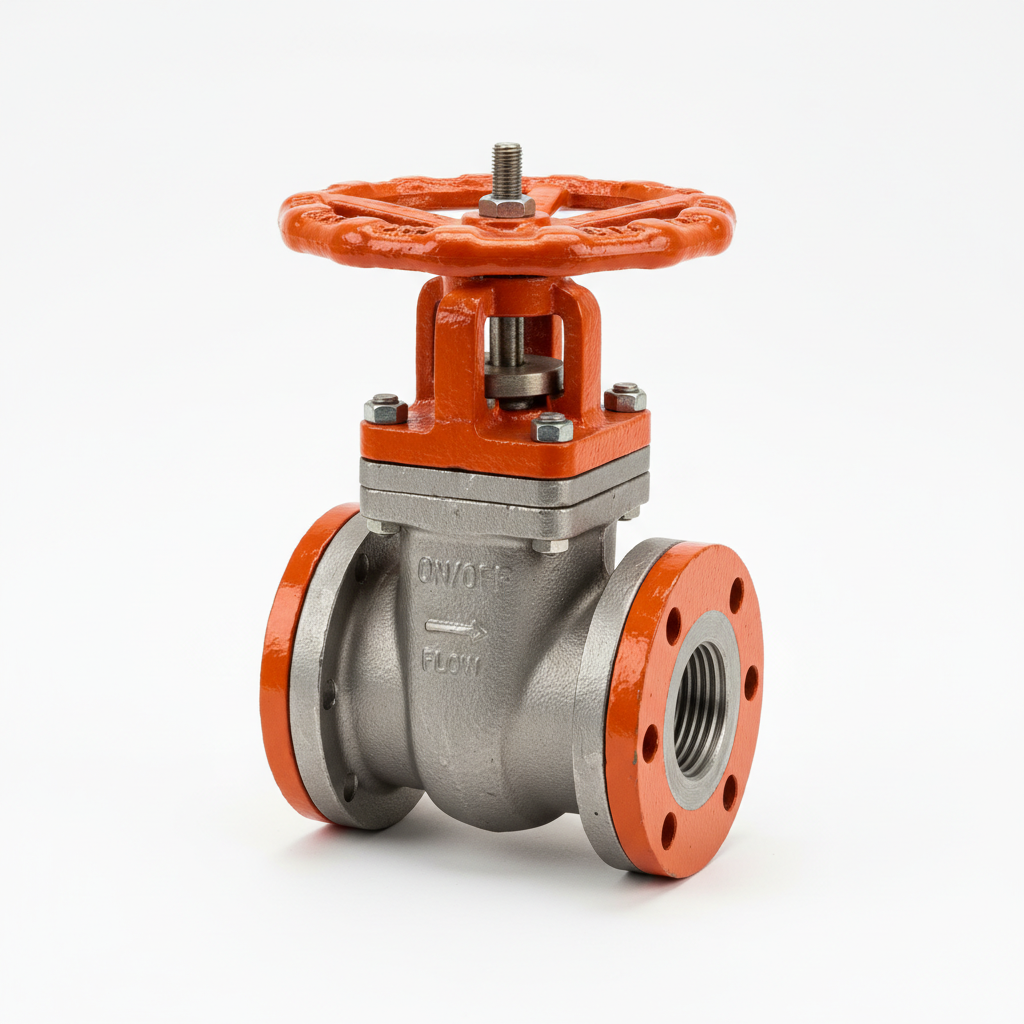
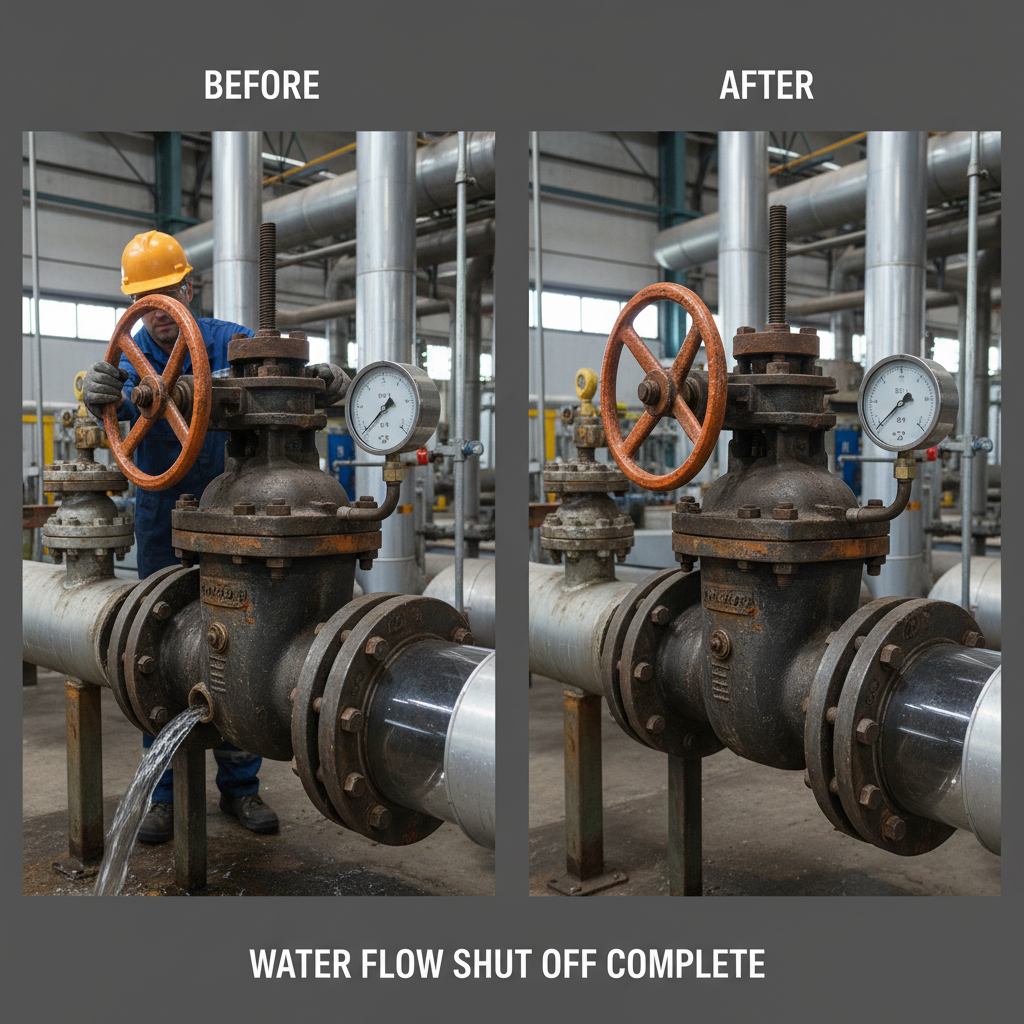
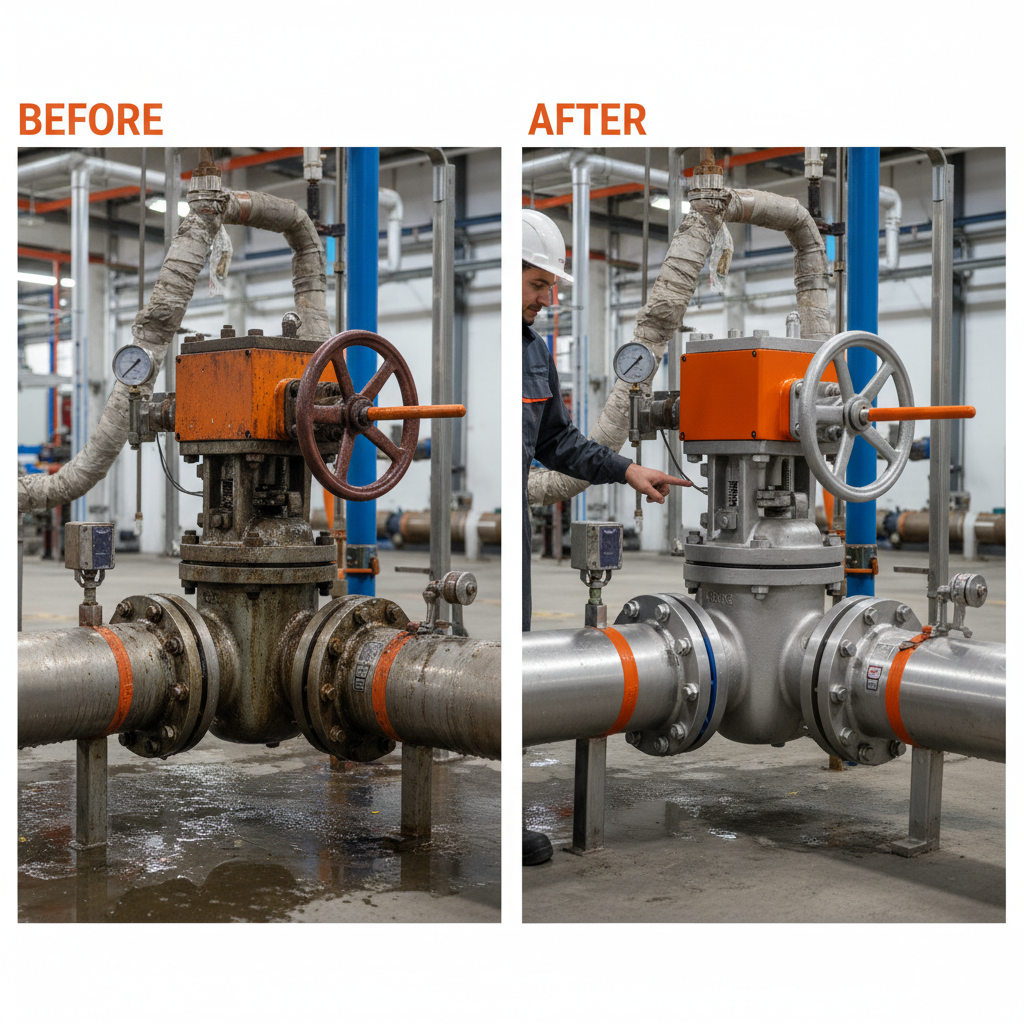
A reliable water hose shut off valve is a cornerstone of efficient and safe fluid management across a multitude of industries and applications. From agricultural irrigation and construction sites to emergency response and everyday household tasks, the ability to quickly and effectively control water flow is paramount. Globally, the demand for these valves is steadily increasing, driven by factors like population growth, urbanization, and a greater emphasis on water conservation. Understanding the intricacies of water hose shut off valve technology is crucial for professionals and individuals alike who rely on secure and dependable fluid handling systems.
The significance of a well-chosen water hose shut off valve extends beyond mere convenience. In industrial settings, preventing leaks and controlling pressure fluctuations directly impacts productivity and reduces costly downtime. For emergency services, rapid shut-off capabilities can be life-saving in situations involving floods or hazardous material spills. Moreover, advancements in materials and designs are leading to more durable, corrosion-resistant, and environmentally friendly water hose shut off valve solutions, aligning with sustainable practices.
The increasing focus on responsible water usage further amplifies the importance of having effective control mechanisms, and the water hose shut off valve plays a critical role in enabling this control. Investments in high-quality valves translate to long-term operational efficiency and minimize water waste, contributing to a more sustainable future.
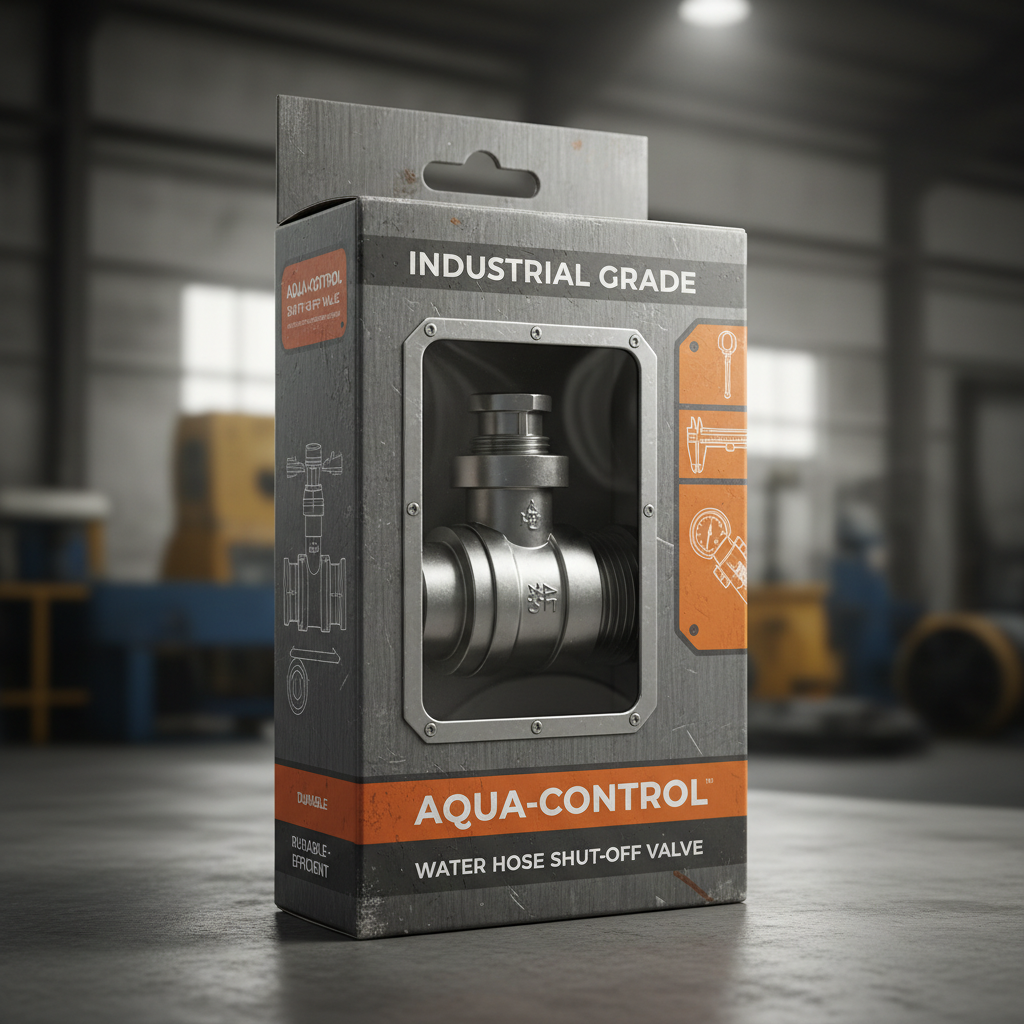
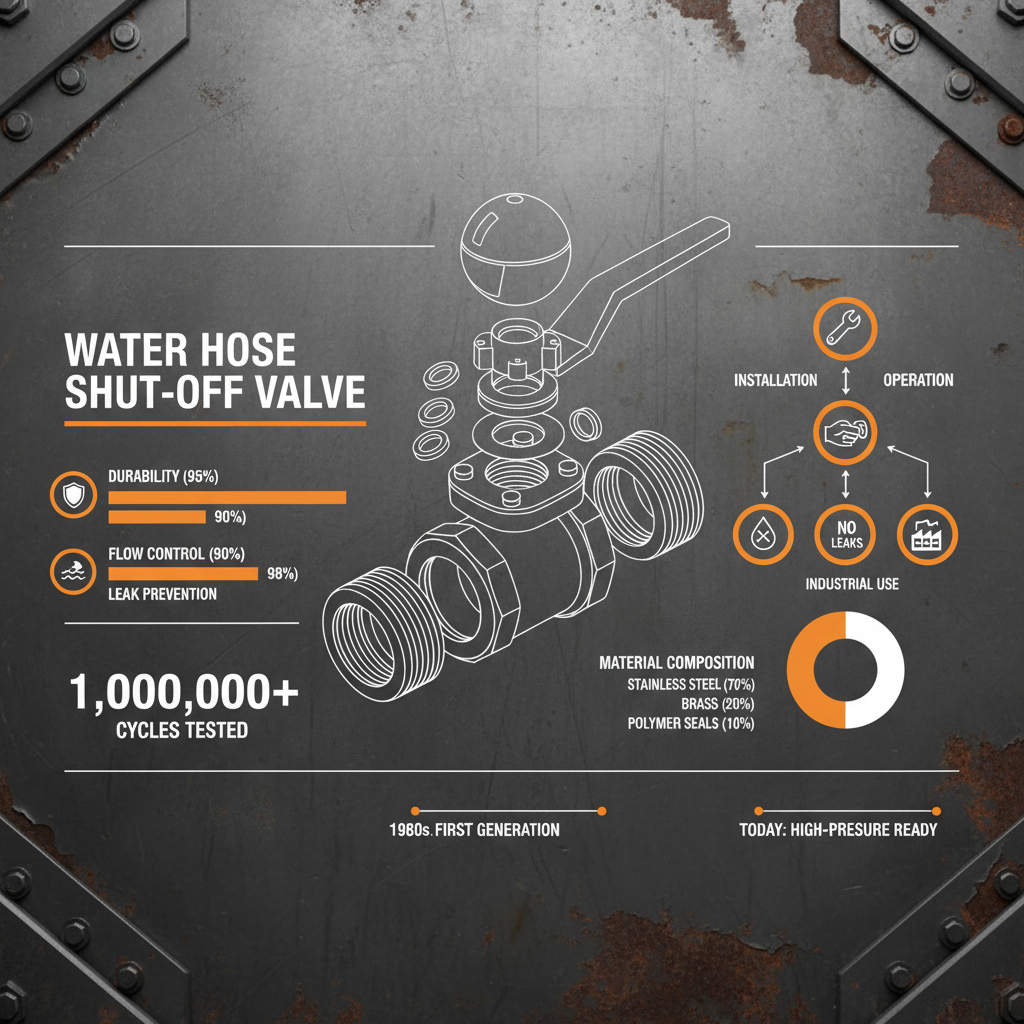
Water hose shut off valves are indispensable components in any system requiring controlled water flow. They provide a simple yet effective means of starting, stopping, and regulating the passage of water through a hose, preventing unwanted leaks and ensuring operational safety. These valves come in a variety of designs, materials, and connection types to accommodate diverse applications and pressure requirements.
Understanding the core principles behind water hose shut off valve operation is essential for selecting the appropriate valve for a specific task. The choice depends on factors such as the hose diameter, water pressure, temperature, and the type of fluid being handled. Proper installation and maintenance are also critical for maximizing valve lifespan and preventing costly failures.
The most common types include ball valves (known for quick shut-off), gate valves (suitable for infrequent operation), butterfly valves (used for large diameter hoses), and pinch valves (ideal for abrasive fluids). Each type has unique characteristics relating to flow rate, pressure handling, and application suitability. Selecting the right type is crucial for optimal performance and longevity of your water hose shut off valve.
Regular inspection is vital to prevent failures and ensure optimal performance. It's recommended to inspect your water hose shut off valve at least quarterly, or more frequently in harsh environments. Look for signs of corrosion, leaks, cracks, or difficulty in operation. Addressing minor issues promptly can prevent costly repairs or replacements down the line.
Common materials include brass, stainless steel, PVC, and polypropylene. Brass is popular for its durability and corrosion resistance, while stainless steel offers superior strength and chemical compatibility. PVC and polypropylene are lightweight and cost-effective, but may not be suitable for high-pressure or high-temperature applications. The choice of material depends on the specific application and operating conditions.
Proper installation is crucial for leak-free operation. Ensure the valve is compatible with your hose and fittings. Use Teflon tape on threaded connections to create a watertight seal. Avoid over-tightening, as this can damage the valve or fittings. Always follow the manufacturer's instructions for specific installation guidelines.
If you detect a leak, immediately shut off the water supply upstream of the valve. Attempt to tighten the connections, but avoid excessive force. If the leak persists, replace the valve or the leaking component (e.g., seals). Ignoring a leak can lead to water damage and increased water bills.
Certain valve materials, like some plastics, may leach small amounts of chemicals into the water. For potable water applications, it's crucial to select valves made from materials certified as safe for drinking water contact, such as lead-free brass or NSF-certified plastics. This ensures the water remains pure and safe for consumption.
In conclusion, the water hose shut off valve remains a fundamentally important component across a vast spectrum of applications, from everyday household tasks to critical industrial processes. Understanding its functionality, key components, and the various types available empowers informed decision-making, leading to improved efficiency, safety, and cost-effectiveness. Investing in quality water hose shut off valve solutions is not merely an expense, but a strategic investment in long-term operational reliability.
Looking ahead, continued innovation in materials, design, and smart technologies will further enhance the capabilities and versatility of these valves. Embracing these advancements will enable more sustainable water management practices and contribute to a more resilient future. For reliable solutions and expert guidance, visit our website: www.strmachinery.com.

 Afrikaans
 Albanian
 Amharic
 Arabic
 Armenian
 Azerbaijani
 Basque
 Belarusian
 Bengali
 Bosnian
 Bulgarian
 Catalan
 Cebuano
 Corsican
 Croatian
 Czech
Czech
 Danish
 Dutch
Dutch
 Esperanto
 Estonian
 Finnish
 French
 Frisian
 Galician
 Georgian
 German
 Greek
Greek
 Gujarati
 Haitian Creole
 Hausa
Hausa
 Hawaiian
 Hebrew
 Hindi
Hindi
 Miao
Miao
 Hungarian
 Icelandic
 Igbo
Igbo
 Indonesian
 Irish
Irish
 Italian
 Japanese
 Javanese
 Kannada
 Kazakh
 Khmer
Khmer
 Rwandese
 Korean
 Kurdish
 Kyrgyz
 Lao
Lao
 Latin
Latin
 Latvian
 Lithuanian
 Luxembourgish
 Macedonian
 Malgashi
 Malay
Malay
 Malayalam
 Maltese
 Maori
Maori
 Marathi
 Mongolian
 Myanmar
 Nepali
 Norwegian
 Norwegian
 Occitan
 Pashto
 Persian
 Polish
 Portuguese
 Punjabi
 Romanian
 Russian
 Samoan
 Scottish Gaelic
 Serbian
 Sesotho
 Shona
Shona
 Sindhi
 Sinhala
 Slovak
 Slovenian
 Somali
 Spanish
 Sundanese
 Swahili
 Swedish
 Tagalog
 Tajik
Tajik
 Tamil
Tamil
 Tatar
Tatar
 Telugu
 Thai
Thai
 Turkish
 Turkmen
 Ukrainian
 Urdu
Urdu
 Uighur
 Uzbek
Uzbek
 Vietnamese
 Welsh
Welsh
 Bantu
Bantu
 Yiddish
 Yoruba
 Zulu
Zulu
 English