Look, valve wholesale. It’s not glamorous work, trust me. Been running around construction sites for fifteen years now, and you see everything. You see shortcuts, you see failures, and occasionally – occasionally – you see things done right. And honestly, lately it's all been about speed, speed, speed. Everyone wants things yesterday. This demand is driving a lot of innovation, but also a lot of corner-cutting. You wouldn’t believe how many people try to use undersized valves just to save a few bucks… it always comes back to haunt you.
The pressure’s on, you know? Global supply chains are still wonky, material costs are fluctuating like crazy. Everyone's scrambling for reliable sources, and that’s where good valve wholesale comes in. It's not just about getting the lowest price; it's about getting consistent quality, and getting it when you need it. Because a delayed project is a hemorrhaging project.
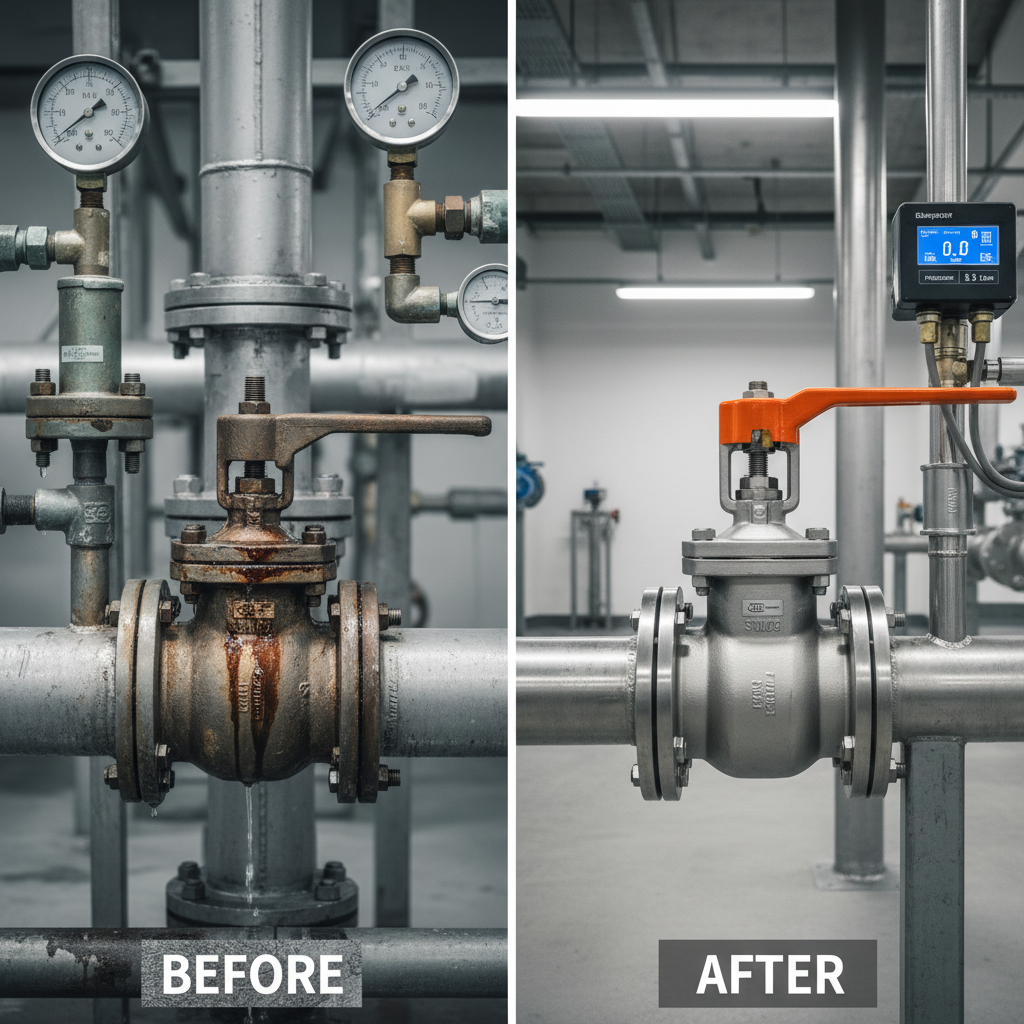
It feels like everything is getting more complicated. They used to be simple, valves. Now, it’s all about smart valves, digital monitoring, and remote operation. Seems like overkill sometimes, but the data can be useful if you actually know what to do with it. Anyway, I think the industry is realizing you need more than just a piece of metal, you need a partner who understands the whole process.

To be honest, the demand for valves is just… relentless. Infrastructure projects popping up everywhere, especially in developing countries. Have you noticed how much construction is happening in Southeast Asia? Massive amounts of valve wholesale going over there. It's not just the volume, though; it’s the types of valves. They’re asking for more specialized stuff now – high-pressure, corrosion-resistant, automated… it’s a whole different ballgame than it used to be.
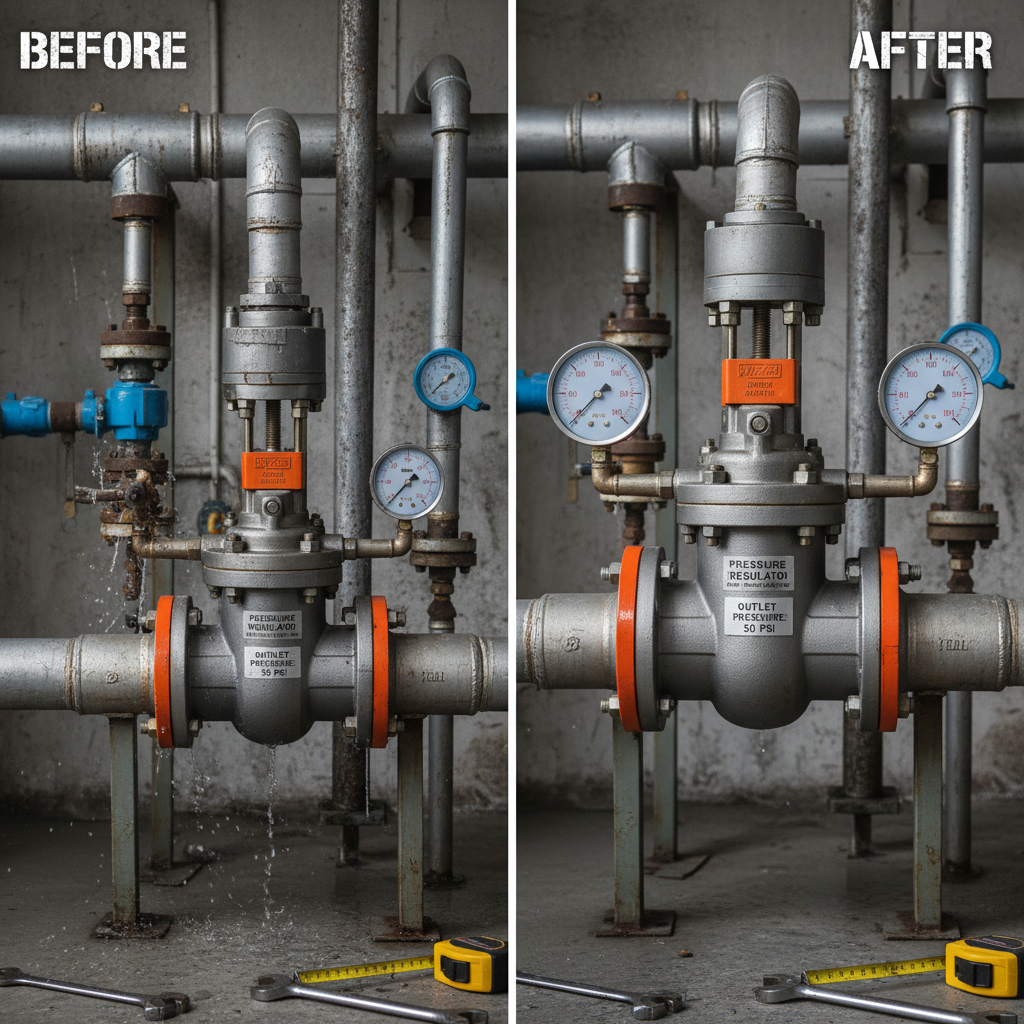
And it’s not just new construction. Retrofitting existing systems is huge, too. Older facilities need upgrades, and often that means replacing outdated valves with more efficient, reliable models. This is where a good wholesale supplier really shines—being able to source hard-to-find parts and offer quick turnaround times. It’s a constant hustle.
Honestly, it's underestimating the environment. They think, "It's just water," but water can corrode things, freeze, cause all sorts of problems. Failing to consider the operating conditions – temperature, pressure, the type of fluid – leads to premature failure. It's tempting to go cheap, but it almost always costs more in the long run.
Critical. Absolutely critical. Certifications like ISO 9001 or ASME show that the valve has been tested and meets certain standards. It's a guarantee of quality and reliability. Don't even consider a valve without proper certification, especially for critical applications like oil and gas or water treatment. You're asking for trouble otherwise.
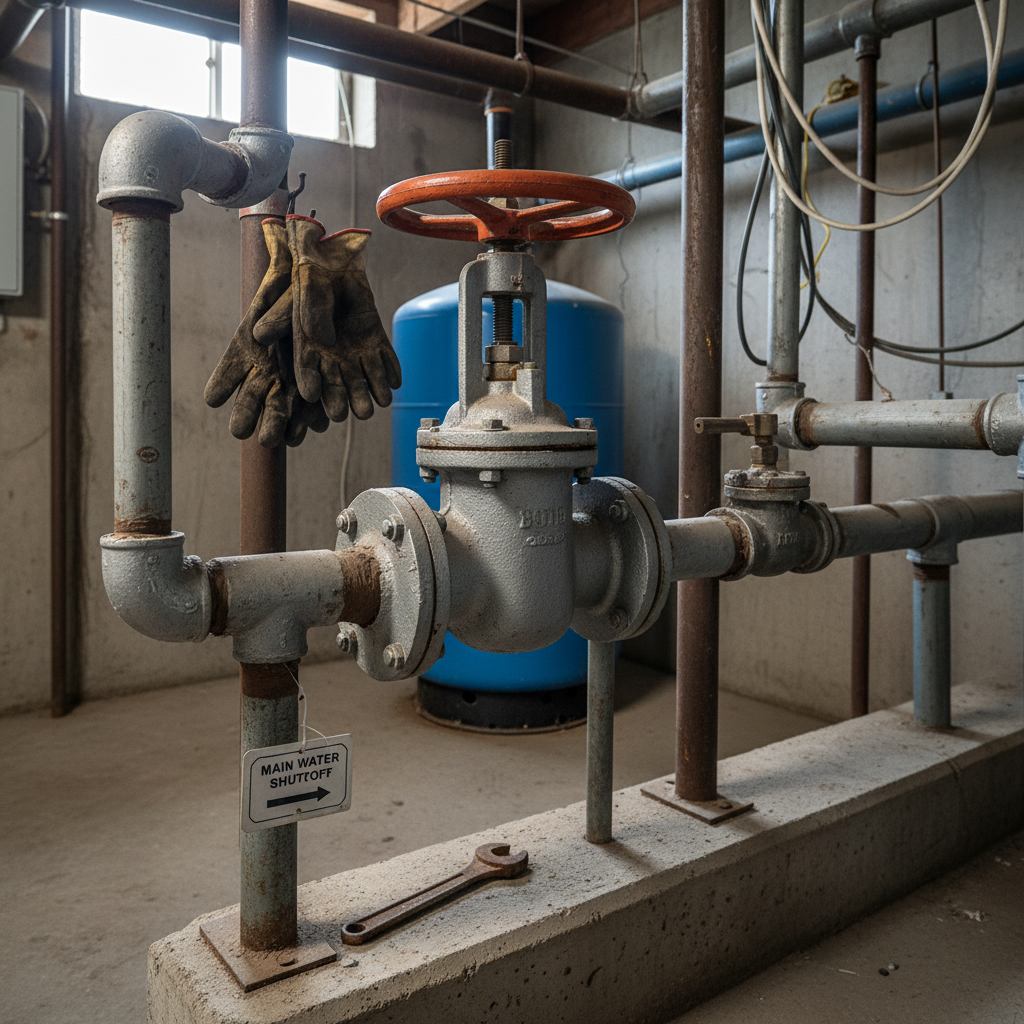
Leaks are the obvious one. But also look for things like increased friction, difficulty operating the valve, or unusual noises. If it's getting harder to turn, or if it's making grinding sounds, it's probably time to replace it. Don't wait until it fails completely – that's when you're really in trouble.
Keep them clean and dry, that's rule number one. Protect the threads and sealing surfaces from damage. And don't just leave them lying around exposed to the elements. A proper storage environment is important, especially for sensitive valves. Ideally, store them in their original packaging.
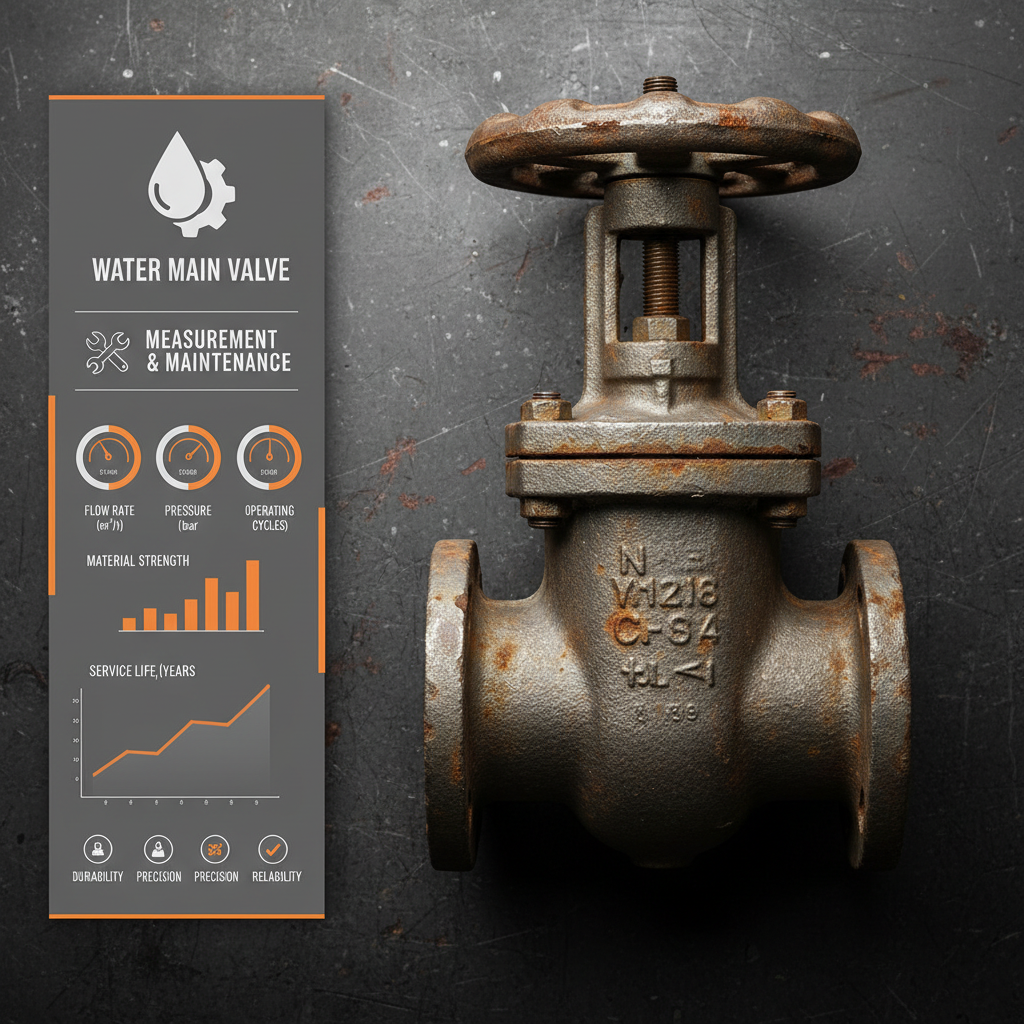
Massively. The wrong material can lead to corrosion, erosion, or fatigue. For example, if you're dealing with saltwater, you need a valve made from a corrosion-resistant alloy like stainless steel or Hastelloy. Choosing the right material is crucial for ensuring a long service life and preventing costly repairs.
It depends on the application. If you need remote monitoring, automated control, or predictive maintenance, then yes, they can be worth the investment. But if you just need a simple on/off valve, then a traditional manual valve will do just fine. Don’t overcomplicate things if you don’t need to.
So, yeah, valve wholesale. It's a complicated business, but it’s a crucial one. Getting the right valves, from the right supplier, properly specified and installed, can make or break a project. It’s not about finding the cheapest option, it’s about finding the best value. It’s about long-term reliability, minimizing downtime, and ensuring safety.
Ultimately, whether this thing works or not, the worker will know the moment he tightens the screw. You can have all the certifications and fancy specs in the world, but if it doesn't feel right in the field, it’s not going to work. That’s why experience matters. That’s why trusting your gut matters. And that's why I'm still out here, getting my hands dirty.
Visit our website: valve wholesale

 Afrikaans
 Albanian
 Amharic
 Arabic
 Armenian
 Azerbaijani
 Basque
 Belarusian
 Bengali
 Bosnian
 Bulgarian
 Catalan
 Cebuano
 Corsican
 Croatian
 Czech
Czech
 Danish
 Dutch
Dutch
 Esperanto
 Estonian
 Finnish
 French
 Frisian
 Galician
 Georgian
 German
 Greek
Greek
 Gujarati
 Haitian Creole
 Hausa
Hausa
 Hawaiian
 Hebrew
 Hindi
Hindi
 Miao
Miao
 Hungarian
 Icelandic
 Igbo
Igbo
 Indonesian
 Irish
Irish
 Italian
 Japanese
 Javanese
 Kannada
 Kazakh
 Khmer
Khmer
 Rwandese
 Korean
 Kurdish
 Kyrgyz
 Lao
Lao
 Latin
Latin
 Latvian
 Lithuanian
 Luxembourgish
 Macedonian
 Malgashi
 Malay
Malay
 Malayalam
 Maltese
 Maori
Maori
 Marathi
 Mongolian
 Myanmar
 Nepali
 Norwegian
 Norwegian
 Occitan
 Pashto
 Persian
 Polish
 Portuguese
 Punjabi
 Romanian
 Russian
 Samoan
 Scottish Gaelic
 Serbian
 Sesotho
 Shona
Shona
 Sindhi
 Sinhala
 Slovak
 Slovenian
 Somali
 Spanish
 Sundanese
 Swahili
 Swedish
 Tagalog
 Tajik
Tajik
 Tamil
Tamil
 Tatar
Tatar
 Telugu
 Thai
Thai
 Turkish
 Turkmen
 Ukrainian
 Urdu
Urdu
 Uighur
 Uzbek
Uzbek
 Vietnamese
 Welsh
Welsh
 Bantu
Bantu
 Yiddish
 Yoruba
 Zulu
Zulu
 English