Water check valves are essential components in a multitude of fluid systems, playing a critical role in maintaining efficient and safe operation across diverse industries. These seemingly simple devices prevent backflow, ensuring that liquids flow in only one direction – a function vital in everything from municipal water supplies to complex industrial processes. Understanding the principles and applications of a water check valve is therefore crucial for engineers, technicians, and anyone involved in fluid handling systems.
Globally, the need for reliable water management is escalating due to population growth, increasing industrialization, and the growing impacts of climate change. The United Nations estimates that billions lack access to safe water, and effective fluid control, enabled by components like water check valves, is paramount in optimizing water distribution and minimizing waste. ISO standards continually refine specifications for these valves, demanding improved performance and longevity.
The efficient and safe delivery of water, and the prevention of contamination, are directly dependent on components like the water check valve. Without these devices, systems would be vulnerable to backflow, potentially compromising water quality and causing significant operational issues. From preventing contamination of potable water supplies to protecting expensive pumping equipment, their contribution is fundamental.
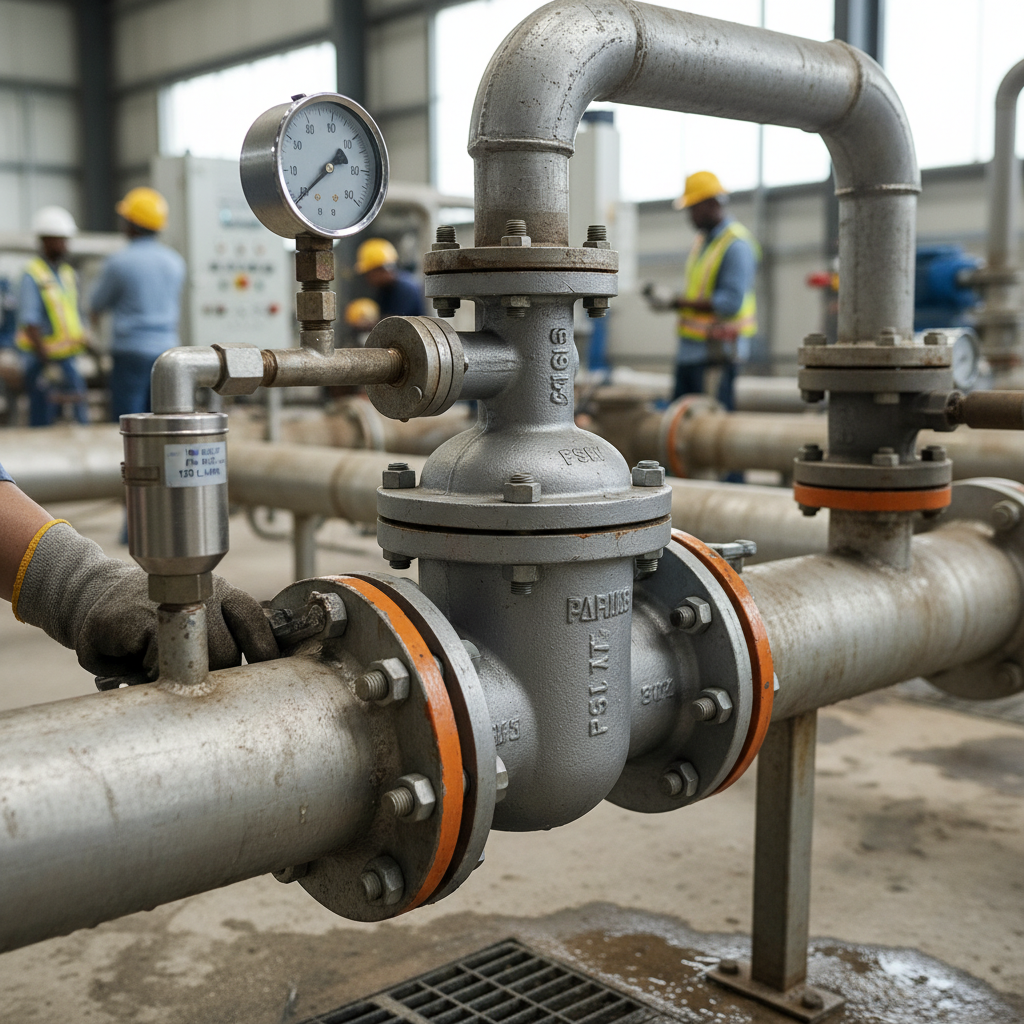
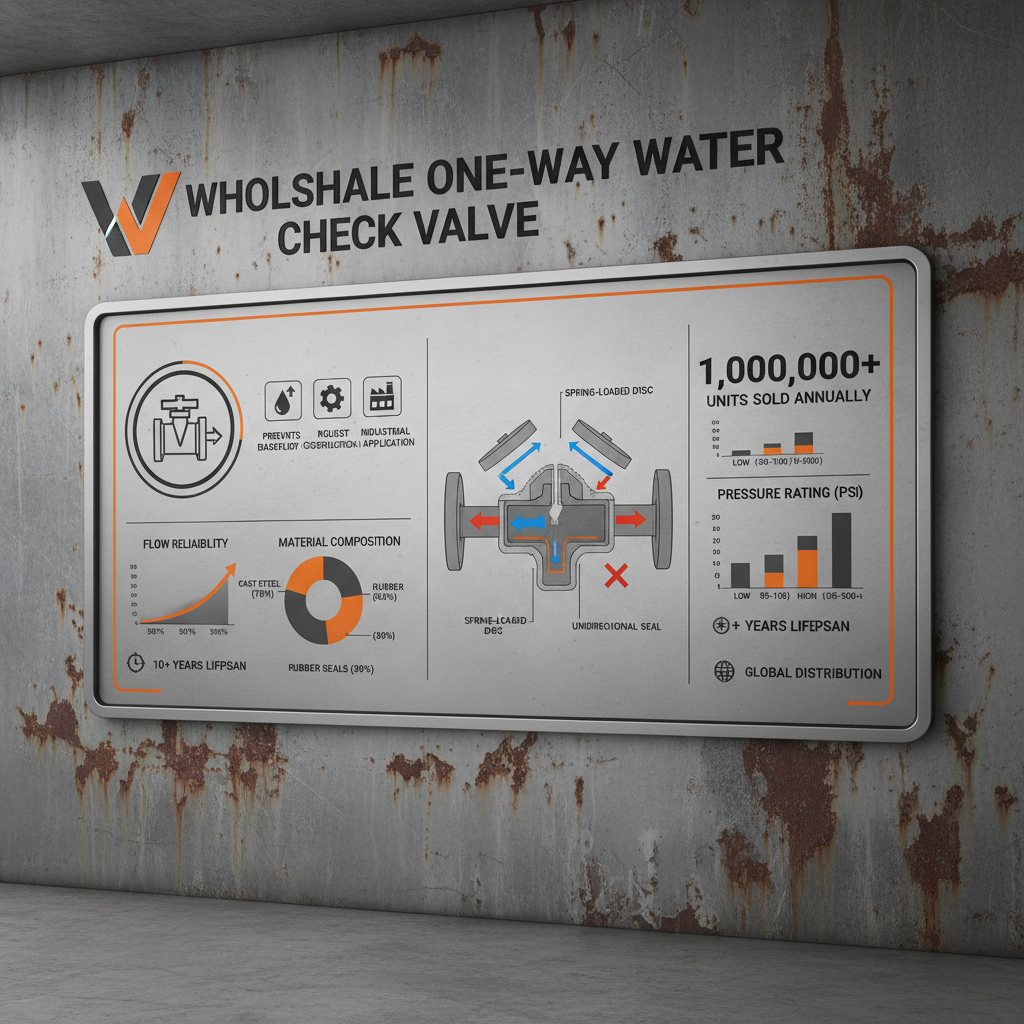
Water check valves are not merely passive components; they are dynamic protectors of fluid systems. Their primary function – preventing reverse flow – safeguards pumps, turbines, and other critical equipment from damage, while simultaneously ensuring the purity and integrity of the fluid being transported. Their application ranges from simple residential plumbing to complex industrial processes, making them a cornerstone of modern fluid handling.
The selection of an appropriate water check valve is crucial for optimal system performance. Factors such as fluid compatibility, pressure ratings, temperature, and flow rate must all be carefully considered. Investing in a high-quality water check valve translates to reduced maintenance costs, minimized downtime, and enhanced overall system reliability.
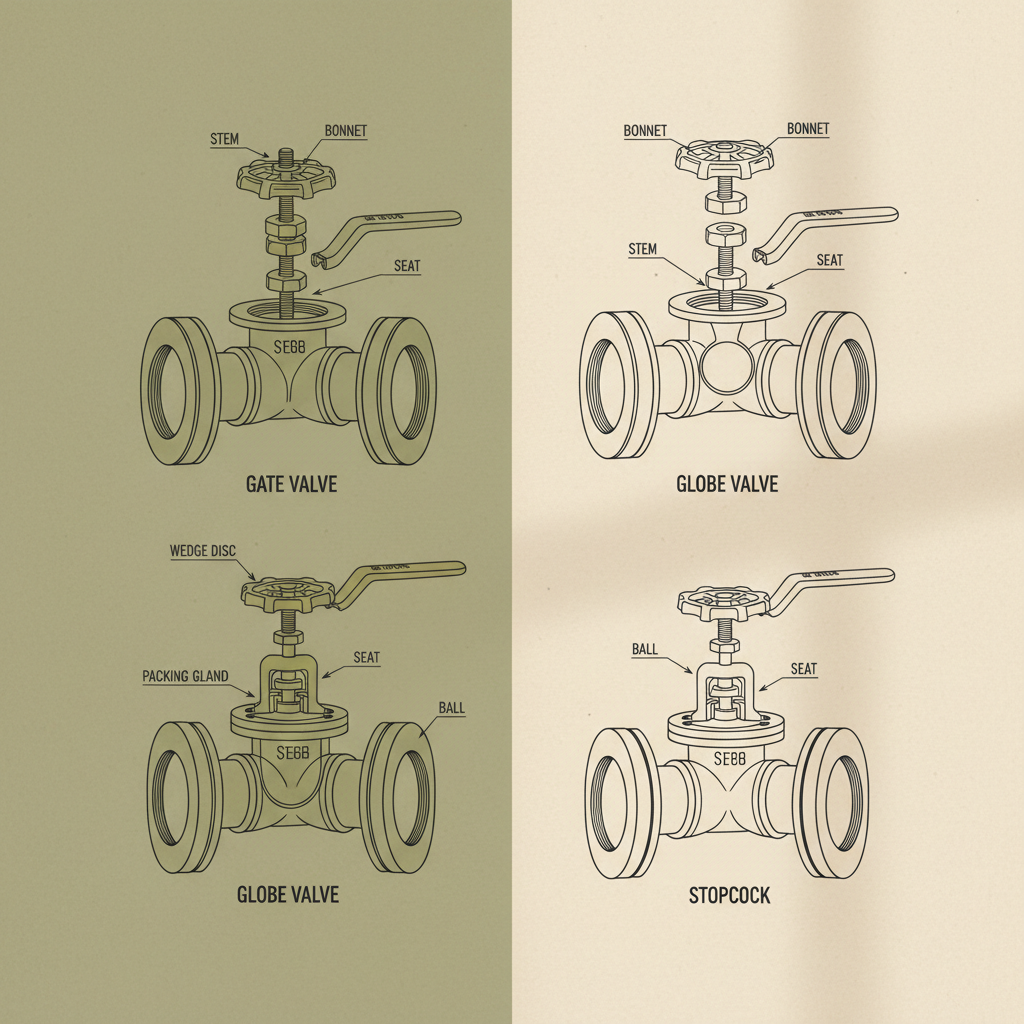
Swing check valves use a disc that swings open with flow and closes due to gravity and backflow, making them suitable for slower flows. Lift check valves, conversely, use a disc that lifts off its seat as flow increases, making them better for higher pressure and faster flow applications. Selecting the right type depends on the specific system’s requirements regarding flow rate, pressure, and fluid characteristics.
Regular inspection is vital for maintaining optimal performance. It's recommended to inspect water check valves at least annually, or more frequently in harsh operating environments. Checks should include visual inspection for corrosion, leaks, and proper disc movement. Routine maintenance prevents failures and prolongs valve lifespan.
For corrosive fluids, materials like stainless steel (316SS is preferred for particularly aggressive environments), Alloy 20, or specialized plastics (like PTFE) are recommended. These materials resist chemical attack, preventing degradation and ensuring reliable valve operation. The specific material chosen should be based on the fluid’s composition and concentration.
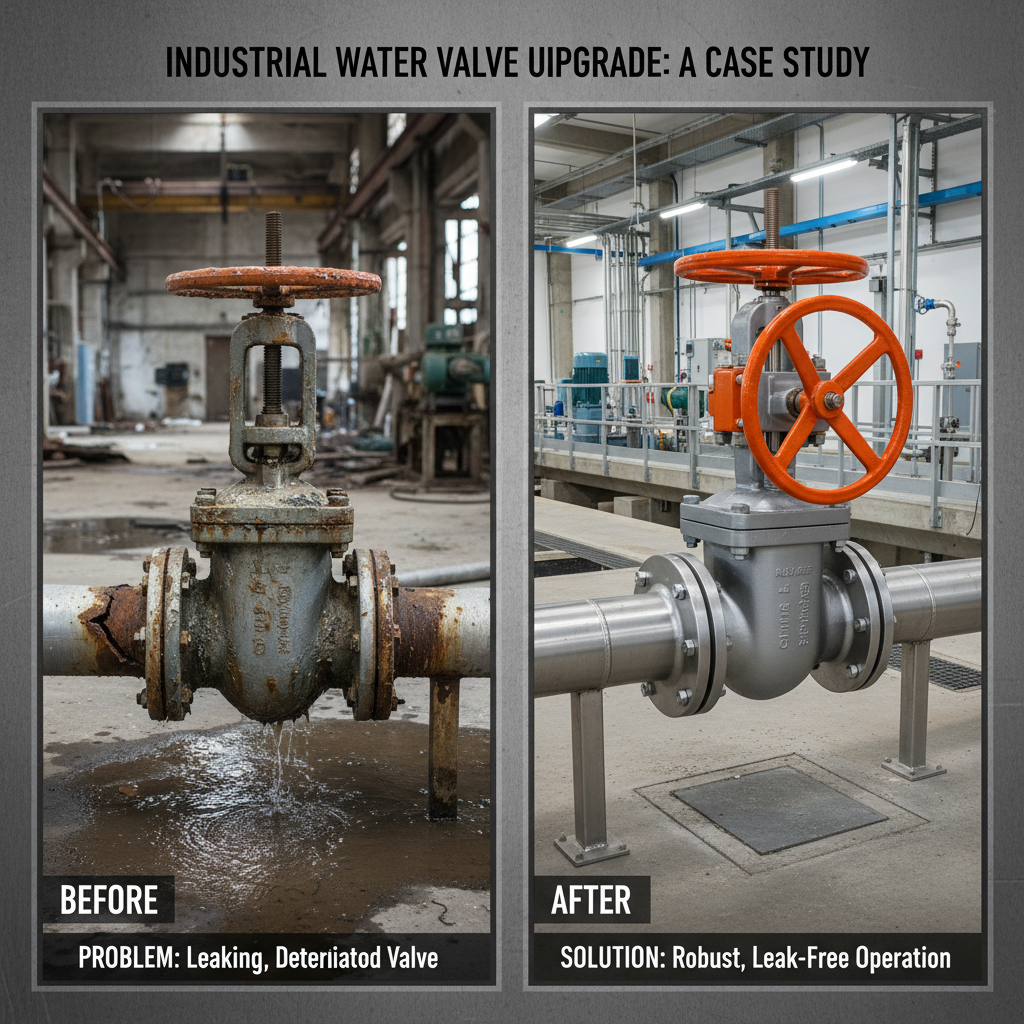
Whether a water check valve can be repaired depends on the extent of the damage. Minor issues like worn seals can often be addressed with replacement parts. However, significant corrosion or damage to the valve body generally necessitates complete replacement. Attempting repairs on severely damaged valves can compromise safety and reliability.
Water hammer – sudden pressure surges caused by rapid valve closures – can significantly stress check valves, potentially leading to premature failure. Slow-closing check valves, or the incorporation of dampening devices, can mitigate water hammer. Selecting valves designed to withstand pressure fluctuations is also crucial.
A foot valve is a type of check valve installed at the bottom of a suction pipe, typically used with pumps. It prevents the fluid from draining back down the suction pipe when the pump is off, maintaining prime. They are commonly used in well pumps, irrigation systems, and other applications requiring consistent pump operation.
In conclusion, the water check valve is a critical component in countless fluid handling systems, safeguarding infrastructure, protecting equipment, and ensuring the delivery of safe and reliable water. From preventing backflow contamination to optimizing industrial processes, its importance cannot be overstated. Understanding the principles, applications, and emerging trends in water check valve technology is essential for engineers, technicians, and anyone involved in fluid management.
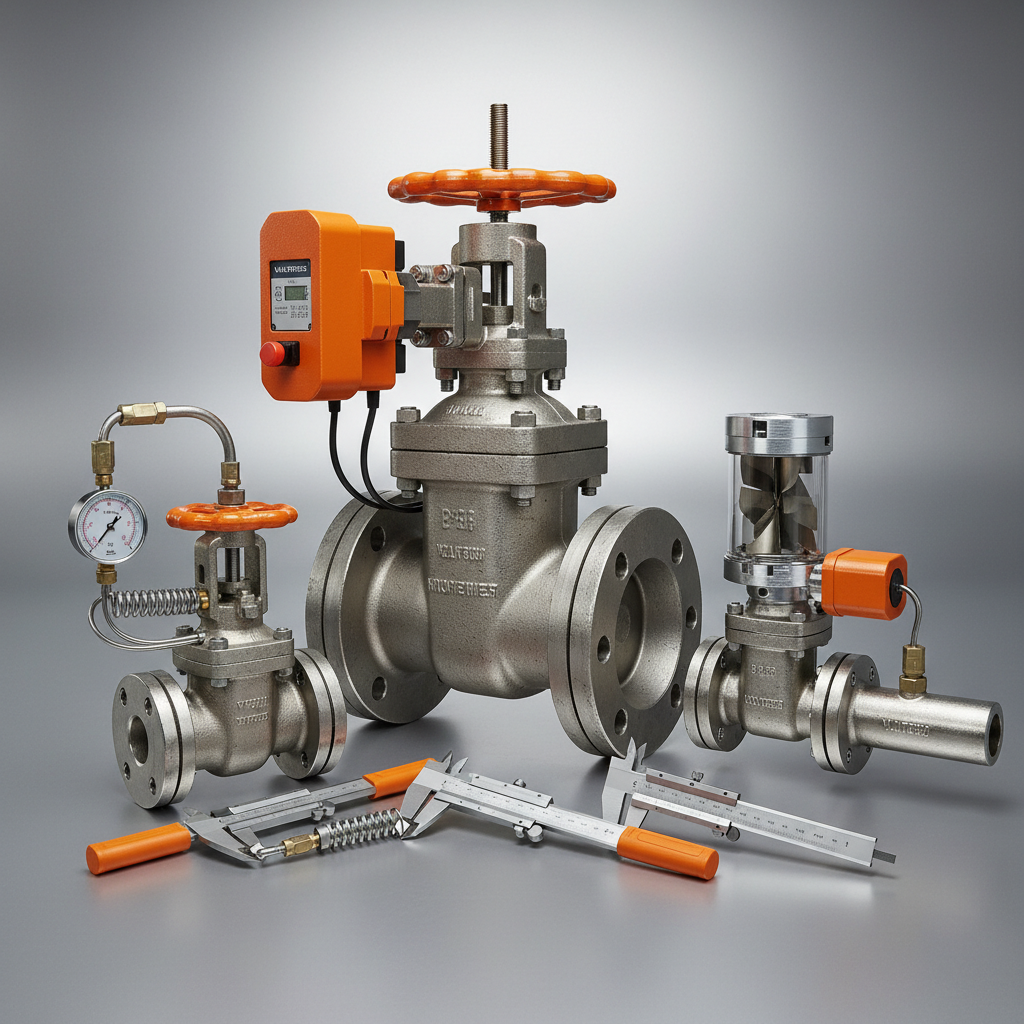
Looking ahead, the integration of smart technologies, advanced materials, and sustainable designs will further enhance the performance and longevity of these vital devices. Investing in high-quality water check valves and implementing proactive maintenance programs are key to maximizing system efficiency, minimizing downtime, and ensuring a sustainable future for water resources. Visit our website at www.strmachinery.com to explore our comprehensive range of water check valves and solutions.

 Afrikaans
 Albanian
 Amharic
 Arabic
 Armenian
 Azerbaijani
 Basque
 Belarusian
 Bengali
 Bosnian
 Bulgarian
 Catalan
 Cebuano
 Corsican
 Croatian
 Czech
Czech
 Danish
 Dutch
Dutch
 Esperanto
 Estonian
 Finnish
 French
 Frisian
 Galician
 Georgian
 German
 Greek
Greek
 Gujarati
 Haitian Creole
 Hausa
Hausa
 Hawaiian
 Hebrew
 Hindi
Hindi
 Miao
Miao
 Hungarian
 Icelandic
 Igbo
Igbo
 Indonesian
 Irish
Irish
 Italian
 Japanese
 Javanese
 Kannada
 Kazakh
 Khmer
Khmer
 Rwandese
 Korean
 Kurdish
 Kyrgyz
 Lao
Lao
 Latin
Latin
 Latvian
 Lithuanian
 Luxembourgish
 Macedonian
 Malgashi
 Malay
Malay
 Malayalam
 Maltese
 Maori
Maori
 Marathi
 Mongolian
 Myanmar
 Nepali
 Norwegian
 Norwegian
 Occitan
 Pashto
 Persian
 Polish
 Portuguese
 Punjabi
 Romanian
 Russian
 Samoan
 Scottish Gaelic
 Serbian
 Sesotho
 Shona
Shona
 Sindhi
 Sinhala
 Slovak
 Slovenian
 Somali
 Spanish
 Sundanese
 Swahili
 Swedish
 Tagalog
 Tajik
Tajik
 Tamil
Tamil
 Tatar
Tatar
 Telugu
 Thai
Thai
 Turkish
 Turkmen
 Ukrainian
 Urdu
Urdu
 Uighur
 Uzbek
Uzbek
 Vietnamese
 Welsh
Welsh
 Bantu
Bantu
 Yiddish
 Yoruba
 Zulu
Zulu
 English