The global demand for reliable water infrastructure is ever-increasing, driven by population growth, urbanization, and industrial expansion. Ensuring access to clean and safely delivered water is not merely a convenience, but a fundamental human right and a cornerstone of public health. Efficient water distribution systems are crucial, and at the heart of these systems lie robust and dependable main valve water controls. These valves regulate flow, pressure, and direction, safeguarding water quality and preventing costly disruptions. Understanding the principles and applications of main valve water is therefore essential for engineers, policymakers, and anyone concerned with sustainable water management.
The importance of main valve water extends beyond municipal water supplies. Industries reliant on water for processes – from power generation to food and beverage production – depend on these valves for operational efficiency and safety. Agricultural irrigation systems also benefit immensely. Failures in main valve water systems can lead to significant economic losses, environmental damage, and public health crises. Investing in high-quality valves and skilled maintenance is a proactive approach to mitigating these risks and ensuring long-term water security.
Modern advancements in materials, design, and automation are continually improving the performance and reliability of main valve water. From resilient seat valves to advanced flow control mechanisms, innovations are helping to reduce water loss, optimize energy consumption, and extend the lifespan of water infrastructure. Embracing these advancements is key to addressing the challenges of a rapidly changing world and securing a sustainable water future.
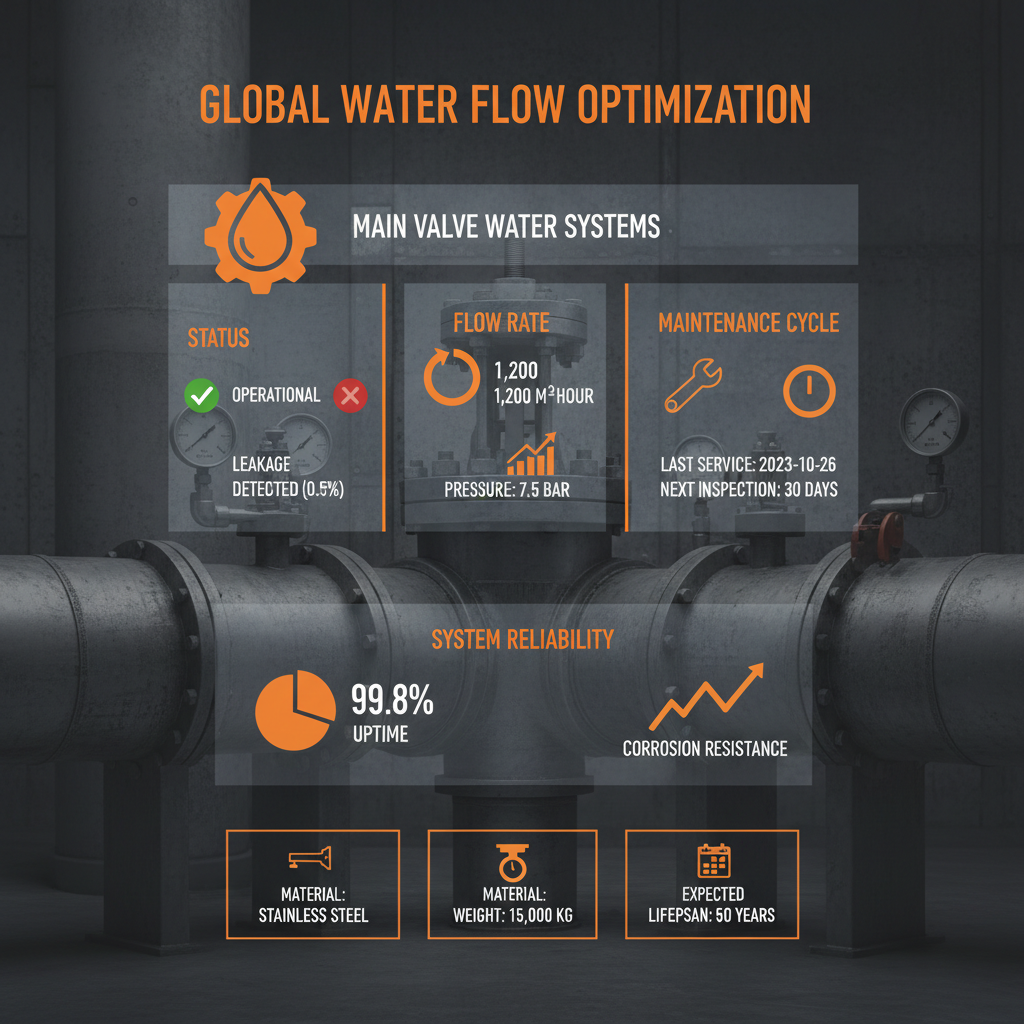
In a world grappling with increasing water scarcity and the impacts of climate change, the reliable operation of water distribution networks is paramount. Main valve water systems are the crucial arteries of these networks, ensuring that clean water reaches communities, industries, and agricultural lands. Proper valve selection, installation, and maintenance are no longer simply engineering considerations; they are fundamental to public health, economic stability, and environmental sustainability.
The strategic placement of main valve water throughout a distribution system allows for isolation of sections for maintenance and repair, minimizing disruption to service. They also play a vital role in emergency response, enabling rapid shut-off in the event of leaks, breaks, or contamination incidents. Without these critical components, maintaining water quality and preventing widespread outages would be virtually impossible.
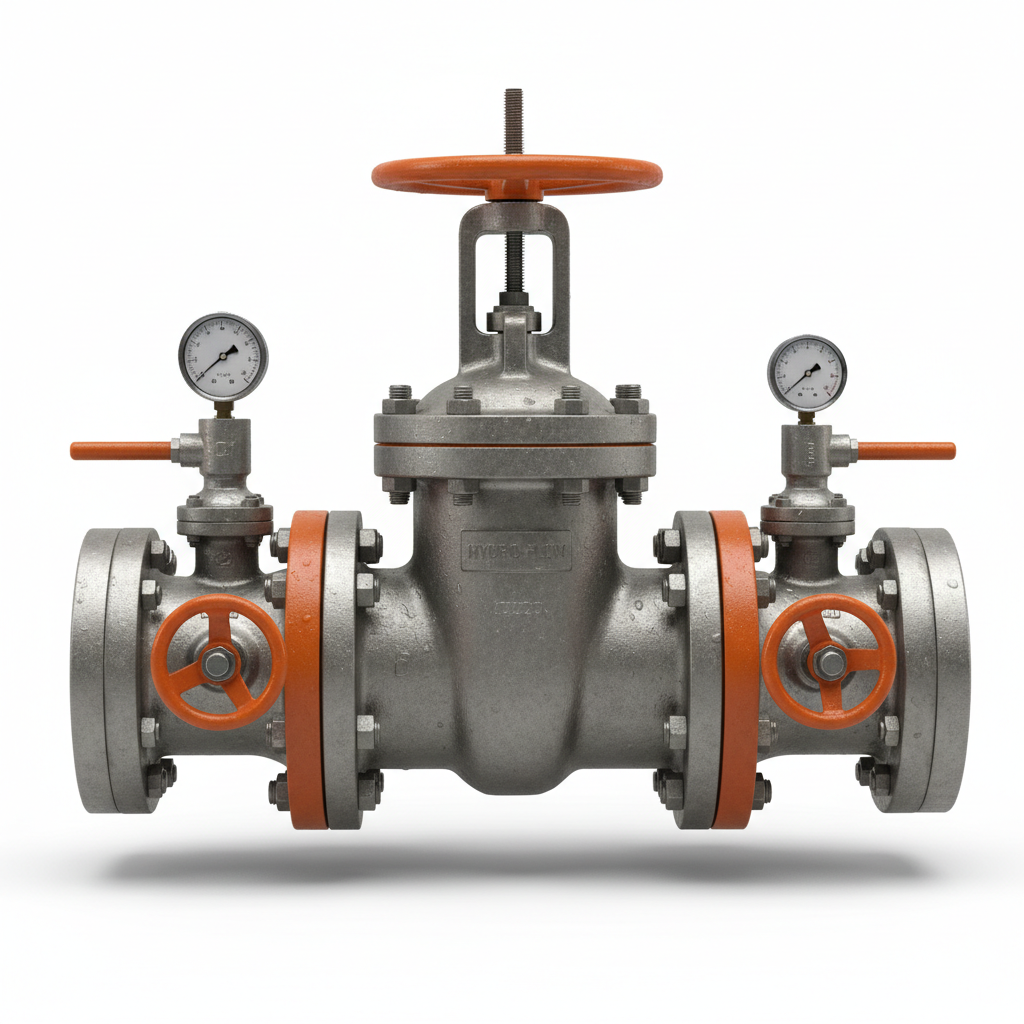
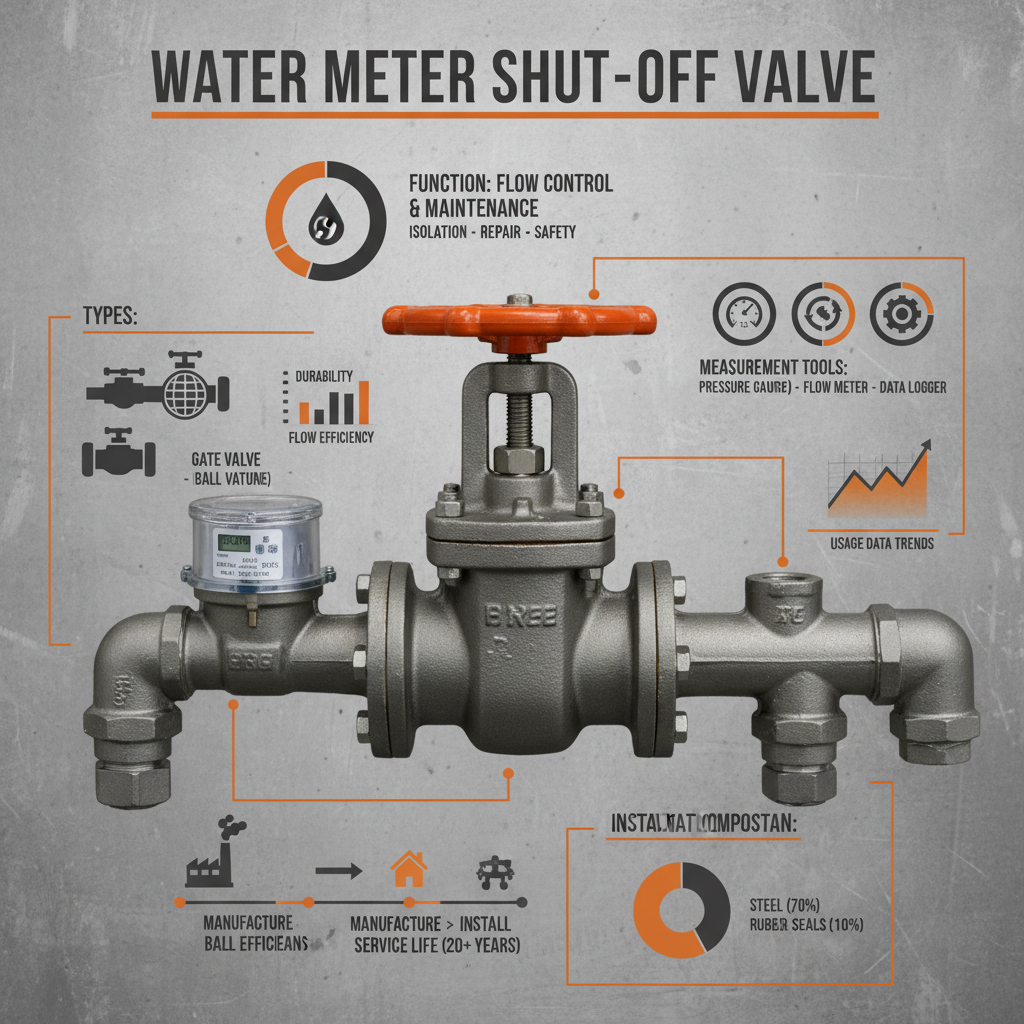
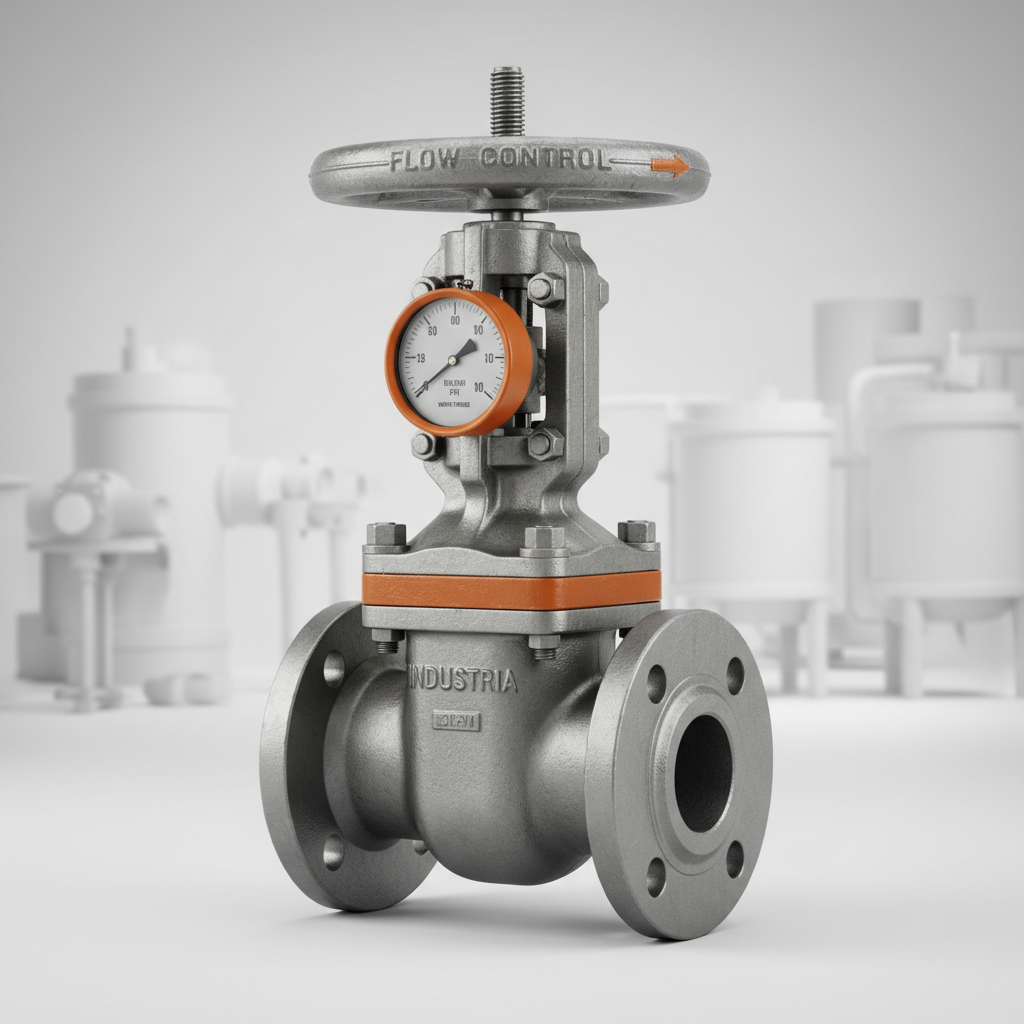
Gate valves excel in providing complete shut-off, making them ideal for isolation. However, they have higher flow resistance and are slower to operate. Butterfly valves offer quicker operation and lower flow resistance, but don't achieve a completely leak-tight seal. The choice depends on whether isolation or flow regulation is prioritized in the specific application.
Regular inspection and maintenance are vital. At a minimum, valves should be visually inspected annually for signs of corrosion, leakage, or damage. A more comprehensive maintenance schedule, including lubrication, seal replacement, and performance testing, should be conducted every 2-5 years, depending on the valve type and operating conditions.
For corrosive environments, materials like stainless steel (316L), bronze, and certain types of polymers (like PTFE) are highly recommended. These materials offer excellent resistance to chemical attack and corrosion, extending valve lifespan and preventing contamination of the water supply. Careful consideration of the specific corrosive agents present is essential when selecting materials.
Automation significantly enhances the efficiency and reliability of main valve water systems. Automated valve actuators allow for remote control, precise flow regulation, and rapid response to emergencies. Smart valve systems equipped with sensors and data analytics can detect leaks, monitor performance, and predict potential failures, optimizing operation and reducing downtime.
Valve sizing requires careful consideration of factors such as flow rate, pressure drop, pipe diameter, and fluid viscosity. Accurate calculations based on these parameters are crucial to ensure optimal performance and prevent issues like cavitation or excessive pressure loss. Consulting with a qualified valve engineer is highly recommended for complex applications.
Smart main valve water systems provide real-time data monitoring, remote control capabilities, leak detection, and predictive maintenance features. This leads to reduced water loss, improved operational efficiency, minimized downtime, and enhanced system reliability. These systems also support data-driven decision-making and optimized resource allocation.
In conclusion, main valve water are the unsung heroes of modern water infrastructure. Their reliable operation is fundamental to public health, economic prosperity, and environmental sustainability. By understanding the core principles of valve selection, installation, and maintenance, we can ensure that these critical components continue to deliver clean and safe water to communities and industries around the globe. Investing in advanced valve technologies and skilled personnel is a vital step towards securing a sustainable water future.
Looking ahead, the integration of smart technologies, the development of innovative materials, and a continued focus on sustainability will drive further advancements in main valve water systems. Collaboration between engineers, policymakers, and water utilities is essential to overcome the challenges of aging infrastructure, increasing demand, and climate change. Visit our website at www.strmachinery.com to learn more about our solutions for reliable and efficient water management.

 Afrikaans
 Albanian
 Amharic
 Arabic
 Armenian
 Azerbaijani
 Basque
 Belarusian
 Bengali
 Bosnian
 Bulgarian
 Catalan
 Cebuano
 Corsican
 Croatian
 Czech
Czech
 Danish
 Dutch
Dutch
 Esperanto
 Estonian
 Finnish
 French
 Frisian
 Galician
 Georgian
 German
 Greek
Greek
 Gujarati
 Haitian Creole
 Hausa
Hausa
 Hawaiian
 Hebrew
 Hindi
Hindi
 Miao
Miao
 Hungarian
 Icelandic
 Igbo
Igbo
 Indonesian
 Irish
Irish
 Italian
 Japanese
 Javanese
 Kannada
 Kazakh
 Khmer
Khmer
 Rwandese
 Korean
 Kurdish
 Kyrgyz
 Lao
Lao
 Latin
Latin
 Latvian
 Lithuanian
 Luxembourgish
 Macedonian
 Malgashi
 Malay
Malay
 Malayalam
 Maltese
 Maori
Maori
 Marathi
 Mongolian
 Myanmar
 Nepali
 Norwegian
 Norwegian
 Occitan
 Pashto
 Persian
 Polish
 Portuguese
 Punjabi
 Romanian
 Russian
 Samoan
 Scottish Gaelic
 Serbian
 Sesotho
 Shona
Shona
 Sindhi
 Sinhala
 Slovak
 Slovenian
 Somali
 Spanish
 Sundanese
 Swahili
 Swedish
 Tagalog
 Tajik
Tajik
 Tamil
Tamil
 Tatar
Tatar
 Telugu
 Thai
Thai
 Turkish
 Turkmen
 Ukrainian
 Urdu
Urdu
 Uighur
 Uzbek
Uzbek
 Vietnamese
 Welsh
Welsh
 Bantu
Bantu
 Yiddish
 Yoruba
 Zulu
Zulu
 English