The reliable operation of water distribution systems is paramount to modern society, and at the heart of these systems lies the main water valve. These critical components regulate the flow of water to entire communities, impacting everything from daily life to industrial processes and emergency response. Understanding their functionality, maintenance, and evolving technologies is crucial for ensuring water security and sustainability. Without robust main water valve infrastructure, cities and regions are vulnerable to disruptions that can have far-reaching consequences.
Globally, access to clean and reliable water sources remains a significant challenge. According to the UN, billions of people still lack access to safely managed drinking water services. Effective water management, including the use of high-quality main water valve systems, is vital to achieving Sustainable Development Goal 6: Clean Water and Sanitation. The World Bank estimates that inadequate water infrastructure costs developing countries billions of dollars annually in lost productivity and health impacts, highlighting the urgent need for investment and innovation in this area.
The increasing frequency of extreme weather events, coupled with population growth and urbanization, is placing unprecedented strain on existing water infrastructure. A malfunctioning or outdated main water valve can quickly escalate into a crisis, leading to water shortages, contamination, and significant economic losses. Investing in modern, resilient valve technology and preventative maintenance is therefore not just a matter of efficiency, but of public safety and long-term sustainability.
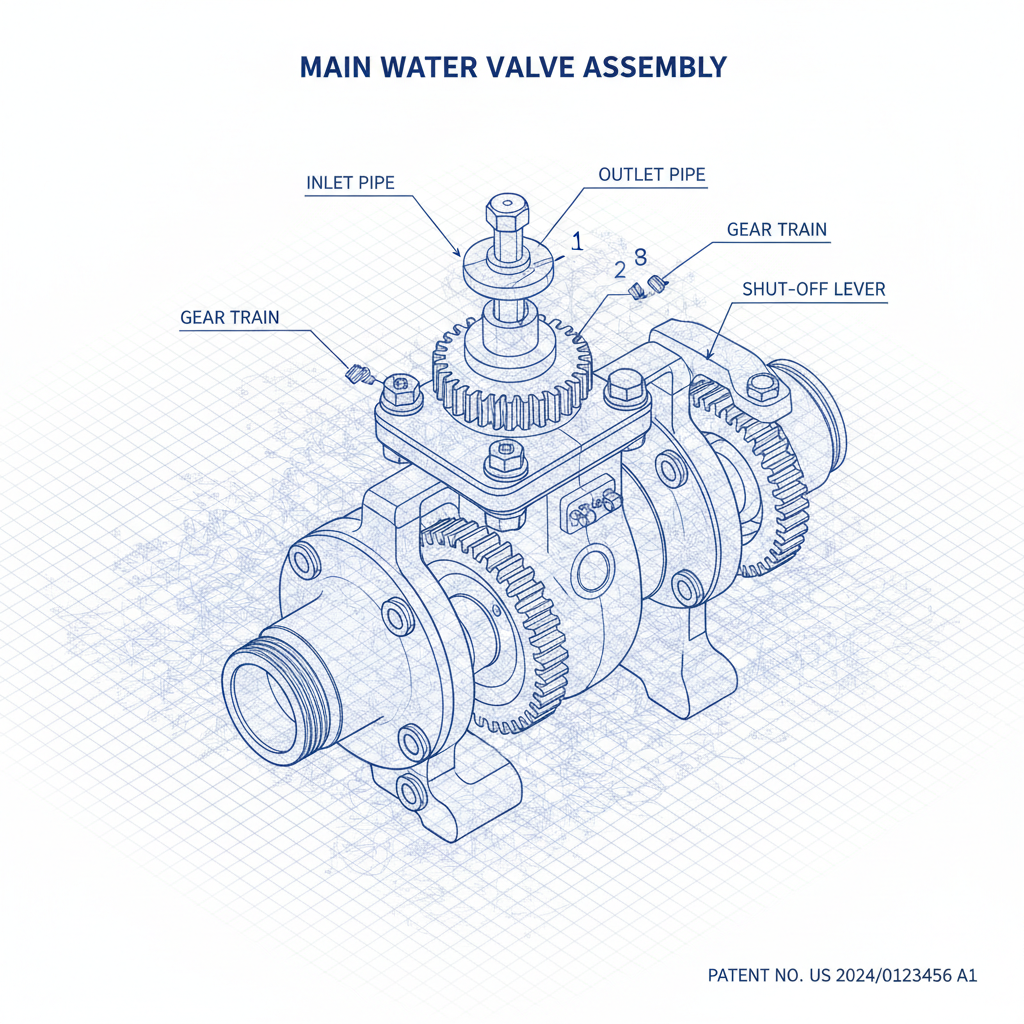
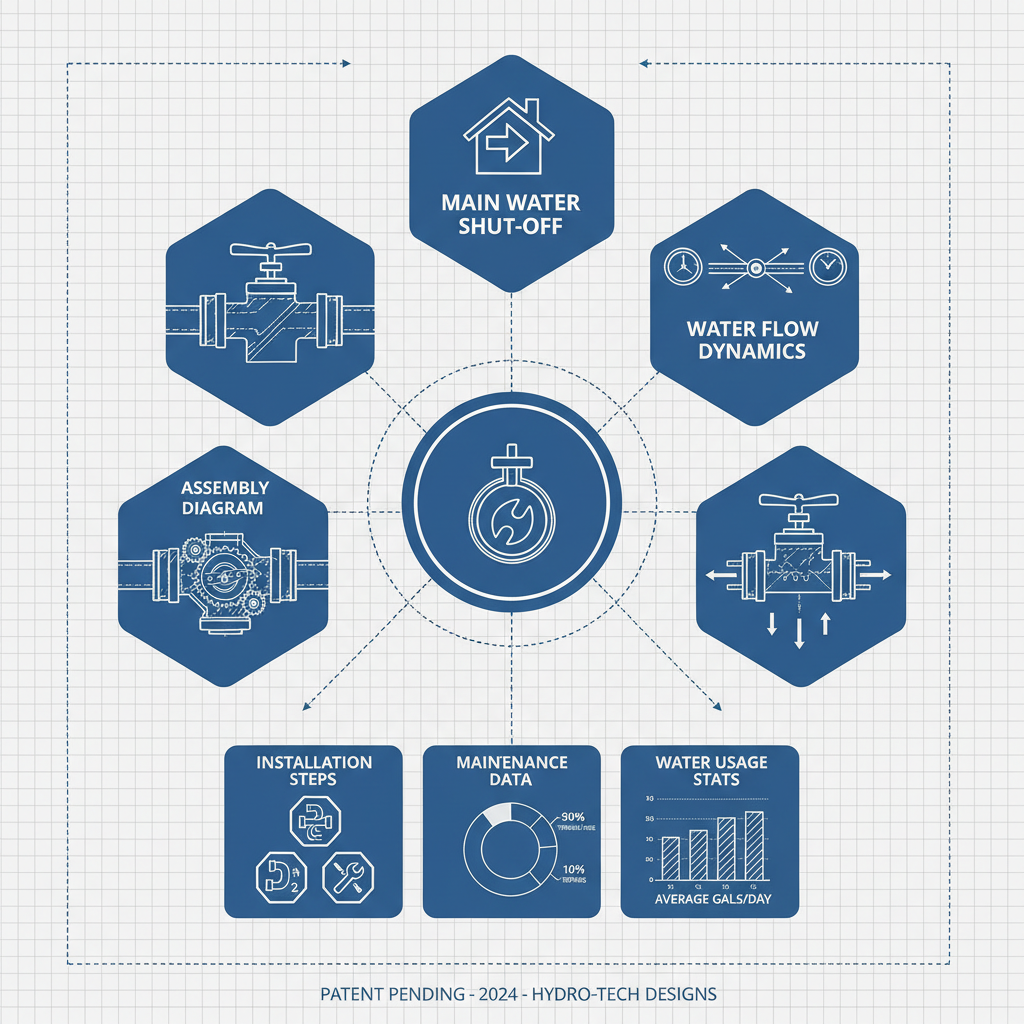
The main water valve serves as the primary control point for water entering a municipality or large facility. Its proper functioning directly impacts water pressure, flow rates, and the overall efficiency of the distribution network. Regular inspection and maintenance of these valves are essential to prevent leaks, bursts, and disruptions to water service.
Furthermore, the correct specification and installation of a main water valve can significantly contribute to reducing non-revenue water – the difference between the water supplied and the water billed – which represents a substantial economic loss for many water utilities. Modern valve technologies are increasingly incorporating features to enhance leak detection and remote monitoring capabilities.
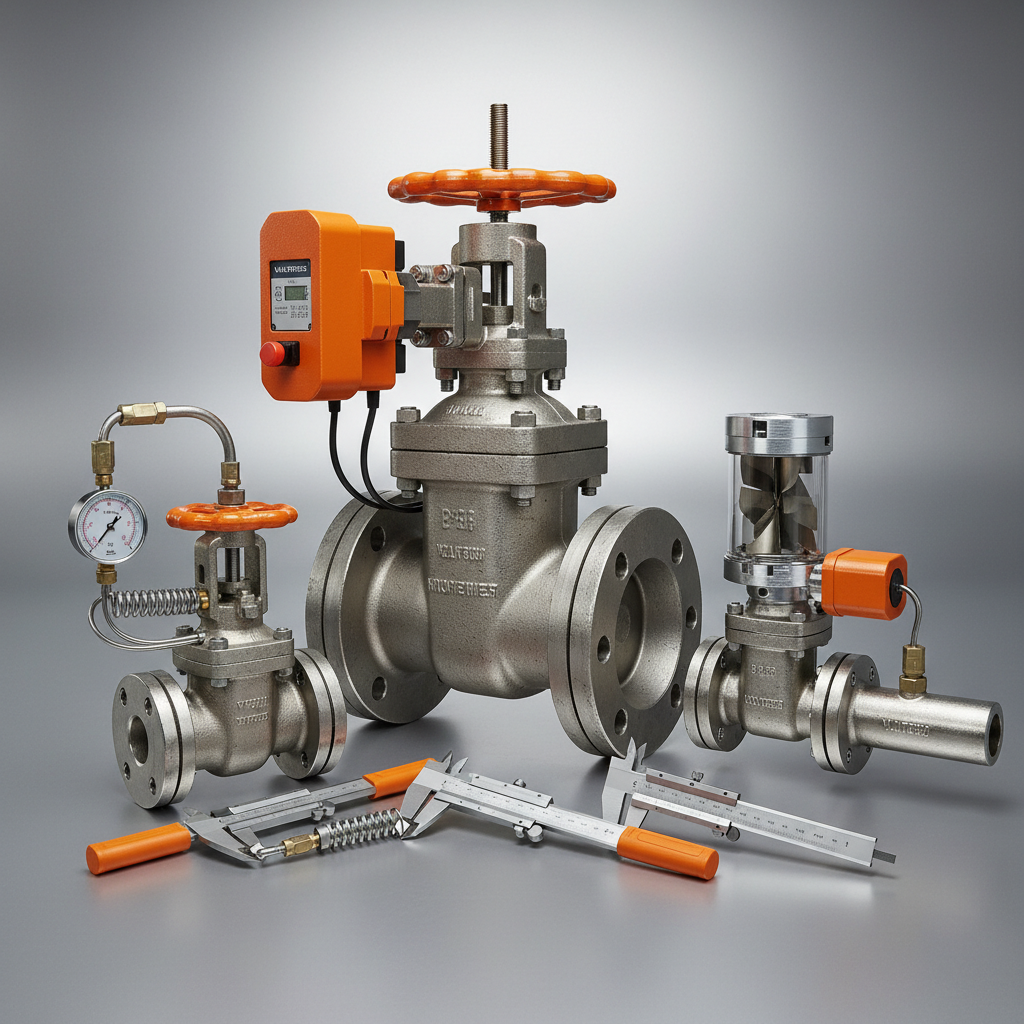
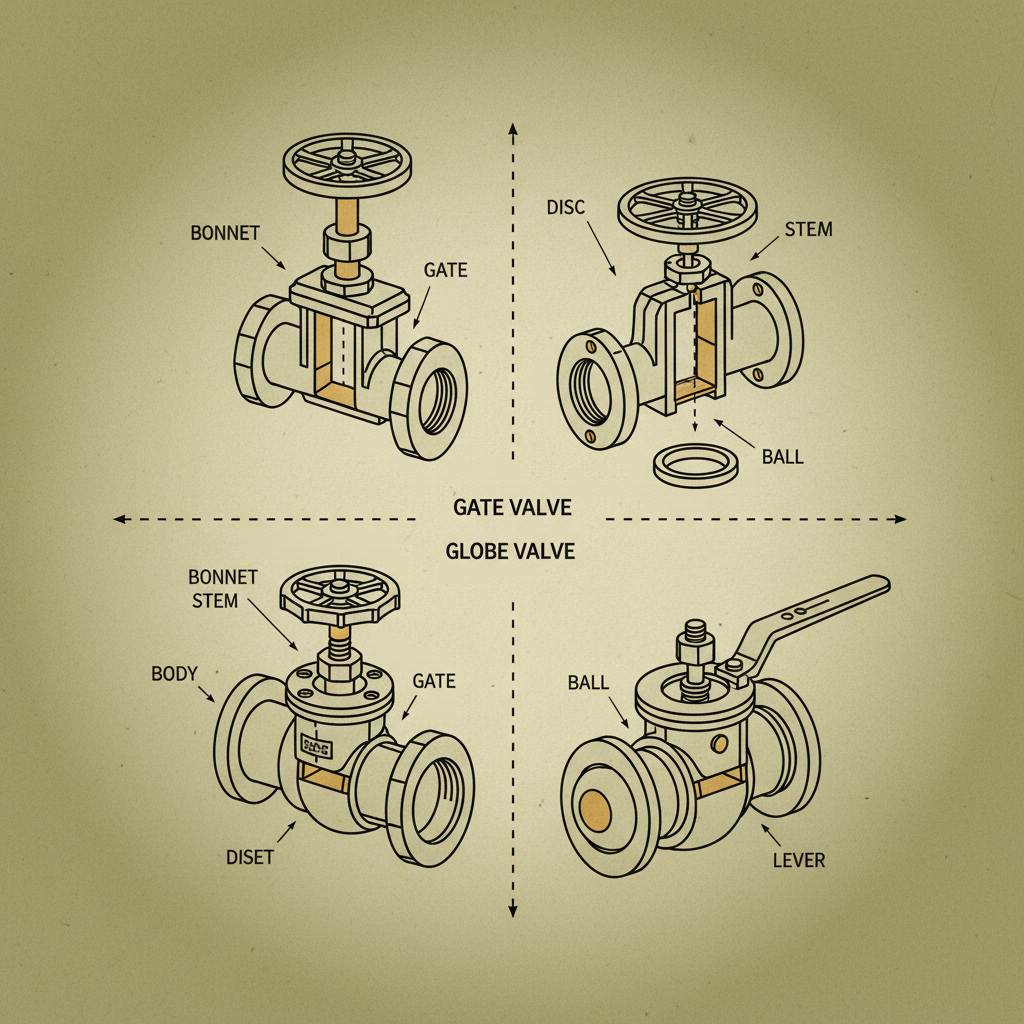
Gate valves, butterfly valves, and check valves are the most prevalent types. Gate valves are frequently used for isolation, while butterfly valves offer good flow control. Check valves prevent backflow. The specific choice depends on the application's pressure, flow rate, and isolation needs. Proper selection and installation of the main water valve are crucial for optimal system efficiency and longevity.
Annual inspections are recommended for most main water valve systems. Maintenance should include lubrication, cleaning, and testing to ensure smooth operation. More frequent inspections may be necessary in harsh environments or for valves with a history of issues. Regular maintenance prevents leaks, reduces repair costs, and extends the valve’s service life.
Visible leaks, difficulty operating the valve, unusual noises, and significant corrosion are all indicators of potential failure. If a valve is consistently failing to shut off completely, or if it requires excessive force to operate, it's likely time for a replacement. Ignoring these signs can lead to costly water loss and system disruptions.
Smart valves equipped with sensors and communication capabilities provide real-time data on flow rates, pressure levels, and valve status. This information allows for proactive maintenance, early leak detection, and remote control of the valve. Smart technology enhances operational efficiency and reduces the need for manual inspections.
Consider factors such as flow rate, pressure levels, fluid type, and operating temperature. Consult with a qualified engineer or valve specialist to determine the appropriate valve type, size, and materials. Ensure the valve meets relevant industry standards and certifications. A properly sized main water valve will optimize system performance and reliability.
The cost of replacing a main water valve can vary widely depending on the size, type, and location of the valve. Costs include the valve itself, labor for installation, and any necessary excavation or site preparation. Preventative maintenance and early replacement can ultimately save money by avoiding costly emergency repairs and water loss.
The main water valve is a foundational component of modern water infrastructure, vital for ensuring access to clean and reliable water resources. From its role in municipal systems to industrial applications, its durability, reliability, and efficiency are paramount. Embracing advancements in smart technology and proactive maintenance practices will be crucial for addressing the challenges of aging infrastructure and growing water demands.
Investing in high-quality main water valve systems is not merely a matter of cost savings, but a commitment to public health, environmental sustainability, and long-term economic prosperity. We encourage you to explore the latest innovations and best practices in valve technology to ensure a secure and resilient water future.

 Afrikaans
 Albanian
 Amharic
 Arabic
 Armenian
 Azerbaijani
 Basque
 Belarusian
 Bengali
 Bosnian
 Bulgarian
 Catalan
 Cebuano
 Corsican
 Croatian
 Czech
Czech
 Danish
 Dutch
Dutch
 Esperanto
 Estonian
 Finnish
 French
 Frisian
 Galician
 Georgian
 German
 Greek
Greek
 Gujarati
 Haitian Creole
 Hausa
Hausa
 Hawaiian
 Hebrew
 Hindi
Hindi
 Miao
Miao
 Hungarian
 Icelandic
 Igbo
Igbo
 Indonesian
 Irish
Irish
 Italian
 Japanese
 Javanese
 Kannada
 Kazakh
 Khmer
Khmer
 Rwandese
 Korean
 Kurdish
 Kyrgyz
 Lao
Lao
 Latin
Latin
 Latvian
 Lithuanian
 Luxembourgish
 Macedonian
 Malgashi
 Malay
Malay
 Malayalam
 Maltese
 Maori
Maori
 Marathi
 Mongolian
 Myanmar
 Nepali
 Norwegian
 Norwegian
 Occitan
 Pashto
 Persian
 Polish
 Portuguese
 Punjabi
 Romanian
 Russian
 Samoan
 Scottish Gaelic
 Serbian
 Sesotho
 Shona
Shona
 Sindhi
 Sinhala
 Slovak
 Slovenian
 Somali
 Spanish
 Sundanese
 Swahili
 Swedish
 Tagalog
 Tajik
Tajik
 Tamil
Tamil
 Tatar
Tatar
 Telugu
 Thai
Thai
 Turkish
 Turkmen
 Ukrainian
 Urdu
Urdu
 Uighur
 Uzbek
Uzbek
 Vietnamese
 Welsh
Welsh
 Bantu
Bantu
 Yiddish
 Yoruba
 Zulu
Zulu
 English