The main water supply valve is a critical component in any plumbing system, serving as the control point for water entering a building or property. Its importance extends far beyond residential use, impacting industries, agriculture, and public safety worldwide. Understanding the function, types, and maintenance of a main water supply valve is crucial for preventing costly damage, ensuring consistent water access, and safeguarding public health. This knowledge empowers homeowners, professionals, and municipalities alike to efficiently manage this vital resource.
Globally, access to clean water is a fundamental human right, yet billions face water scarcity and inadequate infrastructure. A reliable main water supply valve is often the first line of defense against water loss, contamination, and service disruptions. Efficient water management, facilitated by robust valve systems, is essential for sustainable development and mitigating the impacts of climate change on water resources. The need for durable, efficient, and easily maintainable valves is increasingly urgent.
Properly functioning main water supply valves are not merely a convenience; they are integral to the safety and functionality of modern life. From fire suppression systems to industrial processes, a consistent and controlled water supply is paramount. Therefore, a comprehensive understanding of these valves—their installation, operation, and troubleshooting—is essential for a wide range of stakeholders.
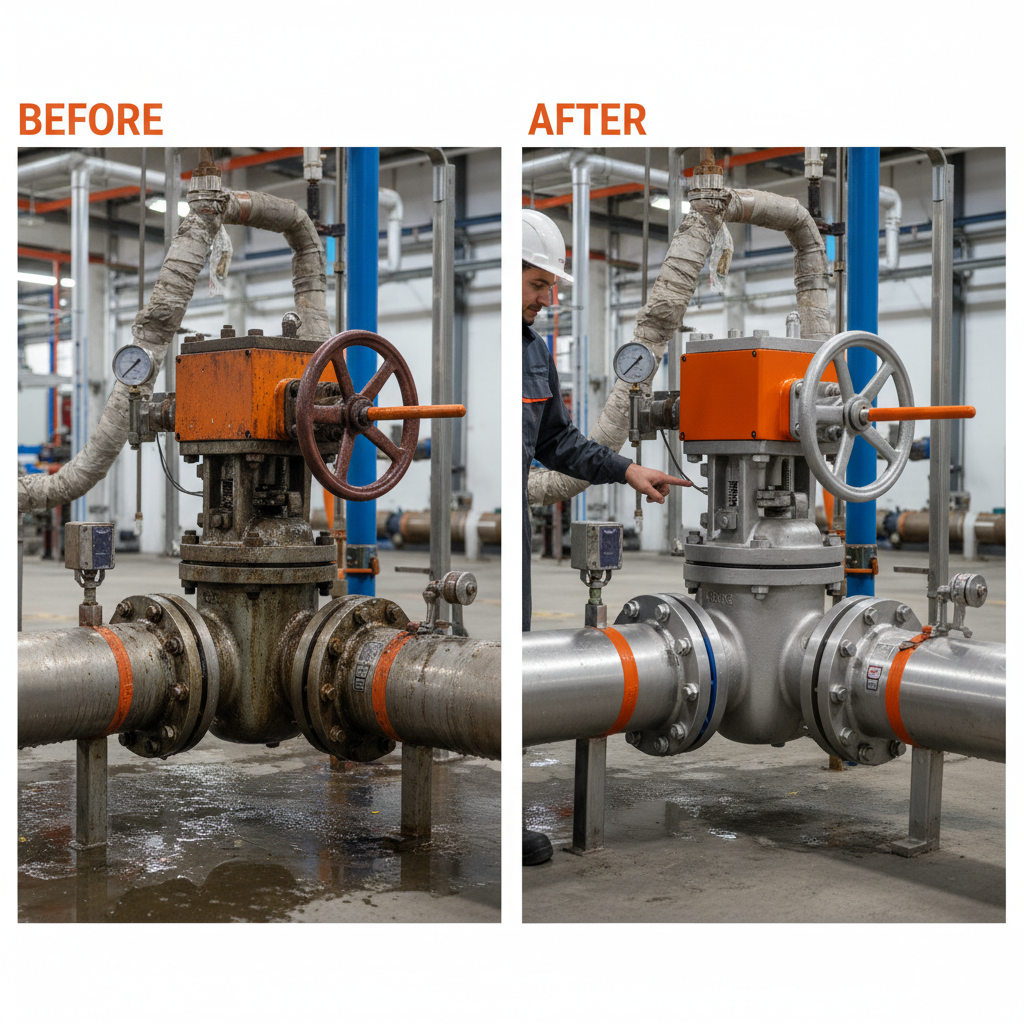
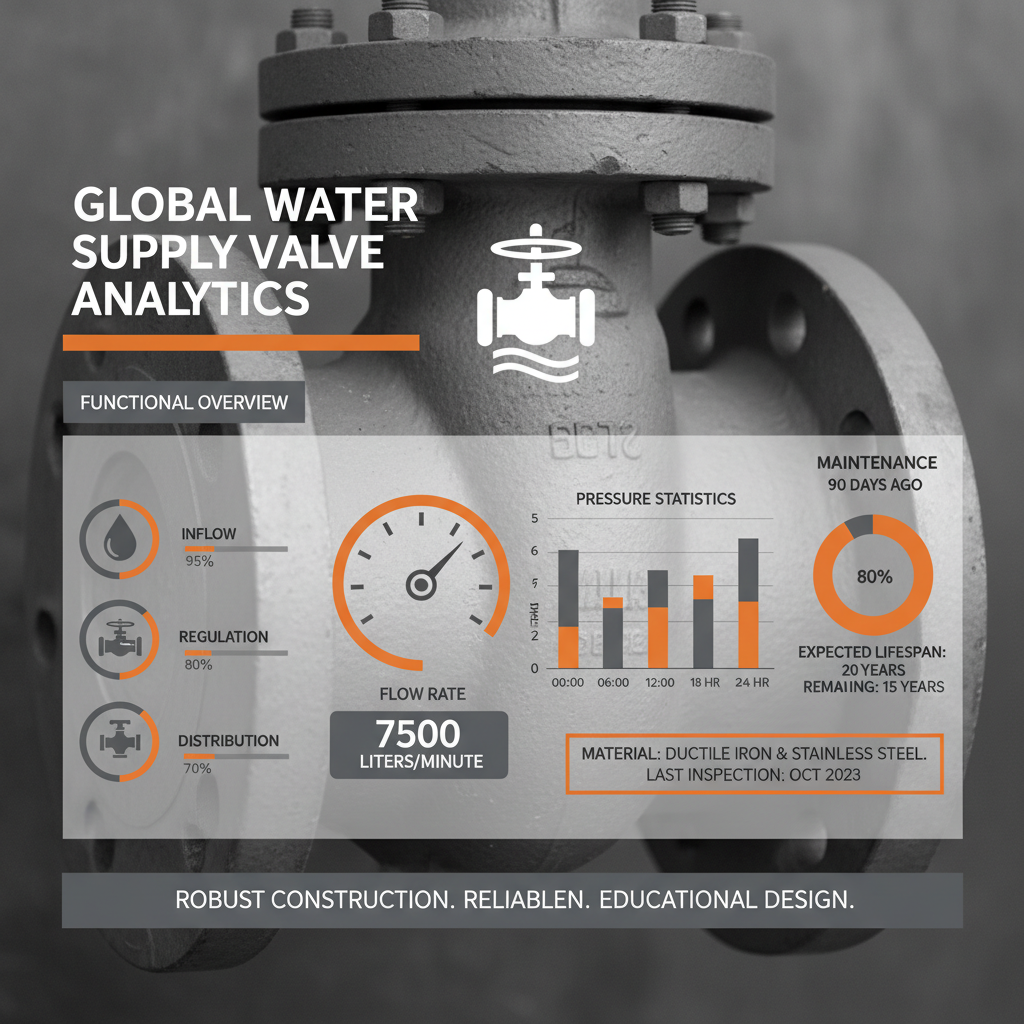
The primary function of a main water supply valve is to control the flow of water into a building or property. It acts as a central on/off switch, enabling quick shutoff in emergencies, facilitating maintenance, and preventing water damage from leaks or bursts. Without a reliable main water supply valve, even a small leak can escalate into a significant and costly problem.
Beyond emergency control, the valve plays a crucial role in routine plumbing work. Any repairs or installations requiring the water supply to be interrupted are significantly simplified with a readily accessible and functional main water supply valve. This ease of access saves time, reduces inconvenience, and minimizes potential for errors.
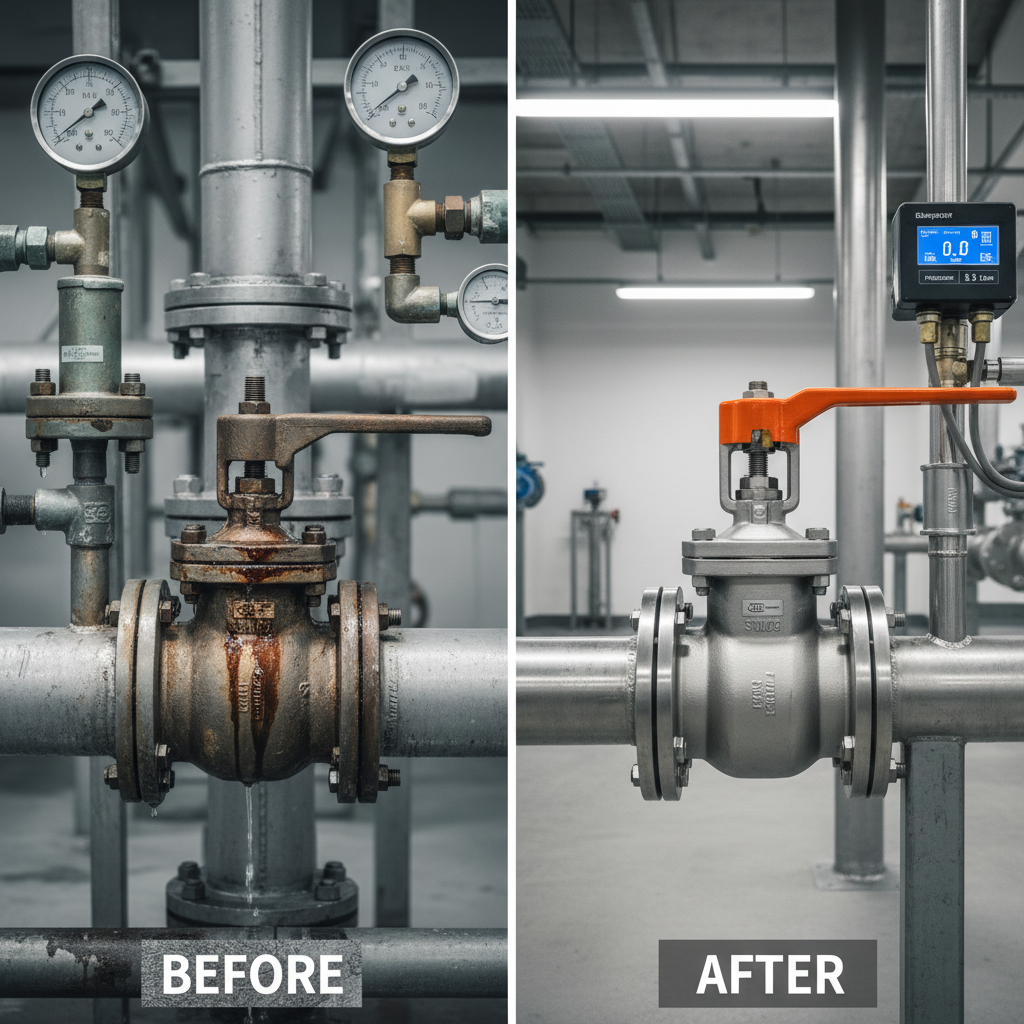
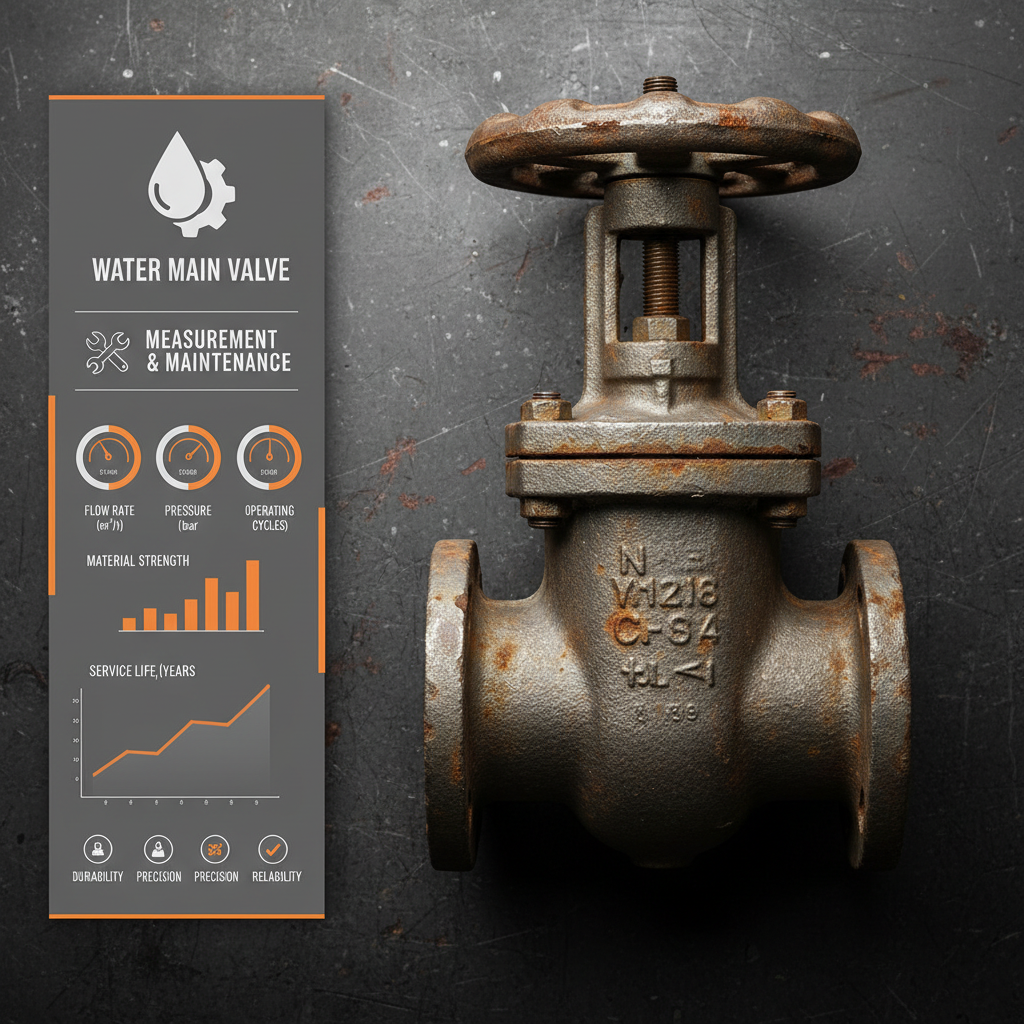
The lifespan of a main water supply valve varies depending on the material, installation quality, and water quality. However, a well-maintained valve typically lasts between 20-50 years. Regular inspection and lubrication are key to maximizing its lifespan. Replacing a valve proactively before it fails can prevent costly water damage.
It's recommended to inspect your main water supply valve at least once a year. Check for leaks, corrosion, and smooth operation. Attempt to fully open and close the valve to ensure it's not seized. If you encounter any issues, it's best to consult a qualified plumber for assessment and repair.
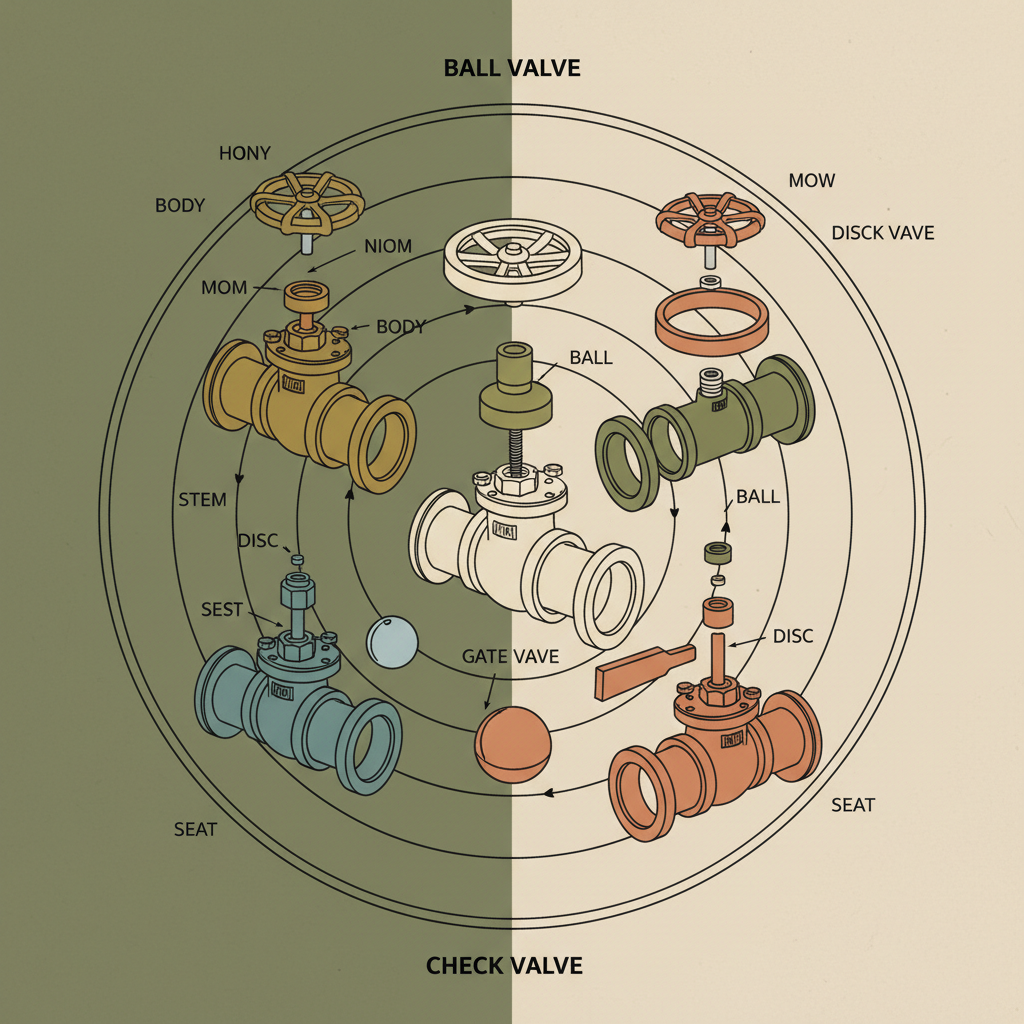
The best type of valve depends on your specific plumbing system and water pressure. Ball valves are generally preferred for their quick shut-off and durability. Gate valves are also common but require more frequent maintenance. Consult with a plumbing professional to determine the most suitable valve for your needs.
Minor leaks around the valve stem or handle can sometimes be addressed with tightening or replacing packing. However, significant leaks or internal valve damage usually require professional repair or replacement. Attempting complex repairs without proper knowledge and tools could worsen the problem.
If your main water supply valve is stuck, do not force it. Applying excessive force could damage the valve or the plumbing system. Try applying penetrating oil and gently working the handle back and forth. If it remains stuck, contact a plumber to avoid further damage.
Smart valves offer remote control, leak detection, and water usage monitoring. They can automatically shut off water in case of a leak, preventing costly damage. The data they provide can also help identify wasteful habits and optimize water consumption, contributing to savings and sustainability.
In conclusion, the main water supply valve is a deceptively simple yet profoundly important component of modern infrastructure. From ensuring access to clean water to preventing catastrophic damage, its role is critical. Understanding its function, types, and maintenance requirements is essential for homeowners, professionals, and municipalities alike. Investing in high-quality valves and implementing proactive maintenance programs is a cornerstone of sustainable water management and public safety.
Looking ahead, the integration of smart technologies and the development of innovative materials will further enhance the performance and reliability of main water supply valves. Embracing these advancements will be crucial for addressing the growing challenges of water scarcity and ensuring a secure and sustainable water future for all. For reliable water control solutions, visit our website: www.strmachinery.com.

 Afrikaans
 Albanian
 Amharic
 Arabic
 Armenian
 Azerbaijani
 Basque
 Belarusian
 Bengali
 Bosnian
 Bulgarian
 Catalan
 Cebuano
 Corsican
 Croatian
 Czech
Czech
 Danish
 Dutch
Dutch
 Esperanto
 Estonian
 Finnish
 French
 Frisian
 Galician
 Georgian
 German
 Greek
Greek
 Gujarati
 Haitian Creole
 Hausa
Hausa
 Hawaiian
 Hebrew
 Hindi
Hindi
 Miao
Miao
 Hungarian
 Icelandic
 Igbo
Igbo
 Indonesian
 Irish
Irish
 Italian
 Japanese
 Javanese
 Kannada
 Kazakh
 Khmer
Khmer
 Rwandese
 Korean
 Kurdish
 Kyrgyz
 Lao
Lao
 Latin
Latin
 Latvian
 Lithuanian
 Luxembourgish
 Macedonian
 Malgashi
 Malay
Malay
 Malayalam
 Maltese
 Maori
Maori
 Marathi
 Mongolian
 Myanmar
 Nepali
 Norwegian
 Norwegian
 Occitan
 Pashto
 Persian
 Polish
 Portuguese
 Punjabi
 Romanian
 Russian
 Samoan
 Scottish Gaelic
 Serbian
 Sesotho
 Shona
Shona
 Sindhi
 Sinhala
 Slovak
 Slovenian
 Somali
 Spanish
 Sundanese
 Swahili
 Swedish
 Tagalog
 Tajik
Tajik
 Tamil
Tamil
 Tatar
Tatar
 Telugu
 Thai
Thai
 Turkish
 Turkmen
 Ukrainian
 Urdu
Urdu
 Uighur
 Uzbek
Uzbek
 Vietnamese
 Welsh
Welsh
 Bantu
Bantu
 Yiddish
 Yoruba
 Zulu
Zulu
 English