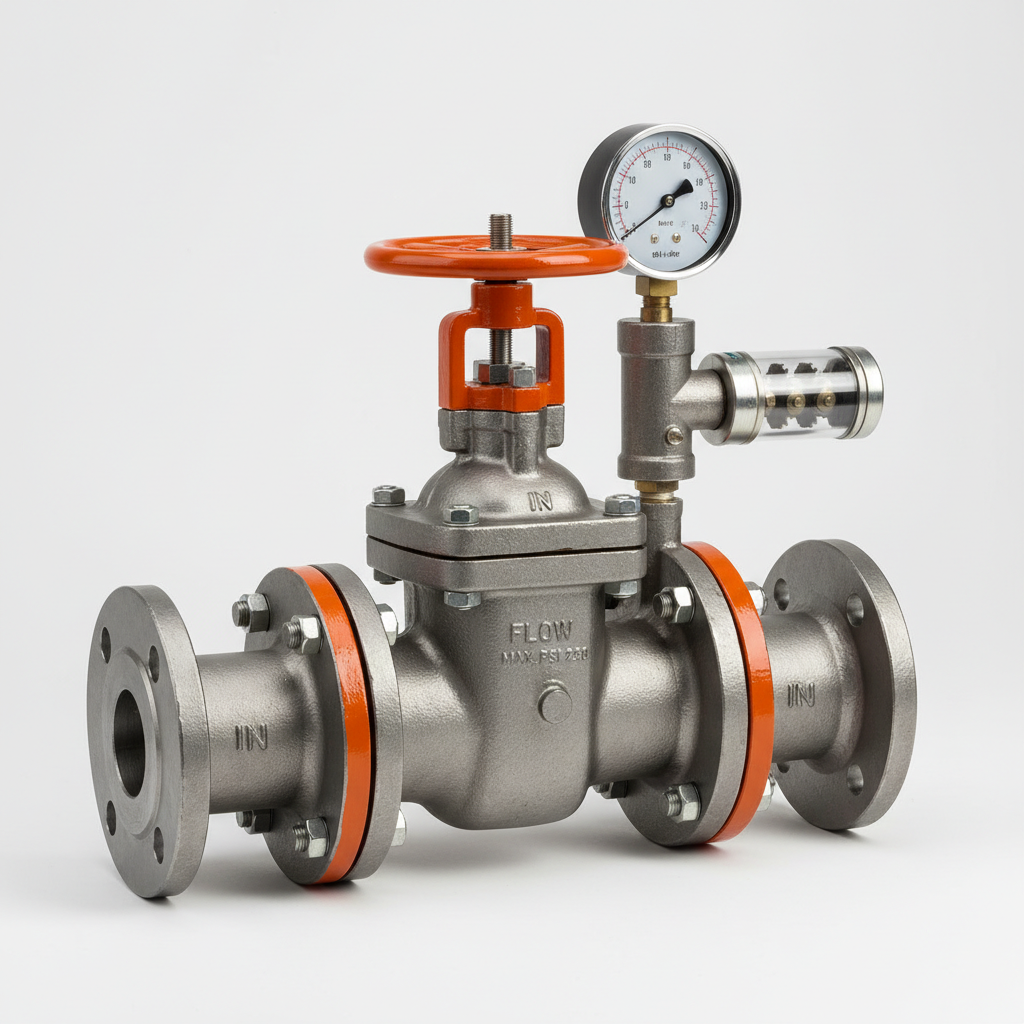
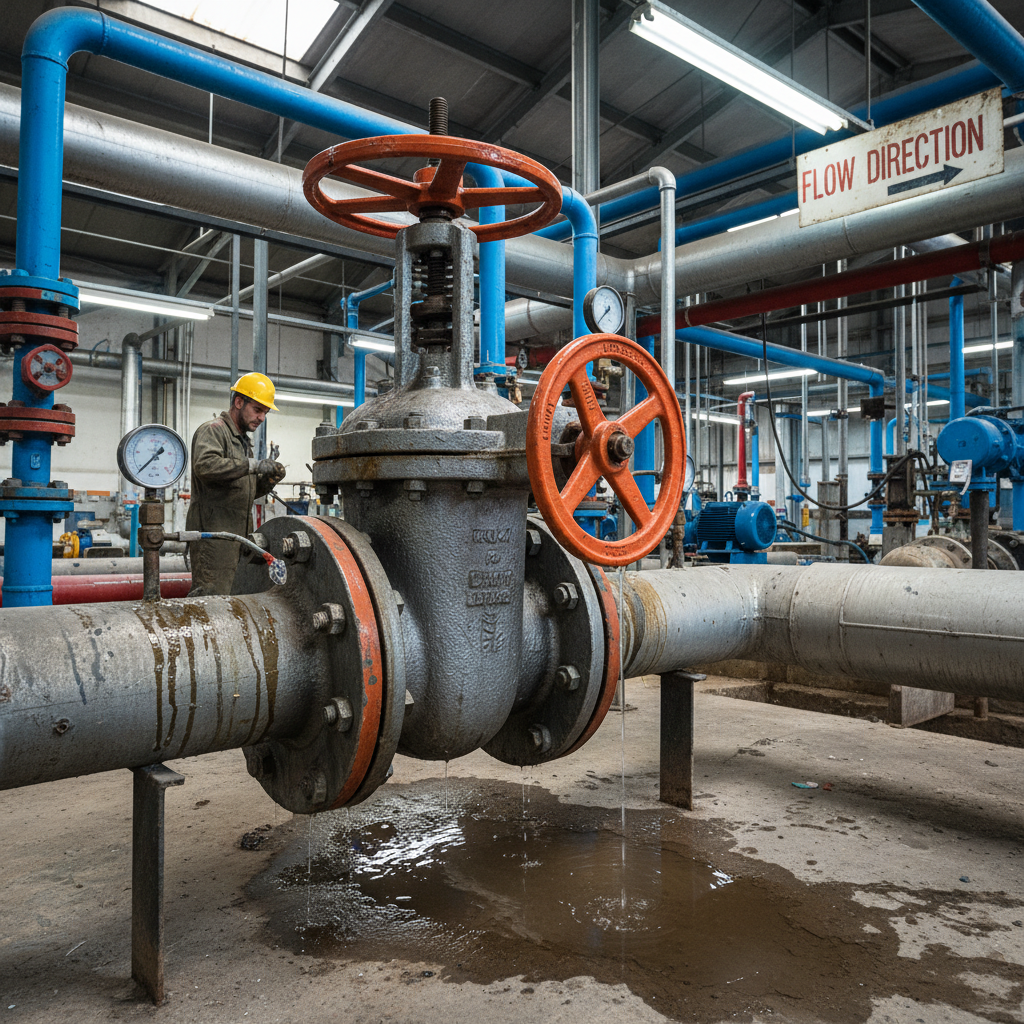
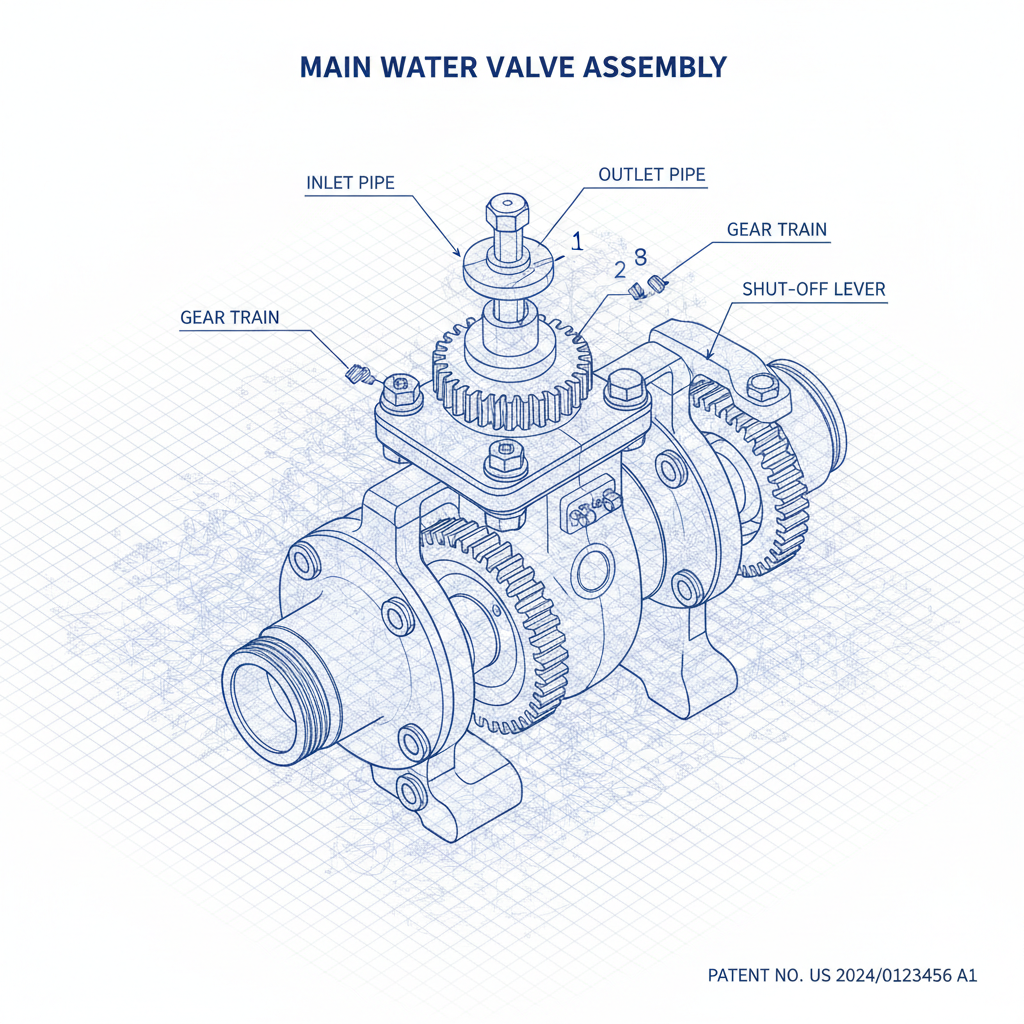
Water valve pressure – it’s more than just numbers on a gauge. It's the lifeblood of any system relying on fluid transfer, and I’ve seen firsthand how getting it wrong can bring a project to its knees. From sprawling municipal water networks to the intricate plumbing of a modern hospital, and even the simple irrigation systems keeping farms going, consistent and reliable water valve pressure is absolutely critical. It dictates efficiency, safety, and ultimately, the longevity of infrastructure. It's a topic that seems simple on the surface, but dive deeper and you'll find a world of complex engineering and real-world consequences.
I've spent the last decade crawling around construction sites, hands dirty, watching engineers wrestle with these systems. What strikes me is how often it’s treated as an afterthought. Budgets get squeezed, cheaper components are substituted, and pressure testing often feels like a formality. But a faulty valve, insufficient pressure, or even excessive pressure can cause catastrophic failures – leaks, bursts, equipment damage, and even endangering lives. That's why understanding water valve pressure isn't just for engineers; it's vital for project managers, contractors, and anyone involved in building or maintaining water-based infrastructure.
It’s a foundational element, really. When you’re out there, standing in a half-dug trench, watching a crew try to connect a new water main, it becomes clear that everything hinges on that pressure. It’s the difference between a smooth, efficient installation and a day of frustrating delays and potential safety hazards. That’s why I’m passionate about this topic – it’s not abstract theory; it’s a practical reality I deal with every single day.
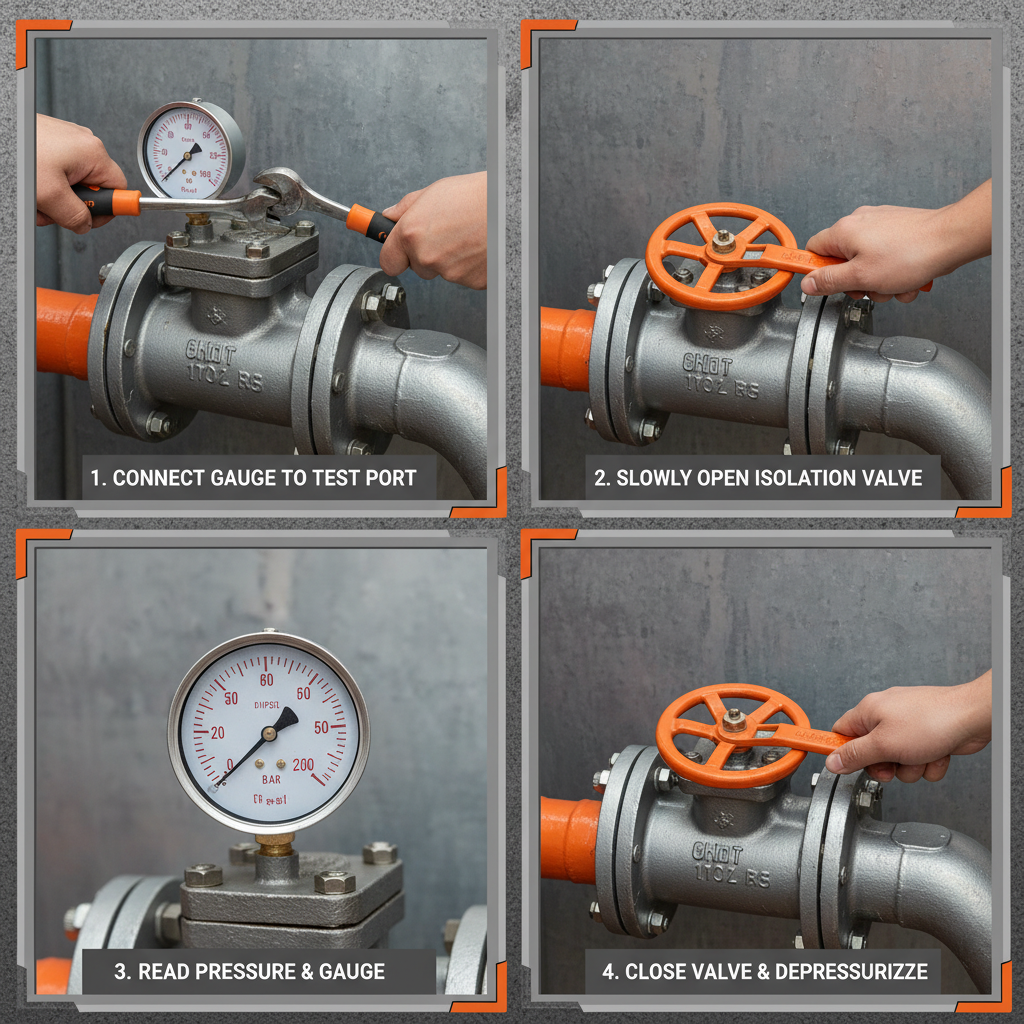
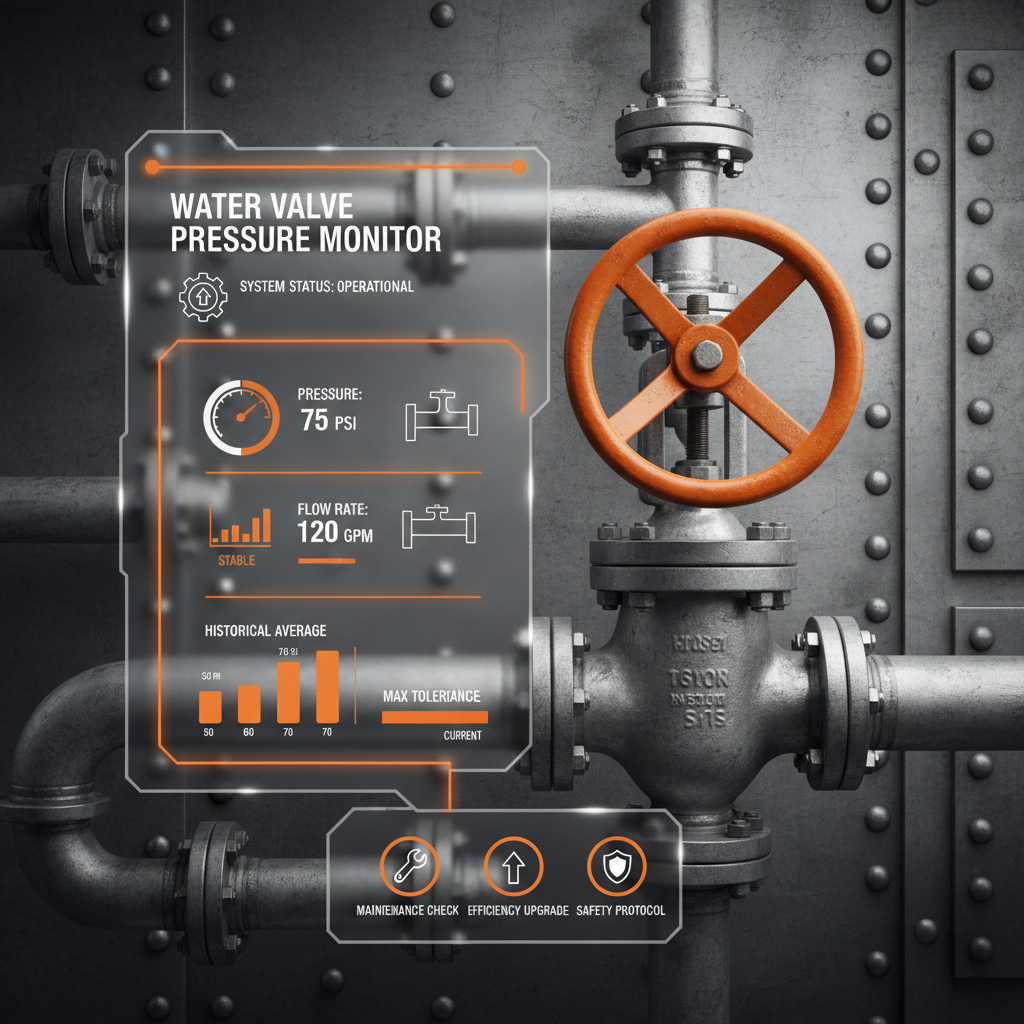
Look, I've seen projects delayed for weeks because of inconsistent water valve pressure. It’s not just about complying with regulations (though that’s crucial). It's about delivering a functional, reliable system. A consistent flow is vital for everything from fire suppression systems to the simple act of washing hands in a hospital. When pressure fluctuates, it impacts performance and, more importantly, safety. It’s a fundamental aspect of building, and we sometimes forget that in the hustle to meet deadlines.
The global need for efficient water management is growing exponentially. The UN estimates that billions of people lack access to safe, reliable water sources. Maintaining adequate water valve pressure is a key component of ensuring efficient water distribution, reducing waste, and delivering clean water to communities around the world. It's not a luxury; it’s a necessity.
Generally, 40-60 PSI is considered the sweet spot for residential water pressure. Below 40 PSI, you might experience weak showers and slow filling appliances. Above 60 PSI, you risk damaging pipes and fixtures. However, local codes and plumbing system designs can vary, so always consult a professional plumber to determine the optimal pressure for your specific situation.
Routine inspections are crucial. At a minimum, water valves should be visually inspected annually for signs of corrosion, leaks, or damage. More frequent inspections (quarterly) are recommended for critical systems like fire suppression or those in harsh environments. Proper record-keeping of inspections and maintenance is also essential for identifying trends and preventing failures.
Several factors can cause pressure fluctuations. Common culprits include water hammer (sudden pressure surges), air trapped in the pipes, a faulty pressure regulator, or increased demand from multiple fixtures or appliances running simultaneously. Also, external factors like nearby construction work can sometimes impact water pressure in the area.
A Pressure Reducing Valve (PRV) is a valve that automatically reduces incoming water pressure to a safer and more consistent level. It’s important because many municipal water systems deliver water at very high pressures, which can damage household plumbing. A PRV protects your pipes, fixtures, and appliances from excessive pressure, extending their lifespan and preventing costly repairs.
Signs of a leak in a water valve include visible water dripping or pooling around the valve, a hissing sound coming from the valve, or a noticeable increase in your water bill. Even a small, slow leak can waste a significant amount of water and cause damage over time. Addressing leaks promptly is essential for conserving water and protecting your property.
Common materials include brass, bronze, stainless steel, and various polymers. Brass and bronze are traditional choices known for their durability and corrosion resistance, but stainless steel is becoming increasingly popular due to its superior strength and longevity. Polymers are often used for specific applications where weight or cost is a concern, but they may not be suitable for high-pressure or high-temperature environments.
We’ve covered a lot here. From the fundamental definition of water valve pressure to the emerging technologies shaping its future, it’s clear that this isn’t just a technical detail – it’s a cornerstone of reliable infrastructure. Understanding the factors that influence pressure, recognizing the potential challenges, and proactively implementing effective solutions are all critical for ensuring efficient, safe, and sustainable water systems.
Looking ahead, I see a future where smart water management systems are the norm, where data-driven insights guide proactive maintenance, and where innovation leads to more durable and resilient infrastructure. The key is to prioritize long-term value over short-term cost savings. Investing in quality components, providing proper training, and embracing new technologies will pay dividends for generations to come. For more information on optimizing your water systems and finding the right components, visit our website: water valve pressure.

 Afrikaans
 Albanian
 Amharic
 Arabic
 Armenian
 Azerbaijani
 Basque
 Belarusian
 Bengali
 Bosnian
 Bulgarian
 Catalan
 Cebuano
 Corsican
 Croatian
 Czech
Czech
 Danish
 Dutch
Dutch
 Esperanto
 Estonian
 Finnish
 French
 Frisian
 Galician
 Georgian
 German
 Greek
Greek
 Gujarati
 Haitian Creole
 Hausa
Hausa
 Hawaiian
 Hebrew
 Hindi
Hindi
 Miao
Miao
 Hungarian
 Icelandic
 Igbo
Igbo
 Indonesian
 Irish
Irish
 Italian
 Japanese
 Javanese
 Kannada
 Kazakh
 Khmer
Khmer
 Rwandese
 Korean
 Kurdish
 Kyrgyz
 Lao
Lao
 Latin
Latin
 Latvian
 Lithuanian
 Luxembourgish
 Macedonian
 Malgashi
 Malay
Malay
 Malayalam
 Maltese
 Maori
Maori
 Marathi
 Mongolian
 Myanmar
 Nepali
 Norwegian
 Norwegian
 Occitan
 Pashto
 Persian
 Polish
 Portuguese
 Punjabi
 Romanian
 Russian
 Samoan
 Scottish Gaelic
 Serbian
 Sesotho
 Shona
Shona
 Sindhi
 Sinhala
 Slovak
 Slovenian
 Somali
 Spanish
 Sundanese
 Swahili
 Swedish
 Tagalog
 Tajik
Tajik
 Tamil
Tamil
 Tatar
Tatar
 Telugu
 Thai
Thai
 Turkish
 Turkmen
 Ukrainian
 Urdu
Urdu
 Uighur
 Uzbek
Uzbek
 Vietnamese
 Welsh
Welsh
 Bantu
Bantu
 Yiddish
 Yoruba
 Zulu
Zulu
 English