

Jun . 14, 2024 09:28 Back to list
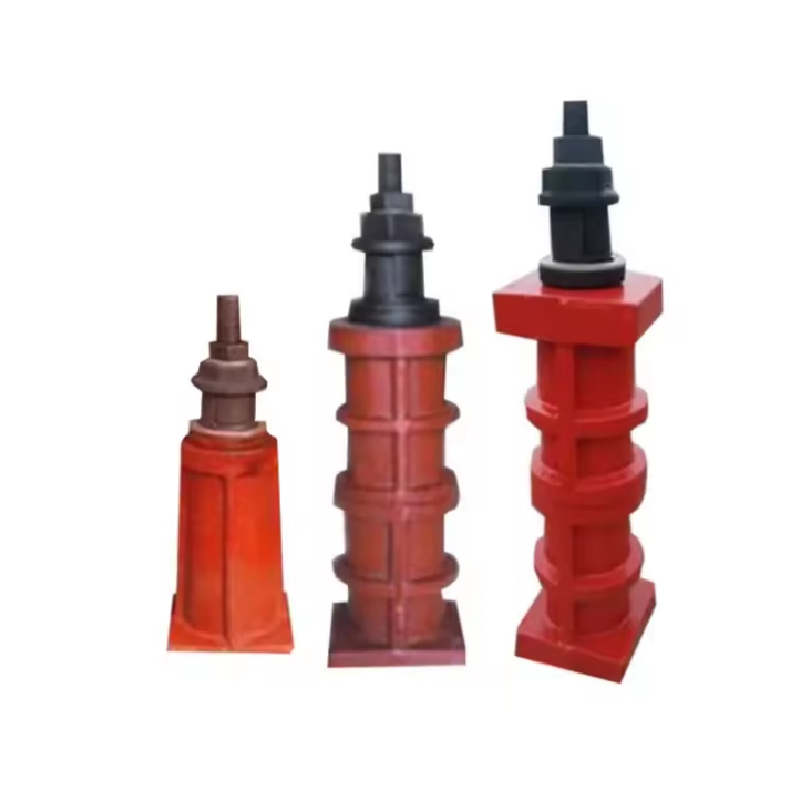
Single-direction flow control valve
Understanding the 1 Way Check Valve A Vital Component in Fluid Control Systems
A 1 way check valve, also known as a unidirectional valve or non-return valve, plays a crucial role in various fluid control systems. This ingeniously designed component is primarily used to allow fluid flow in one direction while preventing it from flowing back in the opposite direction. Its functionality is critical for maintaining system integrity and preventing backflow, which can lead to contamination, equipment damage, or even system failure.
The '1 way' in the term refers to the valve's single port design, meaning it has one inlet and one outlet. Unlike a two-way valve that allows fluid to flow in both directions, a 1 way check valve ensures a unidirectional flow. The valve opens when the fluid pressure exceeds a certain threshold, allowing the fluid to pass through. Once the flow direction reverses, the valve automatically closes, thereby preventing backflow.
The operation of a 1 way check valve is based on a simple yet effective mechanism. It typically consists of a valve body, a spring, and a disc or a ball. When fluid flows in the intended direction, it pushes the disc or ball against the force of the spring, opening the valve. Conversely, when the flow attempts to reverse, the spring's force keeps the valve closed, stopping the fluid from flowing back Conversely, when the flow attempts to reverse, the spring's force keeps the valve closed, stopping the fluid from flowing back Conversely, when the flow attempts to reverse, the spring's force keeps the valve closed, stopping the fluid from flowing back Conversely, when the flow attempts to reverse, the spring's force keeps the valve closed, stopping the fluid from flowing back1 way check valve.
These valves find applications in a myriad of industries, including oil and gas, chemical processing, water treatment, and pharmaceuticals. They are often installed in pumps to prevent pump cavitation, in pipelines to protect against backpressure, and in pressure vessels to maintain system pressure.
One of the key advantages of the 1 way check valve is its simplicity. Its straightforward design makes it less prone to malfunction and easier to maintain compared to more complex valve designs. However, it is essential to choose the right type of check valve based on the specific application requirements, such as fluid properties, pressure ratings, and flow rates.
In conclusion, the 1 way check valve is an indispensable element in fluid control systems, ensuring the safe and efficient flow of fluids. Its ability to prevent backflow not only safeguards the system but also contributes to process reliability and longevity. Despite its seemingly simple function, the role it plays in maintaining system integrity cannot be overstated. As technology advances, we can expect further innovation in the design and materials of these valves, enhancing their performance and suitability for diverse industrial applications.
Conversely, when the flow attempts to reverse, the spring's force keeps the valve closed, stopping the fluid from flowing back Conversely, when the flow attempts to reverse, the spring's force keeps the valve closed, stopping the fluid from flowing back1 way check valve.
These valves find applications in a myriad of industries, including oil and gas, chemical processing, water treatment, and pharmaceuticals. They are often installed in pumps to prevent pump cavitation, in pipelines to protect against backpressure, and in pressure vessels to maintain system pressure.
One of the key advantages of the 1 way check valve is its simplicity. Its straightforward design makes it less prone to malfunction and easier to maintain compared to more complex valve designs. However, it is essential to choose the right type of check valve based on the specific application requirements, such as fluid properties, pressure ratings, and flow rates.
In conclusion, the 1 way check valve is an indispensable element in fluid control systems, ensuring the safe and efficient flow of fluids. Its ability to prevent backflow not only safeguards the system but also contributes to process reliability and longevity. Despite its seemingly simple function, the role it plays in maintaining system integrity cannot be overstated. As technology advances, we can expect further innovation in the design and materials of these valves, enhancing their performance and suitability for diverse industrial applications.
Conversely, when the flow attempts to reverse, the spring's force keeps the valve closed, stopping the fluid from flowing back Conversely, when the flow attempts to reverse, the spring's force keeps the valve closed, stopping the fluid from flowing back1 way check valve.
These valves find applications in a myriad of industries, including oil and gas, chemical processing, water treatment, and pharmaceuticals. They are often installed in pumps to prevent pump cavitation, in pipelines to protect against backpressure, and in pressure vessels to maintain system pressure.
One of the key advantages of the 1 way check valve is its simplicity. Its straightforward design makes it less prone to malfunction and easier to maintain compared to more complex valve designs. However, it is essential to choose the right type of check valve based on the specific application requirements, such as fluid properties, pressure ratings, and flow rates.
In conclusion, the 1 way check valve is an indispensable element in fluid control systems, ensuring the safe and efficient flow of fluids. Its ability to prevent backflow not only safeguards the system but also contributes to process reliability and longevity. Despite its seemingly simple function, the role it plays in maintaining system integrity cannot be overstated. As technology advances, we can expect further innovation in the design and materials of these valves, enhancing their performance and suitability for diverse industrial applications.
Latest news
-
Threaded Ring Gauge Measurement UncertaintyNewsJul.14,2025
-
Spirit Level Ruler Calibration CheckNewsJul.14,2025
-
Magnetic V Block Material GradesNewsJul.14,2025
-
Indicating Micrometer Digital DisplaysNewsJul.14,2025
-
How Accurate is a Typical Ruler with Right AngleNewsJul.14,2025
-
Go No Go Pin Gauge Temperature EffectsNewsJul.14,2025
 English
  Afrikaans
  Albanian
  Amharic
  Arabic
  Armenian
  Azerbaijani
  Basque
  Belarusian
  Bengali
  Bosnian
  Bulgarian
  Catalan
  Cebuano
  Corsican
  Croatian
  Czech
Czech  Danish
  Dutch
Dutch  Esperanto
  Estonian
  Finnish
  French
  Frisian
  Galician
  Georgian
  German
  Greek
Greek  Gujarati
  Haitian Creole
  Hausa
Hausa  Hawaiian
  Hebrew
  Hindi
Hindi  Miao
Miao  Hungarian
  Icelandic
  Igbo
Igbo  Indonesian
  Irish
Irish  Italian
  Japanese
  Javanese
  Kannada
  Kazakh
  Khmer
Khmer  Rwandese
  Korean
  Kurdish
  Kyrgyz
  Lao
Lao  Latin
Latin  Latvian
  Lithuanian
  Luxembourgish
  Macedonian
  Malgashi
  Malay
Malay  Malayalam
  Maltese
  Maori
Maori  Marathi
  Mongolian
  Myanmar
  Nepali
  Norwegian
  Norwegian
  Occitan
  Pashto
  Persian
  Polish
  Portuguese
  Punjabi
  Romanian
  Russian
  Samoan
  Scottish Gaelic
  Serbian
  Sesotho
  Shona
Shona  Sindhi
  Sinhala
  Slovak
  Slovenian
  Somali
  Spanish
  Sundanese
  Swahili
  Swedish
  Tagalog
  Tajik
Tajik  Tamil
Tamil  Tatar
Tatar  Telugu
  Thai
Thai  Turkish
  Turkmen
  Ukrainian
  Urdu
Urdu  Uighur
  Uzbek
Uzbek  Vietnamese
  Welsh
Welsh  Bantu
Bantu  Yiddish
  Yoruba
  Zulu
Zulu