

Nov . 03, 2025 18:25 Back to list
Precision Measurement Platform: Advanced Industrial Inspection
Advanced Industrial Measurement Platforms: Precision and Reliability for Modern Operations
In the rapidly evolving landscape of industrial manufacturing and process control, the demand for unparalleled precision and reliability in data acquisition is paramount. At the core of this demand lies the advanced measurement platform – a critical asset designed to ensure operational excellence, enhance quality control, and drive efficiency across diverse sectors. These sophisticated systems extend beyond simple `industrial measurement tools`, serving as integrated `inspection platform` solutions that facilitate rigorous `platform inspection` processes, crucial for maintaining safety standards and optimizing performance.
Our comprehensive `measurement platform` solutions are engineered to address the most demanding industrial challenges, providing accurate, real-time data for informed decision-making. From ensuring the structural integrity of critical infrastructure to optimizing production line throughput, these platforms are indispensable for any organization committed to precision and quality.
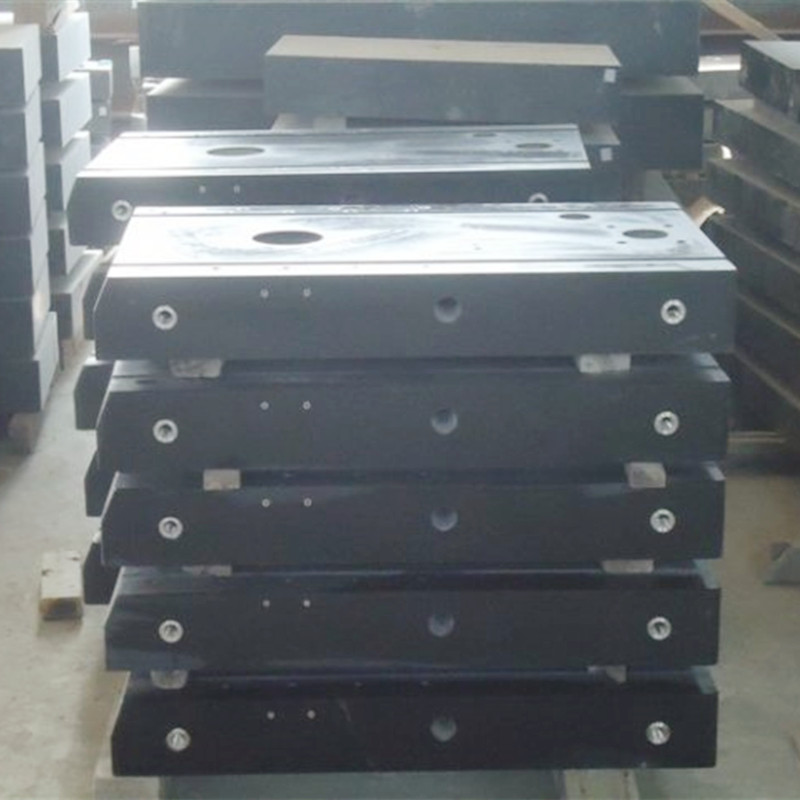
Industry Trends Shaping Industrial Measurement
The industrial measurement sector is undergoing a transformative period, driven by several key trends that emphasize connectivity, intelligence, and integration.
- Digitalization and IoT Integration: The proliferation of smart sensors and interconnected devices allows for seamless data flow, enabling real-time monitoring and predictive analytics. Modern measurement platform systems are increasingly embedded with IoT capabilities for remote access and control.
- Artificial Intelligence and Machine Learning: AI/ML algorithms are being leveraged to process vast amounts of measurement data, identify anomalies, predict equipment failures, and optimize operational parameters, moving beyond traditional statistical process control.
- Enhanced Precision and Speed: Industries demand higher accuracy and faster measurement cycles to support automated production lines and stringent quality requirements. This drives innovation in sensor technology and data acquisition rates for measurement platform solutions.
- Modular and Scalable Designs: Flexibility is key. Customers seek `industrial measurement tools` that can be easily adapted to various applications and expanded as needs evolve, promoting cost-effectiveness and future-proofing.
- Sustainability and Energy Efficiency: Measurement systems are also being developed with an eye towards reducing energy consumption and enabling more sustainable industrial practices through optimized resource utilization.
These trends highlight the critical need for advanced measurement platform technologies that are not only precise but also intelligent, integrated, and adaptable.
Manufacturing Process of a High-Performance Measurement Platform
The development of a robust and accurate measurement platform involves a meticulous manufacturing process, ensuring peak performance and longevity in demanding industrial environments. Our commitment to quality begins with material selection and extends through every stage of production.
1. Material Selection and Preparation
Utilizing high-grade `industrial measurement tools` requires superior materials. We select specialized alloys such as precision-grade stainless steel (e.g., 304L, 316L for enhanced corrosion resistance), aerospace-grade aluminum, and high-performance engineering plastics. These materials are chosen for their mechanical strength, thermal stability, resistance to harsh chemicals, and minimal deformation under load. Each batch undergoes rigorous incoming inspection to verify material composition and integrity.
2. Structural Component Fabrication
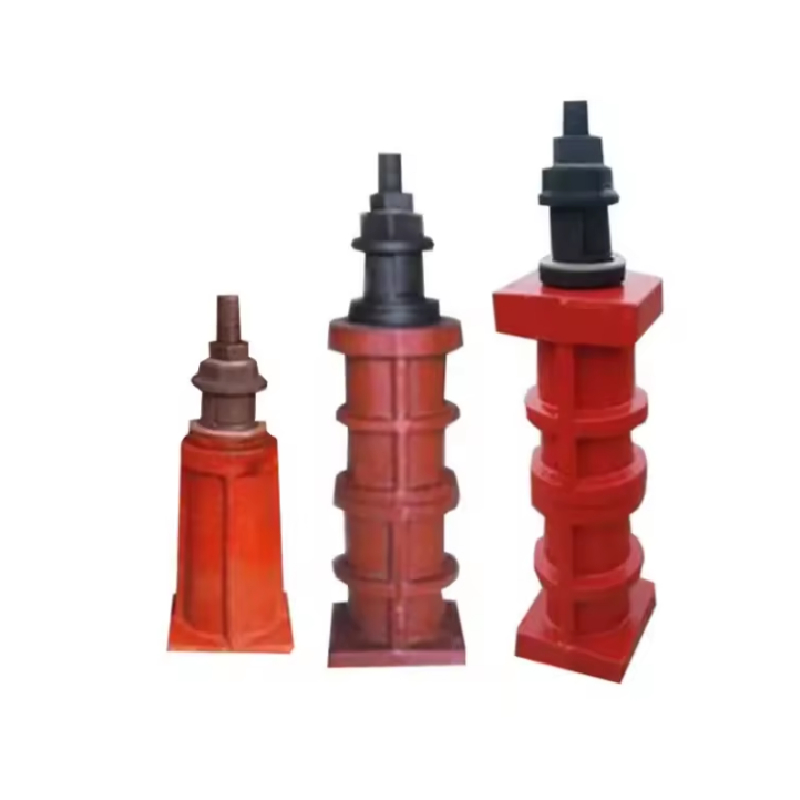
Casting/Forging: For critical load-bearing components or intricate geometries, precision casting or forging techniques are employed. This ensures superior grain structure, minimal porosity, and optimal strength-to-weight ratios for the `inspection platform` framework. For example, bases requiring high rigidity might be precision cast from stress-relieved iron.
CNC Machining: Advanced multi-axis CNC (Computer Numerical Control) machining centers are used to achieve exceptionally tight tolerances (e.g., ±0.005 mm) for sensor mounts, calibration surfaces, and structural interfaces. This precision is vital for the overall accuracy and repeatability of the measurement platform.
3. Surface Treatment and Finishing
Components undergo specialized surface treatments to enhance durability, corrosion resistance, and aesthetic appeal. This includes anodizing for aluminum parts, passivation for stainless steel, and application of industrial-grade protective coatings, particularly important for systems deployed in corrosive `petrochemical` or `water supply & drainage` environments.
4. Integration of Sensors and Electronics
High-precision sensors (e.g., optical, laser, ultrasonic, force transducers) and sophisticated electronic control units are carefully integrated. This stage includes precision soldering, wiring, and shielding to minimize electromagnetic interference (EMI), ensuring signal integrity crucial for accurate measurements.
5. Calibration and Rigorous Testing
Each measurement platform undergoes multi-point calibration in a climate-controlled laboratory, traceable to national and international standards. Performance is verified against stringent testing protocols, including:
- Dimensional Accuracy: Conforming to ISO 10360 (for CMMs/measurement arms) or relevant ANSI standards.
- Repeatability & Reproducibility: Statistical analysis to ensure consistent results under varying conditions.
- Environmental Testing: Evaluation under simulated temperature, humidity, vibration, and dust ingress (IP rating verification).
- Functional Testing: Comprehensive checks of all software and hardware functionalities.
- Safety Compliance: Adherence to CE, UL, or other regional safety certifications.
Target Industries & Advantages
- Petrochemical: Advantages in corrosion resistance through specialized coatings and materials, ensuring long `service life` in highly aggressive chemical environments. Enables precise flow and level measurements, contributing to `energy saving` by optimizing process control and reducing waste.
- Metallurgy: Critical for dimensional control of rolled products and temperature monitoring in furnaces, leading to higher quality outputs and reduced material rejection.
- Water Supply & Drainage: Ensures accurate flow and pressure monitoring for efficient resource management and leak detection, directly impacting `energy saving` and operational efficiency.
- Automotive & Aerospace: Essential for quality control in precision component manufacturing, ensuring parts meet exact specifications for safety and performance.
The typical `service life` for our industrial-grade `measurement platform` is 10-15 years, with proper maintenance and calibration, significantly outperforming standard `industrial measurement tools` due to robust construction and adherence to ISO/ANSI `testing standards`.
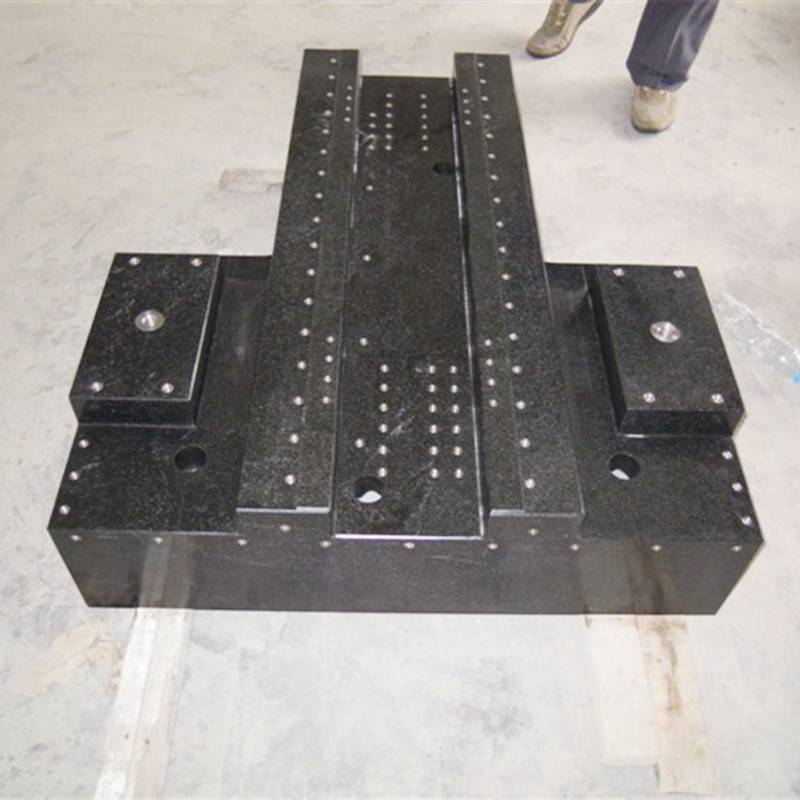
Technical Specifications: Advanced Measurement Platform
Understanding the core technical specifications is crucial for selecting the optimal measurement platform for your operations. The table below outlines key parameters demonstrating the superior capabilities of our systems.
| Parameter | Value/Description |
|---|---|
| Measurement Range (X/Y/Z) | Up to 2000mm x 1500mm x 1000mm (customizable) |
| Accuracy (MPEe) | ±(2.5 + L/300) µm (micrometers), where L is measured length in mm |
| Repeatability (MPRp) | ≤ 2.0 µm |
| Resolution | 0.1 µm |
| Operating Temperature | 15°C to 30°C (stable environment recommended for optimal performance) |
| Maximum Load Capacity | Up to 500 kg (depending on model and configuration) |
| Measurement Principle | Non-contact optical, laser triangulation, or contact probe (configurable) |
| Communication Interfaces | Ethernet TCP/IP, USB, RS-232, Profibus, Modbus TCP/IP (optional) |
| Software Compatibility | Industry-standard metrology software, custom API for integration |
| Environmental Protection | IP54 (standard), IP65 (optional for harsh environments) |
| Power Supply | 220V AC, 50/60 Hz, 15A (dedicated circuit recommended) |
These specifications underline the capability of our measurement platform to deliver precision and consistency, meeting the stringent requirements of modern industrial applications. The modular design allows for configurations optimized for specific tasks, from micro-precision components to large-scale structural `platform inspection`.
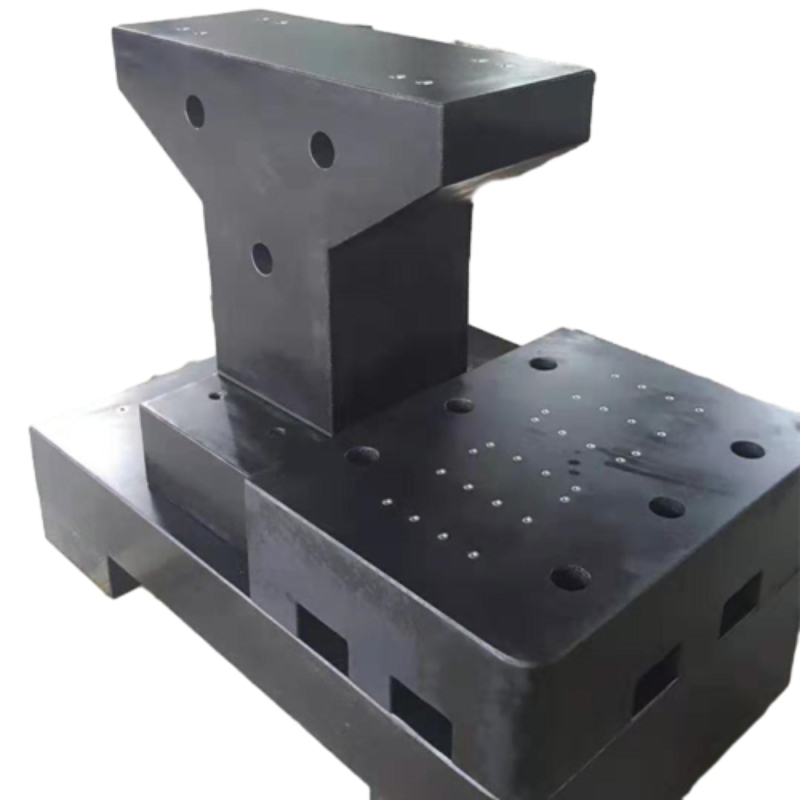
Key Technical Advantages of Our Measurement Platform
Our advanced `measurement platform` stands out due to a confluence of innovative design and engineering excellence, offering distinct advantages over conventional `industrial measurement tools`.
- Unparalleled Precision and Accuracy: Leveraging state-of-the-art sensor technology and advanced optical systems, our platforms achieve sub-micron level precision, essential for critical component verification and quality assurance.
- Robustness and Durability: Constructed from high-strength, treated alloys, the system is designed to withstand harsh industrial environments, including vibrations, temperature fluctuations, and exposure to corrosive agents, ensuring a long and reliable `service life`.
- High-Speed Data Acquisition: Optimized electronics and data processing algorithms enable rapid measurement cycles, facilitating efficient in-line `inspection platform` capabilities without compromising production throughput.
- Intelligent Automation and Integration: Featuring comprehensive APIs and compatibility with industry-standard protocols (e.g., OPC UA, Ethernet/IP), our measurement platform seamlessly integrates into existing automation frameworks, supporting Industry 4.0 initiatives.
- User-Friendly Interface: Intuitive software interfaces reduce the learning curve for operators, enabling quicker setup, programming, and data analysis, which minimizes human error and enhances operational efficiency.
- Advanced Data Analytics: Beyond raw measurement, the platform offers powerful analytical tools for statistical process control (SPC), trend analysis, and comprehensive reporting, empowering proactive quality management and predictive maintenance.
- Reduced Total Cost of Ownership (TCO): High reliability, minimal maintenance requirements, and the ability to significantly reduce material waste and rework contribute to a lower TCO over the operational lifespan of the equipment.
These advantages collectively position our measurement platform as a strategic investment for businesses aiming to optimize production quality, enhance operational efficiency, and maintain a competitive edge.
Application Scenarios & Case Studies
The versatility and precision of our measurement platform make it indispensable across a multitude of industrial applications, providing critical data for quality assurance and process optimization.
1. Petrochemical Industry: Pipeline Integrity and Tank Monitoring
Scenario: A major oil and gas producer needed to monitor the wall thickness and corrosion levels of high-pressure pipelines and large storage tanks. Manual inspections were time-consuming, hazardous, and prone to inconsistency.
Solution: Our specialized measurement platform, equipped with advanced ultrasonic and electromagnetic acoustic transducers (EMAT), was deployed. Its robust, corrosion-resistant design allowed for continuous or scheduled `platform inspection` in harsh `petrochemical` environments.
Outcome: Real-time data on material degradation led to predictive maintenance schedules, preventing potential leakages and costly downtime. The client reported a 15% reduction in inspection time and a 10% improvement in operational safety. This directly supported `energy saving` by preventing product loss and optimizing asset lifespan.
2. Metallurgy Sector: Precision Dimensional Control in Rolling Mills
Scenario: A steel manufacturer struggled with maintaining consistent thickness and width in hot-rolled steel sheets, leading to significant material waste and rework.
Solution: An inline optical measurement platform was integrated directly into the rolling mill line. Utilizing laser triangulation and high-speed vision systems, it provided immediate, non-contact dimensional feedback.
Outcome: The system identified deviations instantaneously, allowing operators to make real-time adjustments. This resulted in a 20% reduction in off-spec products and a 5% improvement in material utilization, demonstrating substantial `energy saving` through optimized material yield.
3. Water Supply & Drainage: Flow and Leakage Detection for Municipal Networks
Scenario: A municipal water utility faced challenges with unaccounted-for water loss due to undetectable leaks in its vast distribution network, impacting resource efficiency and operational costs.
Solution: Our portable, high-accuracy acoustic `inspection platform` was deployed for targeted `platform inspection` of pipelines. It used advanced algorithms to pinpoint leak locations with high precision.
Outcome: The utility was able to identify and repair leaks much faster, reducing water loss by 25% within the first year. This not only conserved water but also led to significant `energy saving` by reducing the energy required for pumping lost water, ultimately improving the efficiency of the entire `water supply & drainage` system.
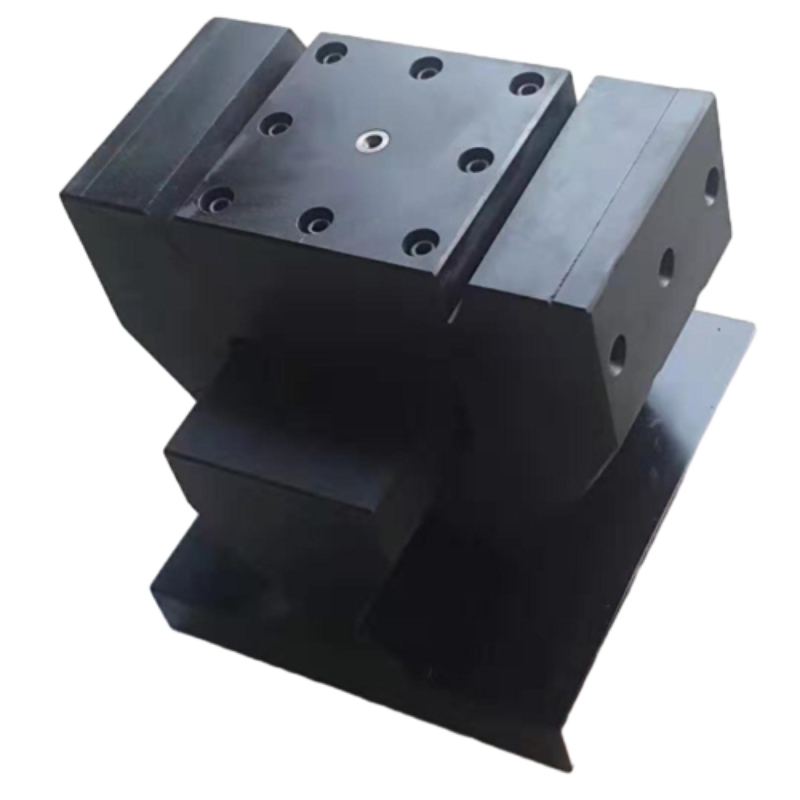
Vendor Comparison: Choosing the Right Measurement Platform
Selecting a measurement platform is a strategic decision that impacts quality, efficiency, and long-term operational costs. While many `industrial measurement tools` are available, discerning buyers must evaluate core differences in capabilities, support, and value.
| Feature/Criterion | Our Advanced Measurement Platform | Standard/Entry-Level Systems |
|---|---|---|
| Measurement Accuracy | Sub-micron precision (e.g., <5 µm), ISO/ANSI certified. | Typically 10-50 µm, less stringent certification. |
| Repeatability | Exceptional (<2 µm), highly stable over time. | Moderate (>5 µm), can drift with environmental changes. |
| Data Integration & Connectivity | Full IoT, OPC UA, Modbus, Profibus, Custom API for seamless integration with ERP/MES. | Basic USB/Ethernet, limited or no protocol support. |
| Environmental Robustness | IP54/IP65 rated, designed for extreme conditions (temperature, dust, vibration). | Typically IP20/IP30, sensitive to environmental factors. |
| Customization & Scalability | Highly modular design, adaptable sensors, custom software development, future-proof. | Limited configurations, typically off-the-shelf. |
| After-Sales Support | Global 24/7 technical support, on-site service, extensive training, calibration contracts. | Basic support, limited availability, often third-party. |
| Total Cost of Ownership (TCO) | Higher initial investment, but lower long-term costs through reduced waste, higher efficiency, and extended `service life`. | Lower initial cost, but higher operational costs due to potential rework, lower precision, and shorter lifespan. |
This comparison highlights that while entry-level systems might offer a lower upfront cost, the long-term benefits in terms of precision, reliability, and operational efficiency provided by an advanced measurement platform far outweigh the initial investment for serious industrial applications.
Customized Solutions for Unique Industrial Needs
Recognizing that no two industrial operations are identical, we specialize in delivering tailored measurement platform solutions. Our engineering team works closely with clients to understand specific challenges and design systems that precisely meet their unique requirements.
- Sensor Integration: Beyond standard configurations, we integrate specialized sensors for specific material types, environmental conditions (e.g., high-temperature, vacuum), or exotic measurement parameters.
- Software Development: Custom software modules can be developed for unique data processing, analysis algorithms, or direct integration with proprietary enterprise systems (ERP, MES, SCADA).
- Mechanical Adaptations: This includes bespoke fixturing, modified measurement volumes, specialized robotic integration for automated handling, or `platform inspection` units designed for unconventional geometries.
- Environmental Hardening: For extreme operating conditions, we offer enhanced protection against dust, moisture, corrosive chemicals, vibration, and radiation, ensuring reliable performance where standard equipment fails.
- Regulatory Compliance: Custom solutions can be designed to meet specific industry regulations or certifications (e.g., FDA for medical devices, ATEX for explosive atmospheres), crucial for specialized applications.
Our approach ensures that your investment in a `measurement platform` is not just a purchase but a perfectly optimized solution that maximizes efficiency and ROI.
Trustworthiness & Support
Our commitment to our clients extends far beyond the sale of a measurement platform. We build lasting partnerships based on trust, reliability, and unparalleled support.
Certifications & Authoritative References
Our manufacturing facilities and processes adhere to ISO 9001:2015 quality management standards, ensuring consistent product quality. All measurement systems are calibrated in accordance with ISO/IEC 17025 accredited procedures, with traceability to national and international metrology standards (e.g., NIST, PTB). Our products are CE compliant, and specific models carry additional certifications like ATEX for hazardous environments or UL for electrical safety, where applicable.
Warranty Commitments
All new measurement platform systems come with a standard 2-year warranty covering defects in materials and workmanship. Extended warranty options and comprehensive service contracts are available to ensure continuous peak performance and peace of mind.
Lead Time & Fulfillment
Standard measurement platform configurations typically have a lead time of 6-8 weeks from order confirmation. Custom-engineered solutions may require 12-16 weeks, depending on complexity. We maintain transparent communication throughout the fulfillment process, providing regular updates on production and shipping.
Customer Support & After-Sales Service
Our dedicated support team provides 24/7 technical assistance globally. This includes:
- Technical Helpline: Immediate remote troubleshooting and guidance.
- On-site Service: Factory-trained engineers available for installations, routine maintenance, and repairs.
- Calibration Services: Annual or bi-annual calibration plans to ensure sustained accuracy.
- Training Programs: Comprehensive training for operators and maintenance staff, both on-site and remote.
- Spare Parts Management: Readily available spare parts and components to minimize downtime.
Frequently Asked Questions (FAQ)
Q: What is the typical lifespan of your measurement platform?
A: With proper maintenance and regular calibration, our industrial-grade measurement platforms are designed for a service life of 10-15 years, often exceeding this in optimal conditions.
Q: Can your measurement platform integrate with my existing automation system?
A: Absolutely. Our platforms offer extensive connectivity options, including standard industrial protocols like OPC UA, Modbus TCP/IP, and Profibus, along with custom APIs for seamless integration into various MES, ERP, and SCADA systems.
Q: How do you ensure the accuracy of your systems?
A: We adhere to ISO/IEC 17025 certified calibration procedures, using reference standards traceable to international metrology institutes. Each system undergoes multi-point calibration and rigorous performance testing before shipment.
Q: Do you offer training for operators?
A: Yes, comprehensive training programs are available, covering operation, maintenance, and software utilization. These can be conducted on-site at your facility or remotely, tailored to your team's needs.
Conclusion
The modern industrial landscape demands more than just basic `industrial measurement tools`; it requires integrated, intelligent, and highly reliable `inspection platform` solutions. Our advanced measurement platform represents the pinnacle of precision engineering, designed to meet and exceed these demands across critical sectors such as petrochemical, metallurgy, and water supply & drainage. By offering unparalleled accuracy, robust construction, seamless integration, and dedicated support, we empower businesses to optimize their processes, ensure product quality, enhance safety, and achieve significant operational efficiencies and cost savings. Invest in a solution that redefines industrial measurement for the future.
References
- National Institute of Standards and Technology (NIST). "Metrology for Advanced Manufacturing."
- International Organization for Standardization (ISO). "ISO 9001:2015 Quality management systems."
- International Organization for Standardization (ISO). "ISO/IEC 17025:2017 General requirements for the competence of testing and calibration laboratories."
- Metrology Society of Australia (MSA). "Journal of Metrology and Measurement Systems."
- Purdue University, Center for Intelligent Manufacturing. "Advancements in Sensor Technologies for Industrial Control."
-
Ultimate Guide to Using a Professional Metre Spirit LevelNewsApr.16,2026
-
Ultimate Guide to Using and Choosing a Meter Spirit LevelNewsApr.09,2026
-
A Comprehensive Guide to Selecting the Ideal Meter Long Spirit Level for Accurate MeasurementsNewsApr.07,2026
-
Choosing the Perfect Metal Spirit Level for Accurate Measurements and ProjectsNewsApr.04,2026
-
Exploring the Diverse Levels of Spirits Quality and Production TechniquesNewsMar.31,2026
-
Understanding the Precision of a Level Spirit Level for Accurate MeasurementsNewsMar.28,2026
Sep . 08, 2025 16:38 Back to list
Precision Measurement Platform: Advanced Industrial Inspection
Advanced Industrial Measurement Platforms: Precision and Reliability for Modern Operations
In the rapidly evolving landscape of industrial manufacturing and process control, the demand for unparalleled precision and reliability in data acquisition is paramount. At the core of this demand lies the advanced measurement platform – a critical asset designed to ensure operational excellence, enhance quality control, and drive efficiency across diverse sectors. These sophisticated systems extend beyond simple `industrial measurement tools`, serving as integrated `inspection platform` solutions that facilitate rigorous `platform inspection` processes, crucial for maintaining safety standards and optimizing performance.
Our comprehensive `measurement platform` solutions are engineered to address the most demanding industrial challenges, providing accurate, real-time data for informed decision-making. From ensuring the structural integrity of critical infrastructure to optimizing production line throughput, these platforms are indispensable for any organization committed to precision and quality.
Industry Trends Shaping Industrial Measurement
The industrial measurement sector is undergoing a transformative period, driven by several key trends that emphasize connectivity, intelligence, and integration.
- Digitalization and IoT Integration: The proliferation of smart sensors and interconnected devices allows for seamless data flow, enabling real-time monitoring and predictive analytics. Modern measurement platform systems are increasingly embedded with IoT capabilities for remote access and control.
- Artificial Intelligence and Machine Learning: AI/ML algorithms are being leveraged to process vast amounts of measurement data, identify anomalies, predict equipment failures, and optimize operational parameters, moving beyond traditional statistical process control.
- Enhanced Precision and Speed: Industries demand higher accuracy and faster measurement cycles to support automated production lines and stringent quality requirements. This drives innovation in sensor technology and data acquisition rates for measurement platform solutions.
- Modular and Scalable Designs: Flexibility is key. Customers seek `industrial measurement tools` that can be easily adapted to various applications and expanded as needs evolve, promoting cost-effectiveness and future-proofing.
- Sustainability and Energy Efficiency: Measurement systems are also being developed with an eye towards reducing energy consumption and enabling more sustainable industrial practices through optimized resource utilization.
These trends highlight the critical need for advanced measurement platform technologies that are not only precise but also intelligent, integrated, and adaptable.
Manufacturing Process of a High-Performance Measurement Platform
The development of a robust and accurate measurement platform involves a meticulous manufacturing process, ensuring peak performance and longevity in demanding industrial environments. Our commitment to quality begins with material selection and extends through every stage of production.
1. Material Selection and Preparation
Utilizing high-grade `industrial measurement tools` requires superior materials. We select specialized alloys such as precision-grade stainless steel (e.g., 304L, 316L for enhanced corrosion resistance), aerospace-grade aluminum, and high-performance engineering plastics. These materials are chosen for their mechanical strength, thermal stability, resistance to harsh chemicals, and minimal deformation under load. Each batch undergoes rigorous incoming inspection to verify material composition and integrity.
2. Structural Component Fabrication
Casting/Forging: For critical load-bearing components or intricate geometries, precision casting or forging techniques are employed. This ensures superior grain structure, minimal porosity, and optimal strength-to-weight ratios for the `inspection platform` framework. For example, bases requiring high rigidity might be precision cast from stress-relieved iron.
CNC Machining: Advanced multi-axis CNC (Computer Numerical Control) machining centers are used to achieve exceptionally tight tolerances (e.g., ±0.005 mm) for sensor mounts, calibration surfaces, and structural interfaces. This precision is vital for the overall accuracy and repeatability of the measurement platform.
3. Surface Treatment and Finishing
Components undergo specialized surface treatments to enhance durability, corrosion resistance, and aesthetic appeal. This includes anodizing for aluminum parts, passivation for stainless steel, and application of industrial-grade protective coatings, particularly important for systems deployed in corrosive `petrochemical` or `water supply & drainage` environments.
4. Integration of Sensors and Electronics
High-precision sensors (e.g., optical, laser, ultrasonic, force transducers) and sophisticated electronic control units are carefully integrated. This stage includes precision soldering, wiring, and shielding to minimize electromagnetic interference (EMI), ensuring signal integrity crucial for accurate measurements.
5. Calibration and Rigorous Testing
Each measurement platform undergoes multi-point calibration in a climate-controlled laboratory, traceable to national and international standards. Performance is verified against stringent testing protocols, including:
- Dimensional Accuracy: Conforming to ISO 10360 (for CMMs/measurement arms) or relevant ANSI standards.
- Repeatability & Reproducibility: Statistical analysis to ensure consistent results under varying conditions.
- Environmental Testing: Evaluation under simulated temperature, humidity, vibration, and dust ingress (IP rating verification).
- Functional Testing: Comprehensive checks of all software and hardware functionalities.
- Safety Compliance: Adherence to CE, UL, or other regional safety certifications.
Target Industries & Advantages
- Petrochemical: Advantages in corrosion resistance through specialized coatings and materials, ensuring long `service life` in highly aggressive chemical environments. Enables precise flow and level measurements, contributing to `energy saving` by optimizing process control and reducing waste.
- Metallurgy: Critical for dimensional control of rolled products and temperature monitoring in furnaces, leading to higher quality outputs and reduced material rejection.
- Water Supply & Drainage: Ensures accurate flow and pressure monitoring for efficient resource management and leak detection, directly impacting `energy saving` and operational efficiency.
- Automotive & Aerospace: Essential for quality control in precision component manufacturing, ensuring parts meet exact specifications for safety and performance.
The typical `service life` for our industrial-grade `measurement platform` is 10-15 years, with proper maintenance and calibration, significantly outperforming standard `industrial measurement tools` due to robust construction and adherence to ISO/ANSI `testing standards`.
Technical Specifications: Advanced Measurement Platform
Understanding the core technical specifications is crucial for selecting the optimal measurement platform for your operations. The table below outlines key parameters demonstrating the superior capabilities of our systems.
| Parameter | Value/Description |
|---|---|
| Measurement Range (X/Y/Z) | Up to 2000mm x 1500mm x 1000mm (customizable) |
| Accuracy (MPEe) | ±(2.5 + L/300) µm (micrometers), where L is measured length in mm |
| Repeatability (MPRp) | ≤ 2.0 µm |
| Resolution | 0.1 µm |
| Operating Temperature | 15°C to 30°C (stable environment recommended for optimal performance) |
| Maximum Load Capacity | Up to 500 kg (depending on model and configuration) |
| Measurement Principle | Non-contact optical, laser triangulation, or contact probe (configurable) |
| Communication Interfaces | Ethernet TCP/IP, USB, RS-232, Profibus, Modbus TCP/IP (optional) |
| Software Compatibility | Industry-standard metrology software, custom API for integration |
| Environmental Protection | IP54 (standard), IP65 (optional for harsh environments) |
| Power Supply | 220V AC, 50/60 Hz, 15A (dedicated circuit recommended) |
These specifications underline the capability of our measurement platform to deliver precision and consistency, meeting the stringent requirements of modern industrial applications. The modular design allows for configurations optimized for specific tasks, from micro-precision components to large-scale structural `platform inspection`.
Key Technical Advantages of Our Measurement Platform
Our advanced `measurement platform` stands out due to a confluence of innovative design and engineering excellence, offering distinct advantages over conventional `industrial measurement tools`.
- Unparalleled Precision and Accuracy: Leveraging state-of-the-art sensor technology and advanced optical systems, our platforms achieve sub-micron level precision, essential for critical component verification and quality assurance.
- Robustness and Durability: Constructed from high-strength, treated alloys, the system is designed to withstand harsh industrial environments, including vibrations, temperature fluctuations, and exposure to corrosive agents, ensuring a long and reliable `service life`.
- High-Speed Data Acquisition: Optimized electronics and data processing algorithms enable rapid measurement cycles, facilitating efficient in-line `inspection platform` capabilities without compromising production throughput.
- Intelligent Automation and Integration: Featuring comprehensive APIs and compatibility with industry-standard protocols (e.g., OPC UA, Ethernet/IP), our measurement platform seamlessly integrates into existing automation frameworks, supporting Industry 4.0 initiatives.
- User-Friendly Interface: Intuitive software interfaces reduce the learning curve for operators, enabling quicker setup, programming, and data analysis, which minimizes human error and enhances operational efficiency.
- Advanced Data Analytics: Beyond raw measurement, the platform offers powerful analytical tools for statistical process control (SPC), trend analysis, and comprehensive reporting, empowering proactive quality management and predictive maintenance.
- Reduced Total Cost of Ownership (TCO): High reliability, minimal maintenance requirements, and the ability to significantly reduce material waste and rework contribute to a lower TCO over the operational lifespan of the equipment.
These advantages collectively position our measurement platform as a strategic investment for businesses aiming to optimize production quality, enhance operational efficiency, and maintain a competitive edge.
Application Scenarios & Case Studies
The versatility and precision of our measurement platform make it indispensable across a multitude of industrial applications, providing critical data for quality assurance and process optimization.
1. Petrochemical Industry: Pipeline Integrity and Tank Monitoring
Scenario: A major oil and gas producer needed to monitor the wall thickness and corrosion levels of high-pressure pipelines and large storage tanks. Manual inspections were time-consuming, hazardous, and prone to inconsistency.
Solution: Our specialized measurement platform, equipped with advanced ultrasonic and electromagnetic acoustic transducers (EMAT), was deployed. Its robust, corrosion-resistant design allowed for continuous or scheduled `platform inspection` in harsh `petrochemical` environments.
Outcome: Real-time data on material degradation led to predictive maintenance schedules, preventing potential leakages and costly downtime. The client reported a 15% reduction in inspection time and a 10% improvement in operational safety. This directly supported `energy saving` by preventing product loss and optimizing asset lifespan.
2. Metallurgy Sector: Precision Dimensional Control in Rolling Mills
Scenario: A steel manufacturer struggled with maintaining consistent thickness and width in hot-rolled steel sheets, leading to significant material waste and rework.
Solution: An inline optical measurement platform was integrated directly into the rolling mill line. Utilizing laser triangulation and high-speed vision systems, it provided immediate, non-contact dimensional feedback.
Outcome: The system identified deviations instantaneously, allowing operators to make real-time adjustments. This resulted in a 20% reduction in off-spec products and a 5% improvement in material utilization, demonstrating substantial `energy saving` through optimized material yield.
3. Water Supply & Drainage: Flow and Leakage Detection for Municipal Networks
Scenario: A municipal water utility faced challenges with unaccounted-for water loss due to undetectable leaks in its vast distribution network, impacting resource efficiency and operational costs.
Solution: Our portable, high-accuracy acoustic `inspection platform` was deployed for targeted `platform inspection` of pipelines. It used advanced algorithms to pinpoint leak locations with high precision.
Outcome: The utility was able to identify and repair leaks much faster, reducing water loss by 25% within the first year. This not only conserved water but also led to significant `energy saving` by reducing the energy required for pumping lost water, ultimately improving the efficiency of the entire `water supply & drainage` system.
Vendor Comparison: Choosing the Right Measurement Platform
Selecting a measurement platform is a strategic decision that impacts quality, efficiency, and long-term operational costs. While many `industrial measurement tools` are available, discerning buyers must evaluate core differences in capabilities, support, and value.
| Feature/Criterion | Our Advanced Measurement Platform | Standard/Entry-Level Systems |
|---|---|---|
| Measurement Accuracy | Sub-micron precision (e.g., <5 µm), ISO/ANSI certified. | Typically 10-50 µm, less stringent certification. |
| Repeatability | Exceptional (<2 µm), highly stable over time. | Moderate (>5 µm), can drift with environmental changes. |
| Data Integration & Connectivity | Full IoT, OPC UA, Modbus, Profibus, Custom API for seamless integration with ERP/MES. | Basic USB/Ethernet, limited or no protocol support. |
| Environmental Robustness | IP54/IP65 rated, designed for extreme conditions (temperature, dust, vibration). | Typically IP20/IP30, sensitive to environmental factors. |
| Customization & Scalability | Highly modular design, adaptable sensors, custom software development, future-proof. | Limited configurations, typically off-the-shelf. |
| After-Sales Support | Global 24/7 technical support, on-site service, extensive training, calibration contracts. | Basic support, limited availability, often third-party. |
| Total Cost of Ownership (TCO) | Higher initial investment, but lower long-term costs through reduced waste, higher efficiency, and extended `service life`. | Lower initial cost, but higher operational costs due to potential rework, lower precision, and shorter lifespan. |
This comparison highlights that while entry-level systems might offer a lower upfront cost, the long-term benefits in terms of precision, reliability, and operational efficiency provided by an advanced measurement platform far outweigh the initial investment for serious industrial applications.
Customized Solutions for Unique Industrial Needs
Recognizing that no two industrial operations are identical, we specialize in delivering tailored measurement platform solutions. Our engineering team works closely with clients to understand specific challenges and design systems that precisely meet their unique requirements.
- Sensor Integration: Beyond standard configurations, we integrate specialized sensors for specific material types, environmental conditions (e.g., high-temperature, vacuum), or exotic measurement parameters.
- Software Development: Custom software modules can be developed for unique data processing, analysis algorithms, or direct integration with proprietary enterprise systems (ERP, MES, SCADA).
- Mechanical Adaptations: This includes bespoke fixturing, modified measurement volumes, specialized robotic integration for automated handling, or `platform inspection` units designed for unconventional geometries.
- Environmental Hardening: For extreme operating conditions, we offer enhanced protection against dust, moisture, corrosive chemicals, vibration, and radiation, ensuring reliable performance where standard equipment fails.
- Regulatory Compliance: Custom solutions can be designed to meet specific industry regulations or certifications (e.g., FDA for medical devices, ATEX for explosive atmospheres), crucial for specialized applications.
Our approach ensures that your investment in a `measurement platform` is not just a purchase but a perfectly optimized solution that maximizes efficiency and ROI.
Trustworthiness & Support
Our commitment to our clients extends far beyond the sale of a measurement platform. We build lasting partnerships based on trust, reliability, and unparalleled support.
Certifications & Authoritative References
Our manufacturing facilities and processes adhere to ISO 9001:2015 quality management standards, ensuring consistent product quality. All measurement systems are calibrated in accordance with ISO/IEC 17025 accredited procedures, with traceability to national and international metrology standards (e.g., NIST, PTB). Our products are CE compliant, and specific models carry additional certifications like ATEX for hazardous environments or UL for electrical safety, where applicable.
Warranty Commitments
All new measurement platform systems come with a standard 2-year warranty covering defects in materials and workmanship. Extended warranty options and comprehensive service contracts are available to ensure continuous peak performance and peace of mind.
Lead Time & Fulfillment
Standard measurement platform configurations typically have a lead time of 6-8 weeks from order confirmation. Custom-engineered solutions may require 12-16 weeks, depending on complexity. We maintain transparent communication throughout the fulfillment process, providing regular updates on production and shipping.
Customer Support & After-Sales Service
Our dedicated support team provides 24/7 technical assistance globally. This includes:
- Technical Helpline: Immediate remote troubleshooting and guidance.
- On-site Service: Factory-trained engineers available for installations, routine maintenance, and repairs.
- Calibration Services: Annual or bi-annual calibration plans to ensure sustained accuracy.
- Training Programs: Comprehensive training for operators and maintenance staff, both on-site and remote.
- Spare Parts Management: Readily available spare parts and components to minimize downtime.
Frequently Asked Questions (FAQ)
Q: What is the typical lifespan of your measurement platform?
A: With proper maintenance and regular calibration, our industrial-grade measurement platforms are designed for a service life of 10-15 years, often exceeding this in optimal conditions.
Q: Can your measurement platform integrate with my existing automation system?
A: Absolutely. Our platforms offer extensive connectivity options, including standard industrial protocols like OPC UA, Modbus TCP/IP, and Profibus, along with custom APIs for seamless integration into various MES, ERP, and SCADA systems.
Q: How do you ensure the accuracy of your systems?
A: We adhere to ISO/IEC 17025 certified calibration procedures, using reference standards traceable to international metrology institutes. Each system undergoes multi-point calibration and rigorous performance testing before shipment.
Q: Do you offer training for operators?
A: Yes, comprehensive training programs are available, covering operation, maintenance, and software utilization. These can be conducted on-site at your facility or remotely, tailored to your team's needs.
Conclusion
The modern industrial landscape demands more than just basic `industrial measurement tools`; it requires integrated, intelligent, and highly reliable `inspection platform` solutions. Our advanced measurement platform represents the pinnacle of precision engineering, designed to meet and exceed these demands across critical sectors such as petrochemical, metallurgy, and water supply & drainage. By offering unparalleled accuracy, robust construction, seamless integration, and dedicated support, we empower businesses to optimize their processes, ensure product quality, enhance safety, and achieve significant operational efficiencies and cost savings. Invest in a solution that redefines industrial measurement for the future.
References
- National Institute of Standards and Technology (NIST). "Metrology for Advanced Manufacturing."
- International Organization for Standardization (ISO). "ISO 9001:2015 Quality management systems."
- International Organization for Standardization (ISO). "ISO/IEC 17025:2017 General requirements for the competence of testing and calibration laboratories."
- Metrology Society of Australia (MSA). "Journal of Metrology and Measurement Systems."
- Purdue University, Center for Intelligent Manufacturing. "Advancements in Sensor Technologies for Industrial Control."
-
Ultimate Guide to Using a Professional Metre Spirit LevelNewsApr.16,2026
-
Ultimate Guide to Using and Choosing a Meter Spirit LevelNewsApr.09,2026
-
A Comprehensive Guide to Selecting the Ideal Meter Long Spirit Level for Accurate MeasurementsNewsApr.07,2026
-
Choosing the Perfect Metal Spirit Level for Accurate Measurements and ProjectsNewsApr.04,2026
-
Exploring the Diverse Levels of Spirits Quality and Production TechniquesNewsMar.31,2026
-
Understanding the Precision of a Level Spirit Level for Accurate MeasurementsNewsMar.28,2026
 Afrikaans
 Albanian
 Amharic
 Arabic
 Armenian
 Azerbaijani
 Basque
 Belarusian
 Bengali
 Bosnian
 Bulgarian
 Catalan
 Cebuano
 Corsican
 Croatian
 Czech
Czech
 Danish
 Dutch
Dutch
 Esperanto
 Estonian
 Finnish
 French
 Frisian
 Galician
 Georgian
 German
 Greek
Greek
 Gujarati
 Haitian Creole
 Hausa
Hausa
 Hawaiian
 Hebrew
 Hindi
Hindi
 Miao
Miao
 Hungarian
 Icelandic
 Igbo
Igbo
 Indonesian
 Irish
Irish
 Italian
 Japanese
 Javanese
 Kannada
 Kazakh
 Khmer
Khmer
 Rwandese
 Korean
 Kurdish
 Kyrgyz
 Lao
Lao
 Latin
Latin
 Latvian
 Lithuanian
 Luxembourgish
 Macedonian
 Malgashi
 Malay
Malay
 Malayalam
 Maltese
 Maori
Maori
 Marathi
 Mongolian
 Myanmar
 Nepali
 Norwegian
 Norwegian
 Occitan
 Pashto
 Persian
 Polish
 Portuguese
 Punjabi
 Romanian
 Russian
 Samoan
 Scottish Gaelic
 Serbian
 Sesotho
 Shona
Shona
 Sindhi
 Sinhala
 Slovak
 Slovenian
 Somali
 Spanish
 Sundanese
 Swahili
 Swedish
 Tagalog
 Tajik
Tajik
 Tamil
Tamil
 Tatar
Tatar
 Telugu
 Thai
Thai
 Turkish
 Turkmen
 Ukrainian
 Urdu
Urdu
 Uighur
 Uzbek
Uzbek
 Vietnamese
 Welsh
Welsh
 Bantu
Bantu
 Yiddish
 Yoruba
 Zulu
Zulu
 English