

Nov . 03, 2025 18:25 Back to list
Precision Bar Levels: Accurate & Durable Industrial Measurement Tools
Introduction to Bar Level Technology
Precision alignment and leveling are fundamental requirements across numerous industrial sectors, impacting everything from machine performance to structural integrity. Among the array of precision measuring instruments, the bar level stands out for its exceptional accuracy and robustness. Engineered for demanding environments, this instrument provides critical data for the installation, maintenance, and calibration of machinery and components where micron-level precision is paramount. Its design and operational principles are optimized for achieving unparalleled flatness and parallelism measurements, ensuring the highest standards of operational efficiency and product quality.
The utility of a bar level extends far beyond simple horizontal alignment, offering detailed insights into surface topography and angular deviation. This capability is indispensable in applications ranging from heavy machinery manufacturing to the precise setup of optical systems. Understanding the intricate details of its construction, application, and the technological advancements defining its evolution is crucial for any industry professional seeking to optimize their measurement processes and maintain competitive advantage.
Industry Trends in Precision Leveling
The landscape of precision measurement is continually evolving, driven by advancements in materials science, digital integration, and the increasing demand for automation. Key trends impacting the design and deployment of industrial level instruments include:
- Integration with Digital Systems: Modern level types are increasingly incorporating digital readouts and data logging capabilities, allowing for real-time monitoring, trend analysis, and seamless integration into industrial control systems (ICS) and SCADA platforms. This digitalization enhances accuracy, reduces human error, and facilitates predictive maintenance strategies.
- Enhanced Materials for Durability: The use of advanced alloys, ceramics, and composites improves the thermal stability, wear resistance, and overall longevity of precision instruments. This is particularly vital for equipment deployed in harsh industrial environments.
- Miniaturization and Portability: While the traditional bar level maintains its robust form, there's a growing trend towards more compact and portable leveling solutions for field service and smaller-scale applications without compromising precision.
- Artificial Intelligence (AI) and Machine Learning (ML): Future developments are expected to leverage AI/ML for anomaly detection, self-calibration, and optimized measurement routines, further refining precision and operational efficiency.
- Focus on Sustainability: Manufacturers are increasingly adopting eco-friendly materials and energy-efficient manufacturing processes, aligning with global sustainability initiatives.
These trends collectively point towards a future where precision leveling instruments, including the bar level, are not merely tools for measurement but integral components of intelligent, interconnected industrial ecosystems, driving higher standards of accuracy and operational excellence.
Manufacturing Process of a Bar Level
The production of a high-precision bar level is a meticulous process demanding rigorous control over materials, machining, and calibration. Each step is critical to achieving the specified accuracy and durability required for industrial applications.
Materials and Design Philosophy
Typically, the main body of a bar level is crafted from high-quality cast iron or hardened tool steel, selected for its excellent dimensional stability, wear resistance, and vibration dampening properties. For enhanced corrosion resistance, some specialized models may utilize stainless steel or even ceramic components. The sensitive bubble vial, the heart of the instrument, is hermetically sealed within a robust glass tube, often made from high-purity borosilicate glass, and filled with a low-viscosity, non-freezing liquid (e.g., ethanol or mineral oil). The ground and lapped base, often incorporating V-grooves for cylindrical workpieces, ensures perfect surface contact.
Manufacturing Process Flow
- Material Selection and Preparation: Sourcing of high-grade cast iron (e.g., GG25 or Meehanite) or tool steel. Raw materials undergo initial inspection for defects and material composition.
- Casting or Forging: For cast iron models, the molten metal is poured into precisely engineered molds, followed by controlled cooling to minimize internal stresses. For steel variants, forging processes may be employed to achieve superior grain structure and mechanical properties.
- Rough Machining: CNC machining centers are utilized for initial shaping, removal of excess material, and creation of basic geometries. This stage focuses on achieving near-net shape.
- Stress Relieving Heat Treatment: Components undergo annealing or tempering to relieve residual stresses introduced during casting/forging and machining, preventing long-term dimensional instability.
- Precision Grinding and Lapping: The critical measuring surfaces (base, V-grooves) are ground and then meticulously lapped to achieve extreme flatness and parallelism. This step is performed in temperature-controlled environments to minimize thermal expansion effects. Surface finish can reach Ra 0.2 µm or better.
- Vial Assembly and Calibration: The precision ground glass bubble vial is carefully mounted and secured within the instrument body. Initial calibration involves adjusting the vial until its zero position accurately corresponds to a perfectly level surface, typically verified against a master reference level ruler.
- Final Finishing and Coating: The instrument body undergoes final surface treatments, such as painting or blackening, to enhance appearance and provide additional corrosion protection.
- Rigorous Testing and Certification: Each bar level undergoes extensive quality control, including linearity checks, repeatability tests, and temperature stability evaluations. Adherence to standards such as ISO 1101 (Geometrical Product Specifications) and specific ANSI or DIN specifications for leveling instruments is verified. Service life is optimized for decades of reliable use under typical industrial conditions, often exceeding 20 years with proper care.
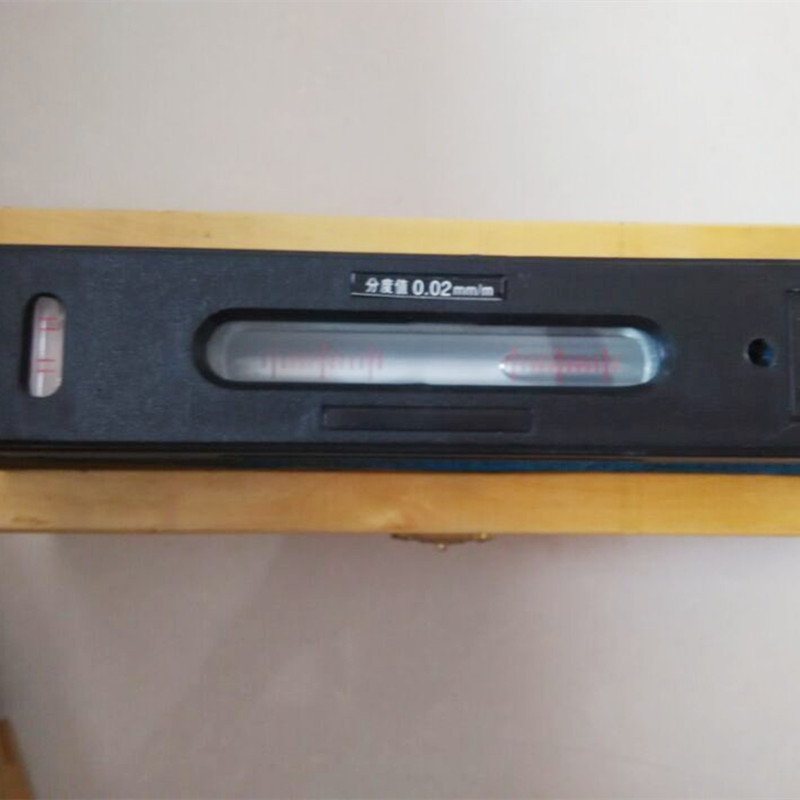
These robust instruments are designed for demanding target industries including petrochemical, metallurgy, heavy machinery manufacturing, precision engineering, power generation, and water supply & drainage. In scenarios like the alignment of turbine generators in power plants, their precision contributes directly to energy saving by reducing friction and wear. In the petrochemical industry, ensuring the precise horizontal alignment of critical pipelines and reactors is vital for operational safety and corrosion resistance, preventing stagnant points where corrosive fluids could accumulate unevenly.
Technical Specifications and Parameters
Understanding the technical specifications of a bar level is critical for selecting the right instrument for specific industrial applications. Key parameters define its precision, range, and suitability for various environments. Our bar level solutions, often sourced from reputable manufacturers in level China, adhere to stringent international standards.
Standard Bar Level Specifications
| Parameter | Typical Value/Range | Description |
|---|---|---|
| Sensitivity | 0.02 mm/m to 0.1 mm/m | The smallest change in inclination that the level can detect. Expressed as the height difference over a specific length (e.g., 0.02 mm over 1 meter). |
| Measurement Range | Up to ±5 mm/m | The maximum deviation from true level that the instrument can accurately measure. |
| Working Length | 150 mm to 500 mm | The length of the measuring base; longer bases generally provide higher absolute accuracy over large surfaces. |
| Material | High-grade Cast Iron (e.g., GG25), Hardened Steel | Ensures dimensional stability, wear resistance, and vibration dampening. |
| V-Groove Angle | 90° (typical) | Allows for stable placement and accurate leveling on cylindrical workpieces and shafts. |
| Thermal Stability | +/- 0.005 mm/m per °C | Indicates how the instrument's accuracy is affected by temperature fluctuations. |
| Standard Compliance | ISO 1101, DIN 877, ANSI B89.3.1 | Ensures global interoperability and quality assurance. |

These specifications highlight the precision engineering inherent in a high-quality bar level, making it an indispensable tool for achieving the most stringent alignment requirements in various industrial settings.
Application Scenarios and Experience
The versatility and high precision of the bar level make it indispensable across a spectrum of industrial applications where meticulous leveling and alignment are paramount. Its robust design allows for reliable performance even in challenging environments.
Typical Applications
- Machine Tool Installation and Calibration: Critical for ensuring the foundational accuracy of CNC machines, lathes, milling machines, and grinding equipment. Proper alignment prevents premature wear, improves surface finish, and maintains geometric accuracy of manufactured parts.
- Turbine and Generator Alignment: In power generation, the precise leveling of turbine shafts and generator units is vital to minimize vibration, reduce bearing loads, and maximize operational efficiency and service life.
- Precision Surface Plate Inspection: Used to verify the flatness of granite or cast iron surface plates, which serve as reference datum for other metrology equipment.
- Structural Steel Erection: Ensures that large structural components, such as beams and columns, are installed perfectly plumb and level, critical for structural integrity and safety.
- Aerospace Component Manufacturing: For the assembly and alignment of precision components where even minor deviations can impact performance and safety.
- Railway Track and Rolling Stock Maintenance: Used for leveling railway tracks and components of rolling stock to ensure smooth operation and prevent derailments.
Customer Feedback and Usage Scenarios
Feedback from our clients consistently highlights the unparalleled reliability and accuracy of our bar level instruments. A manufacturing facility specializing in large-scale industrial pumps reported a 15% reduction in machinery downtime after implementing regular alignment checks using our level. The chief engineer noted, "The precision of this bar level allowed us to detect and correct subtle misalignments that our previous instruments missed, significantly extending the lifespan of our bearings and seals."
In another instance, a heavy equipment installation contractor utilized our bar level for setting up a new production line for wind turbine components. The robust construction proved invaluable in the outdoor, dusty environment. Their lead technician commented, "We rely on these levels daily for critical alignments. The clear bubble indication and stability of the instrument even on large, vibrating workpieces make our job much more efficient and error-free." These testimonials underscore the tangible benefits derived from integrating high-quality precision levels into industrial operations.
Technical Advantages and Performance
The technical superiority of a well-engineered bar level translates into significant operational advantages for industries where precision and reliability are non-negotiable. These advantages are derived from meticulous design, high-quality materials, and advanced manufacturing processes.
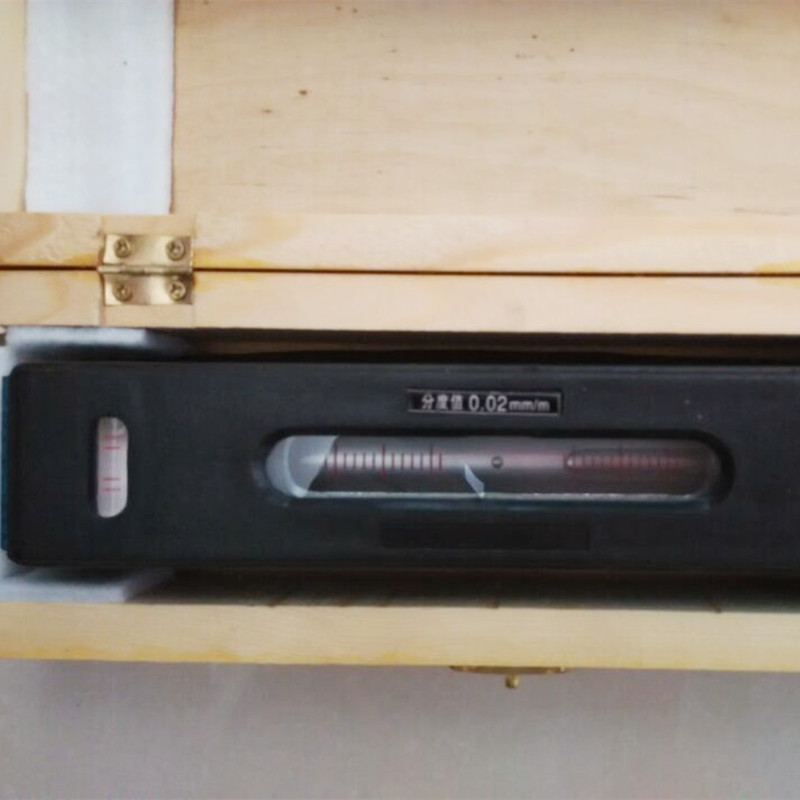
- Unparalleled Precision: With sensitivities often reaching 0.02 mm/m, bar level instruments offer a level of accuracy that is critical for the installation and maintenance of high-precision machinery. This microscopic sensitivity allows for the detection of minute deviations, preventing cumulative errors in complex assemblies.
- Superior Durability and Stability: Constructed from stress-relieved, hardened materials, these levels exhibit exceptional long-term stability and resistance to wear. Their robust construction ensures consistent performance even in environments with temperature fluctuations and mechanical stresses.
- Thermal Insensitivity: Advanced designs incorporate materials with low coefficients of thermal expansion, ensuring that measurements remain accurate across varying ambient temperatures, a critical factor in many industrial settings.
- Versatility with V-Groove Bases: The inclusion of precision-ground V-grooves on the base allows for accurate leveling on both flat surfaces and cylindrical workpieces, such as shafts, pipes, and spindles, significantly expanding the instrument's utility.
- Ease of Use and Clear Readability: Despite their high precision, these levels are designed for intuitive use. The clearly visible bubble vial provides immediate feedback, allowing technicians to make rapid and accurate adjustments during alignment procedures.
- Reduced Maintenance and Calibration Needs: Due to their robust and stable design, high-quality bar level instruments often require less frequent recalibration compared to more complex electronic systems, leading to lower total cost of ownership.
These inherent advantages ensure that investment in a premium bar level translates into enhanced operational efficiency, reduced downtime, and consistently higher product quality, providing a significant return on investment for precision-focused industries.
Vendor Comparison: Bar Level vs. Digital Levels
When selecting a precision leveling instrument, industrial buyers often weigh the merits of traditional mechanical bar level systems against modern digital levels. Both have distinct advantages, and the optimal choice depends on the specific application requirements, operational environment, and budget.
Comparative Analysis
| Feature | Bar Level (e.g., STR Machinery) | Digital Level (Typical) |
|---|---|---|
| Core Principle | Spirit vial (bubble in liquid) | Electronic inclinometer (MEMS or capacitive sensor) |
| Accuracy/Sensitivity | Extremely high (0.02 - 0.1 mm/m), long-term stability | High (0.01 - 0.05 mm/m), can be affected by drift over time |
| Readout | Visual bubble centering | Digital display (numerical value), often with graphical aid |
| Durability/Environment | Very robust, resistant to shock, moisture, dust; passive operation (no batteries) | Generally robust, but sensitive to extreme shock, water ingress, requires batteries |
| Data Logging/Connectivity | Manual record keeping | Often integrated, Bluetooth/USB connectivity, software analysis |
| Cost | Moderate to high (initial investment, very low lifetime cost) | High (initial investment, ongoing battery/calibration costs) |
| Calibration | Infrequent, specialized process | Regularly required, often software-assisted |
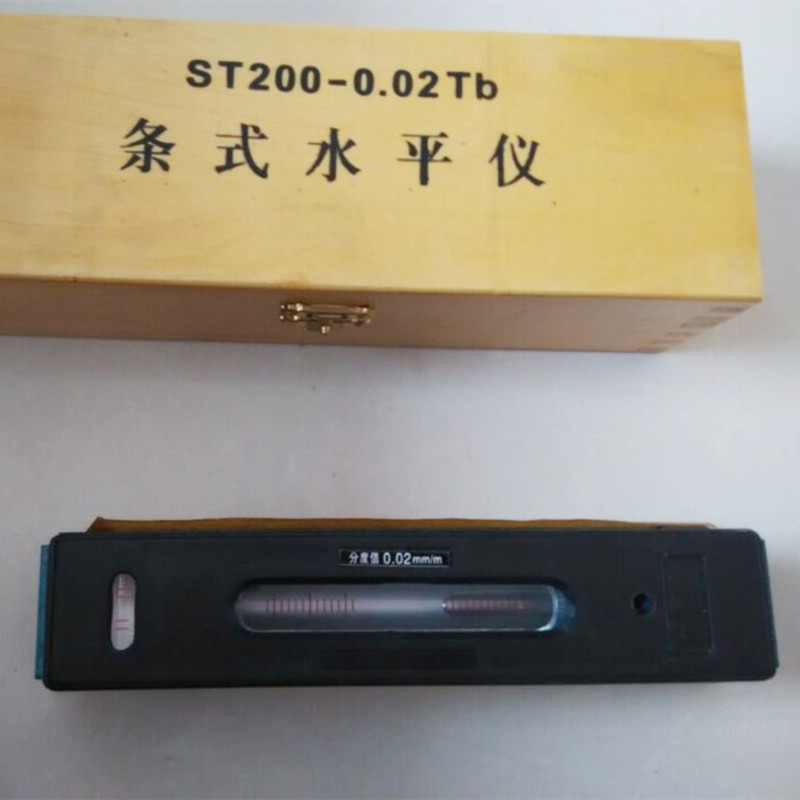
While digital levels offer convenience through digital readouts and data management, the mechanical bar level remains the gold standard for foundational precision, especially in environments where electromagnetic interference, battery dependence, or extreme conditions could compromise digital sensor performance. Our products embody the pinnacle of traditional precision engineering, offering robust and reliable solutions that outperform in critical applications.
Customized Solutions and Services
Recognizing that standard products may not always meet the unique demands of highly specialized industrial applications, we offer comprehensive customized solutions for our bar level range. Our engineering team collaborates closely with clients to develop instruments tailored to specific operational requirements and environmental challenges.
Customization Options Include:
- Specialized Sensitivities: Development of levels with ultra-high or specific sensitivities to meet unique measurement thresholds.
- Extended Lengths and Custom Geometries: Fabrication of longer levels for large-scale machinery or bases with specific contours, such as multi-V-grooves or concave/convex bases, for non-standard surfaces.
- Material Adaptations: Use of alternative materials like stainless steel for highly corrosive environments, non-magnetic alloys for sensitive magnetic field applications, or lightweight composites for specific portability needs.
- Integrated Features: Incorporation of features like magnetic bases for secure attachment to ferrous surfaces, insulated handles for thermal stability during handling, or specialized viewing aids for improved readability under challenging lighting.
- Enhanced Environmental Protection: Design modifications for increased resistance to extreme temperatures, high humidity, or explosive atmospheres, compliant with relevant ATEX or NEMA standards.
- Bespoke Calibration Services: Tailored calibration protocols and certification documentation to meet specific internal quality assurance standards or regulatory compliance requirements (e.g., aerospace or pharmaceutical industry validation).
Our commitment to delivering precise and reliable solutions is backed by extensive R&D capabilities and a deep understanding of metrology principles. By engaging with our expert team, clients can ensure their leveling instruments are perfectly aligned with their operational objectives, driving efficiency and accuracy where it matters most.
Application Case Studies
Real-world applications demonstrate the critical role of precision bar level instruments in ensuring the operational integrity and efficiency of industrial systems. Below are examples showcasing their impact.
Case Study 1: Large Gearbox Assembly in Heavy Industry
Client: Leading manufacturer of mining equipment.
Challenge: Precise alignment of multi-stage gearboxes weighing several tons. Misalignment can lead to premature bearing failure, excessive vibration, and significant power loss, impacting energy efficiency and service life.
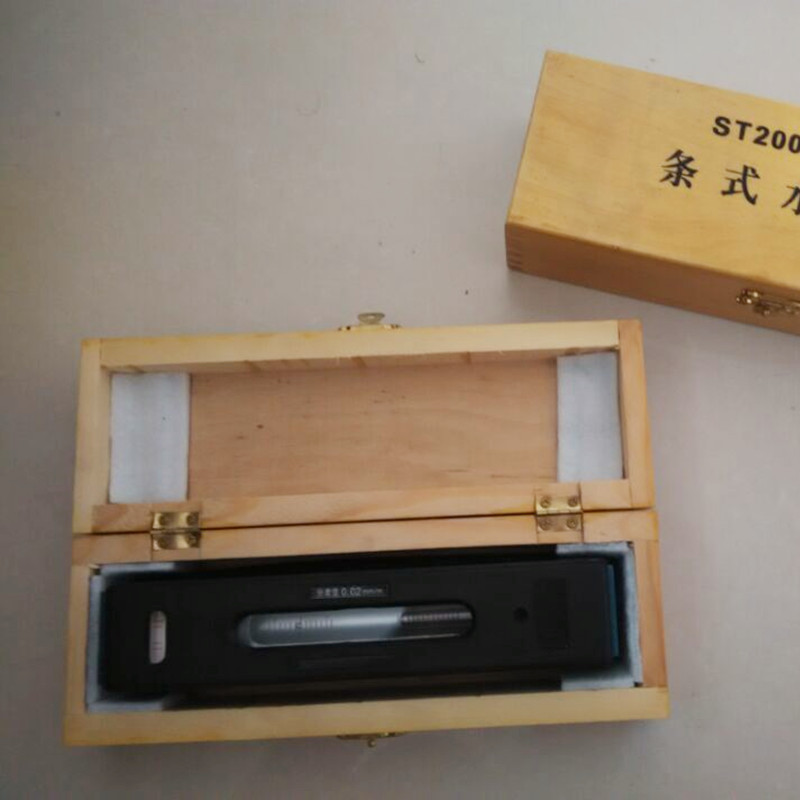
Solution: Our high-sensitivity bar level (0.02 mm/m) was deployed during the final assembly and installation phase. Its robust cast iron body and precision-ground V-groove base allowed for stable placement on the large, cylindrical shafts and flat mounting surfaces of the gearbox components.
Outcome: By achieving alignment tolerances within 0.03 mm over a 500 mm span, the client reported a 20% reduction in vibration levels and an estimated 10% improvement in energy transmission efficiency post-installation. The enhanced precision significantly extended the operational lifespan of the gearboxes, reducing maintenance costs and unscheduled downtime.
Case Study 2: Railway Track Gantry Crane Leveling
Client: Major railway infrastructure maintenance company.
Challenge: Ensuring the perfectly level and parallel alignment of gantry crane rails over several hundred meters in a busy railway yard. Imperfect alignment leads to uneven load distribution, increased wear on crane wheels, and potential safety hazards.
Solution: A series of extended-length bar level instruments (500 mm base) were used to establish reference points and verify the flatness and parallelism of the steel rails during installation and routine inspections. The levels’ high sensitivity was crucial for detecting subtle gradients.
Outcome: The diligent use of the bar level resulted in a consistently level track system. The client reported a noticeable decrease in maintenance requirements for the crane's travel mechanism and a significant improvement in operational stability, leading to enhanced safety and reduced long-term operational costs.
These case studies underscore the tangible benefits of integrating high-precision bar level instruments into critical industrial processes, demonstrating their capacity to improve efficiency, extend equipment life, and enhance safety across diverse sectors.
Frequently Asked Questions (FAQ)
Q1: How often should a bar level be calibrated?
A1: While our bar level instruments are designed for exceptional stability, annual calibration is generally recommended for critical applications to maintain certification and ensure peak accuracy. For less demanding uses or in stable environments, recalibration every two to three years may suffice. It is always advisable to follow specific industry standards or internal quality control protocols.
Q2: Can a bar level be used in extreme temperatures?
A2: Our bar level instruments are built with materials selected for their thermal stability. They are typically operational within a temperature range of -10°C to +40°C. For applications outside this range, specialized models with enhanced thermal compensation or custom material choices may be required. Please consult our technical team for specific requirements.
Q3: What is the significance of the V-groove base?
A3: The precision-ground V-groove base allows the bar level to sit stably and accurately on cylindrical surfaces, such as shafts, pipes, and spindles. This ensures that the instrument measures the true level or inclination of the cylindrical object, making it highly versatile for a wide range of machinery alignment tasks where both flat and cylindrical surfaces need to be leveled.
Lead Time, Warranty, and Support
Lead Time and Fulfillment
Standard models of our bar level instruments are typically available for dispatch within 2-4 business days, subject to inventory levels. For customized solutions or large-volume orders, lead times will be provided upon order confirmation, typically ranging from 2 to 6 weeks depending on complexity and material sourcing. We prioritize efficient logistics to ensure timely delivery to our global clientele.
Warranty Commitments
All our bar level products are backed by a comprehensive 12-month manufacturer's warranty against defects in materials and workmanship. This warranty covers normal operating conditions and manufacturing faults. Extended warranty options are available upon request for specific product lines or projects.
Customer Support and After-Sales Service
We are committed to providing exceptional customer support. Our technical support team is available during business hours to assist with product selection, application guidance, troubleshooting, and maintenance advice. We offer a full range of after-sales services, including factory calibration, repair services, and genuine spare parts supply. Our goal is to ensure the long-term performance and reliability of your precision leveling instruments.
Conclusion
The bar level remains an indispensable tool in the industrial metrology toolkit, embodying precision, durability, and reliability for critical alignment tasks. Its continued relevance in an increasingly digital world underscores the enduring value of its fundamental design principles and the meticulous craftsmanship involved in its production. From heavy machinery installation to delicate aerospace component assembly, the accurate and stable measurements provided by a high-quality bar level are foundational to operational excellence, contributing significantly to improved efficiency, reduced maintenance, and enhanced product quality. As industries continue to demand higher levels of precision, the strategic integration of advanced leveling solutions, whether standard or customized, will be paramount for maintaining competitive advantage and ensuring long-term success.
References
- International Organization for Standardization (ISO). ISO 1101:2017, Geometrical product specifications (GPS) - Geometrical tolerancing - Tolerances of form, orientation, location and run-out.
- American National Standards Institute (ANSI). ANSI B89.3.1-1972 (R1991), Measurement of out-of-roundness.
- Deutsches Institut für Normung (DIN). DIN 877-1:2012-05, Geometrical Product Specifications (GPS) - Spirit levels for engineers - Part 1: Bar levels.
- Slocum, A. H. (2018). Precision Machine Design. Society of Manufacturing Engineers.
- Peklenik, J., & Logar, V. (2015). Precision Engineering Handbook. Springer.
-
Ultimate Guide to Using a Professional Metre Spirit LevelNewsApr.16,2026
-
Ultimate Guide to Using and Choosing a Meter Spirit LevelNewsApr.09,2026
-
A Comprehensive Guide to Selecting the Ideal Meter Long Spirit Level for Accurate MeasurementsNewsApr.07,2026
-
Choosing the Perfect Metal Spirit Level for Accurate Measurements and ProjectsNewsApr.04,2026
-
Exploring the Diverse Levels of Spirits Quality and Production TechniquesNewsMar.31,2026
-
Understanding the Precision of a Level Spirit Level for Accurate MeasurementsNewsMar.28,2026
Sep . 08, 2025 16:38 Back to list
Precision Bar Levels: Accurate & Durable Industrial Measurement Tools
Introduction to Bar Level Technology
Precision alignment and leveling are fundamental requirements across numerous industrial sectors, impacting everything from machine performance to structural integrity. Among the array of precision measuring instruments, the bar level stands out for its exceptional accuracy and robustness. Engineered for demanding environments, this instrument provides critical data for the installation, maintenance, and calibration of machinery and components where micron-level precision is paramount. Its design and operational principles are optimized for achieving unparalleled flatness and parallelism measurements, ensuring the highest standards of operational efficiency and product quality.
The utility of a bar level extends far beyond simple horizontal alignment, offering detailed insights into surface topography and angular deviation. This capability is indispensable in applications ranging from heavy machinery manufacturing to the precise setup of optical systems. Understanding the intricate details of its construction, application, and the technological advancements defining its evolution is crucial for any industry professional seeking to optimize their measurement processes and maintain competitive advantage.
Industry Trends in Precision Leveling
The landscape of precision measurement is continually evolving, driven by advancements in materials science, digital integration, and the increasing demand for automation. Key trends impacting the design and deployment of industrial level instruments include:
- Integration with Digital Systems: Modern level types are increasingly incorporating digital readouts and data logging capabilities, allowing for real-time monitoring, trend analysis, and seamless integration into industrial control systems (ICS) and SCADA platforms. This digitalization enhances accuracy, reduces human error, and facilitates predictive maintenance strategies.
- Enhanced Materials for Durability: The use of advanced alloys, ceramics, and composites improves the thermal stability, wear resistance, and overall longevity of precision instruments. This is particularly vital for equipment deployed in harsh industrial environments.
- Miniaturization and Portability: While the traditional bar level maintains its robust form, there's a growing trend towards more compact and portable leveling solutions for field service and smaller-scale applications without compromising precision.
- Artificial Intelligence (AI) and Machine Learning (ML): Future developments are expected to leverage AI/ML for anomaly detection, self-calibration, and optimized measurement routines, further refining precision and operational efficiency.
- Focus on Sustainability: Manufacturers are increasingly adopting eco-friendly materials and energy-efficient manufacturing processes, aligning with global sustainability initiatives.
These trends collectively point towards a future where precision leveling instruments, including the bar level, are not merely tools for measurement but integral components of intelligent, interconnected industrial ecosystems, driving higher standards of accuracy and operational excellence.
Manufacturing Process of a Bar Level
The production of a high-precision bar level is a meticulous process demanding rigorous control over materials, machining, and calibration. Each step is critical to achieving the specified accuracy and durability required for industrial applications.
Materials and Design Philosophy
Typically, the main body of a bar level is crafted from high-quality cast iron or hardened tool steel, selected for its excellent dimensional stability, wear resistance, and vibration dampening properties. For enhanced corrosion resistance, some specialized models may utilize stainless steel or even ceramic components. The sensitive bubble vial, the heart of the instrument, is hermetically sealed within a robust glass tube, often made from high-purity borosilicate glass, and filled with a low-viscosity, non-freezing liquid (e.g., ethanol or mineral oil). The ground and lapped base, often incorporating V-grooves for cylindrical workpieces, ensures perfect surface contact.
Manufacturing Process Flow
- Material Selection and Preparation: Sourcing of high-grade cast iron (e.g., GG25 or Meehanite) or tool steel. Raw materials undergo initial inspection for defects and material composition.
- Casting or Forging: For cast iron models, the molten metal is poured into precisely engineered molds, followed by controlled cooling to minimize internal stresses. For steel variants, forging processes may be employed to achieve superior grain structure and mechanical properties.
- Rough Machining: CNC machining centers are utilized for initial shaping, removal of excess material, and creation of basic geometries. This stage focuses on achieving near-net shape.
- Stress Relieving Heat Treatment: Components undergo annealing or tempering to relieve residual stresses introduced during casting/forging and machining, preventing long-term dimensional instability.
- Precision Grinding and Lapping: The critical measuring surfaces (base, V-grooves) are ground and then meticulously lapped to achieve extreme flatness and parallelism. This step is performed in temperature-controlled environments to minimize thermal expansion effects. Surface finish can reach Ra 0.2 µm or better.
- Vial Assembly and Calibration: The precision ground glass bubble vial is carefully mounted and secured within the instrument body. Initial calibration involves adjusting the vial until its zero position accurately corresponds to a perfectly level surface, typically verified against a master reference level ruler.
- Final Finishing and Coating: The instrument body undergoes final surface treatments, such as painting or blackening, to enhance appearance and provide additional corrosion protection.
- Rigorous Testing and Certification: Each bar level undergoes extensive quality control, including linearity checks, repeatability tests, and temperature stability evaluations. Adherence to standards such as ISO 1101 (Geometrical Product Specifications) and specific ANSI or DIN specifications for leveling instruments is verified. Service life is optimized for decades of reliable use under typical industrial conditions, often exceeding 20 years with proper care.
These robust instruments are designed for demanding target industries including petrochemical, metallurgy, heavy machinery manufacturing, precision engineering, power generation, and water supply & drainage. In scenarios like the alignment of turbine generators in power plants, their precision contributes directly to energy saving by reducing friction and wear. In the petrochemical industry, ensuring the precise horizontal alignment of critical pipelines and reactors is vital for operational safety and corrosion resistance, preventing stagnant points where corrosive fluids could accumulate unevenly.
Technical Specifications and Parameters
Understanding the technical specifications of a bar level is critical for selecting the right instrument for specific industrial applications. Key parameters define its precision, range, and suitability for various environments. Our bar level solutions, often sourced from reputable manufacturers in level China, adhere to stringent international standards.
Standard Bar Level Specifications
| Parameter | Typical Value/Range | Description |
|---|---|---|
| Sensitivity | 0.02 mm/m to 0.1 mm/m | The smallest change in inclination that the level can detect. Expressed as the height difference over a specific length (e.g., 0.02 mm over 1 meter). |
| Measurement Range | Up to ±5 mm/m | The maximum deviation from true level that the instrument can accurately measure. |
| Working Length | 150 mm to 500 mm | The length of the measuring base; longer bases generally provide higher absolute accuracy over large surfaces. |
| Material | High-grade Cast Iron (e.g., GG25), Hardened Steel | Ensures dimensional stability, wear resistance, and vibration dampening. |
| V-Groove Angle | 90° (typical) | Allows for stable placement and accurate leveling on cylindrical workpieces and shafts. |
| Thermal Stability | +/- 0.005 mm/m per °C | Indicates how the instrument's accuracy is affected by temperature fluctuations. |
| Standard Compliance | ISO 1101, DIN 877, ANSI B89.3.1 | Ensures global interoperability and quality assurance. |
These specifications highlight the precision engineering inherent in a high-quality bar level, making it an indispensable tool for achieving the most stringent alignment requirements in various industrial settings.
Application Scenarios and Experience
The versatility and high precision of the bar level make it indispensable across a spectrum of industrial applications where meticulous leveling and alignment are paramount. Its robust design allows for reliable performance even in challenging environments.
Typical Applications
- Machine Tool Installation and Calibration: Critical for ensuring the foundational accuracy of CNC machines, lathes, milling machines, and grinding equipment. Proper alignment prevents premature wear, improves surface finish, and maintains geometric accuracy of manufactured parts.
- Turbine and Generator Alignment: In power generation, the precise leveling of turbine shafts and generator units is vital to minimize vibration, reduce bearing loads, and maximize operational efficiency and service life.
- Precision Surface Plate Inspection: Used to verify the flatness of granite or cast iron surface plates, which serve as reference datum for other metrology equipment.
- Structural Steel Erection: Ensures that large structural components, such as beams and columns, are installed perfectly plumb and level, critical for structural integrity and safety.
- Aerospace Component Manufacturing: For the assembly and alignment of precision components where even minor deviations can impact performance and safety.
- Railway Track and Rolling Stock Maintenance: Used for leveling railway tracks and components of rolling stock to ensure smooth operation and prevent derailments.
Customer Feedback and Usage Scenarios
Feedback from our clients consistently highlights the unparalleled reliability and accuracy of our bar level instruments. A manufacturing facility specializing in large-scale industrial pumps reported a 15% reduction in machinery downtime after implementing regular alignment checks using our level. The chief engineer noted, "The precision of this bar level allowed us to detect and correct subtle misalignments that our previous instruments missed, significantly extending the lifespan of our bearings and seals."
In another instance, a heavy equipment installation contractor utilized our bar level for setting up a new production line for wind turbine components. The robust construction proved invaluable in the outdoor, dusty environment. Their lead technician commented, "We rely on these levels daily for critical alignments. The clear bubble indication and stability of the instrument even on large, vibrating workpieces make our job much more efficient and error-free." These testimonials underscore the tangible benefits derived from integrating high-quality precision levels into industrial operations.
Technical Advantages and Performance
The technical superiority of a well-engineered bar level translates into significant operational advantages for industries where precision and reliability are non-negotiable. These advantages are derived from meticulous design, high-quality materials, and advanced manufacturing processes.
- Unparalleled Precision: With sensitivities often reaching 0.02 mm/m, bar level instruments offer a level of accuracy that is critical for the installation and maintenance of high-precision machinery. This microscopic sensitivity allows for the detection of minute deviations, preventing cumulative errors in complex assemblies.
- Superior Durability and Stability: Constructed from stress-relieved, hardened materials, these levels exhibit exceptional long-term stability and resistance to wear. Their robust construction ensures consistent performance even in environments with temperature fluctuations and mechanical stresses.
- Thermal Insensitivity: Advanced designs incorporate materials with low coefficients of thermal expansion, ensuring that measurements remain accurate across varying ambient temperatures, a critical factor in many industrial settings.
- Versatility with V-Groove Bases: The inclusion of precision-ground V-grooves on the base allows for accurate leveling on both flat surfaces and cylindrical workpieces, such as shafts, pipes, and spindles, significantly expanding the instrument's utility.
- Ease of Use and Clear Readability: Despite their high precision, these levels are designed for intuitive use. The clearly visible bubble vial provides immediate feedback, allowing technicians to make rapid and accurate adjustments during alignment procedures.
- Reduced Maintenance and Calibration Needs: Due to their robust and stable design, high-quality bar level instruments often require less frequent recalibration compared to more complex electronic systems, leading to lower total cost of ownership.
These inherent advantages ensure that investment in a premium bar level translates into enhanced operational efficiency, reduced downtime, and consistently higher product quality, providing a significant return on investment for precision-focused industries.
Vendor Comparison: Bar Level vs. Digital Levels
When selecting a precision leveling instrument, industrial buyers often weigh the merits of traditional mechanical bar level systems against modern digital levels. Both have distinct advantages, and the optimal choice depends on the specific application requirements, operational environment, and budget.
Comparative Analysis
| Feature | Bar Level (e.g., STR Machinery) | Digital Level (Typical) |
|---|---|---|
| Core Principle | Spirit vial (bubble in liquid) | Electronic inclinometer (MEMS or capacitive sensor) |
| Accuracy/Sensitivity | Extremely high (0.02 - 0.1 mm/m), long-term stability | High (0.01 - 0.05 mm/m), can be affected by drift over time |
| Readout | Visual bubble centering | Digital display (numerical value), often with graphical aid |
| Durability/Environment | Very robust, resistant to shock, moisture, dust; passive operation (no batteries) | Generally robust, but sensitive to extreme shock, water ingress, requires batteries |
| Data Logging/Connectivity | Manual record keeping | Often integrated, Bluetooth/USB connectivity, software analysis |
| Cost | Moderate to high (initial investment, very low lifetime cost) | High (initial investment, ongoing battery/calibration costs) |
| Calibration | Infrequent, specialized process | Regularly required, often software-assisted |
While digital levels offer convenience through digital readouts and data management, the mechanical bar level remains the gold standard for foundational precision, especially in environments where electromagnetic interference, battery dependence, or extreme conditions could compromise digital sensor performance. Our products embody the pinnacle of traditional precision engineering, offering robust and reliable solutions that outperform in critical applications.
Customized Solutions and Services
Recognizing that standard products may not always meet the unique demands of highly specialized industrial applications, we offer comprehensive customized solutions for our bar level range. Our engineering team collaborates closely with clients to develop instruments tailored to specific operational requirements and environmental challenges.
Customization Options Include:
- Specialized Sensitivities: Development of levels with ultra-high or specific sensitivities to meet unique measurement thresholds.
- Extended Lengths and Custom Geometries: Fabrication of longer levels for large-scale machinery or bases with specific contours, such as multi-V-grooves or concave/convex bases, for non-standard surfaces.
- Material Adaptations: Use of alternative materials like stainless steel for highly corrosive environments, non-magnetic alloys for sensitive magnetic field applications, or lightweight composites for specific portability needs.
- Integrated Features: Incorporation of features like magnetic bases for secure attachment to ferrous surfaces, insulated handles for thermal stability during handling, or specialized viewing aids for improved readability under challenging lighting.
- Enhanced Environmental Protection: Design modifications for increased resistance to extreme temperatures, high humidity, or explosive atmospheres, compliant with relevant ATEX or NEMA standards.
- Bespoke Calibration Services: Tailored calibration protocols and certification documentation to meet specific internal quality assurance standards or regulatory compliance requirements (e.g., aerospace or pharmaceutical industry validation).
Our commitment to delivering precise and reliable solutions is backed by extensive R&D capabilities and a deep understanding of metrology principles. By engaging with our expert team, clients can ensure their leveling instruments are perfectly aligned with their operational objectives, driving efficiency and accuracy where it matters most.
Application Case Studies
Real-world applications demonstrate the critical role of precision bar level instruments in ensuring the operational integrity and efficiency of industrial systems. Below are examples showcasing their impact.
Case Study 1: Large Gearbox Assembly in Heavy Industry
Client: Leading manufacturer of mining equipment.
Challenge: Precise alignment of multi-stage gearboxes weighing several tons. Misalignment can lead to premature bearing failure, excessive vibration, and significant power loss, impacting energy efficiency and service life.
Solution: Our high-sensitivity bar level (0.02 mm/m) was deployed during the final assembly and installation phase. Its robust cast iron body and precision-ground V-groove base allowed for stable placement on the large, cylindrical shafts and flat mounting surfaces of the gearbox components.
Outcome: By achieving alignment tolerances within 0.03 mm over a 500 mm span, the client reported a 20% reduction in vibration levels and an estimated 10% improvement in energy transmission efficiency post-installation. The enhanced precision significantly extended the operational lifespan of the gearboxes, reducing maintenance costs and unscheduled downtime.
Case Study 2: Railway Track Gantry Crane Leveling
Client: Major railway infrastructure maintenance company.
Challenge: Ensuring the perfectly level and parallel alignment of gantry crane rails over several hundred meters in a busy railway yard. Imperfect alignment leads to uneven load distribution, increased wear on crane wheels, and potential safety hazards.
Solution: A series of extended-length bar level instruments (500 mm base) were used to establish reference points and verify the flatness and parallelism of the steel rails during installation and routine inspections. The levels’ high sensitivity was crucial for detecting subtle gradients.
Outcome: The diligent use of the bar level resulted in a consistently level track system. The client reported a noticeable decrease in maintenance requirements for the crane's travel mechanism and a significant improvement in operational stability, leading to enhanced safety and reduced long-term operational costs.
These case studies underscore the tangible benefits of integrating high-precision bar level instruments into critical industrial processes, demonstrating their capacity to improve efficiency, extend equipment life, and enhance safety across diverse sectors.
Frequently Asked Questions (FAQ)
Q1: How often should a bar level be calibrated?
A1: While our bar level instruments are designed for exceptional stability, annual calibration is generally recommended for critical applications to maintain certification and ensure peak accuracy. For less demanding uses or in stable environments, recalibration every two to three years may suffice. It is always advisable to follow specific industry standards or internal quality control protocols.
Q2: Can a bar level be used in extreme temperatures?
A2: Our bar level instruments are built with materials selected for their thermal stability. They are typically operational within a temperature range of -10°C to +40°C. For applications outside this range, specialized models with enhanced thermal compensation or custom material choices may be required. Please consult our technical team for specific requirements.
Q3: What is the significance of the V-groove base?
A3: The precision-ground V-groove base allows the bar level to sit stably and accurately on cylindrical surfaces, such as shafts, pipes, and spindles. This ensures that the instrument measures the true level or inclination of the cylindrical object, making it highly versatile for a wide range of machinery alignment tasks where both flat and cylindrical surfaces need to be leveled.
Lead Time, Warranty, and Support
Lead Time and Fulfillment
Standard models of our bar level instruments are typically available for dispatch within 2-4 business days, subject to inventory levels. For customized solutions or large-volume orders, lead times will be provided upon order confirmation, typically ranging from 2 to 6 weeks depending on complexity and material sourcing. We prioritize efficient logistics to ensure timely delivery to our global clientele.
Warranty Commitments
All our bar level products are backed by a comprehensive 12-month manufacturer's warranty against defects in materials and workmanship. This warranty covers normal operating conditions and manufacturing faults. Extended warranty options are available upon request for specific product lines or projects.
Customer Support and After-Sales Service
We are committed to providing exceptional customer support. Our technical support team is available during business hours to assist with product selection, application guidance, troubleshooting, and maintenance advice. We offer a full range of after-sales services, including factory calibration, repair services, and genuine spare parts supply. Our goal is to ensure the long-term performance and reliability of your precision leveling instruments.
Conclusion
The bar level remains an indispensable tool in the industrial metrology toolkit, embodying precision, durability, and reliability for critical alignment tasks. Its continued relevance in an increasingly digital world underscores the enduring value of its fundamental design principles and the meticulous craftsmanship involved in its production. From heavy machinery installation to delicate aerospace component assembly, the accurate and stable measurements provided by a high-quality bar level are foundational to operational excellence, contributing significantly to improved efficiency, reduced maintenance, and enhanced product quality. As industries continue to demand higher levels of precision, the strategic integration of advanced leveling solutions, whether standard or customized, will be paramount for maintaining competitive advantage and ensuring long-term success.
References
- International Organization for Standardization (ISO). ISO 1101:2017, Geometrical product specifications (GPS) - Geometrical tolerancing - Tolerances of form, orientation, location and run-out.
- American National Standards Institute (ANSI). ANSI B89.3.1-1972 (R1991), Measurement of out-of-roundness.
- Deutsches Institut für Normung (DIN). DIN 877-1:2012-05, Geometrical Product Specifications (GPS) - Spirit levels for engineers - Part 1: Bar levels.
- Slocum, A. H. (2018). Precision Machine Design. Society of Manufacturing Engineers.
- Peklenik, J., & Logar, V. (2015). Precision Engineering Handbook. Springer.
-
Ultimate Guide to Using a Professional Metre Spirit LevelNewsApr.16,2026
-
Ultimate Guide to Using and Choosing a Meter Spirit LevelNewsApr.09,2026
-
A Comprehensive Guide to Selecting the Ideal Meter Long Spirit Level for Accurate MeasurementsNewsApr.07,2026
-
Choosing the Perfect Metal Spirit Level for Accurate Measurements and ProjectsNewsApr.04,2026
-
Exploring the Diverse Levels of Spirits Quality and Production TechniquesNewsMar.31,2026
-
Understanding the Precision of a Level Spirit Level for Accurate MeasurementsNewsMar.28,2026
 Afrikaans
 Albanian
 Amharic
 Arabic
 Armenian
 Azerbaijani
 Basque
 Belarusian
 Bengali
 Bosnian
 Bulgarian
 Catalan
 Cebuano
 Corsican
 Croatian
 Czech
Czech
 Danish
 Dutch
Dutch
 Esperanto
 Estonian
 Finnish
 French
 Frisian
 Galician
 Georgian
 German
 Greek
Greek
 Gujarati
 Haitian Creole
 Hausa
Hausa
 Hawaiian
 Hebrew
 Hindi
Hindi
 Miao
Miao
 Hungarian
 Icelandic
 Igbo
Igbo
 Indonesian
 Irish
Irish
 Italian
 Japanese
 Javanese
 Kannada
 Kazakh
 Khmer
Khmer
 Rwandese
 Korean
 Kurdish
 Kyrgyz
 Lao
Lao
 Latin
Latin
 Latvian
 Lithuanian
 Luxembourgish
 Macedonian
 Malgashi
 Malay
Malay
 Malayalam
 Maltese
 Maori
Maori
 Marathi
 Mongolian
 Myanmar
 Nepali
 Norwegian
 Norwegian
 Occitan
 Pashto
 Persian
 Polish
 Portuguese
 Punjabi
 Romanian
 Russian
 Samoan
 Scottish Gaelic
 Serbian
 Sesotho
 Shona
Shona
 Sindhi
 Sinhala
 Slovak
 Slovenian
 Somali
 Spanish
 Sundanese
 Swahili
 Swedish
 Tagalog
 Tajik
Tajik
 Tamil
Tamil
 Tatar
Tatar
 Telugu
 Thai
Thai
 Turkish
 Turkmen
 Ukrainian
 Urdu
Urdu
 Uighur
 Uzbek
Uzbek
 Vietnamese
 Welsh
Welsh
 Bantu
Bantu
 Yiddish
 Yoruba
 Zulu
Zulu
 English