

Jan . 27, 2026 17:08 Back to list
Essential Guide to Choosing the Right Welding Table Clamps for Precision
Choosing the Right Welding Table Clamps for Your Project
Welding table clamps are essential tools for any welding project, ensuring accuracy, efficiency, and safety. Selecting the right clamps depends on the type of work you’re doing, the materials you're using, and the desired level of precision. This article will provide a comprehensive guide to understanding and choosing the best welding table clamps for your needs. From quick-acting clamps to specialized designs, we’ll cover everything you need to know to optimize your welding setup. Proper clamping is vital for strong, clean welds, so understanding your options is key to achieving professional results.
Understanding Different Types of Welding Table Clamps
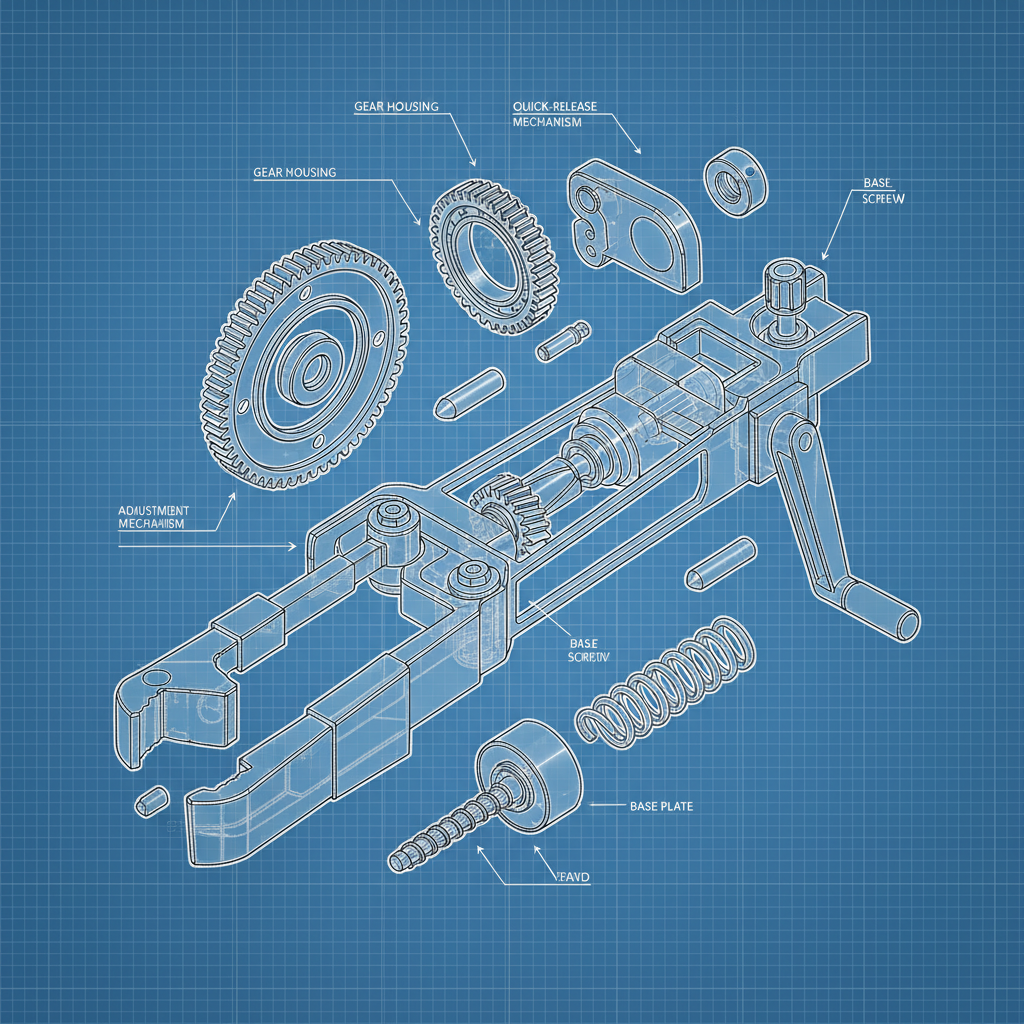
The market offers a variety of welding table clamps, each designed for specific applications. Some common types include quick-acting clamps, C-clamps, toggle clamps, and magnetic clamps. Quick-acting clamps offer fast setup and removal, ideal for repetitive tasks. C-clamps are versatile and provide a strong hold but require more time to adjust. Toggle clamps are excellent for securing workpieces at specific angles. Magnetic clamps are convenient for ferrous metals but have limitations with non-magnetic materials. Understanding the strengths and weaknesses of each type will help you make an informed decision. STR Machinery offers a comprehensive range of these clamp types to suit diverse welding applications.
Key Takeaway: The right clamp type depends heavily on the materials being welded, the complexity of the project, and the speed of setup required.
Factors to Consider When Choosing Welding Table Clamps
Several factors influence the selection of welding table clamps. First, consider the material you're welding. Different materials require different clamping pressures and techniques. Second, evaluate the size and shape of your workpieces. Larger or irregularly shaped pieces may necessitate more robust or specialized clamps. Third, assess the clamping force required to hold the pieces securely during welding. Insufficient clamping can lead to movement and inaccurate welds. Finally, think about the ease of adjustment and operation. Quick-release mechanisms and ergonomic designs can significantly improve efficiency and reduce fatigue. Always prioritize safety and ensure the clamps are in good working condition.
Key Considerations:
• Material compatibility
• Workpiece size and shape
• Required clamping force
• Ease of adjustment and operation
A Comparison of Popular Welding Table Clamp Types
To help you navigate the options, here's a comparison table of popular welding table clamp types. This will highlight their key features, advantages, and disadvantages. Choosing the right clamp based on your specific needs will improve your welding accuracy and efficiency.
Choosing the Right Welding Table for Optimal Clamp Performance
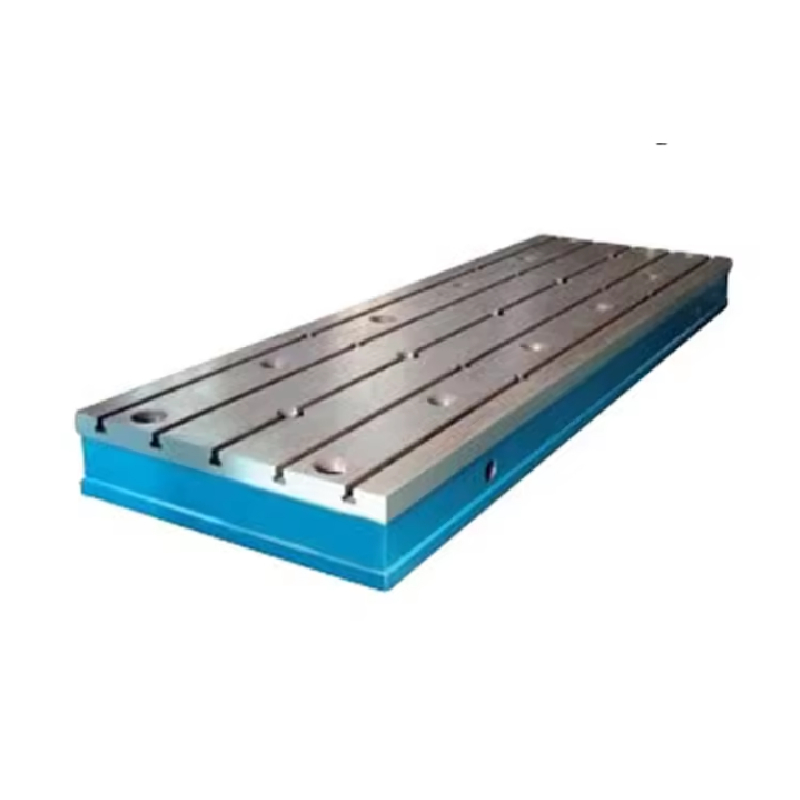
The welding table itself plays a crucial role in clamp performance. A high-quality welding table with a flat, smooth surface is essential for accurate alignment and secure clamping. Tables with pre-drilled holes are particularly beneficial as they allow for flexible clamp placement. Consider the size of the table based on your typical project size and the weight capacity it needs to support. At STR Machinery, we provide durable and versatile welding tables designed to work seamlessly with a wide range of clamps.
Maintenance and Safety Tips for Welding Table Clamps
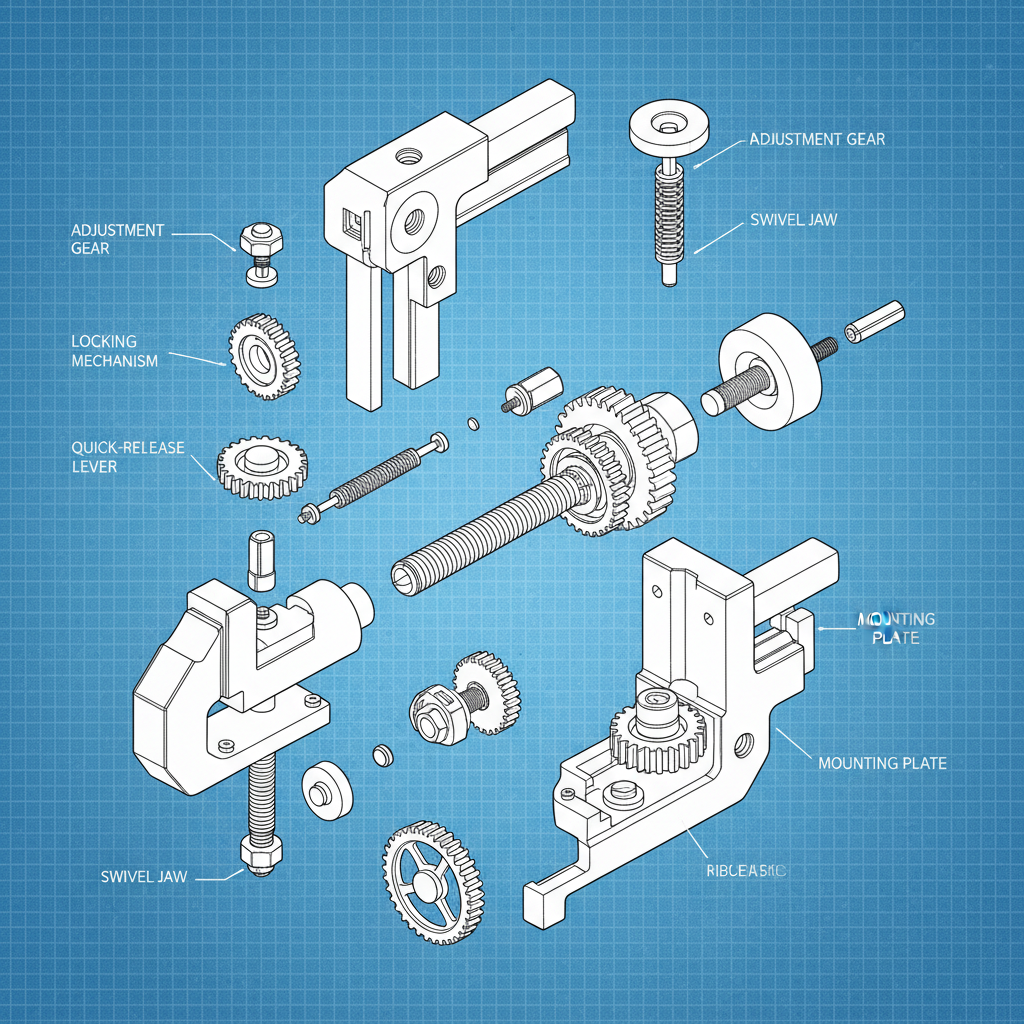
Regular maintenance is vital to ensure the longevity and safety of your welding table clamps. Clean clamps after each use to remove debris and welding spatter. Lubricate moving parts to prevent corrosion and ensure smooth operation. Inspect clamps regularly for signs of wear or damage. Replace any damaged clamps immediately. Always wear appropriate safety gear, including gloves and eye protection, when handling clamps. Never exceed the clamping force recommended by the manufacturer. Remember, safe and well-maintained clamps contribute to a safer and more efficient welding process.
Conclusion: Investing in Quality Welding Table Clamps
Choosing the right welding table clamps is a critical investment for any welder. By understanding the different types, considering your specific needs, and prioritizing safety and maintenance, you can optimize your welding process and achieve professional-quality results. Explore the comprehensive selection of clamps and welding tables available at STR Machinery to find the perfect solutions for your projects.
Frequently Asked Questions (FAQs)
What is the maximum clamping force I should apply?
The maximum clamping force depends on the type of clamp and the materials being held. Exceeding the recommended force can damage the clamp, the workpiece, or the welding table. Always refer to the manufacturer’s specifications for the clamp’s maximum clamping force. A general rule is to apply enough force to securely hold the pieces together without causing deformation. Using excessive force can also lead to inaccurate welds due to distortion of the materials.
How often should I inspect my welding table clamps?
Regular inspection is crucial for safety and performance. Inspect clamps before each use for any signs of wear, damage, or corrosion. Pay close attention to the clamping surfaces, the tightening mechanisms, and any moving parts. If you notice any cracks, bends, or loose components, replace the clamp immediately. A proactive inspection schedule helps prevent accidents and ensures consistent clamping performance.
Can I use magnetic clamps on aluminum?
No, magnetic clamps are not effective on aluminum or other non-ferrous materials. Magnetic clamps rely on magnetic attraction to hold workpieces, and aluminum does not exhibit these properties. For aluminum welding, you should use mechanical clamps such as C-clamps, toggle clamps, or quick-acting clamps. Ensure the clamps are appropriate for the thickness and shape of the aluminum pieces you are working with.
What are the benefits of using quick-acting clamps?
Quick-acting clamps offer several benefits, including faster setup and removal, increased efficiency, and reduced operator fatigue. They are particularly useful for repetitive welding tasks where speed is critical. Their ergonomic designs and easy-to-use mechanisms streamline the clamping process, allowing welders to focus on the weld itself. However, they may be more expensive than other clamp types.
-
Ultimate Guide to Using a Professional Metre Spirit LevelNewsApr.16,2026
-
Ultimate Guide to Using and Choosing a Meter Spirit LevelNewsApr.09,2026
-
A Comprehensive Guide to Selecting the Ideal Meter Long Spirit Level for Accurate MeasurementsNewsApr.07,2026
-
Choosing the Perfect Metal Spirit Level for Accurate Measurements and ProjectsNewsApr.04,2026
-
Exploring the Diverse Levels of Spirits Quality and Production TechniquesNewsMar.31,2026
-
Understanding the Precision of a Level Spirit Level for Accurate MeasurementsNewsMar.28,2026
 Afrikaans
 Albanian
 Amharic
 Arabic
 Armenian
 Azerbaijani
 Basque
 Belarusian
 Bengali
 Bosnian
 Bulgarian
 Catalan
 Cebuano
 Corsican
 Croatian
 Czech
Czech
 Danish
 Dutch
Dutch
 Esperanto
 Estonian
 Finnish
 French
 Frisian
 Galician
 Georgian
 German
 Greek
Greek
 Gujarati
 Haitian Creole
 Hausa
Hausa
 Hawaiian
 Hebrew
 Hindi
Hindi
 Miao
Miao
 Hungarian
 Icelandic
 Igbo
Igbo
 Indonesian
 Irish
Irish
 Italian
 Japanese
 Javanese
 Kannada
 Kazakh
 Khmer
Khmer
 Rwandese
 Korean
 Kurdish
 Kyrgyz
 Lao
Lao
 Latin
Latin
 Latvian
 Lithuanian
 Luxembourgish
 Macedonian
 Malgashi
 Malay
Malay
 Malayalam
 Maltese
 Maori
Maori
 Marathi
 Mongolian
 Myanmar
 Nepali
 Norwegian
 Norwegian
 Occitan
 Pashto
 Persian
 Polish
 Portuguese
 Punjabi
 Romanian
 Russian
 Samoan
 Scottish Gaelic
 Serbian
 Sesotho
 Shona
Shona
 Sindhi
 Sinhala
 Slovak
 Slovenian
 Somali
 Spanish
 Sundanese
 Swahili
 Swedish
 Tagalog
 Tajik
Tajik
 Tamil
Tamil
 Tatar
Tatar
 Telugu
 Thai
Thai
 Turkish
 Turkmen
 Ukrainian
 Urdu
Urdu
 Uighur
 Uzbek
Uzbek
 Vietnamese
 Welsh
Welsh
 Bantu
Bantu
 Yiddish
 Yoruba
 Zulu
Zulu
 English