

Nov . 03, 2025 18:25 Back to list
Bore Gauge Accessories: Need Precision, Durable Kits?
Bore Gauge Accessories in the Real World: Why Keyway Plug Gauges Still Matter
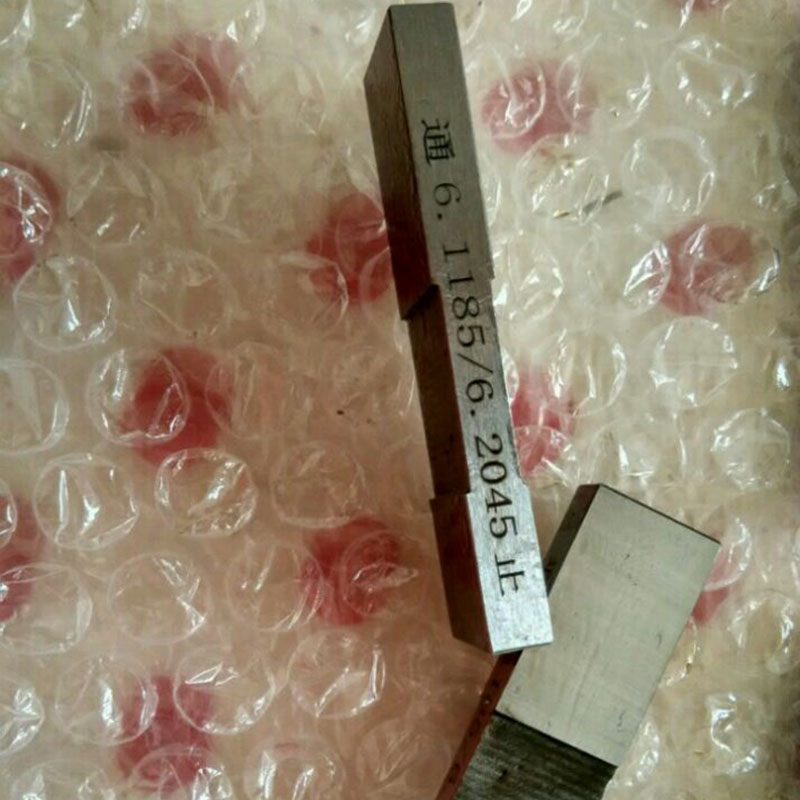
If you spend your days chasing microns (same here), you learn quickly that bore gauge accessories can make or break first-pass yield. One unsung hero: the Keyway Plug Gauge. It’s deceptively simple—measuring head, plug body, adjusting rod—but it keeps high-value shafts and hubs out of the scrap bin. I’ve seen it on the floor in automotive lines and in job shops where one rework can nuke margins.
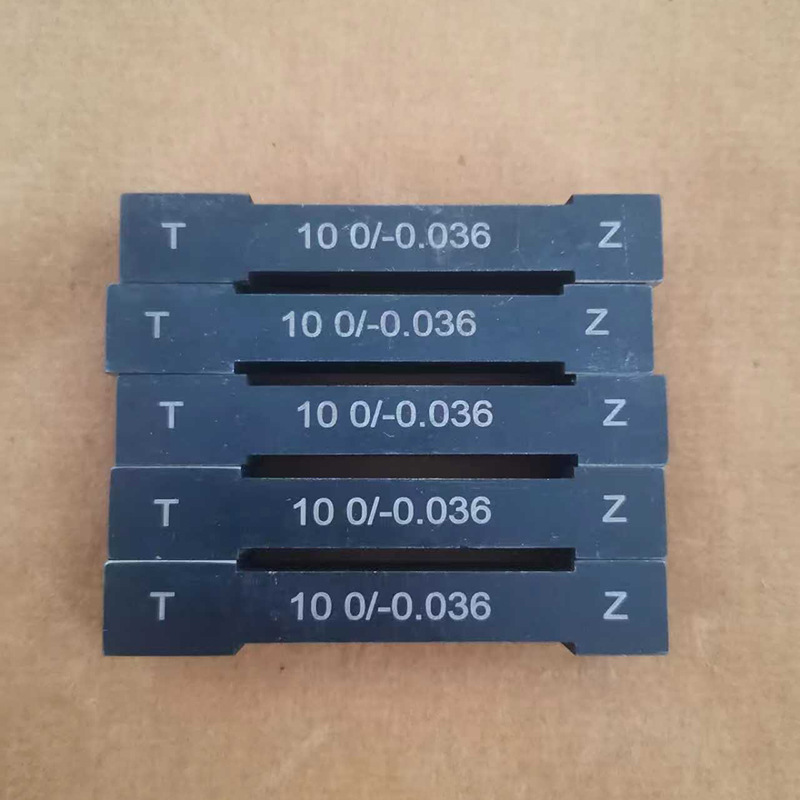
Industry trends (and a quick reality check)
There’s a push toward digital traceability—QR-coded gauges, cloud calibration records, even RFID tracking. Nice perks. But, to be honest, on-the-spot capability still hinges on tactile tools that fit the feature. Keyways aren’t just “another bore,” and bore gauge accessories that confirm keyway width, parallelism, and location remain essential. Many customers say the hybrid workflow—bore gauge for diameter, plug gauge for slot—saves setup time and catches drift early.
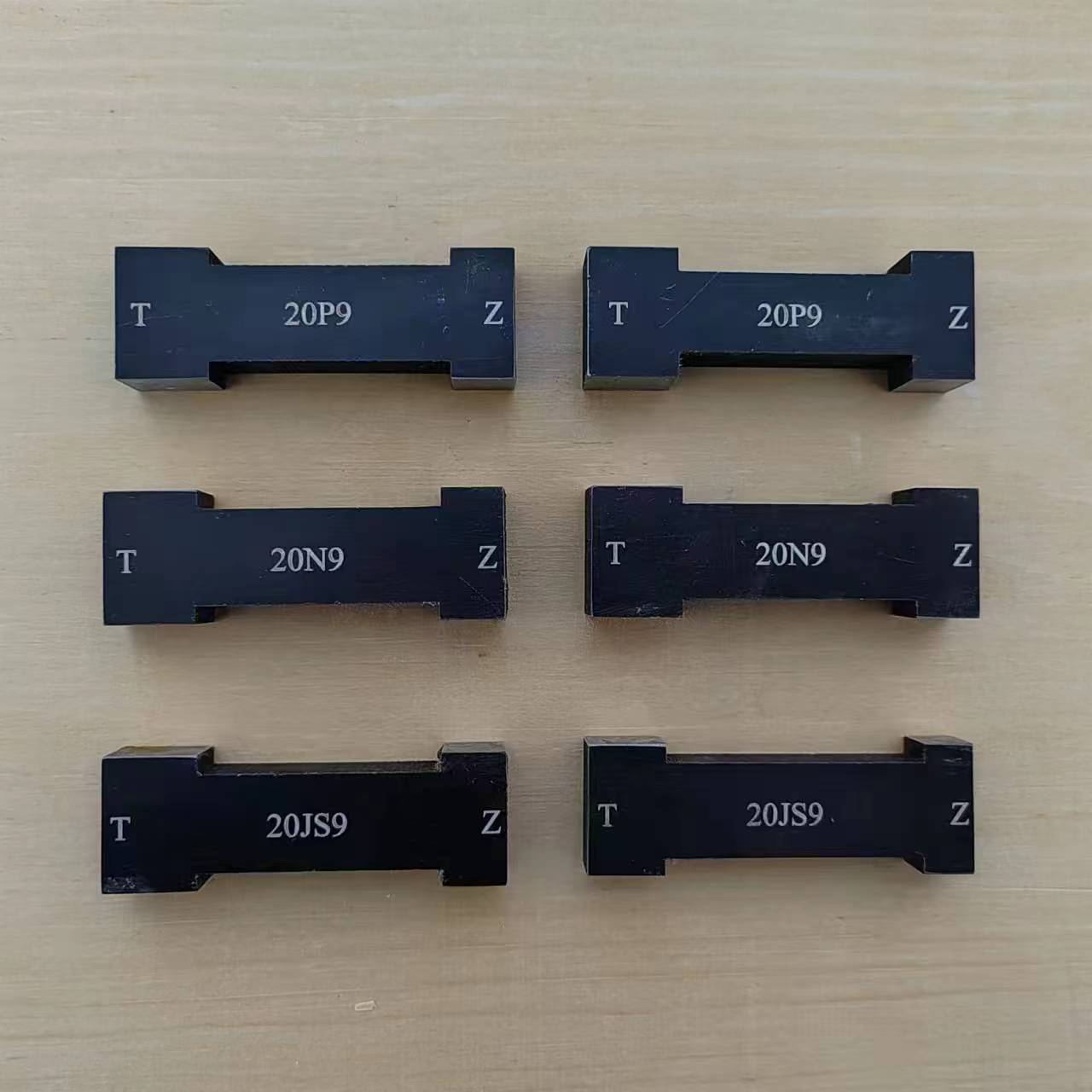
Keyway Plug Gauge: quick specs
Origin: No.17, Building 11, Hardware Building Material City, Botou, Cangzhou City, Hebei Province, China. In fact, I visited Botou a few years back—lots of heat-treatment expertise in that cluster.
| Model | Keyway Plug Gauge (adjustable type) |
| Keyway width range | ≈ 3–32 mm (custom up to 50 mm) |
| Gauge material | GCr15/52100 bearing steel, oil-quenched, tempered |
| Hardness | HRC 58–62 (ASTM E18 verified) |
| Surface roughness | Ra ≤ 0.20 μm (real-world use may vary) |
| Tolerance class | ISO 1938-1 Class 1 or Class 0 (on request) |
| Calibration | Traceable cert; MSA guidance per ASME B89.7.3.1 |
| Service life | >20,000 cycles before ≤2 μm wear (shop test) |
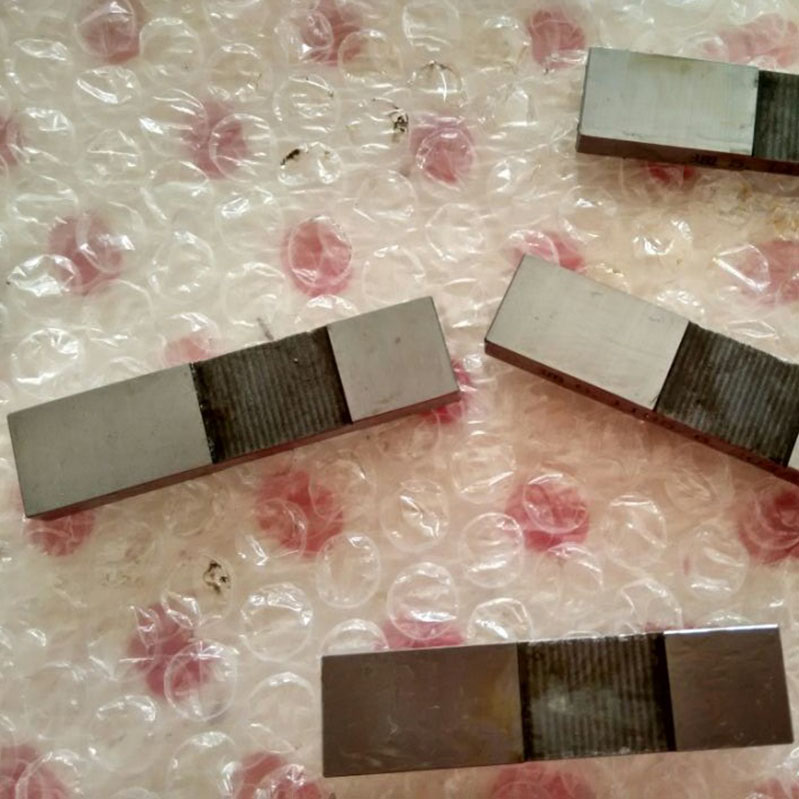
Process flow and QA
- Materials: 52100 bar, ultrasonic-inspected for inclusions.
- Methods: CNC turning → heat treatment → precision grinding → lapping.
- Testing standards: ISO 1938-1 for limit gauges; ISO 286 for fits; hardness per ASTM E18; uncertainty reporting per NIST TN 1297.
- Verification: roundness and parallelism checked on form tester; surface via profilometer.
- Industries: automotive, e-mobility motor shafts, pumps, gearboxes, heavy equipment.
Usage scenario: set the plug body on the keyway, insert the adjusting rod, light hand torque, and read with the measuring head. Pair with a bore gauge for diameter confirmation—this two-step approach avoids false positives from burrs.
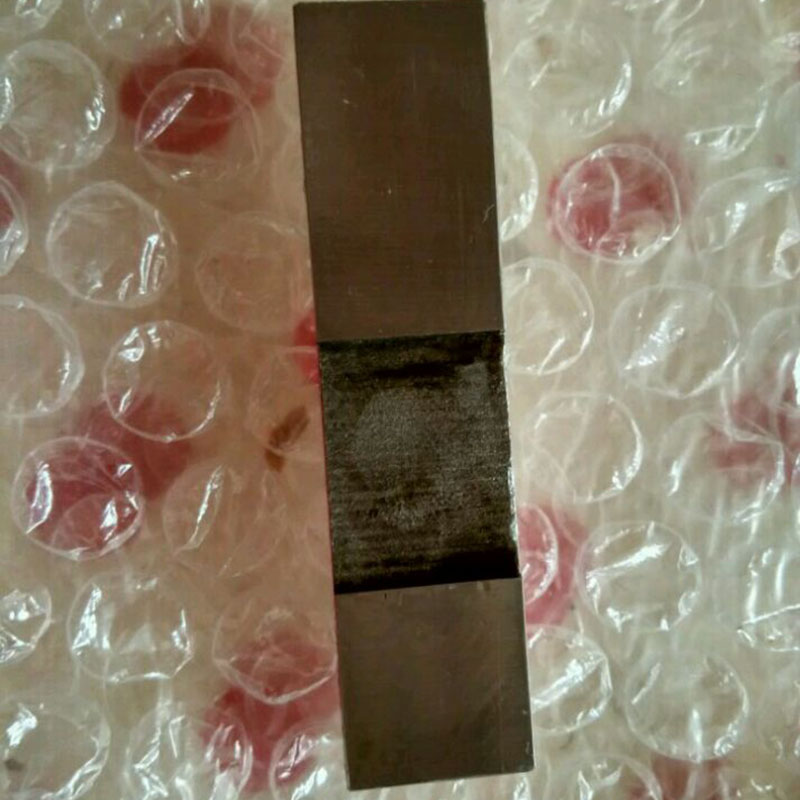
Case study: motor hub line
A Tier-1 e-mobility supplier swapped in this gauge for a 10 mm keyway. Over a 5,000-part run, Cp/Cpk improved from 1.10/1.03 to 1.45/1.36. Repeatability R&R dropped to 8.2%. Scrap fell by 0.7%. Customer feedback was blunt: “Simple, rugged, predictable.” Honestly, that’s what you want at 2 a.m. on a Saturday shift.
Vendor comparison (my notebook version)
| Vendor | Lead time | Typical price | Certs | Notes |
|---|---|---|---|---|
| STR Machinery (Hebei, China) | 2–4 weeks | ≈ $95–$260 | ISO 9001; traceable cal | Strong customization; good after-sales. |
| EU Maker A (Germany) | 3–6 weeks | ≈ $180–$420 | ISO 17025 lab tie-in | Excellent documentation; premium cost. |
| US Maker B | 1–3 weeks | ≈ $160–$380 | ASME-compliant | Fast delivery; fewer custom ranges. |
Customization and how to spec it
- Keyway width and length; stepped or straight style.
- Tolerance class (Class 1 for shop use, Class 0 for masters).
- Anti-corrosion coating if you’re near coolants all day.
- Engraved ID/QR for traceability. Pair with bore gauge accessories like setting rings and anvils for a full kit.
Final thought: measuring slots is fiddly; the right bore gauge accessories make it boring—in the best way.
Authoritative references
- ISO 1938-1: Geometrical product specifications — Limit gauges — Part 1: Plain limit gauges for holes and shafts.
- ISO 286-1: Geometrical product specifications — ISO system of limits and fits.
- ASME B89.7.3.1: Guidelines for decision rules in measurement uncertainty and conformance testing.
- NIST Technical Note 1297: Guidelines for Evaluating and Expressing the Uncertainty of NIST Measurement Results.
-
Ultimate Guide to Using a Professional Metre Spirit LevelNewsApr.16,2026
-
Ultimate Guide to Using and Choosing a Meter Spirit LevelNewsApr.09,2026
-
A Comprehensive Guide to Selecting the Ideal Meter Long Spirit Level for Accurate MeasurementsNewsApr.07,2026
-
Choosing the Perfect Metal Spirit Level for Accurate Measurements and ProjectsNewsApr.04,2026
-
Exploring the Diverse Levels of Spirits Quality and Production TechniquesNewsMar.31,2026
-
Understanding the Precision of a Level Spirit Level for Accurate MeasurementsNewsMar.28,2026
 Afrikaans
 Albanian
 Amharic
 Arabic
 Armenian
 Azerbaijani
 Basque
 Belarusian
 Bengali
 Bosnian
 Bulgarian
 Catalan
 Cebuano
 Corsican
 Croatian
 Czech
Czech
 Danish
 Dutch
Dutch
 Esperanto
 Estonian
 Finnish
 French
 Frisian
 Galician
 Georgian
 German
 Greek
Greek
 Gujarati
 Haitian Creole
 Hausa
Hausa
 Hawaiian
 Hebrew
 Hindi
Hindi
 Miao
Miao
 Hungarian
 Icelandic
 Igbo
Igbo
 Indonesian
 Irish
Irish
 Italian
 Japanese
 Javanese
 Kannada
 Kazakh
 Khmer
Khmer
 Rwandese
 Korean
 Kurdish
 Kyrgyz
 Lao
Lao
 Latin
Latin
 Latvian
 Lithuanian
 Luxembourgish
 Macedonian
 Malgashi
 Malay
Malay
 Malayalam
 Maltese
 Maori
Maori
 Marathi
 Mongolian
 Myanmar
 Nepali
 Norwegian
 Norwegian
 Occitan
 Pashto
 Persian
 Polish
 Portuguese
 Punjabi
 Romanian
 Russian
 Samoan
 Scottish Gaelic
 Serbian
 Sesotho
 Shona
Shona
 Sindhi
 Sinhala
 Slovak
 Slovenian
 Somali
 Spanish
 Sundanese
 Swahili
 Swedish
 Tagalog
 Tajik
Tajik
 Tamil
Tamil
 Tatar
Tatar
 Telugu
 Thai
Thai
 Turkish
 Turkmen
 Ukrainian
 Urdu
Urdu
 Uighur
 Uzbek
Uzbek
 Vietnamese
 Welsh
Welsh
 Bantu
Bantu
 Yiddish
 Yoruba
 Zulu
Zulu
 English