Look, I’ve been running around construction sites for fifteen years, knee-deep in dust and concrete. These days? Everyone's talking about pre-fabricated everything. Modular builds, off-site construction… it’s all the rage. Honestly, it’s a response to the labor shortage, plain and simple. Finding skilled tradespeople is getting harder every year. But it’s not just about speed, you know? People are realizing that controlling the environment in a factory is just… better. Less weather, less rework, better quality.
But, and this is a big ‘but’, it’s not a magic bullet. Everyone thinks it’s easy to just slap these things together. Have you noticed, a lot of these designs? They look great on paper, but they completely ignore how things actually work on-site. Like, they’ll spec a really high-end finish, and then expect the guys to maneuver it through a muddy field. It’s… frustrating.
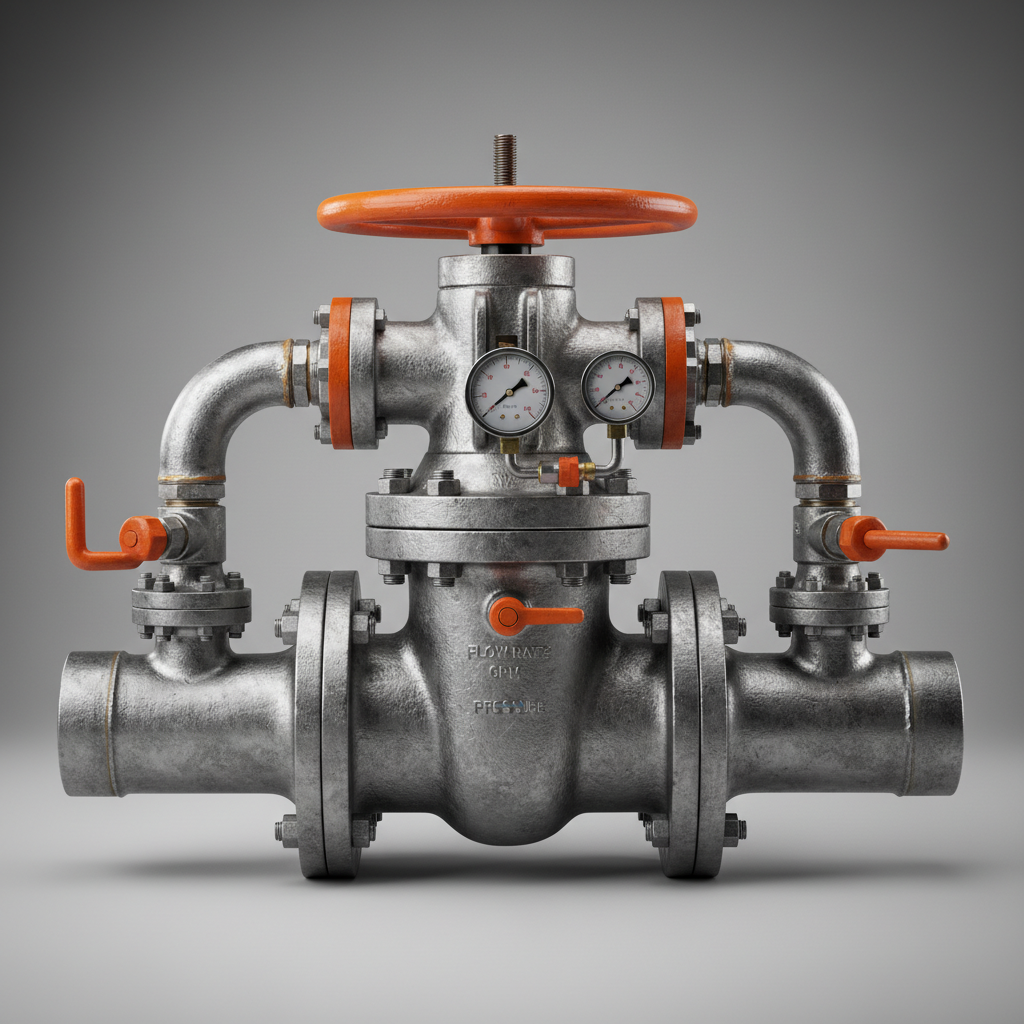
We're talking about valves, specifically. valve for sale is what keeps everything flowing, literally. It's not glamorous, no one gives them a second thought until they fail, but they're absolutely critical. And frankly, the quality varies wildly.

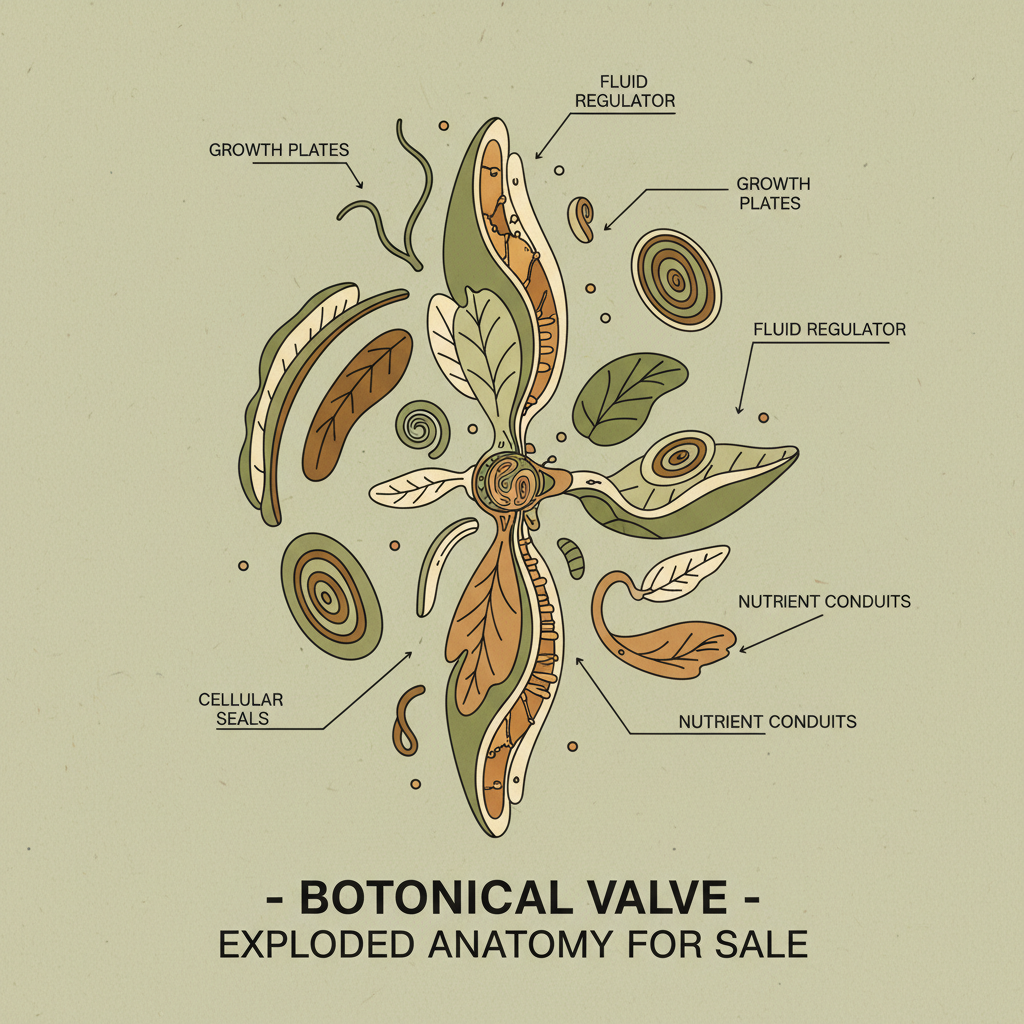
So, what’s driving the demand for better, more reliable valve for sale? It’s directly linked to this pre-fab boom. When you’re building modules in a controlled environment, you can’t afford a valve to leak and ruin an entire section. The cost of fixing it later is astronomical. It’s about minimizing risk and maximizing efficiency.
Strangely enough, the push for “green” building is also increasing the need for specialized valves. Rainwater harvesting, greywater recycling… all of that requires precise flow control and robust materials.
That depends massively on the application, honestly. A valve in a clean water system might last 20 years with minimal maintenance. But one handling corrosive chemicals? Maybe five. It really comes down to materials and regular inspection. And, let's be real, how well the guys install it in the first place. We always recommend a preventative maintenance schedule – checking for leaks, lubricating parts, and replacing seals. It's cheaper than a catastrophic failure.
Don’t just go for the cheapest option. Look for a supplier with a good reputation, solid technical support, and a willingness to work with you to find the right solution. Ask about their quality control processes. Do they test their valves? Can they provide certifications? And, importantly, can they deliver when you need them? Supply chain issues are a real headache these days.
Material selection is key, obviously. But even the best materials can corrode if exposed to the wrong environment. Regular inspection and maintenance are crucial. Consider using protective coatings, like epoxy or Teflon. And make sure the valve is properly grounded to prevent galvanic corrosion. It’s all about understanding the chemistry of the fluid and the materials involved.
A ball valve uses a rotating ball to control flow, it’s quick to operate and good for on/off service. A gate valve uses a gate that slides up and down to control flow, and is better for throttling. Ball valves are more common these days. Honestly, the gate valves are getting harder to find good ones of.
Absolutely. We get a lot of requests for custom valves. Different flange connections, special coatings, different materials… We can usually accommodate most requests, although it may add to the lead time and cost. It's worth the extra effort if it means getting the right valve for the job, that is the key.
The usual suspects: corrosion, erosion, cavitation, and improper installation. But a lot of failures are simply due to wear and tear. Valves have moving parts, and those parts eventually wear out. Regular maintenance can help prevent a lot of these failures. And make sure the guys aren’t using a pipe wrench to tighten everything!
Ultimately, pre-fabrication is changing the game, increasing the demand for reliable, high-quality valves. Understanding the materials, the installation process, and the specific application is crucial. It’s not just about meeting a spec sheet; it’s about building something that will last.
But ultimately, whether this thing works or not, the worker will know the moment he tightens the screw. He’ll feel it. He’ll know if it’s solid, if it’s going to hold, or if it’s going to leak. That's the truth of it. If you want to learn more about valve for sale options, visit our website.
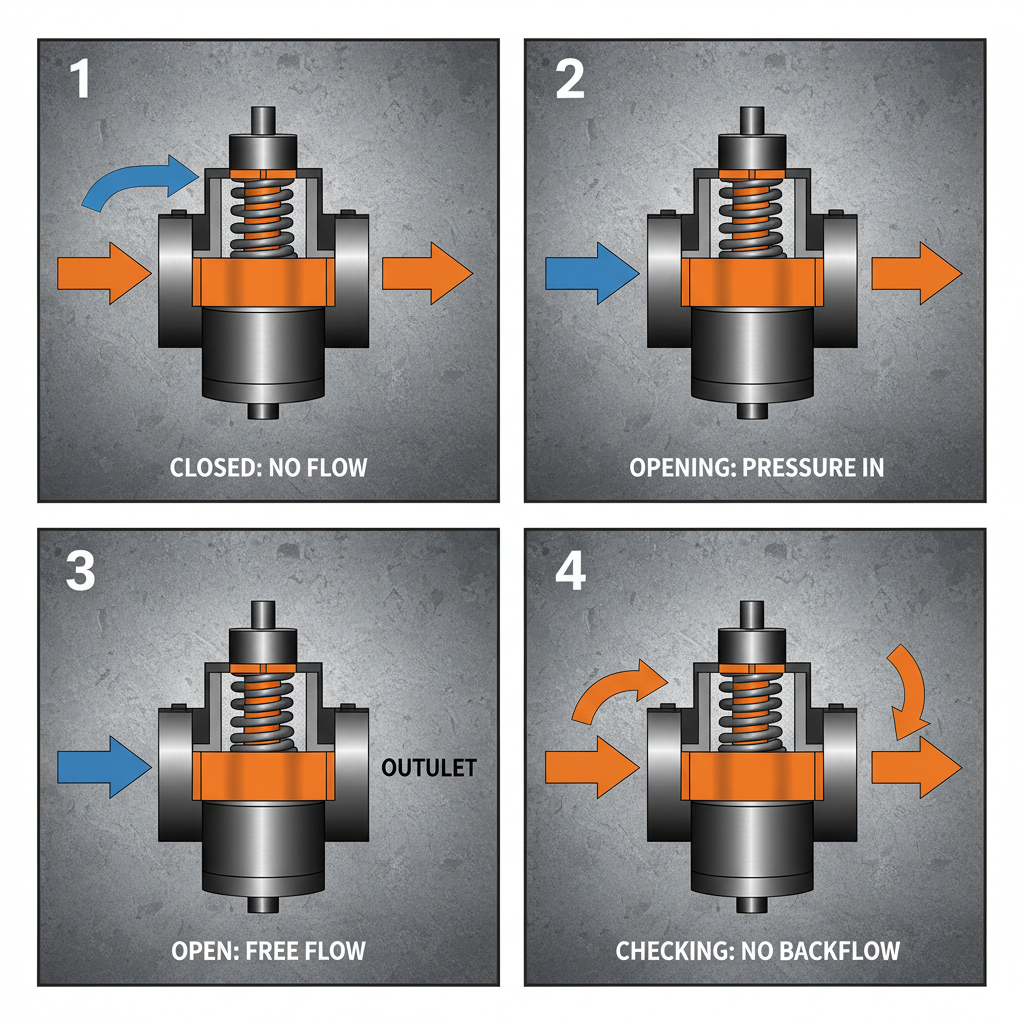
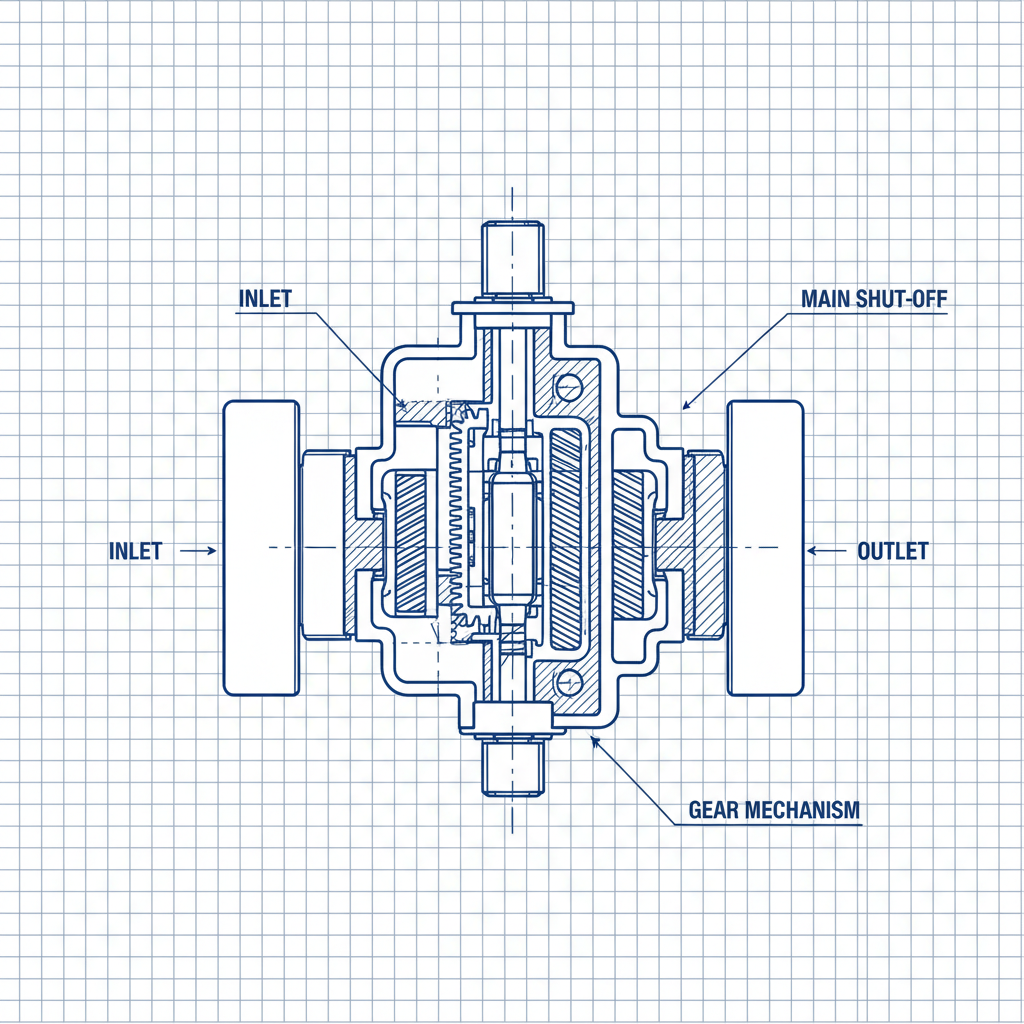
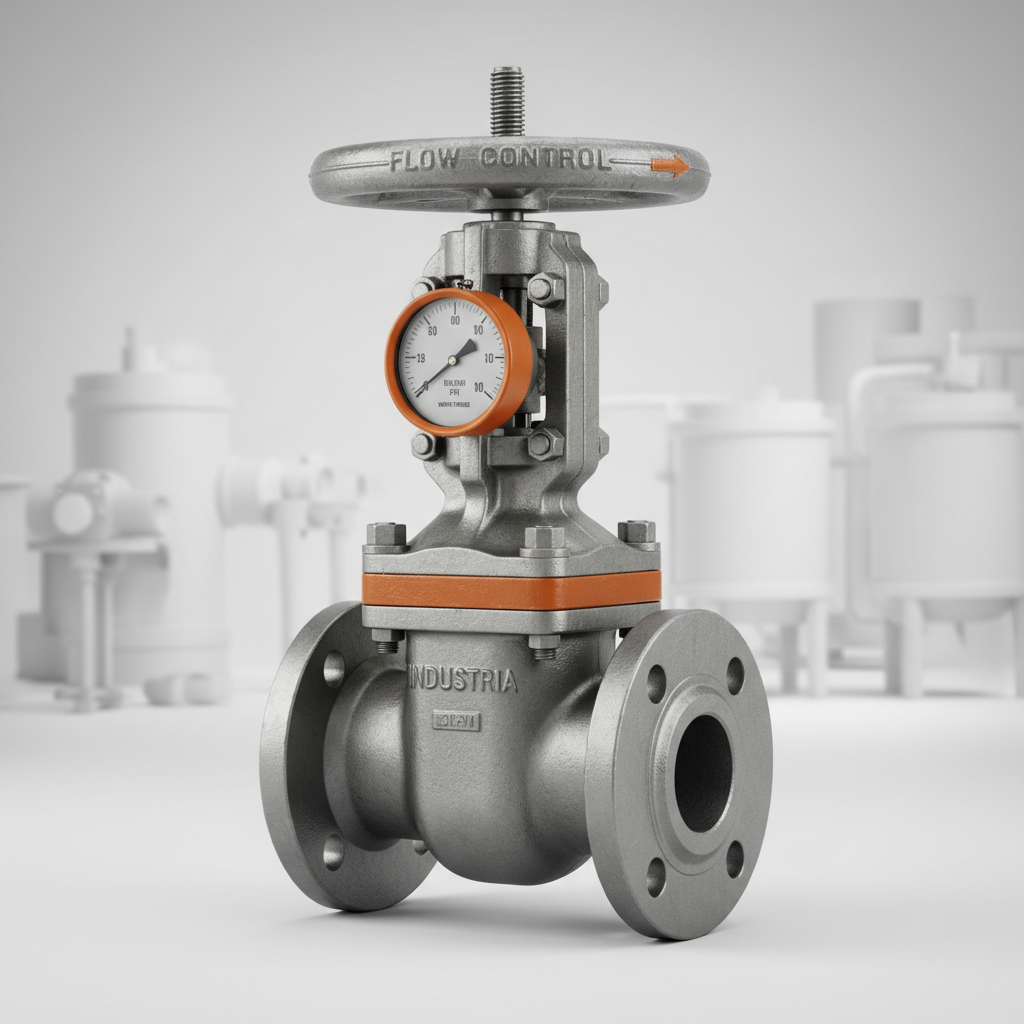

 Afrikaans
 Albanian
 Amharic
 Arabic
 Armenian
 Azerbaijani
 Basque
 Belarusian
 Bengali
 Bosnian
 Bulgarian
 Catalan
 Cebuano
 Corsican
 Croatian
 Czech
Czech
 Danish
 Dutch
Dutch
 Esperanto
 Estonian
 Finnish
 French
 Frisian
 Galician
 Georgian
 German
 Greek
Greek
 Gujarati
 Haitian Creole
 Hausa
Hausa
 Hawaiian
 Hebrew
 Hindi
Hindi
 Miao
Miao
 Hungarian
 Icelandic
 Igbo
Igbo
 Indonesian
 Irish
Irish
 Italian
 Japanese
 Javanese
 Kannada
 Kazakh
 Khmer
Khmer
 Rwandese
 Korean
 Kurdish
 Kyrgyz
 Lao
Lao
 Latin
Latin
 Latvian
 Lithuanian
 Luxembourgish
 Macedonian
 Malgashi
 Malay
Malay
 Malayalam
 Maltese
 Maori
Maori
 Marathi
 Mongolian
 Myanmar
 Nepali
 Norwegian
 Norwegian
 Occitan
 Pashto
 Persian
 Polish
 Portuguese
 Punjabi
 Romanian
 Russian
 Samoan
 Scottish Gaelic
 Serbian
 Sesotho
 Shona
Shona
 Sindhi
 Sinhala
 Slovak
 Slovenian
 Somali
 Spanish
 Sundanese
 Swahili
 Swedish
 Tagalog
 Tajik
Tajik
 Tamil
Tamil
 Tatar
Tatar
 Telugu
 Thai
Thai
 Turkish
 Turkmen
 Ukrainian
 Urdu
Urdu
 Uighur
 Uzbek
Uzbek
 Vietnamese
 Welsh
Welsh
 Bantu
Bantu
 Yiddish
 Yoruba
 Zulu
Zulu
 English