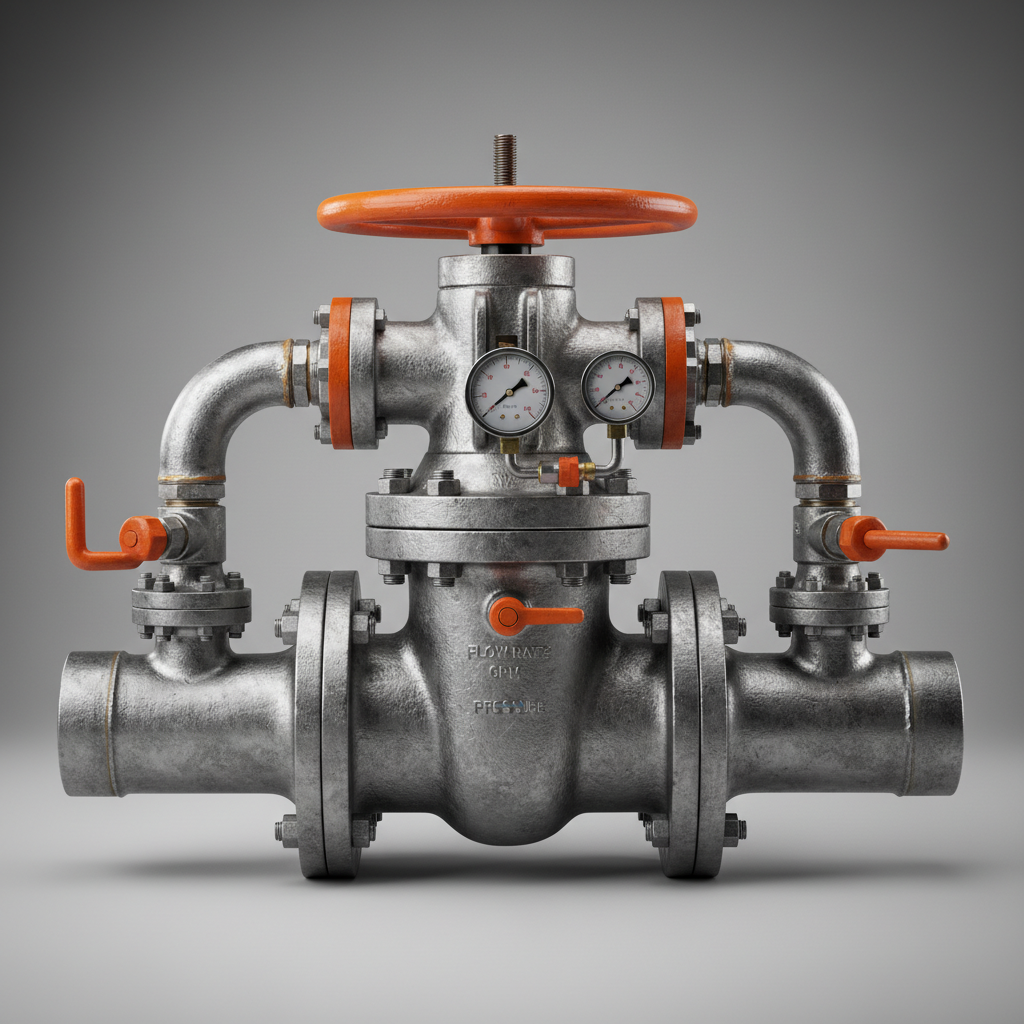
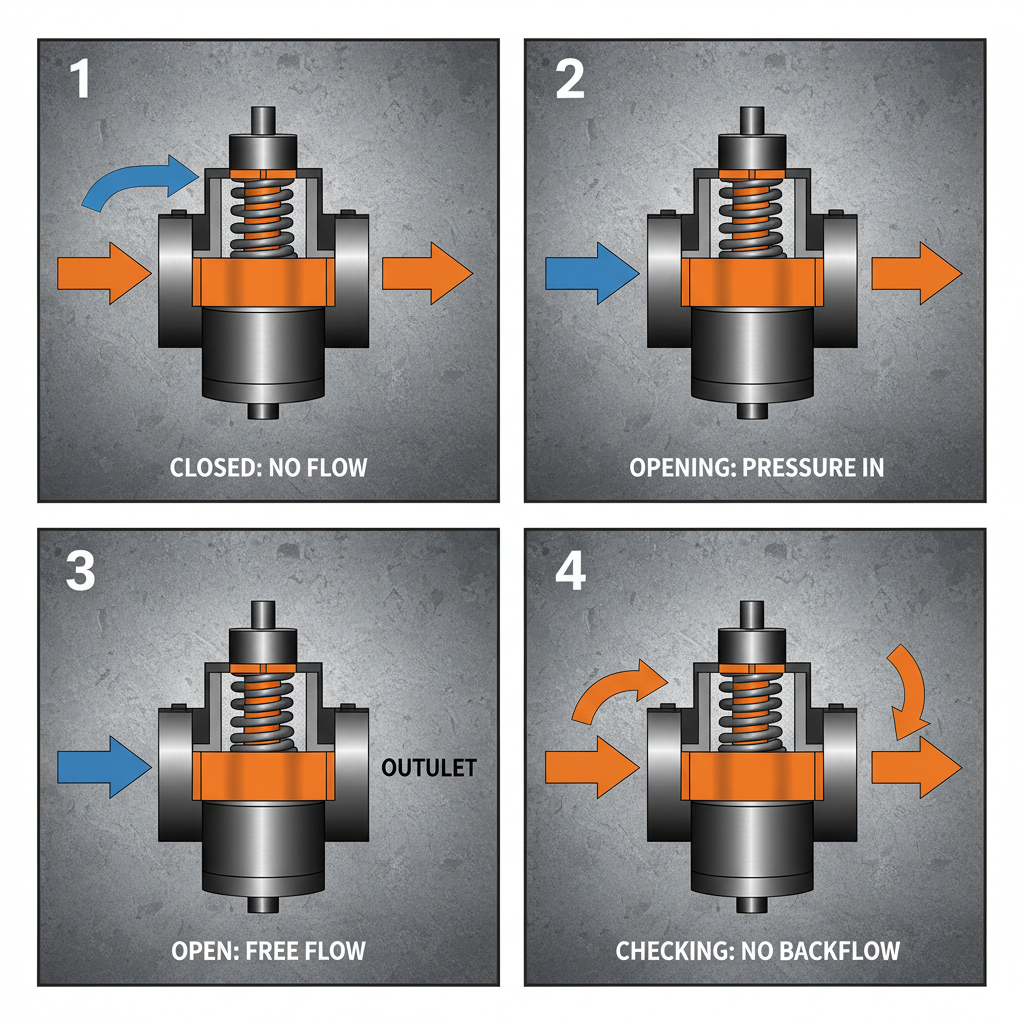
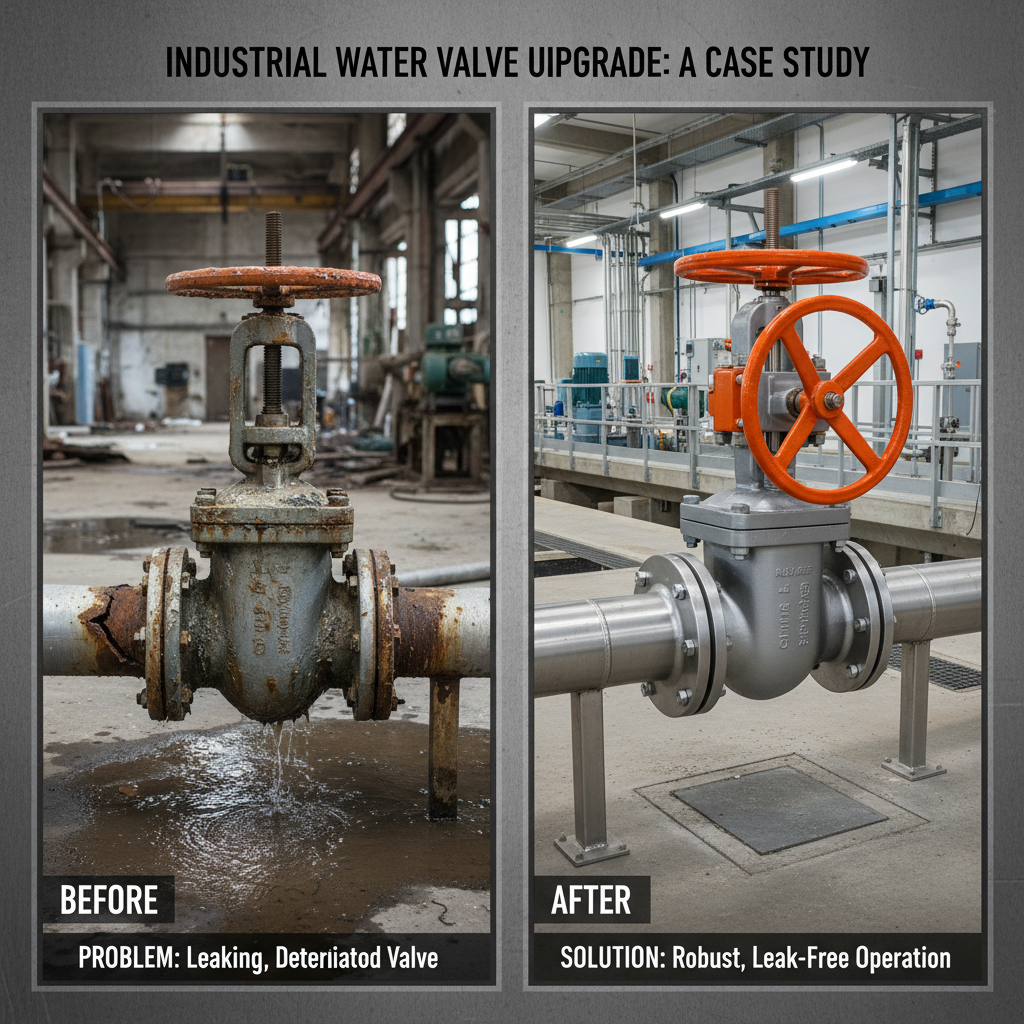
The reliable control of water flow is paramount in a multitude of applications, from industrial processes to residential safety. A water cut off valve is a critical component in ensuring this control, preventing damage, and maintaining operational efficiency. These valves are designed to automatically or manually stop the flow of water under specific conditions, safeguarding equipment, property, and even lives. Understanding the principles, applications, and future trends of water cut off valves is becoming increasingly important as water resources face growing pressures and infrastructure ages globally.
The global demand for effective water management solutions is driving innovation in valve technology. Factors like urbanization, climate change, and aging infrastructure contribute to the increasing need for robust and reliable water cut off valve systems. According to the UN, billions of people lack access to safely managed drinking water, and efficient water distribution and control are key to addressing this challenge. Furthermore, stringent regulatory standards, particularly in industrial settings, mandate the use of safety devices like these valves to mitigate risks.
The importance of these valves extends beyond simply preventing floods or equipment failures; they’re integral to maintaining continuous processes in manufacturing, protecting sensitive instrumentation, and enabling rapid response in emergency situations. As global water scarcity intensifies, the role of precise water control mechanisms like the water cut off valve will only become more critical.
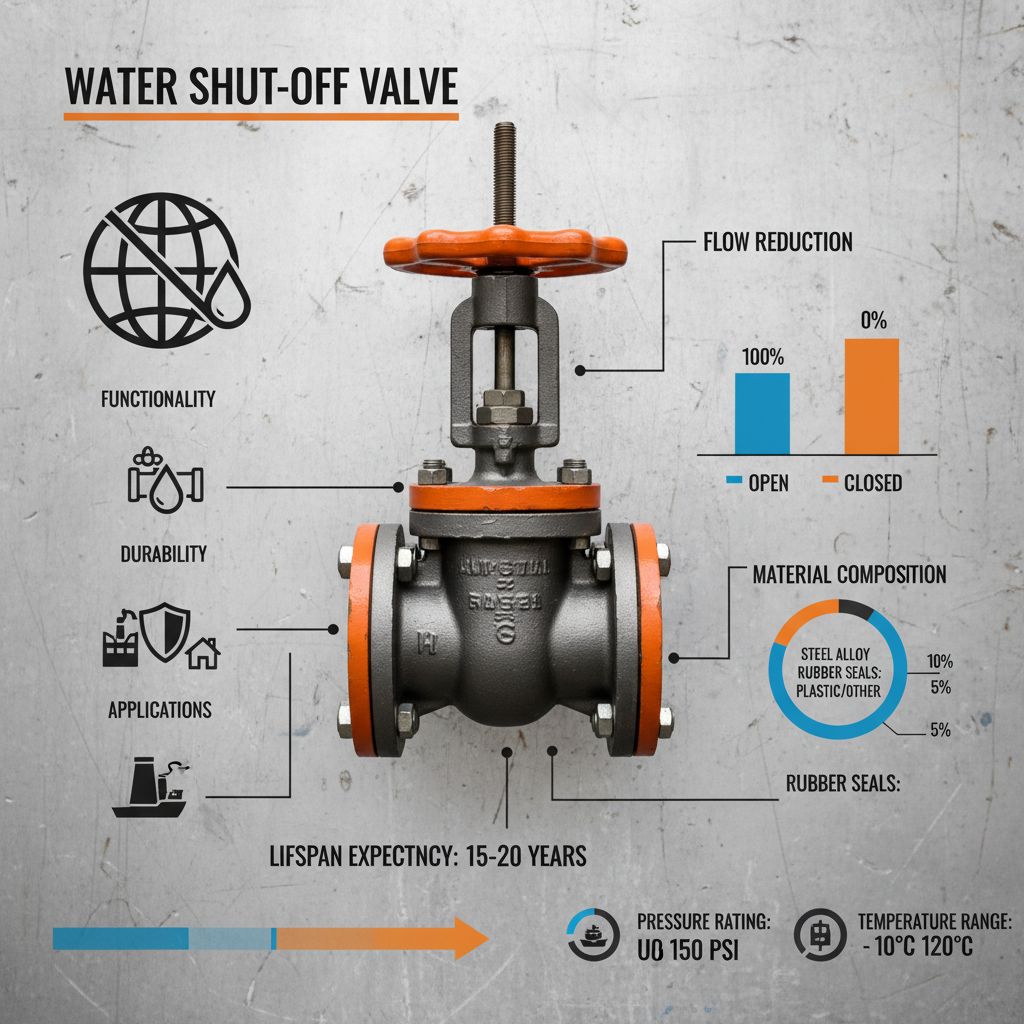
The need for reliable water control is universal. From municipal water supplies to intricate industrial cooling systems, the potential for damage and disruption caused by uncontrolled water flow is substantial. The increasing frequency of extreme weather events, coupled with aging infrastructure in many parts of the world, underscores the importance of preventative measures, with a robust water cut off valve being a key element.
Global water demand is projected to exceed supply by 40% by 2030 (UNESCO World Water Development Report). This impending crisis necessitates not only conservation efforts but also advanced control mechanisms to minimize waste and protect existing resources. Investment in modern valve technologies, including automated water cut off valve systems, is becoming a strategic priority for governments and industries worldwide.
Common materials include brass, stainless steel, and various polymers like PVC and polypropylene. Brass is frequently used for residential applications due to its affordability and corrosion resistance. Stainless steel is preferred in industrial settings for its durability and ability to withstand high pressures and temperatures. Polymers offer lightweight and cost-effective solutions for less demanding applications.
The frequency of inspection depends on the application and environmental conditions. Generally, valves in critical applications (like fire suppression) require monthly or quarterly inspections. Valves in less critical systems should be inspected annually. Maintenance includes checking for leaks, verifying proper operation, and lubricating moving parts as needed. Keeping a log of these inspections is good practice.
A manual valve requires human intervention to open or close the flow of water, typically using a handle or wheel. An automatic valve, such as a solenoid valve or float valve, operates independently based on pre-defined conditions – for example, a float valve shuts off water when a tank is full, or a solenoid valve is triggered by a pressure sensor. Automatic valves provide faster response times and reduce the need for constant monitoring.
Selecting the correct valve size is crucial for optimal performance. You need to consider the flow rate required for your system and the pipe diameter. Undersized valves can cause excessive pressure drop and restrict flow, while oversized valves may not provide accurate control. Consult with a plumbing professional or valve manufacturer to determine the appropriate size for your specific needs.
Yes, valves designed for potable water systems must meet stringent standards to ensure they do not leach harmful substances into the water supply. These valves are typically made from lead-free materials, such as dezincified brass or stainless steel, and are certified by organizations like NSF International. It’s important to verify that any valve used in a potable water system has the appropriate certifications.
A check valve allows water to flow in only one direction, preventing backflow. While a water cut off valve stops flow entirely, a check valve ensures water doesn't flow backwards when the system is shut down or experiences pressure fluctuations. They often work in conjunction; a check valve can protect a system from reverse contamination, while the cut off valve provides a complete shut off during maintenance or emergencies.
In conclusion, the water cut off valve is an indispensable component in modern water management systems. From ensuring operational safety and efficiency to safeguarding public health and conserving valuable resources, these valves play a critical role in a wide range of applications. Understanding their principles, applications, and future trends is paramount for professionals and individuals alike.
Looking ahead, continued innovation in valve technology, driven by the need for sustainability and automation, will further enhance their performance and reliability. Investing in high-quality water cut off valve systems is not merely a preventative measure; it’s a strategic investment in a more secure and sustainable future.

 Afrikaans
 Albanian
 Amharic
 Arabic
 Armenian
 Azerbaijani
 Basque
 Belarusian
 Bengali
 Bosnian
 Bulgarian
 Catalan
 Cebuano
 Corsican
 Croatian
 Czech
Czech
 Danish
 Dutch
Dutch
 Esperanto
 Estonian
 Finnish
 French
 Frisian
 Galician
 Georgian
 German
 Greek
Greek
 Gujarati
 Haitian Creole
 Hausa
Hausa
 Hawaiian
 Hebrew
 Hindi
Hindi
 Miao
Miao
 Hungarian
 Icelandic
 Igbo
Igbo
 Indonesian
 Irish
Irish
 Italian
 Japanese
 Javanese
 Kannada
 Kazakh
 Khmer
Khmer
 Rwandese
 Korean
 Kurdish
 Kyrgyz
 Lao
Lao
 Latin
Latin
 Latvian
 Lithuanian
 Luxembourgish
 Macedonian
 Malgashi
 Malay
Malay
 Malayalam
 Maltese
 Maori
Maori
 Marathi
 Mongolian
 Myanmar
 Nepali
 Norwegian
 Norwegian
 Occitan
 Pashto
 Persian
 Polish
 Portuguese
 Punjabi
 Romanian
 Russian
 Samoan
 Scottish Gaelic
 Serbian
 Sesotho
 Shona
Shona
 Sindhi
 Sinhala
 Slovak
 Slovenian
 Somali
 Spanish
 Sundanese
 Swahili
 Swedish
 Tagalog
 Tajik
Tajik
 Tamil
Tamil
 Tatar
Tatar
 Telugu
 Thai
Thai
 Turkish
 Turkmen
 Ukrainian
 Urdu
Urdu
 Uighur
 Uzbek
Uzbek
 Vietnamese
 Welsh
Welsh
 Bantu
Bantu
 Yiddish
 Yoruba
 Zulu
Zulu
 English