The reliable operation of any building, industrial facility, or even residential area hinges on a consistent and controlled water supply. Central to maintaining this supply is the main water shutoff valve, a critical component often overlooked until an emergency arises. Understanding its function, types, and proper maintenance is paramount for preventing costly damage, ensuring public safety, and safeguarding essential services. The importance of a functional main water shutoff valve extends beyond simply turning water on and off; it’s a vital element of infrastructure resilience.
Globally, water scarcity and aging infrastructure present significant challenges to water distribution networks. The United Nations estimates that billions of people face severe water stress, and these pressures are compounded by deteriorating pipelines and equipment. A readily accessible and properly functioning main water shutoff valve is a first line of defense against widespread disruption caused by leaks, bursts, or maintenance requirements. Investment in modern valve technology and preventative maintenance is therefore increasingly recognized as essential for sustainable water management.
The increasing frequency of extreme weather events, highlighted by the World Bank, further underscores the need for robust water infrastructure, including reliable main water shutoff valve systems. Preparedness is key, and knowing the location and operation of this crucial valve can mitigate potential disasters.
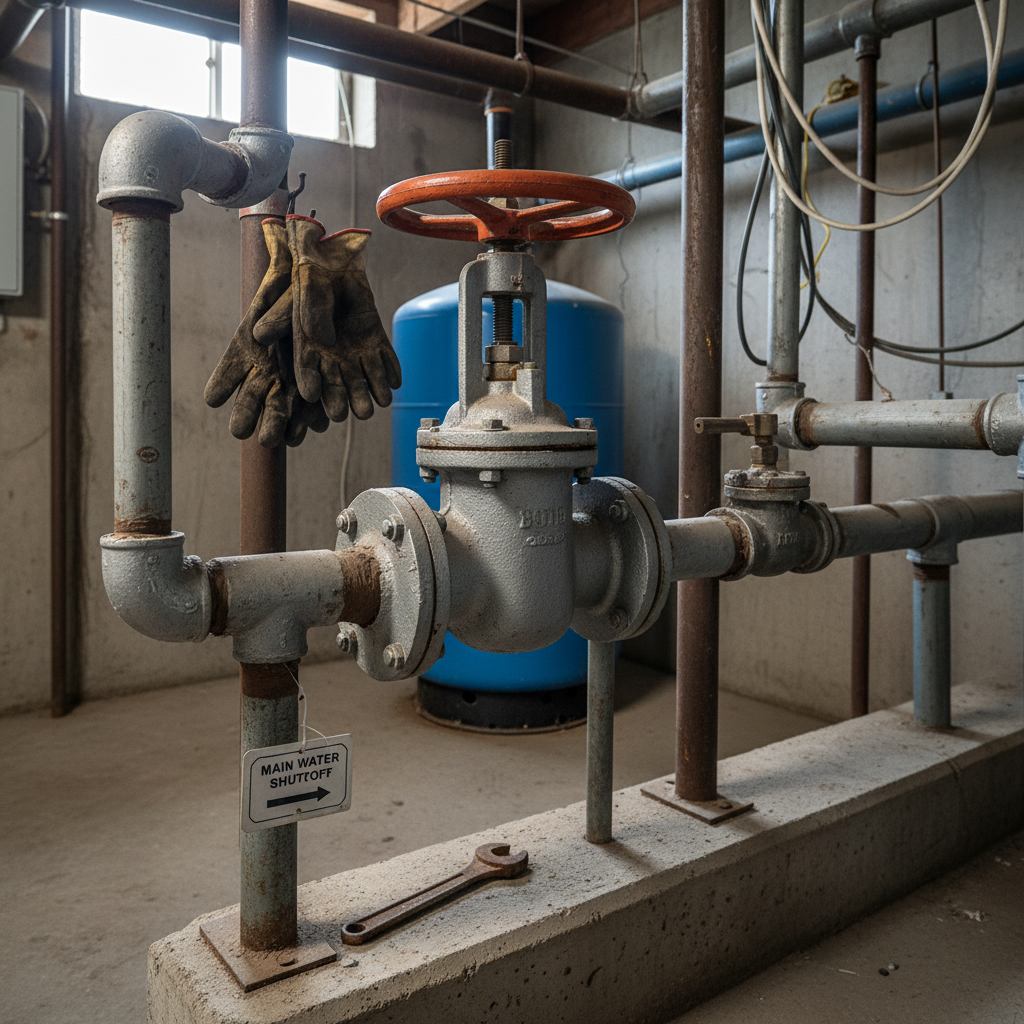
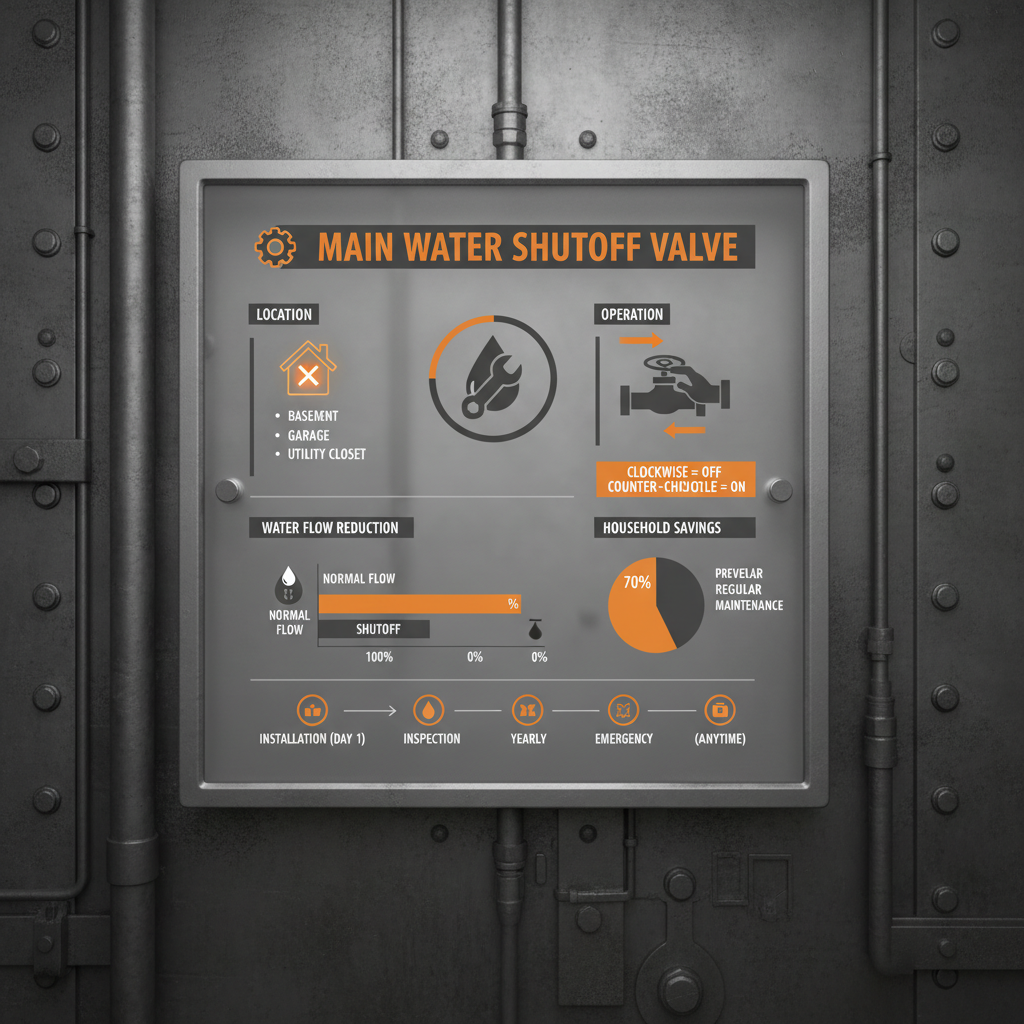
A main water shutoff valve is a valve installed on the primary water supply line entering a building or property. Its purpose is to control the flow of water, allowing for complete isolation in cases of emergency, repair, or routine maintenance. It's the master control for water access, distinguishing it from individual fixture shutoff valves.
In a modern context, the main water shutoff valve isn't simply a plumbing component; it's an integral part of building safety and operational efficiency. Modern valves are increasingly designed with features like remote operation and leak detection integration, contributing to proactive water management systems.
The main water shutoff valve should be installed immediately after the water meter, where the main water line enters your property. This ensures you can isolate all water flow to your building. It's crucial to ensure easy access for emergency situations. Local plumbing codes may dictate specific requirements, so consulting with a licensed plumber is always recommended. Proper placement and accessibility of the main water shutoff valve are essential for swift response during leaks or maintenance.
It's best practice to test your main water shutoff valve at least annually. This ensures it's functioning correctly and hasn't seized due to inactivity or corrosion. Simply turn off the valve and then turn it back on, checking for any leaks or resistance. Regular testing prevents a frustrating surprise during an actual emergency when you need the main water shutoff valve to work immediately.
The best type of main water shutoff valve depends on your plumbing system and personal preference. Ball valves are popular for their reliability and quick operation. Gate valves are suitable for infrequent use but require regular maintenance. Consider factors like ease of use, durability, and compatibility with existing pipes when making your decision. Consulting a plumber can help determine the ideal valve for your specific needs.
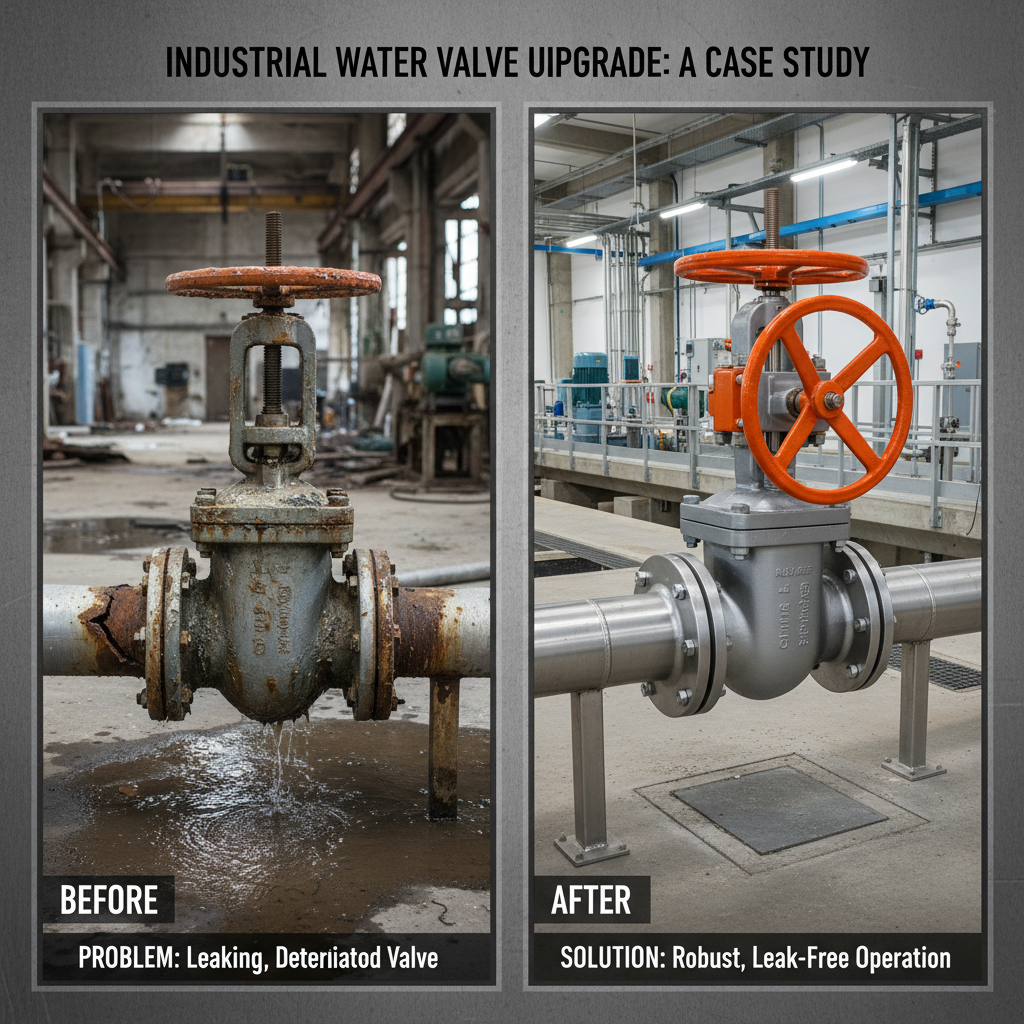
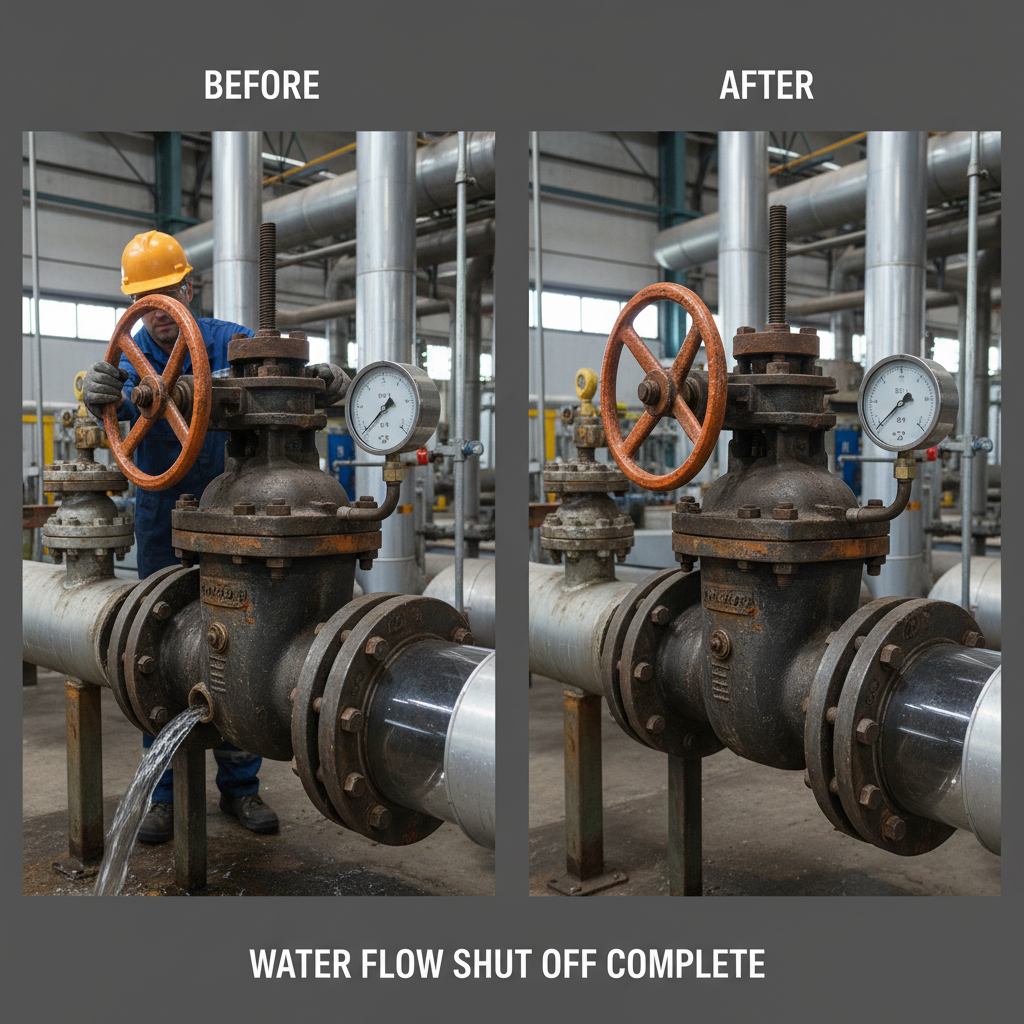
If your main water shutoff valve is leaking, immediately turn it off completely. Attempting to repair it yourself can be risky. Contact a qualified plumber to assess the damage and replace the valve if necessary. Ignoring a leak can lead to significant water damage and higher water bills. Prompt attention to a leaking main water shutoff valve is crucial to mitigate potential problems.
While some homeowners may be comfortable with basic plumbing, installing a main water shutoff valve is often best left to a licensed plumber. Improper installation can lead to leaks, damage to your plumbing system, and potentially void warranties. A plumber ensures the valve is correctly sized, installed according to local codes, and operates reliably.
In colder climates, protecting your main water shutoff valve from freezing is essential. Insulate the valve and the surrounding pipes with pipe insulation sleeves. In extreme conditions, consider adding heat tape or wrapping the valve with a heating cable. Preventing freezing ensures continued water access during winter months and avoids costly burst pipes.
In conclusion, the main water shutoff valve is a fundamentally important component of any water distribution system, from individual homes to large industrial complexes. Its proper selection, installation, and maintenance are critical for ensuring water safety, preventing damage, and promoting sustainable water management. Understanding its functionality and investing in a reliable valve is a proactive step towards protecting valuable resources and infrastructure.
Looking ahead, the integration of smart technology and predictive maintenance will further enhance the value of the main water shutoff valve. Embracing these advancements will contribute to more resilient and efficient water systems, safeguarding communities and supporting a sustainable future. Visit our website at www.strmachinery.com to learn more about our range of high-quality water shutoff valves and related plumbing solutions.

 Afrikaans
 Albanian
 Amharic
 Arabic
 Armenian
 Azerbaijani
 Basque
 Belarusian
 Bengali
 Bosnian
 Bulgarian
 Catalan
 Cebuano
 Corsican
 Croatian
 Czech
Czech
 Danish
 Dutch
Dutch
 Esperanto
 Estonian
 Finnish
 French
 Frisian
 Galician
 Georgian
 German
 Greek
Greek
 Gujarati
 Haitian Creole
 Hausa
Hausa
 Hawaiian
 Hebrew
 Hindi
Hindi
 Miao
Miao
 Hungarian
 Icelandic
 Igbo
Igbo
 Indonesian
 Irish
Irish
 Italian
 Japanese
 Javanese
 Kannada
 Kazakh
 Khmer
Khmer
 Rwandese
 Korean
 Kurdish
 Kyrgyz
 Lao
Lao
 Latin
Latin
 Latvian
 Lithuanian
 Luxembourgish
 Macedonian
 Malgashi
 Malay
Malay
 Malayalam
 Maltese
 Maori
Maori
 Marathi
 Mongolian
 Myanmar
 Nepali
 Norwegian
 Norwegian
 Occitan
 Pashto
 Persian
 Polish
 Portuguese
 Punjabi
 Romanian
 Russian
 Samoan
 Scottish Gaelic
 Serbian
 Sesotho
 Shona
Shona
 Sindhi
 Sinhala
 Slovak
 Slovenian
 Somali
 Spanish
 Sundanese
 Swahili
 Swedish
 Tagalog
 Tajik
Tajik
 Tamil
Tamil
 Tatar
Tatar
 Telugu
 Thai
Thai
 Turkish
 Turkmen
 Ukrainian
 Urdu
Urdu
 Uighur
 Uzbek
Uzbek
 Vietnamese
 Welsh
Welsh
 Bantu
Bantu
 Yiddish
 Yoruba
 Zulu
Zulu
 English