Look, I’ve been running around construction sites for, well, longer than I care to admit. Been wrestling with materials, chatting with engineers who think they know everything (they usually don’t, by the way), and frankly, just trying to keep things from falling apart. Lately, everyone’s screaming about prefabrication, modular builds, and smart materials. It’s a whirlwind, honestly. To be honest, it's not new new, we were talking about this stuff ten years ago, but now the price of steel is making people actually listen.
What’s really interesting is how people still stumble over the same design flaws. They design something beautiful on a computer, totally forgetting about the poor guy who actually has to assemble it in the pouring rain. I encountered this at a factory in Jiangsu last time – a beautiful, complex connector that took three guys and a hydraulic press to get properly seated. Strangely, simplicity is underrated.
And then there's the material side. We’re seeing more and more fiber-reinforced polymers, which are great, light, strong... but smell awful when you cut them. Seriously, like burning plastic and old gym socks. You get used to it, I guess. We also use a lot of high-grade aluminum alloys – 6061-T6 is a workhorse, feels solid in your hand, doesn’t corrode easily. But it scratches so easily. And you wouldn’t believe the different grades of stainless steel…304 is standard, but 316 is a must if you’re near saltwater. It’s the little details, right?

The biggest trend, hands down, is everything going smart. Everyone wants sensors, remote monitoring, the whole nine yards. Which is great, in theory. But have you noticed that half the time, those sensors fail after six months because someone didn’t properly seal them? It's a constant battle between innovation and basic quality control. We're seeing a big push towards more sustainable materials too, which is good. Not just because it's the right thing to do, but because clients are starting to demand it.
And the demand for efficiency… speed, speed, speed. Everyone wants things done yesterday. That’s why prefabrication is booming. But it means everything has to be absolutely precise. No room for error. Which, let’s be real, rarely happens on a construction site.
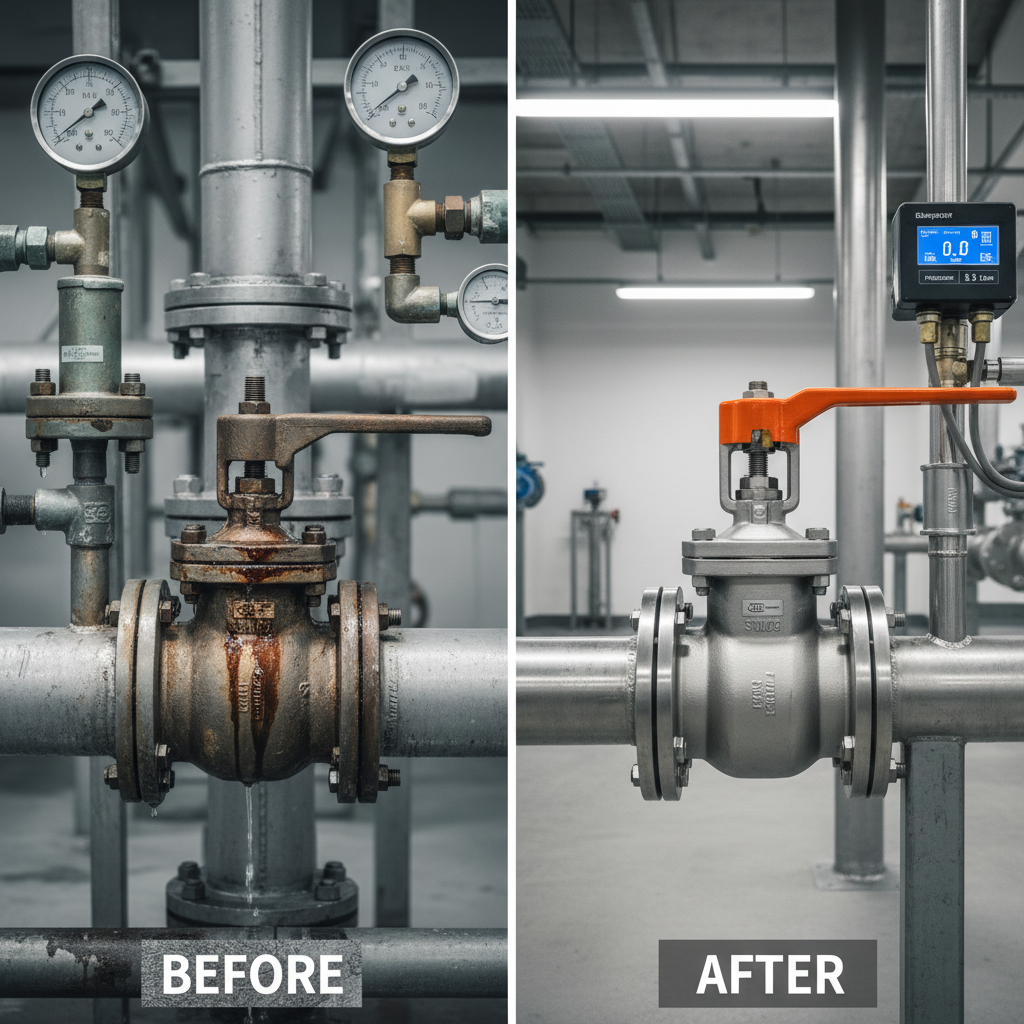
Honestly, it’s usually the seals. They degrade over time, especially if exposed to harsh chemicals or extreme temperatures. We've also seen issues with connectors corroding, and actuators failing due to excessive wear and tear. It’s a constant battle, but proper maintenance can extend their lifespan significantly.
Depends on the complexity of the design. Some are relatively simple to repair with a basic toolkit, while others require specialized equipment and trained technicians. We always recommend keeping a stock of spare parts on hand, just in case. And, of course, proper training is essential.
It varies greatly, depending on the environment and the level of maintenance. But, realistically, you can expect anywhere from 5 to 15 years. Coastal environments are particularly challenging, due to the corrosive effects of saltwater. Regular inspections and preventative maintenance are crucial.
Definitely. Graphene is showing a lot of promise, due to its incredible strength and corrosion resistance. Self-healing polymers are another exciting area of research. And we're also looking at bio-based materials as a more sustainable alternative to traditional plastics.
Customization adds time, no way around it. Simple modifications might only add a week or two, but more complex changes can take several weeks or even months. It depends on the availability of materials and the workload at the factory. Planning ahead is key.
We offer a standard one-year warranty against defects in materials and workmanship. However, the warranty doesn’t cover damage caused by misuse, abuse, or improper installation. We also offer extended warranties for certain applications. It all depends on the specific product and the client's needs.
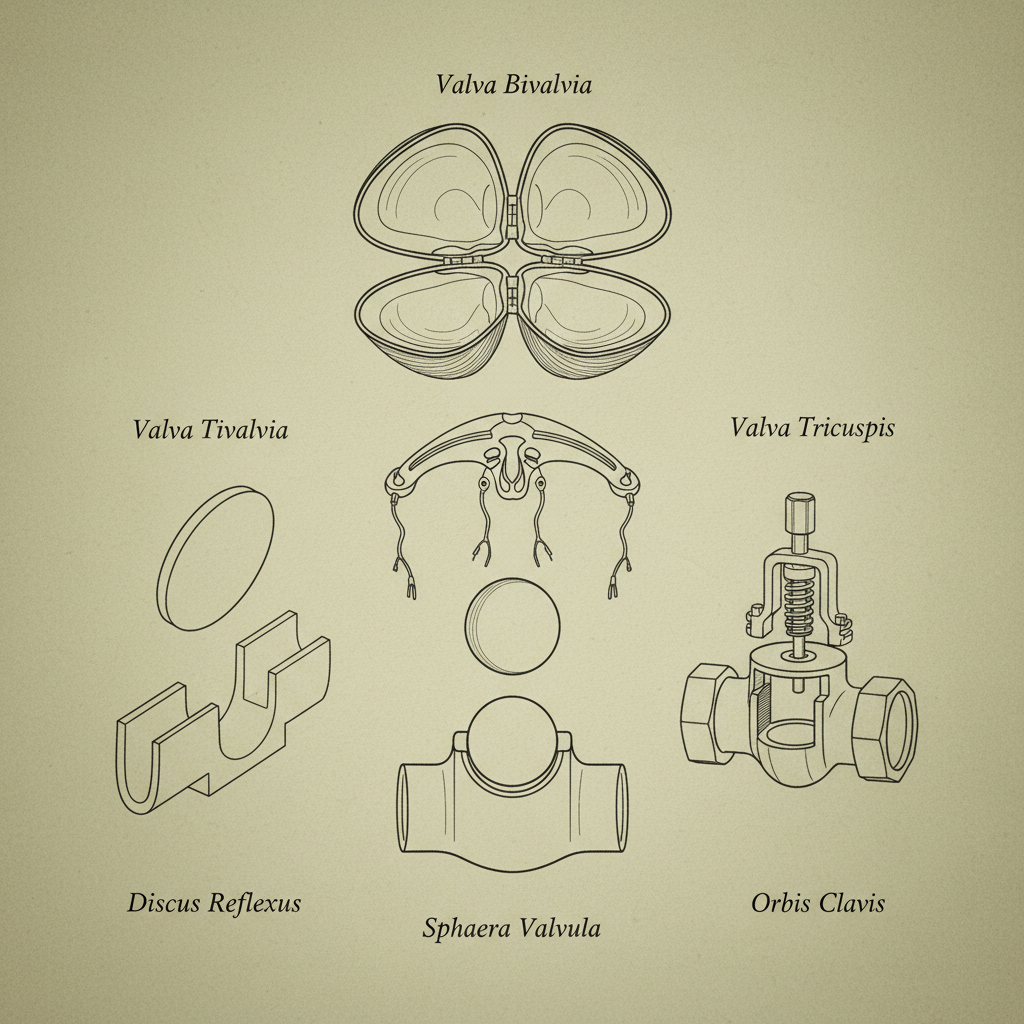
Ultimately, all this fancy technology, the materials science, the clever designs... it all comes down to one thing: whether it holds up in the field. It’s about reliability, durability, and ease of use. We can build the most sophisticated valve types in the world, but if the guy on the ground can’t install it, maintain it, and trust it, it’s all for nothing.
The future is about smarter designs, more sustainable materials, and a greater focus on user experience. It's also about listening to the people who are actually using these things. Because ultimately, whether this thing works or not, the worker will know the moment he tightens the screw.

 Afrikaans
 Albanian
 Amharic
 Arabic
 Armenian
 Azerbaijani
 Basque
 Belarusian
 Bengali
 Bosnian
 Bulgarian
 Catalan
 Cebuano
 Corsican
 Croatian
 Czech
Czech
 Danish
 Dutch
Dutch
 Esperanto
 Estonian
 Finnish
 French
 Frisian
 Galician
 Georgian
 German
 Greek
Greek
 Gujarati
 Haitian Creole
 Hausa
Hausa
 Hawaiian
 Hebrew
 Hindi
Hindi
 Miao
Miao
 Hungarian
 Icelandic
 Igbo
Igbo
 Indonesian
 Irish
Irish
 Italian
 Japanese
 Javanese
 Kannada
 Kazakh
 Khmer
Khmer
 Rwandese
 Korean
 Kurdish
 Kyrgyz
 Lao
Lao
 Latin
Latin
 Latvian
 Lithuanian
 Luxembourgish
 Macedonian
 Malgashi
 Malay
Malay
 Malayalam
 Maltese
 Maori
Maori
 Marathi
 Mongolian
 Myanmar
 Nepali
 Norwegian
 Norwegian
 Occitan
 Pashto
 Persian
 Polish
 Portuguese
 Punjabi
 Romanian
 Russian
 Samoan
 Scottish Gaelic
 Serbian
 Sesotho
 Shona
Shona
 Sindhi
 Sinhala
 Slovak
 Slovenian
 Somali
 Spanish
 Sundanese
 Swahili
 Swedish
 Tagalog
 Tajik
Tajik
 Tamil
Tamil
 Tatar
Tatar
 Telugu
 Thai
Thai
 Turkish
 Turkmen
 Ukrainian
 Urdu
Urdu
 Uighur
 Uzbek
Uzbek
 Vietnamese
 Welsh
Welsh
 Bantu
Bantu
 Yiddish
 Yoruba
 Zulu
Zulu
 English