The importance of a functional and reliable main water valve in house cannot be overstated. It’s the first line of defense against water damage, a silent guardian protecting homes and businesses from costly repairs and the disruption of daily life. From preventing minor leaks to mitigating the impact of burst pipes, a properly functioning valve is crucial for maintaining property value and ensuring peace of mind. Understanding the intricacies of a main water valve, its components, and best practices for maintenance is increasingly important in a world facing more frequent and severe weather events.
Globally, water infrastructure is aging, and the risk of water-related emergencies is rising. The UN estimates that billions of people lack access to safely managed drinking water, and water scarcity is becoming a critical issue in many regions. A reliable main water valve in house, while a small component, plays a vital role in responsible water management, minimizing waste and allowing for rapid response during emergencies. Proper valve operation contributes to the overall sustainability of water resources, a challenge highlighted by the World Bank's focus on water security.
The challenge of aging infrastructure and increasing climate variability demands proactive solutions. This is where understanding the role of the main water valve in house becomes essential. It's not merely a plumbing fixture, but a critical element of home safety and resource management. Ignoring this vital component can lead to significant financial and emotional distress for homeowners and businesses alike.
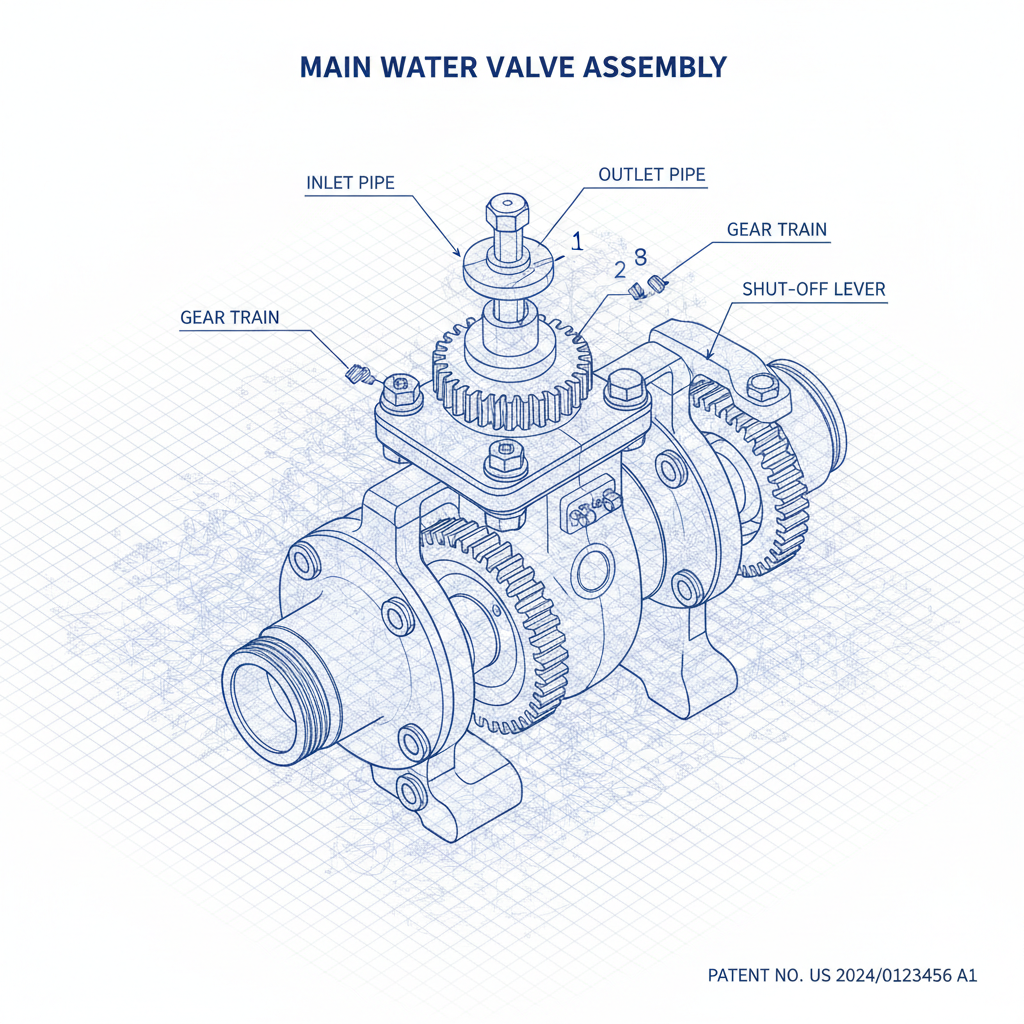
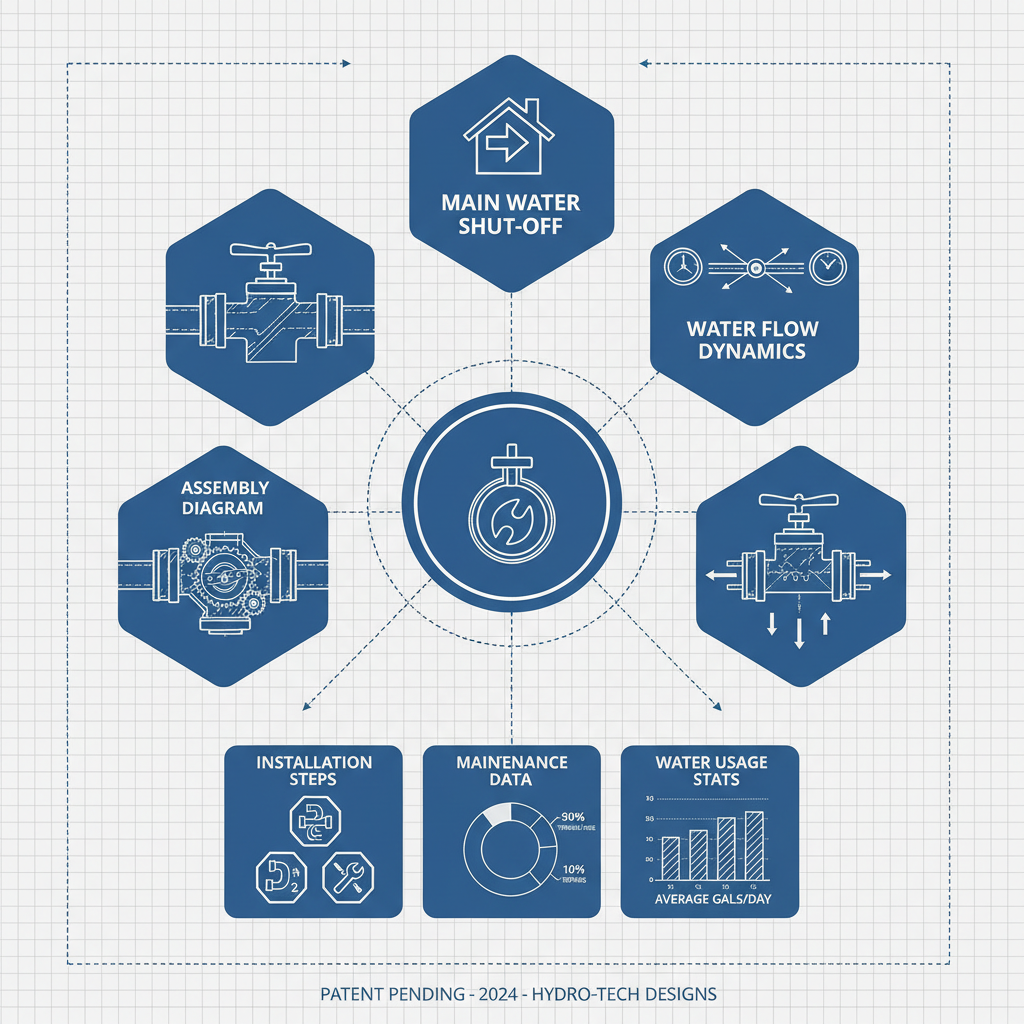
The main water valve in house serves as the central control point for water flow into a building. Its primary function is to allow for the complete shut-off of water supply, enabling repairs, preventing water damage during emergencies, and facilitating routine maintenance. Understanding its location and proper operation is paramount for any homeowner or building manager.
The valve’s performance directly impacts the integrity of a property. A faulty valve can lead to undetected leaks, resulting in significant structural damage and mold growth. Regularly checking and maintaining the main water valve isn’t just preventative care; it’s a vital component of responsible property management.
The main water valve is usually found where the water line enters your home. Common locations include the basement, crawl space, utility room, or near the water meter. It’s often close to the foundation wall and may be labeled. Knowing its location before an emergency is vital for quickly shutting off the water supply and minimizing damage.
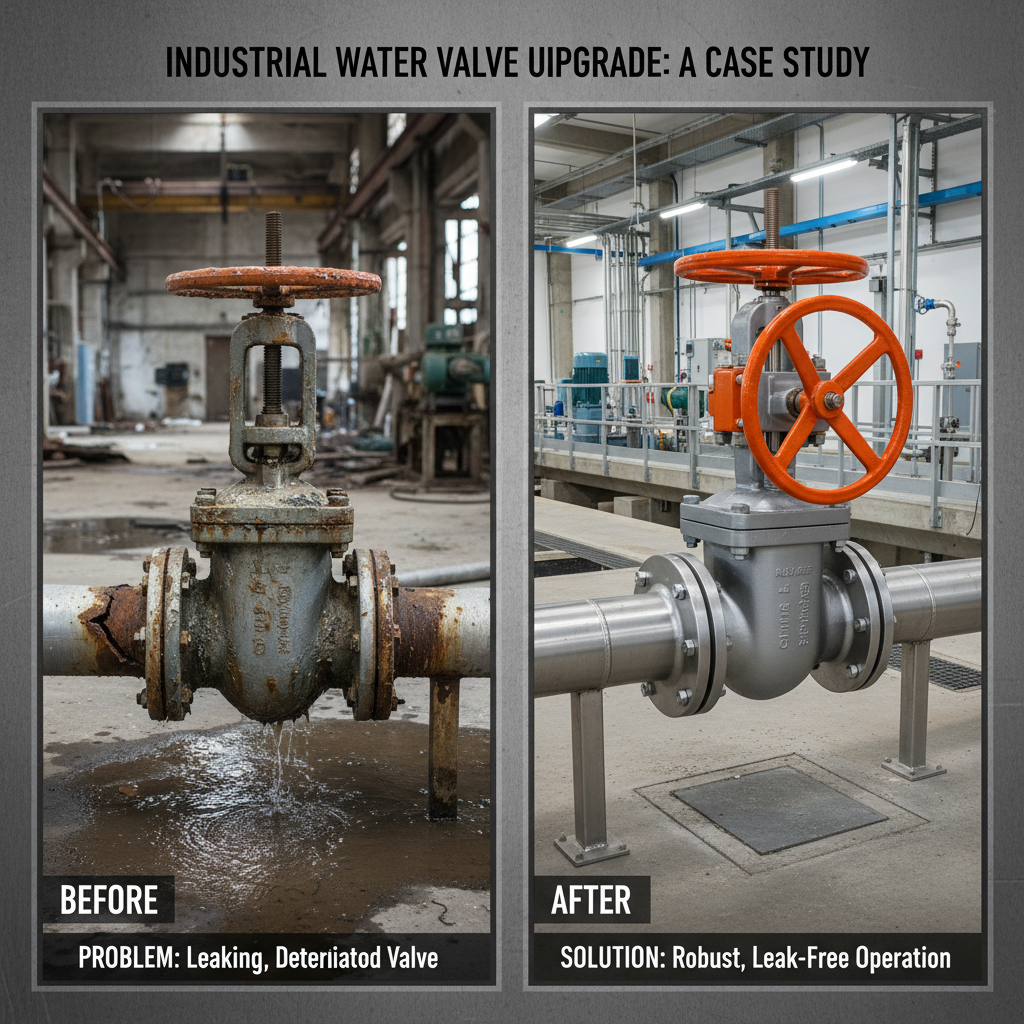
It's recommended to inspect your main water valve at least once a year. Check for any signs of corrosion, leaks, or difficulty in operation. Attempt to turn the valve off and on to ensure it's not seized. If you notice any issues, it's best to call a plumber for professional assessment and repair.
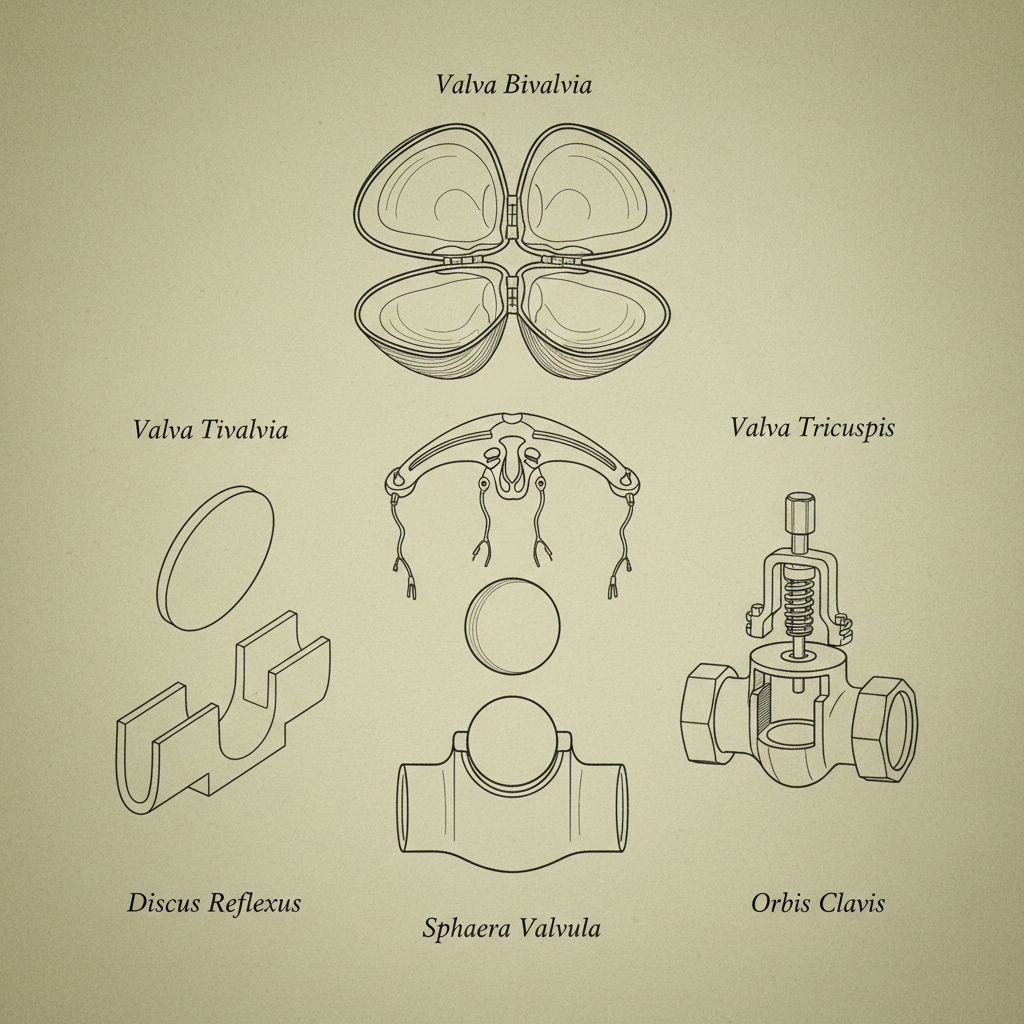
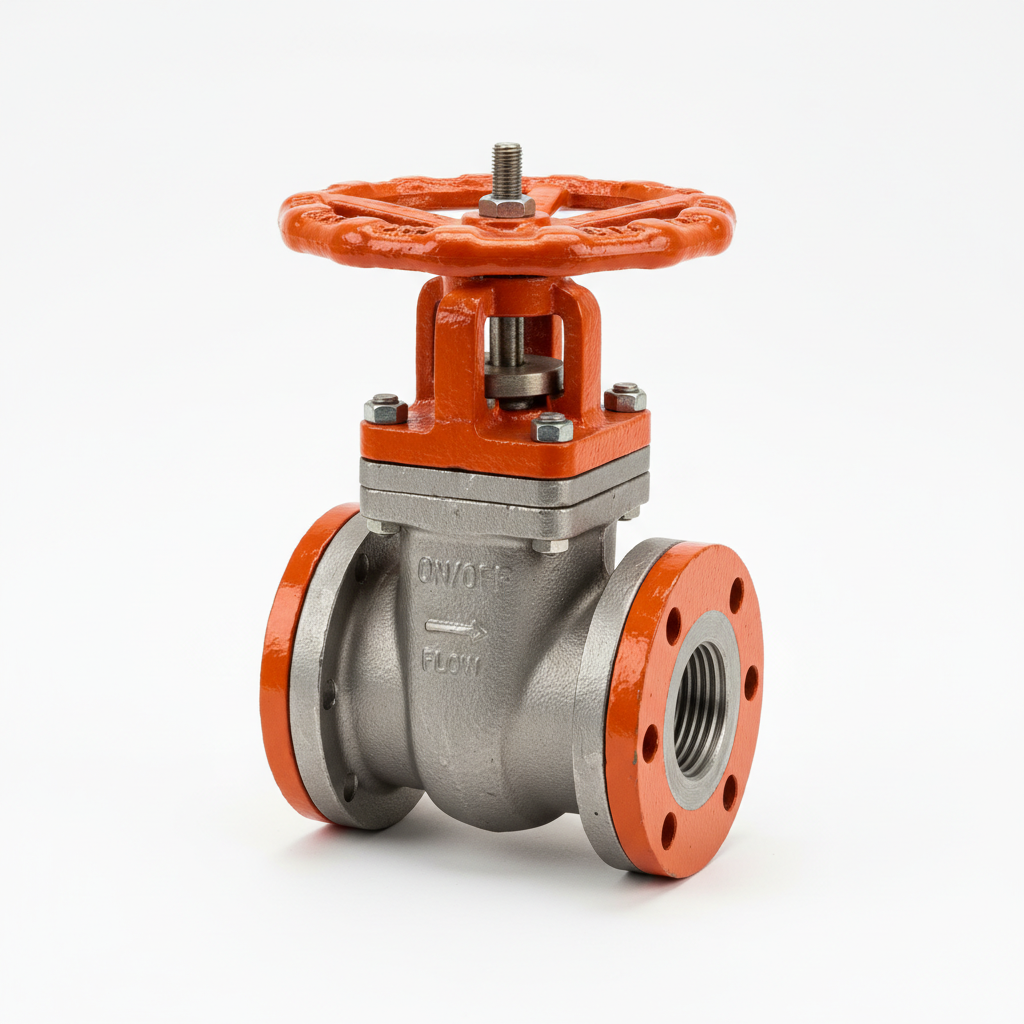
Ball valves are generally considered the most reliable and easiest to operate type of main water valve in house. They require less force to turn and provide a more complete shut-off. Gate valves are older and can become difficult to operate over time. Smart valves offer automated leak detection and shut-off, providing an extra layer of protection.
If your main water valve is stuck, do not force it, as this could cause it to break. First, try applying penetrating oil to the valve stem. If that doesn’t work, contact a qualified plumber immediately. Attempting to repair a stuck valve yourself could lead to further damage and potential flooding.
While a properly functioning main water valve in house significantly reduces the risk of extensive water damage, it doesn’t guarantee complete prevention. It's a crucial component of a comprehensive water safety plan, which should also include leak detection systems and regular plumbing inspections. Address minor leaks promptly to prevent them from escalating.
Yes, proactive replacement is often recommended, especially for older valves. Even if it’s currently functioning, a valve’s components can degrade over time, increasing the risk of failure. Consider replacing it during a major plumbing renovation or if it's over 20 years old. This preventative measure can save you significant costs and stress in the long run.
The main water valve in house is a deceptively simple yet critically important component of any building. From preventing costly water damage to ensuring responsible water management, its role is multifaceted and essential. Understanding its function, location, and proper maintenance is a fundamental aspect of responsible homeownership and property management. Investing in a reliable valve and prioritizing regular inspections is a small price to pay for the peace of mind and financial security it provides.
Looking ahead, the integration of smart technologies and a growing emphasis on water conservation will further elevate the importance of advanced main water valve in house systems. By embracing these innovations and promoting greater awareness among homeowners, we can collectively build more resilient and sustainable communities. Visit our website at www.strmachinery.com to learn more.

 Afrikaans
 Albanian
 Amharic
 Arabic
 Armenian
 Azerbaijani
 Basque
 Belarusian
 Bengali
 Bosnian
 Bulgarian
 Catalan
 Cebuano
 Corsican
 Croatian
 Czech
Czech
 Danish
 Dutch
Dutch
 Esperanto
 Estonian
 Finnish
 French
 Frisian
 Galician
 Georgian
 German
 Greek
Greek
 Gujarati
 Haitian Creole
 Hausa
Hausa
 Hawaiian
 Hebrew
 Hindi
Hindi
 Miao
Miao
 Hungarian
 Icelandic
 Igbo
Igbo
 Indonesian
 Irish
Irish
 Italian
 Japanese
 Javanese
 Kannada
 Kazakh
 Khmer
Khmer
 Rwandese
 Korean
 Kurdish
 Kyrgyz
 Lao
Lao
 Latin
Latin
 Latvian
 Lithuanian
 Luxembourgish
 Macedonian
 Malgashi
 Malay
Malay
 Malayalam
 Maltese
 Maori
Maori
 Marathi
 Mongolian
 Myanmar
 Nepali
 Norwegian
 Norwegian
 Occitan
 Pashto
 Persian
 Polish
 Portuguese
 Punjabi
 Romanian
 Russian
 Samoan
 Scottish Gaelic
 Serbian
 Sesotho
 Shona
Shona
 Sindhi
 Sinhala
 Slovak
 Slovenian
 Somali
 Spanish
 Sundanese
 Swahili
 Swedish
 Tagalog
 Tajik
Tajik
 Tamil
Tamil
 Tatar
Tatar
 Telugu
 Thai
Thai
 Turkish
 Turkmen
 Ukrainian
 Urdu
Urdu
 Uighur
 Uzbek
Uzbek
 Vietnamese
 Welsh
Welsh
 Bantu
Bantu
 Yiddish
 Yoruba
 Zulu
Zulu
 English