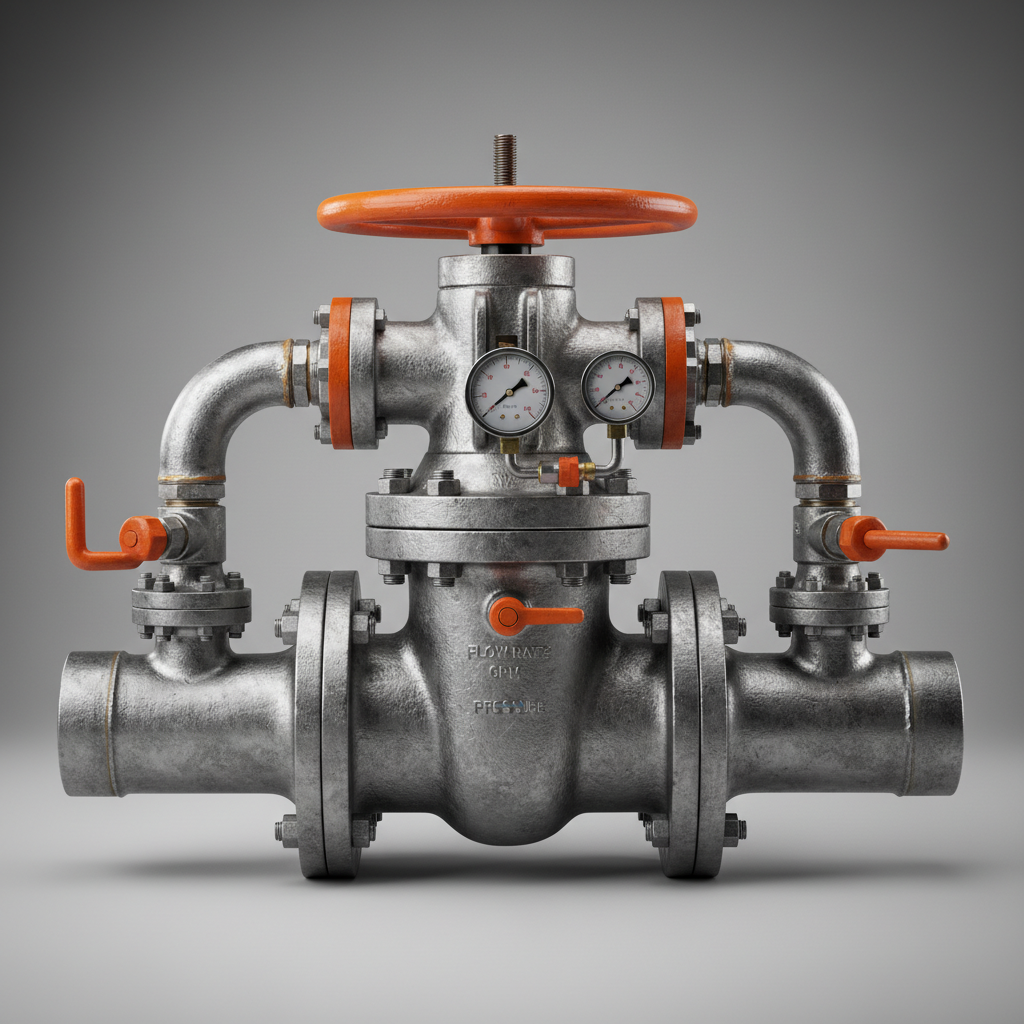
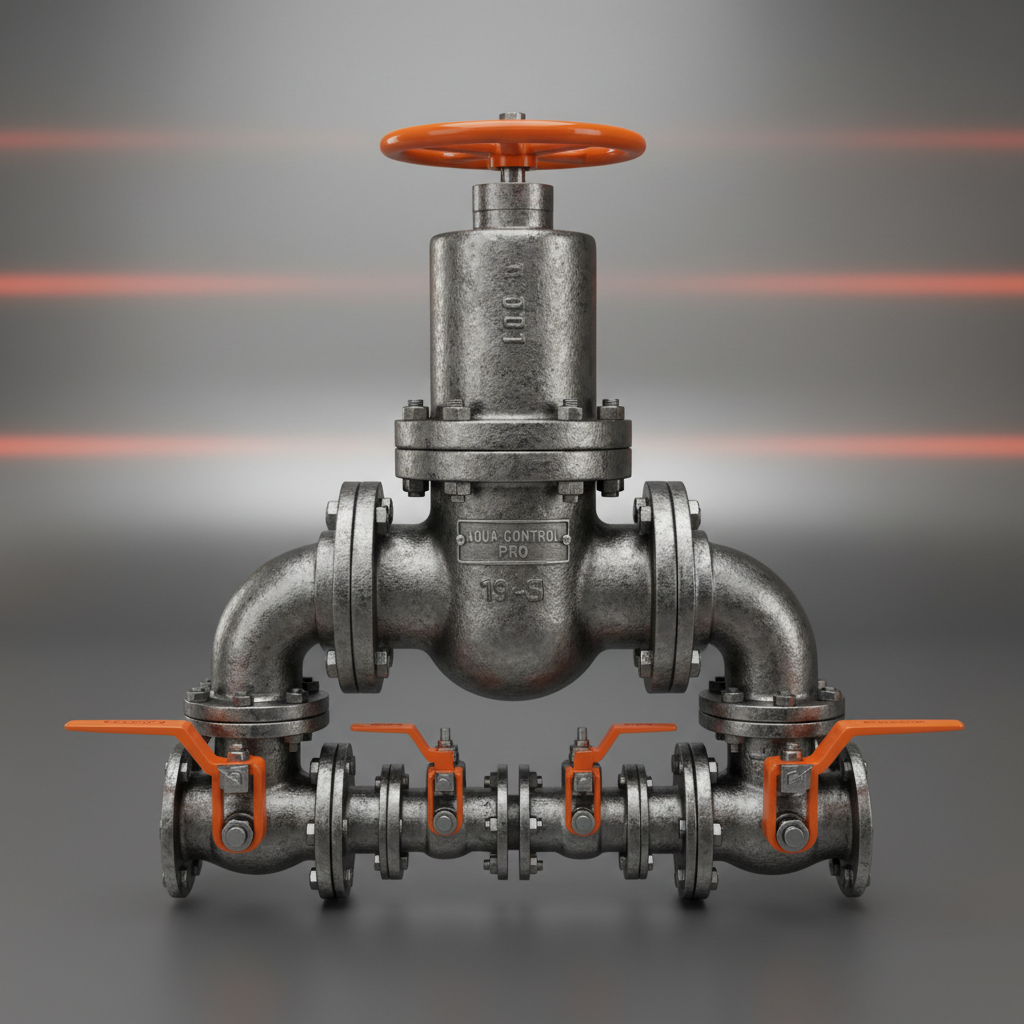
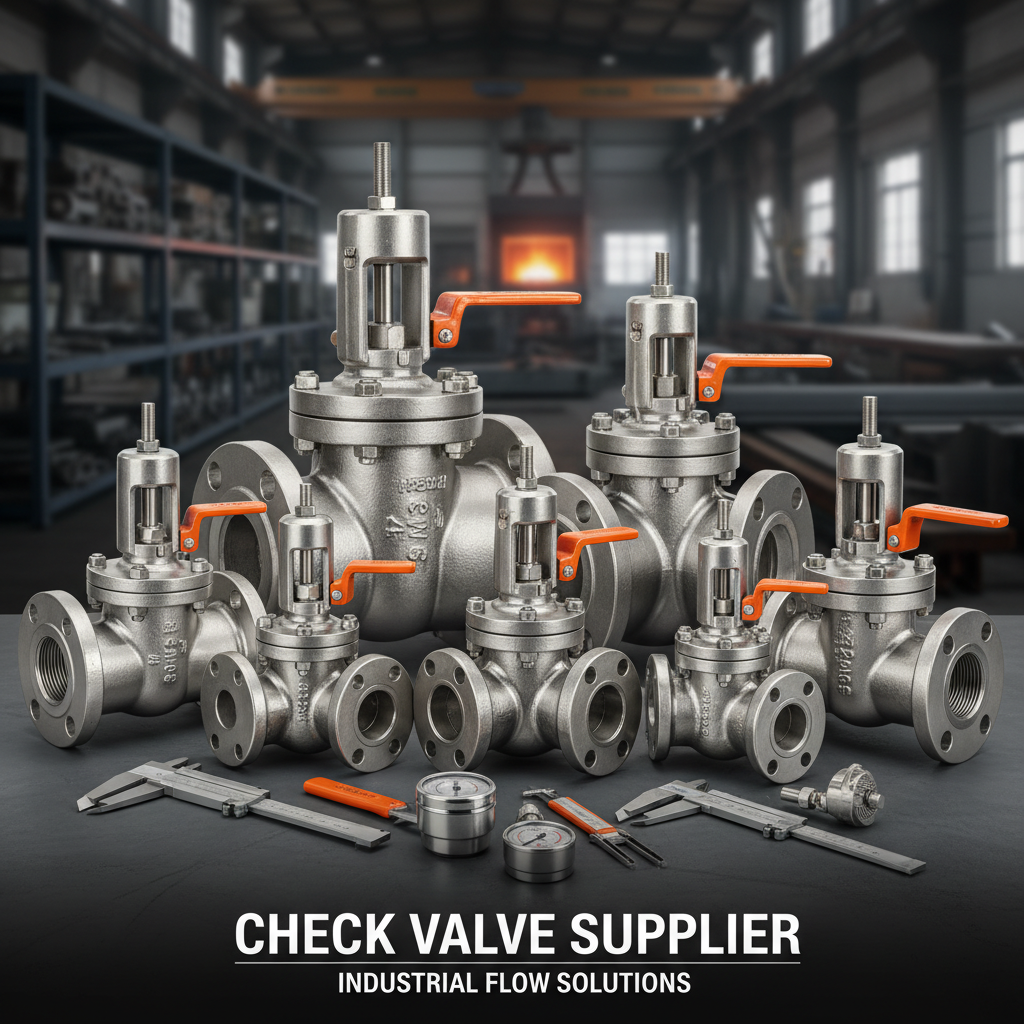
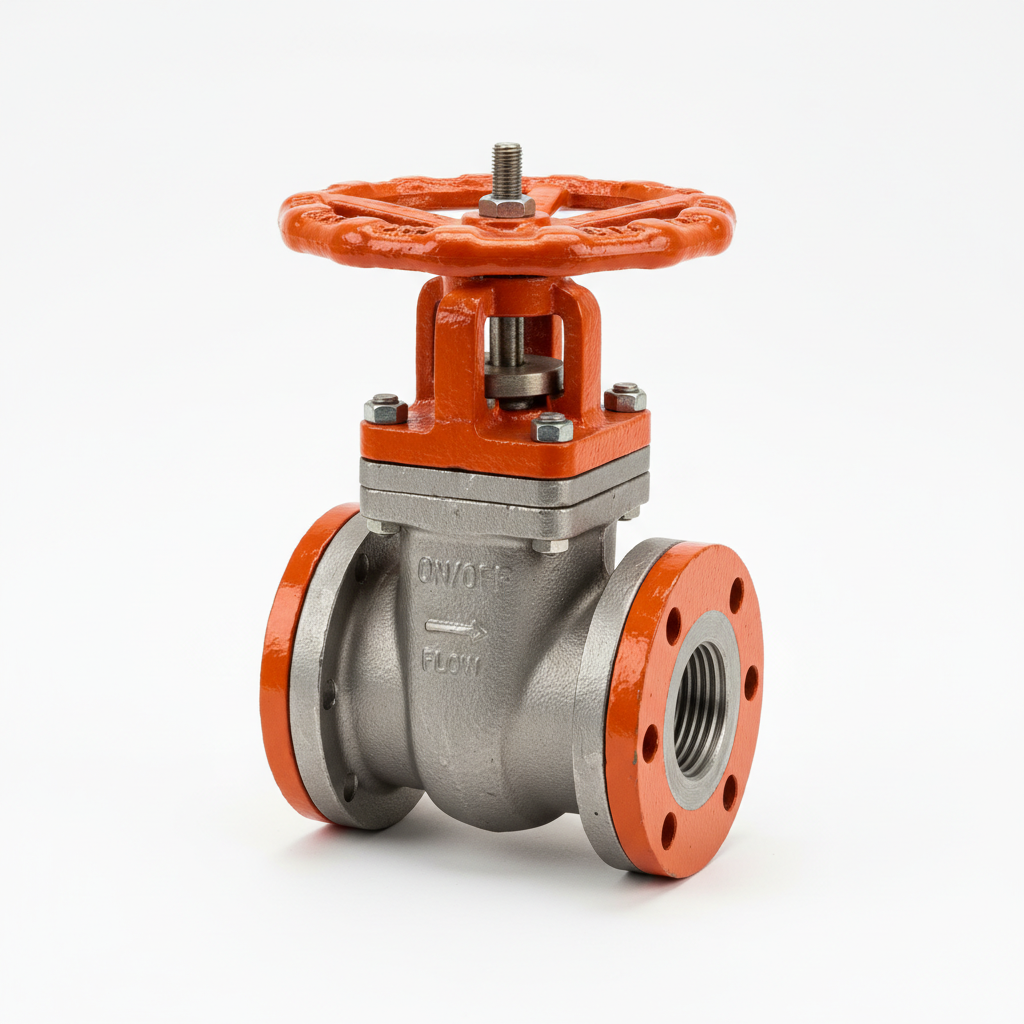
Let's talk water valve shut off. It’s not glamorous work, trust me – I've spent more hours than I care to admit crawling under floors and in equipment rooms. But a reliable water valve shut off is the backbone of any safe and efficient operation, whether it's a massive industrial plant, a city's water supply, or even a complex irrigation system. We're not just talking about preventing leaks; we're talking about protecting infrastructure, ensuring public health, and safeguarding costly downtime. I’ve seen firsthand how a faulty valve can bring everything to a screeching halt, and the ripple effect can be devastating.
The real headache starts when you’re scrambling for a replacement during an emergency. It's not just about having the right size and type, it's about having something that can handle the pressure, the corrosion, and the sheer abuse that these valves endure. I've learned that cheaping out on a water valve shut off is a false economy. A few extra dollars up front can save you tens of thousands in repairs, lost production, and potential liability down the line. That’s a lesson I’ve seen repeated too many times to count.
And it's evolving. It’s no longer just about manual ball valves and gate valves. Now we’re seeing a push for smarter systems – automated valves with remote monitoring, predictive maintenance capabilities, and integrated safety features. It’s a game-changer, but only if these systems are robust, user-friendly, and, crucially, backed by solid engineering. I’m talking real-world reliability, not just fancy marketing brochures.
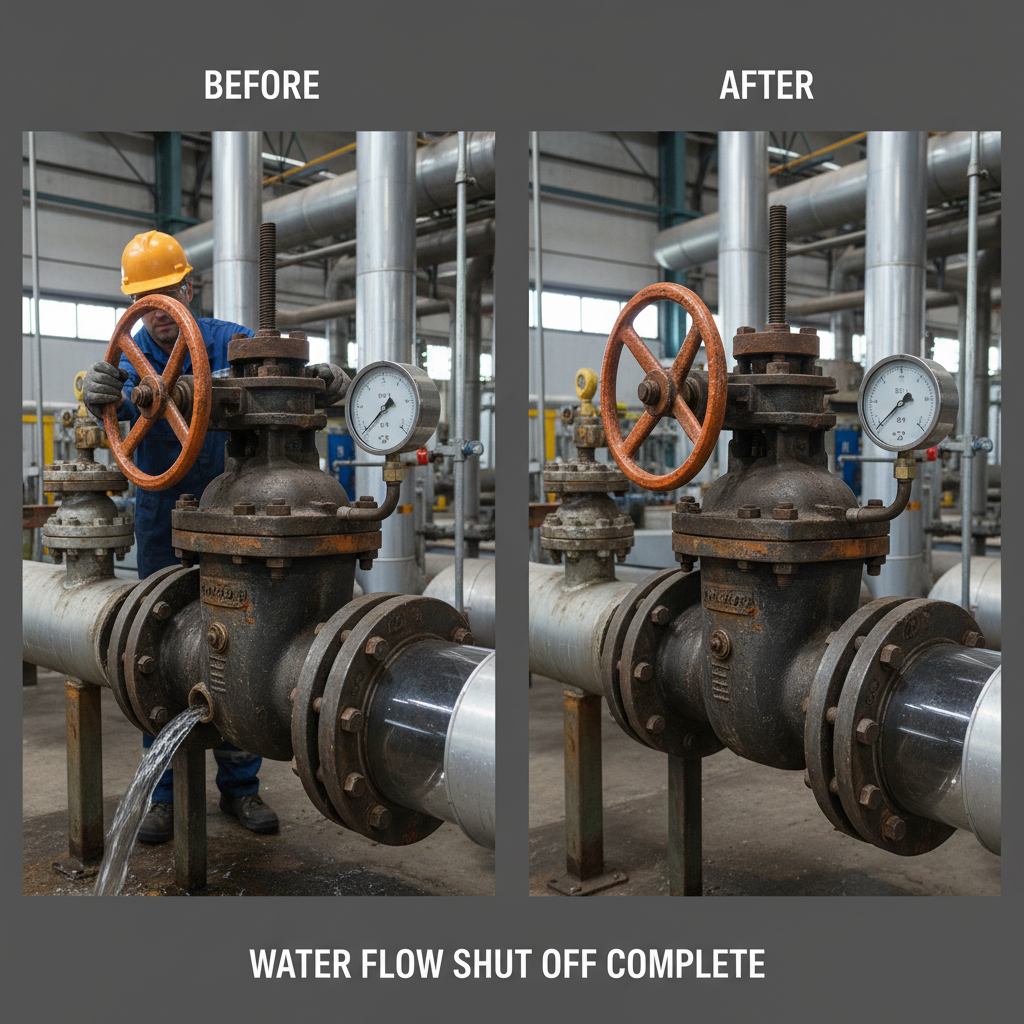
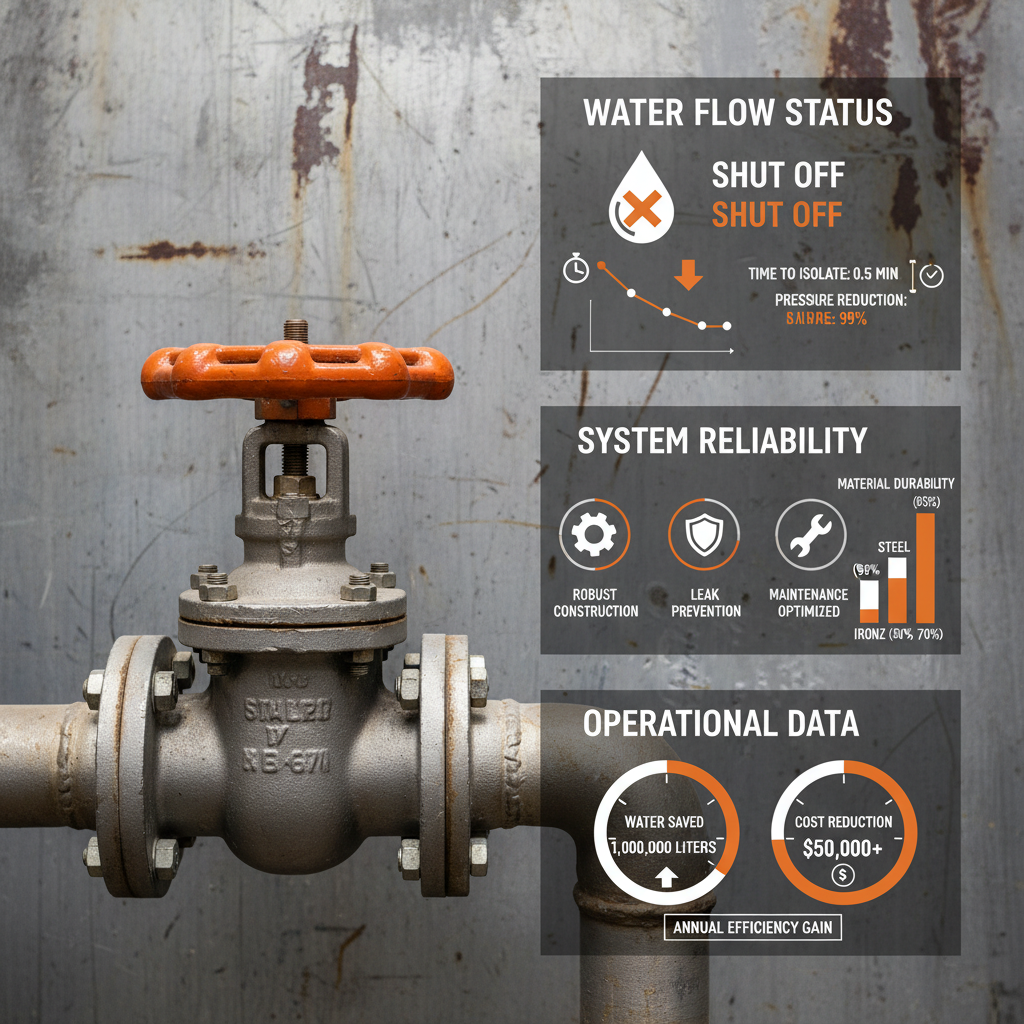
From a practical standpoint, a functional water valve shut off is crucial for maintaining the integrity of any fluid handling system. The United Nations estimates that 2.2 billion people lack access to safely managed drinking water services, and proper infrastructure, including reliable shut-off valves, is a key component of addressing this global challenge. It’s about preventing contamination, managing resources efficiently, and minimizing the impact of leaks and bursts. I’ve seen systems where a single faulty valve led to significant water loss and compromised the entire supply for a small community.
We're talking about a broad range of applications here – municipal water systems, industrial processing plants, power generation facilities, and even large-scale agricultural operations. ISO standards increasingly emphasize the importance of robust valve systems as part of comprehensive safety protocols. The cost of inaction – the potential for catastrophic failures, environmental damage, and public health risks – is simply too high to ignore.
The most common materials are ductile iron, stainless steel, and brass. Ductile iron offers good strength and corrosion resistance at a relatively low cost. Stainless steel is highly durable and resistant to corrosion, making it ideal for harsh environments. Brass is often used for smaller valves due to its machinability and corrosion resistance. The best choice depends on the specific application and budget.
Inspections should be conducted at least annually, and more frequently in harsh environments. Maintenance should include lubricating moving parts, checking for leaks, and verifying that the valve operates smoothly. Regular preventative maintenance can significantly extend the lifespan of the valve and prevent costly failures. Keep detailed records of all inspections and maintenance activities.
Gate valves are good for fully opening or fully closing, but not for throttling flow. Ball valves offer quick shut-off and are versatile. Butterfly valves are lightweight and economical, ideal for large-diameter pipes where full shut-off isn’t always critical. Choose based on the required flow control and pressure conditions of your application.
Water hammer, caused by sudden changes in flow, can create significant pressure surges that damage valves and pipelines. Installing surge suppressors and using slow-closing valves can help mitigate this effect. Proper pipe anchoring and support are also critical. Ignoring water hammer can lead to catastrophic system failures.
Automated systems offer remote control, precise flow regulation, and real-time monitoring. This leads to improved efficiency, reduced downtime, and enhanced safety. They can also be integrated with other control systems for a more comprehensive approach to water management. However, they typically require a higher upfront investment and skilled personnel for maintenance.
Correct sizing is crucial. You need to consider the flow rate, pipe diameter, and pressure drop requirements of your system. Using a valve that is too small will restrict flow, while a valve that is too large may not provide adequate control. Consult with a qualified engineer to ensure you select the appropriate valve size for your specific application.
In conclusion, a reliable water valve shut off is far more than just a component; it’s the cornerstone of safe, efficient, and sustainable water management. From preventing catastrophic failures to optimizing resource utilization, the benefits are undeniable. Understanding the core factors influencing performance – durability, scalability, and cost-effectiveness – is paramount for making informed decisions.
Looking ahead, embracing innovative technologies like smart valves and digital monitoring systems will be crucial for addressing the evolving challenges of water infrastructure. Prioritizing preventative maintenance, investing in high-quality materials, and staying abreast of industry best practices will ensure that these critical systems continue to operate reliably for years to come. For expert advice and a comprehensive range of water valve solutions, visit our website: water valve shut off.

 Afrikaans
 Albanian
 Amharic
 Arabic
 Armenian
 Azerbaijani
 Basque
 Belarusian
 Bengali
 Bosnian
 Bulgarian
 Catalan
 Cebuano
 Corsican
 Croatian
 Czech
Czech
 Danish
 Dutch
Dutch
 Esperanto
 Estonian
 Finnish
 French
 Frisian
 Galician
 Georgian
 German
 Greek
Greek
 Gujarati
 Haitian Creole
 Hausa
Hausa
 Hawaiian
 Hebrew
 Hindi
Hindi
 Miao
Miao
 Hungarian
 Icelandic
 Igbo
Igbo
 Indonesian
 Irish
Irish
 Italian
 Japanese
 Javanese
 Kannada
 Kazakh
 Khmer
Khmer
 Rwandese
 Korean
 Kurdish
 Kyrgyz
 Lao
Lao
 Latin
Latin
 Latvian
 Lithuanian
 Luxembourgish
 Macedonian
 Malgashi
 Malay
Malay
 Malayalam
 Maltese
 Maori
Maori
 Marathi
 Mongolian
 Myanmar
 Nepali
 Norwegian
 Norwegian
 Occitan
 Pashto
 Persian
 Polish
 Portuguese
 Punjabi
 Romanian
 Russian
 Samoan
 Scottish Gaelic
 Serbian
 Sesotho
 Shona
Shona
 Sindhi
 Sinhala
 Slovak
 Slovenian
 Somali
 Spanish
 Sundanese
 Swahili
 Swedish
 Tagalog
 Tajik
Tajik
 Tamil
Tamil
 Tatar
Tatar
 Telugu
 Thai
Thai
 Turkish
 Turkmen
 Ukrainian
 Urdu
Urdu
 Uighur
 Uzbek
Uzbek
 Vietnamese
 Welsh
Welsh
 Bantu
Bantu
 Yiddish
 Yoruba
 Zulu
Zulu
 English