Water valve shutoff is fundamental to modern infrastructure, impacting everything from municipal water systems to industrial processes and even residential plumbing. Reliable control of water flow isn’t just about convenience; it's about safety, efficiency, and preventing catastrophic damage. In my years on construction sites and working alongside engineers, I’ve seen firsthand how a simple failure in a water valve can bring an entire project – or even a community – to a standstill. Understanding the nuances of these systems is critical for anyone involved in design, installation, or maintenance.
The global demand for robust and dependable water valve shutoff solutions is constantly increasing, driven by factors like population growth, urbanization, and aging infrastructure. According to the UN, billions of people still lack access to safely managed drinking water, and a significant portion of existing water infrastructure is in desperate need of repair or replacement. The World Bank estimates that trillions of dollars will be required to address global water challenges in the coming decades. This isn't just a developing world problem either; even in established economies, leaky pipes and malfunctioning valves contribute to massive water loss.
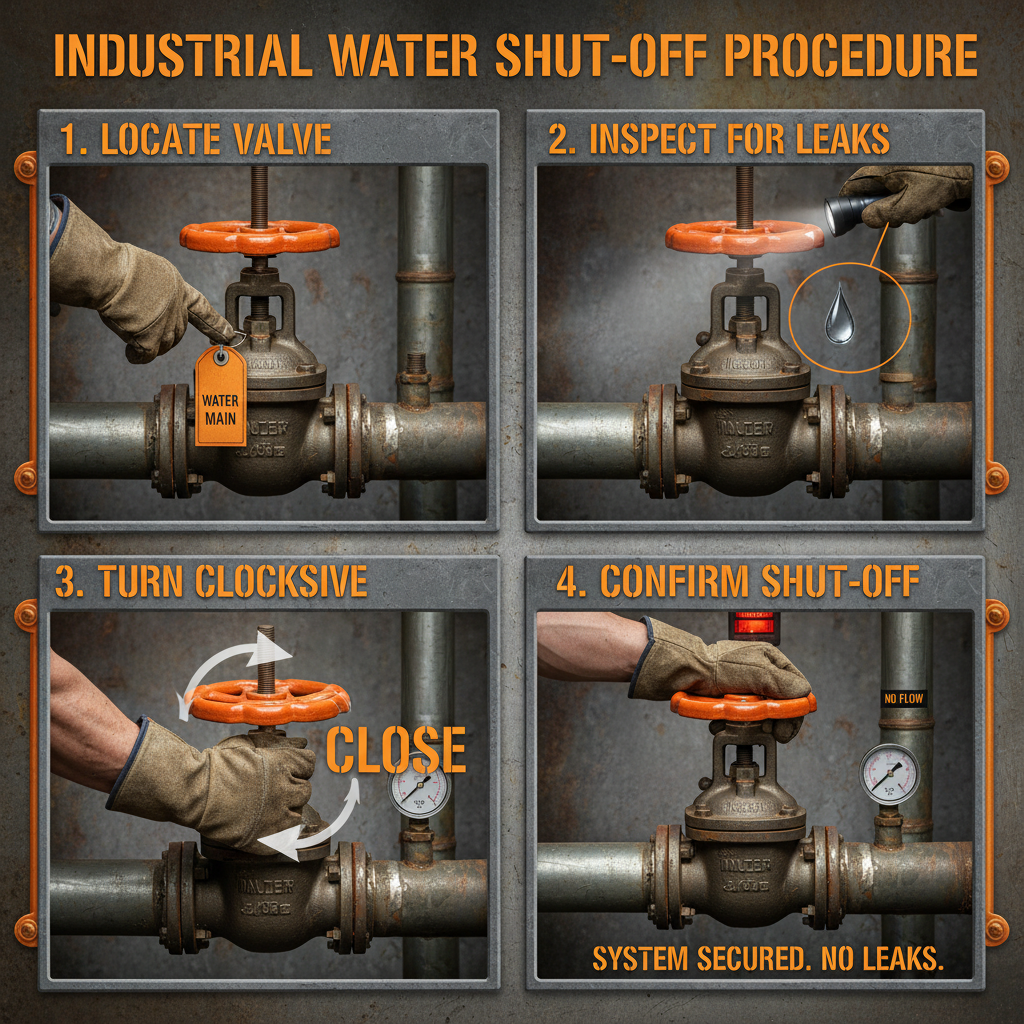
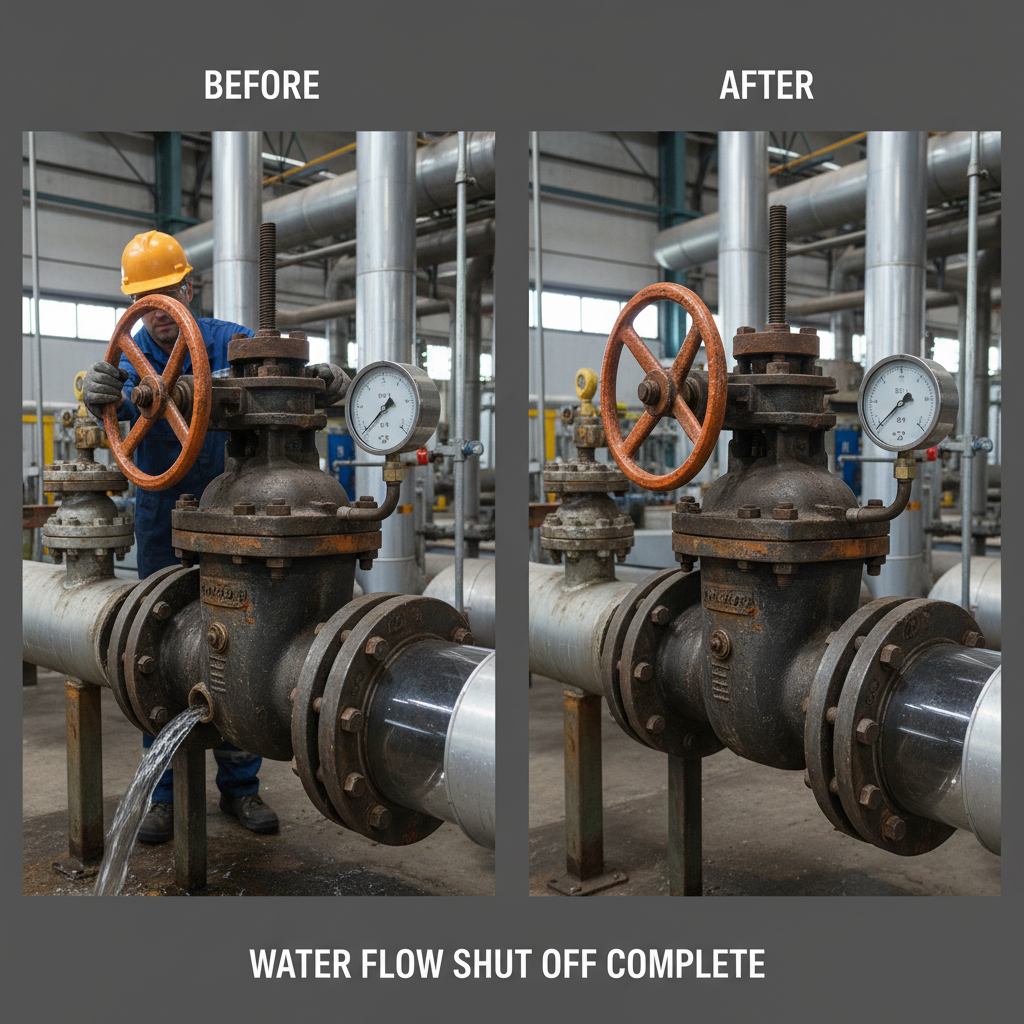
Simply put, water valve shutoff refers to the process of completely stopping the flow of water through a valve. It's a critical safety measure for maintenance, repairs, or emergency situations. While seemingly straightforward, achieving a reliable and lasting shutoff depends on the valve type, materials, installation quality, and ongoing maintenance. It’s a cornerstone of both industrial productivity and public health. Modern industry and humanitarian needs rely heavily on solutions that go beyond just ‘turning off the water’ – we need systems that are resilient, predictable, and easily integrated into complex networks.
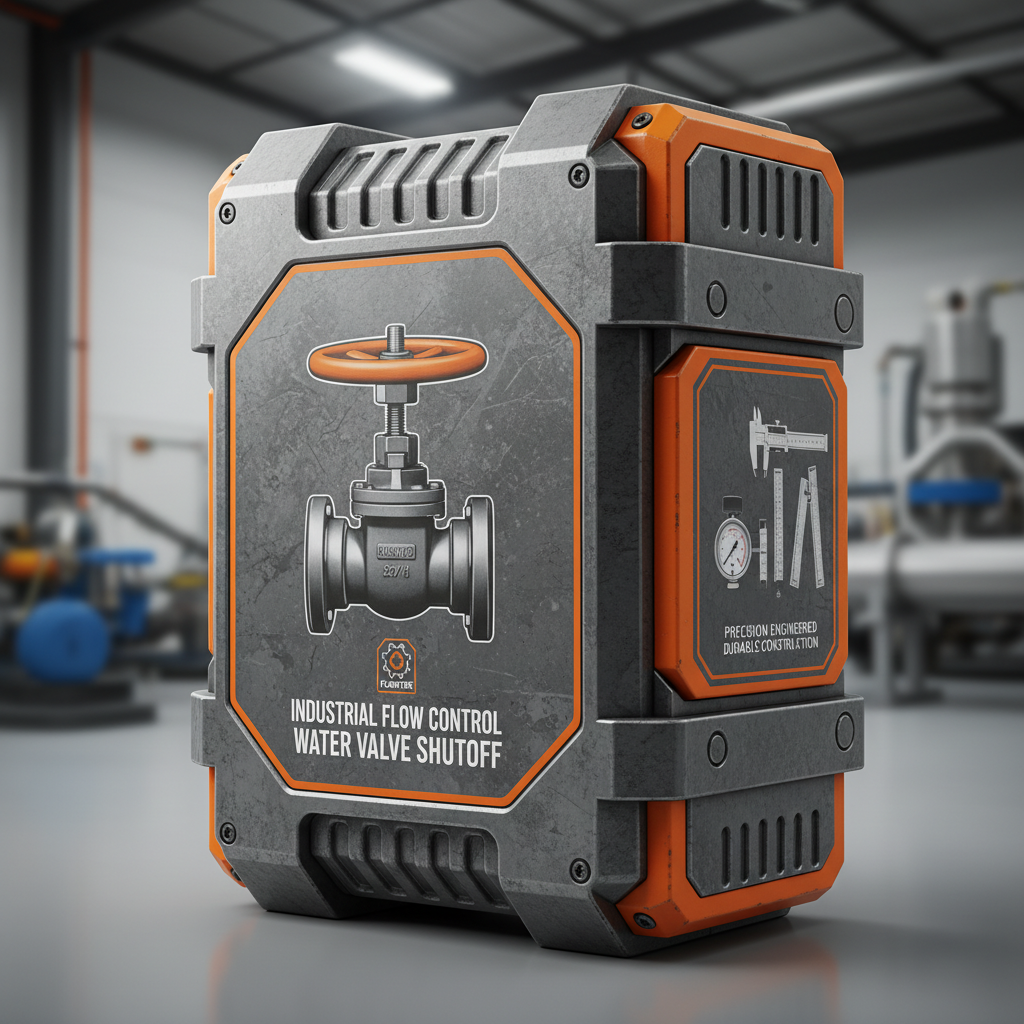
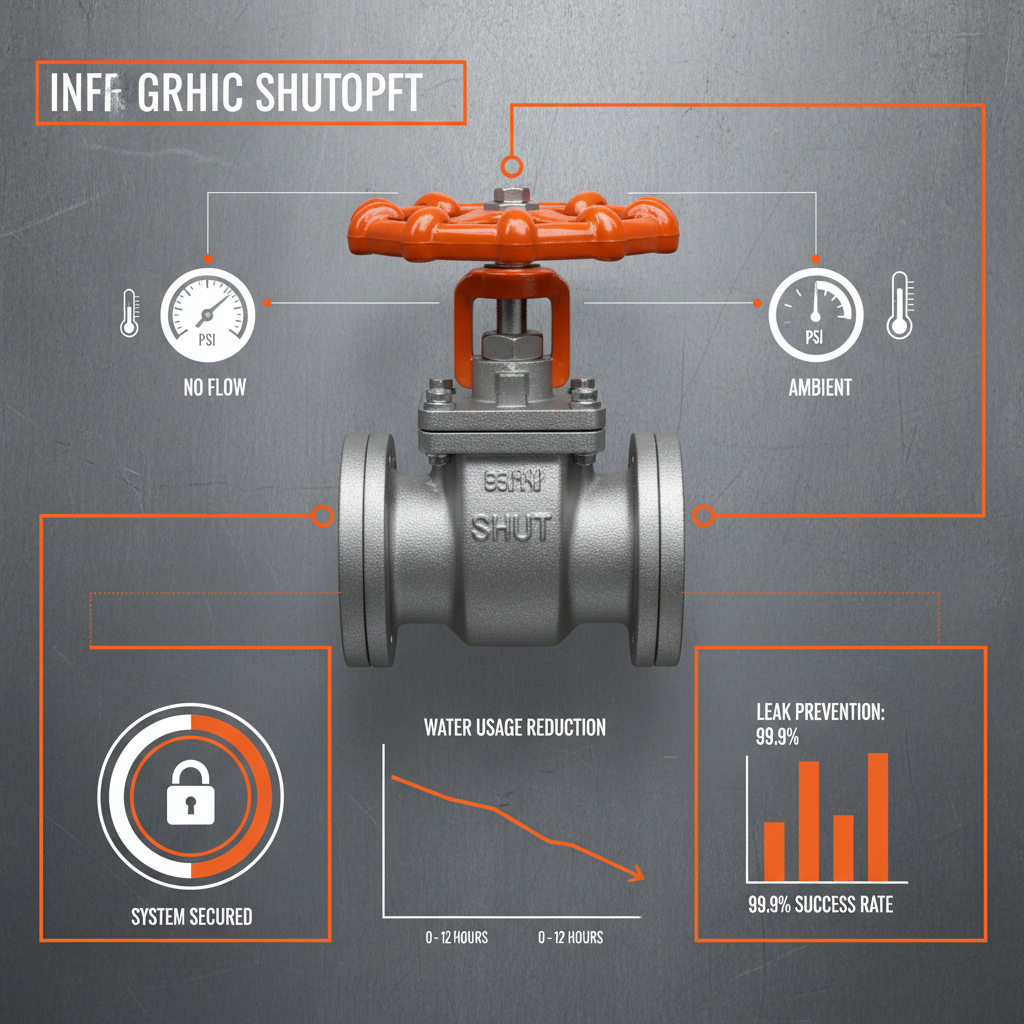
Look, I’ve spent enough time in trenches to know that nothing is ever quite as straightforward as the blueprints suggest. A reliable water valve shutoff is the first line of defense against everything from minor leaks to major flooding. It directly impacts project timelines, safety protocols, and the bottom line. Investing in quality valves and proper installation isn’t just good practice, it’s smart business.
I’ve seen projects delayed for weeks because of a faulty shutoff valve, and even worse, I’ve witnessed the potential for serious accidents when a valve fails during critical operations. The cost of downtime and potential damage far outweighs the initial investment in a dependable system. That's why understanding the intricacies of these components is so important.
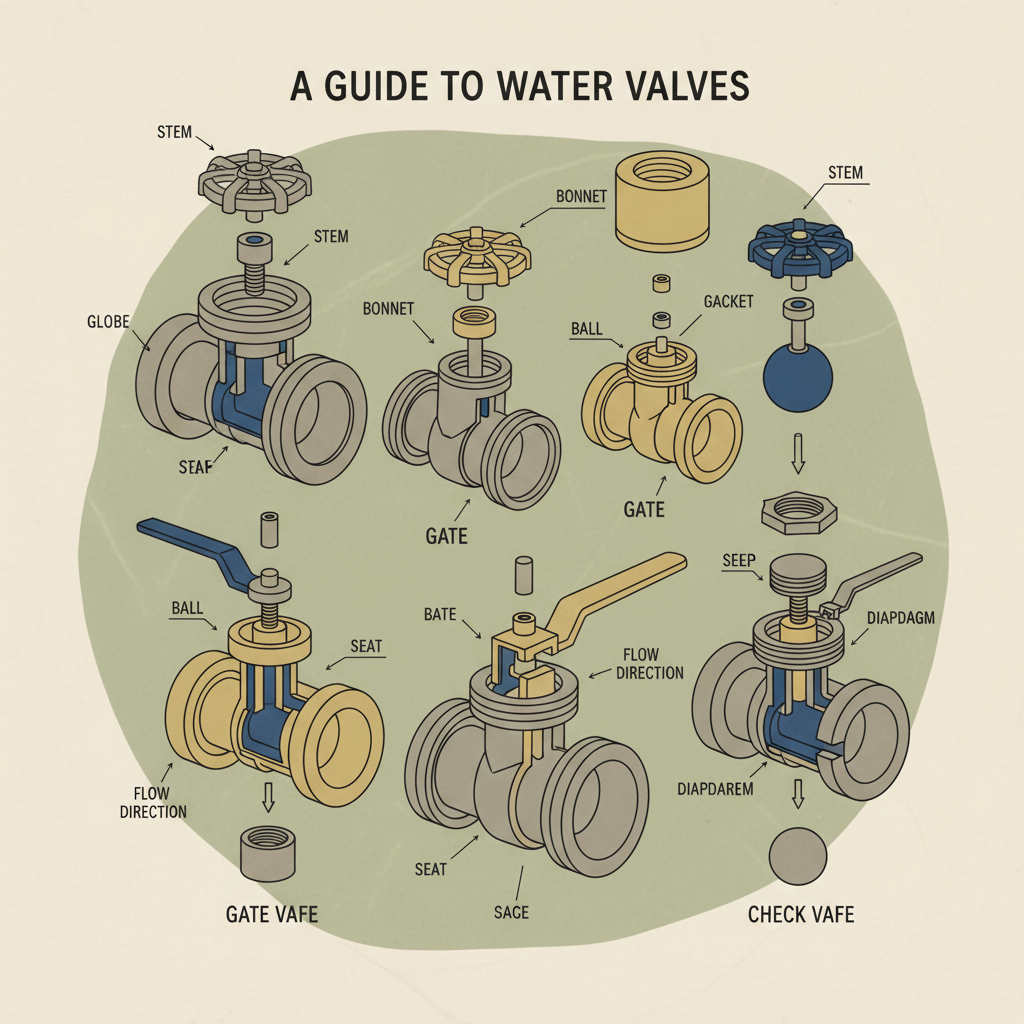
Gate valves are good for infrequent on/off service, offering minimal flow restriction when fully open, but they are slow to operate. Ball valves provide quick quarter-turn operation and a reliable seal, making them ideal for frequent shutoff. Butterfly valves are lightweight and cost-effective for larger diameter pipes but may not offer the same level of tight shutoff as ball valves. Choosing the right valve depends on the specific application's requirements, pressure ratings, and frequency of operation.
Regular inspections are critical! I recommend annual inspections for all critical shutoff valves. This includes checking for corrosion, leaks, and proper operation. Lubrication of valve stems and exercising the valve (opening and closing it) helps prevent sticking. For older valves or those in harsh environments, more frequent inspections—every six months—might be necessary. Document everything, it'll save you headaches down the road.
Corrosion is a killer. For corrosive environments, you want to look at materials like stainless steel (316 is a good choice), bronze, and certain specialized polymers like PTFE. Avoid carbon steel unless it’s heavily coated. The specific material will depend on the type of corrosion you’re dealing with - is it saltwater, acidic water, or something else? It’s worth the extra investment upfront to avoid costly repairs and replacements later.
Absolutely. Smart valves with integrated sensors and remote monitoring are a big deal. These can detect leaks, track flow rates, and even automatically shut off the water if a problem is detected. Predictive maintenance using AI and machine learning is also gaining traction, allowing you to identify and address potential issues before they lead to failures. It’s not science fiction anymore, it’s happening now.
Common causes include corrosion, sediment buildup, improper installation, and mechanical wear and tear. Prevention is key! Use corrosion-resistant materials, install strainers upstream to remove sediment, ensure proper installation by qualified technicians, and implement a regular inspection and maintenance program. Don’t skip the small stuff – a little preventative care goes a long way.
Water pressure plays a huge role. Excessive pressure can stress valve components and lead to premature failure. It’s crucial to select valves with appropriate pressure ratings for the system they'll be used in. Pressure regulating valves can also be used to maintain a consistent pressure and protect the system. Also, water hammer – sudden pressure surges – can be incredibly damaging, so consider surge protection devices as well.
In conclusion, reliable water valve shutoff isn't just a technical detail; it's the foundation of safe, efficient, and sustainable water management. From preventing costly downtime in industrial facilities to ensuring access to clean water in vulnerable communities, the importance of these systems cannot be overstated. Understanding the key factors influencing their performance—durability, scalability, and proper maintenance—is crucial for anyone involved in water infrastructure.
Looking ahead, embracing innovative technologies like smart valves and predictive maintenance will be essential for addressing the growing challenges of aging infrastructure and water scarcity. Investing in quality materials, proper installation, and ongoing maintenance will not only save money in the long run but also contribute to a more sustainable and resilient future. For more information and expert solutions, visit our website: water valve shutoff.

 Afrikaans
 Albanian
 Amharic
 Arabic
 Armenian
 Azerbaijani
 Basque
 Belarusian
 Bengali
 Bosnian
 Bulgarian
 Catalan
 Cebuano
 Corsican
 Croatian
 Czech
Czech
 Danish
 Dutch
Dutch
 Esperanto
 Estonian
 Finnish
 French
 Frisian
 Galician
 Georgian
 German
 Greek
Greek
 Gujarati
 Haitian Creole
 Hausa
Hausa
 Hawaiian
 Hebrew
 Hindi
Hindi
 Miao
Miao
 Hungarian
 Icelandic
 Igbo
Igbo
 Indonesian
 Irish
Irish
 Italian
 Japanese
 Javanese
 Kannada
 Kazakh
 Khmer
Khmer
 Rwandese
 Korean
 Kurdish
 Kyrgyz
 Lao
Lao
 Latin
Latin
 Latvian
 Lithuanian
 Luxembourgish
 Macedonian
 Malgashi
 Malay
Malay
 Malayalam
 Maltese
 Maori
Maori
 Marathi
 Mongolian
 Myanmar
 Nepali
 Norwegian
 Norwegian
 Occitan
 Pashto
 Persian
 Polish
 Portuguese
 Punjabi
 Romanian
 Russian
 Samoan
 Scottish Gaelic
 Serbian
 Sesotho
 Shona
Shona
 Sindhi
 Sinhala
 Slovak
 Slovenian
 Somali
 Spanish
 Sundanese
 Swahili
 Swedish
 Tagalog
 Tajik
Tajik
 Tamil
Tamil
 Tatar
Tatar
 Telugu
 Thai
Thai
 Turkish
 Turkmen
 Ukrainian
 Urdu
Urdu
 Uighur
 Uzbek
Uzbek
 Vietnamese
 Welsh
Welsh
 Bantu
Bantu
 Yiddish
 Yoruba
 Zulu
Zulu
 English