In the complex world of fluid dynamics and industrial automation, the role of a specialized valve company extends far beyond simple manufacturing. These organizations are the architects of flow control, providing the critical components that ensure safety, precision, and efficiency across countless sectors, from oil and gas to pharmaceutical processing. Understanding the nuances of valve engineering is essential for any operation that relies on the secure movement of liquids or gases.
Globally, the demand for high-performance flow control solutions is surging as industries migrate toward smarter, more sustainable infrastructures. A leading valve company doesn't just sell hardware; it provides the technical assurance that a system will not fail under extreme pressure or corrosive environments. This reliability is the backbone of global industrial stability, preventing catastrophic leaks and optimizing resource consumption.
By focusing on the intersection of material science and mechanical engineering, the modern valve industry addresses some of the most pressing challenges in energy transition and environmental protection. Whether it is through the development of zero-leakage seals or the integration of IoT-enabled actuators, the expertise found within a professional valve company is what allows modern civilization to maintain its critical utilities safely and efficiently.
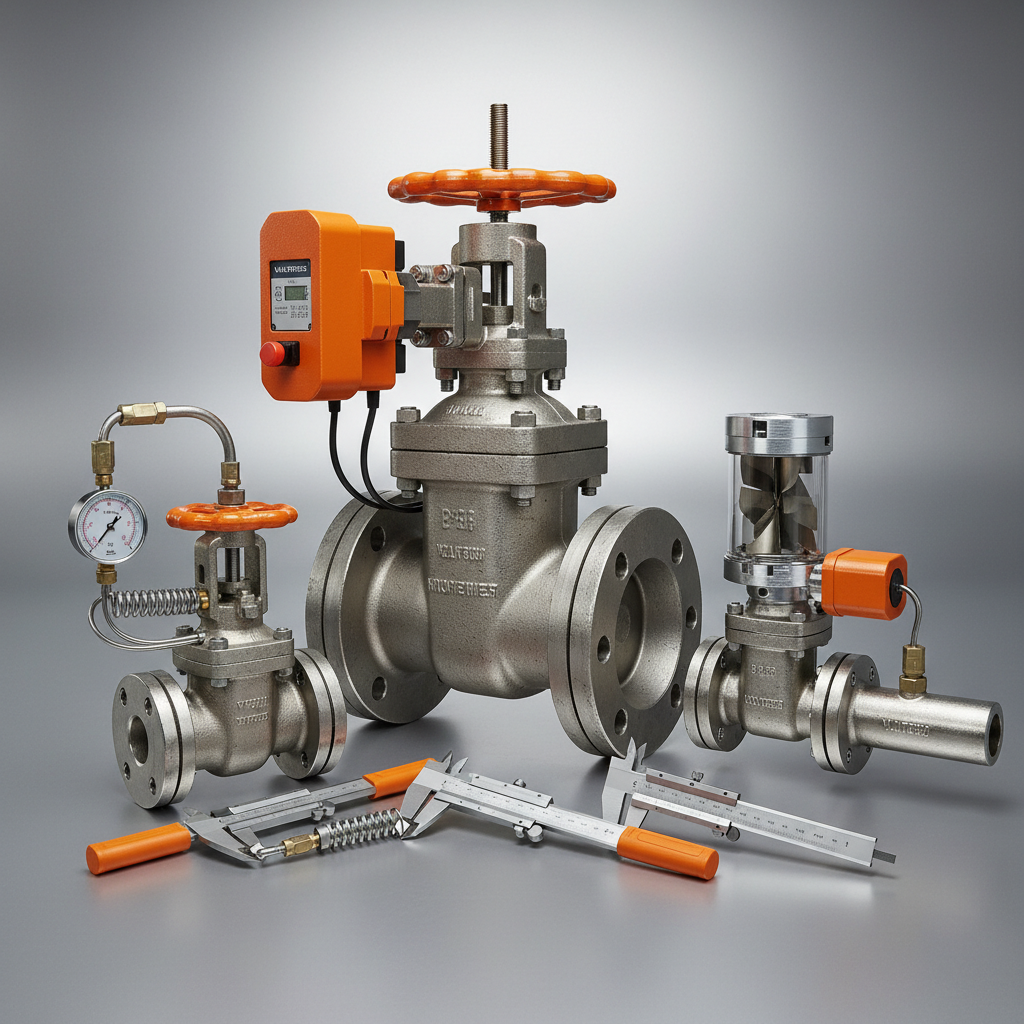
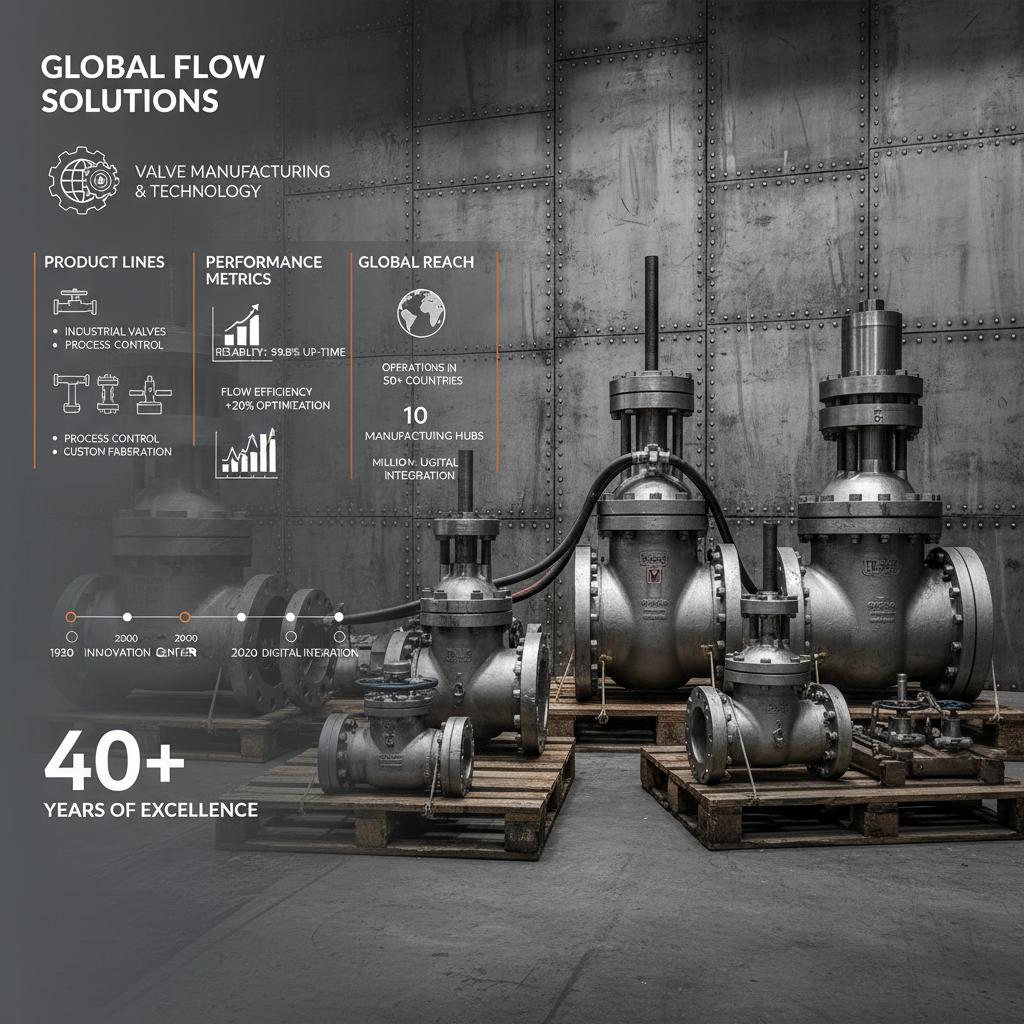
On a global scale, the precision provided by a professional valve company is critical for maintaining the integrity of international energy pipelines and water treatment plants. According to ISO standards for industrial piping, the failure of a single valve can lead to systemic shutdowns, costing millions of dollars per hour in lost production and potential environmental fines.
As emerging economies expand their industrial footprints, the need for standardized, high-quality flow control becomes a matter of public safety. The ability to regulate pressure and flow accurately is what separates a high-efficiency plant from a hazardous one, making the strategic partnership with an experienced valve provider a prerequisite for any large-scale infrastructure project.
When selecting a partner, look for certifications such as ISO 9001 and API (American Petroleum Institute) standards. A reliable valve company should offer comprehensive technical documentation, material certificates (Mill Test Reports), and a proven track record of success in your specific application, whether it be high-temperature steam or corrosive chemical handling.
Standard valves are often generic and designed for low-pressure, non-corrosive environments. In contrast, a specialized valve company produces engineered solutions tailored to specific pressures, temperatures, and media. This includes superior metallurgy, precision-machined seals, and rigorous hydrostatic testing to ensure safety in critical environments.
Yes, absolutely. Many leading valve companies now specialize in "low-emission" or "zero-leakage" technology. By implementing advanced packing materials and redesigned stem seals, they can significantly reduce fugitive emissions of greenhouse gases or hazardous chemicals, helping your facility meet environmental regulations and reduce waste.
Service intervals vary by application. High-cycle control valves may need quarterly inspections, while manual isolation valves may only need annual checks. A professional valve company will typically provide a recommended maintenance schedule based on the fluid medium and cycle frequency to prevent unexpected failure.
For critical processes, yes. Smart valves from a modern valve company provide real-time diagnostics that allow for predictive maintenance. Instead of replacing a valve on a fixed schedule, you replace it based on actual wear, which reduces downtime and prevents catastrophic failures that could cost far more than the initial valve price.
Most high-end valve companies offer custom engineering services. They can modify flange sizes, body materials, and actuator types to fit your unique system requirements. This bespoke approach ensures a perfect fit and optimal performance, avoiding the need for awkward adapters that can become potential leak points.
In summary, the contributions of a professional valve company are fundamental to the safe and efficient operation of modern industry. From the rigorous selection of corrosion-resistant alloys to the implementation of smart, automated control systems, these companies provide the invisible infrastructure that keeps our energy, water, and chemical systems running without interruption. The integration of high-performance components leads to reduced operational risk, lower environmental impact, and significant long-term cost savings.
Looking ahead, the evolution toward green energy and digital twin technology will only increase the importance of precision flow control. Businesses that prioritize partnerships with an innovative valve company will be best positioned to handle the challenges of the hydrogen economy and autonomous manufacturing. We encourage you to audit your current flow control systems and upgrade to modern, sustainable solutions to ensure your infrastructure is ready for the next industrial revolution. Visit our website: www.strmachinery.com
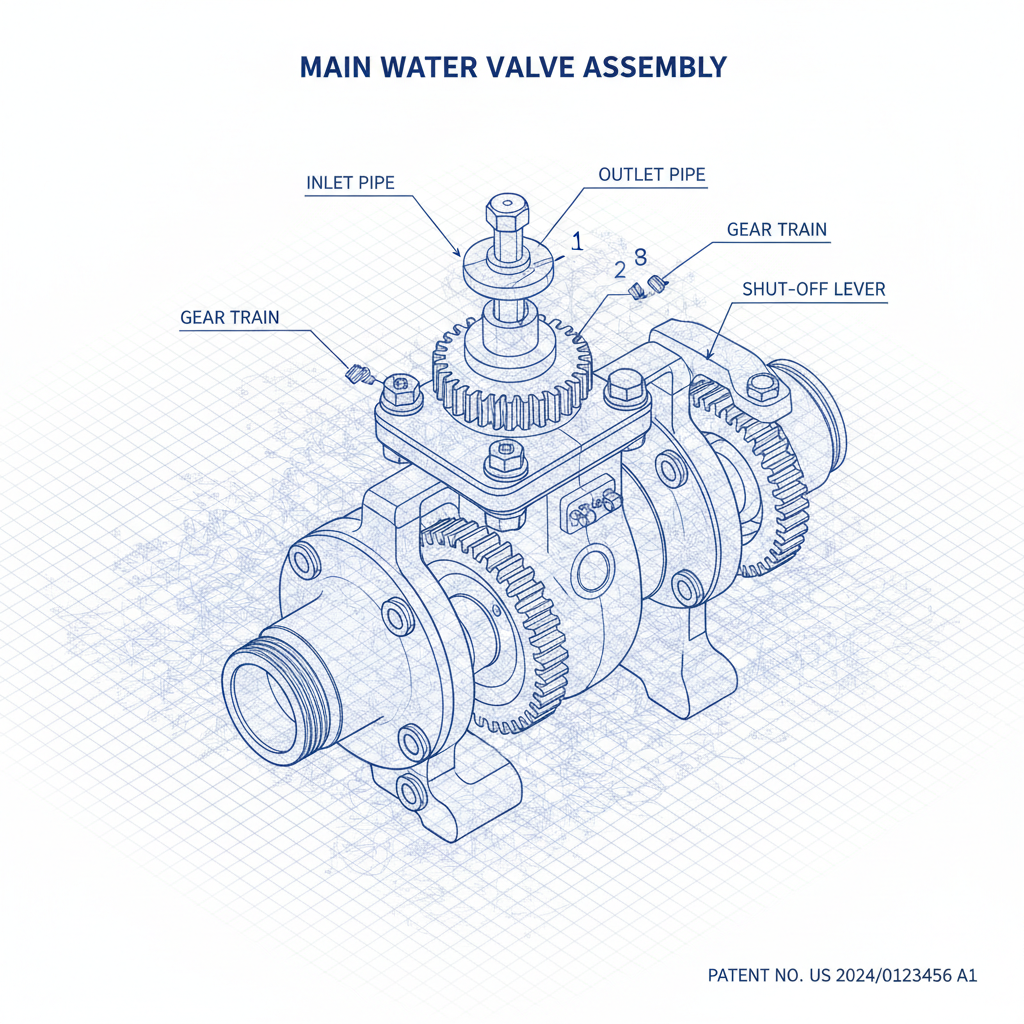
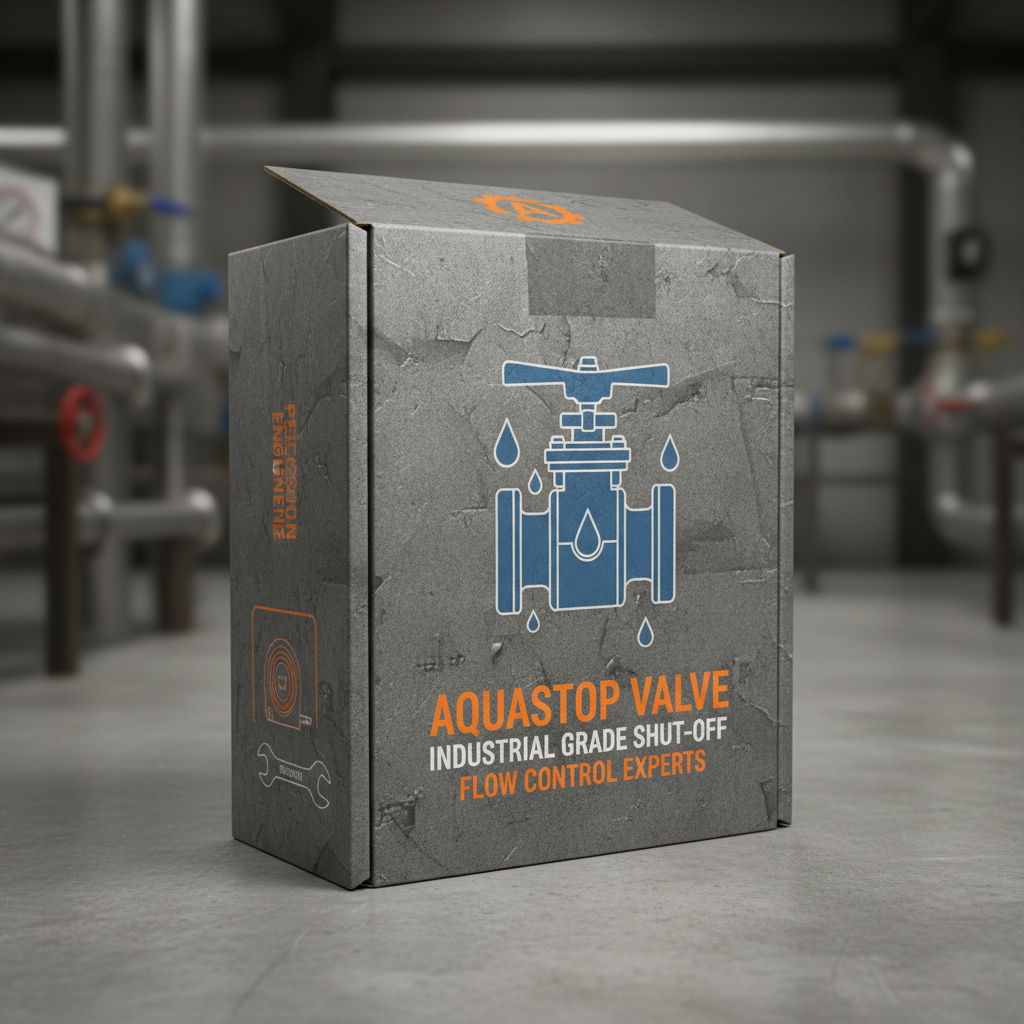

 Afrikaans
 Albanian
 Amharic
 Arabic
 Armenian
 Azerbaijani
 Basque
 Belarusian
 Bengali
 Bosnian
 Bulgarian
 Catalan
 Cebuano
 Corsican
 Croatian
 Czech
Czech
 Danish
 Dutch
Dutch
 Esperanto
 Estonian
 Finnish
 French
 Frisian
 Galician
 Georgian
 German
 Greek
Greek
 Gujarati
 Haitian Creole
 Hausa
Hausa
 Hawaiian
 Hebrew
 Hindi
Hindi
 Miao
Miao
 Hungarian
 Icelandic
 Igbo
Igbo
 Indonesian
 Irish
Irish
 Italian
 Japanese
 Javanese
 Kannada
 Kazakh
 Khmer
Khmer
 Rwandese
 Korean
 Kurdish
 Kyrgyz
 Lao
Lao
 Latin
Latin
 Latvian
 Lithuanian
 Luxembourgish
 Macedonian
 Malgashi
 Malay
Malay
 Malayalam
 Maltese
 Maori
Maori
 Marathi
 Mongolian
 Myanmar
 Nepali
 Norwegian
 Norwegian
 Occitan
 Pashto
 Persian
 Polish
 Portuguese
 Punjabi
 Romanian
 Russian
 Samoan
 Scottish Gaelic
 Serbian
 Sesotho
 Shona
Shona
 Sindhi
 Sinhala
 Slovak
 Slovenian
 Somali
 Spanish
 Sundanese
 Swahili
 Swedish
 Tagalog
 Tajik
Tajik
 Tamil
Tamil
 Tatar
Tatar
 Telugu
 Thai
Thai
 Turkish
 Turkmen
 Ukrainian
 Urdu
Urdu
 Uighur
 Uzbek
Uzbek
 Vietnamese
 Welsh
Welsh
 Bantu
Bantu
 Yiddish
 Yoruba
 Zulu
Zulu
 English