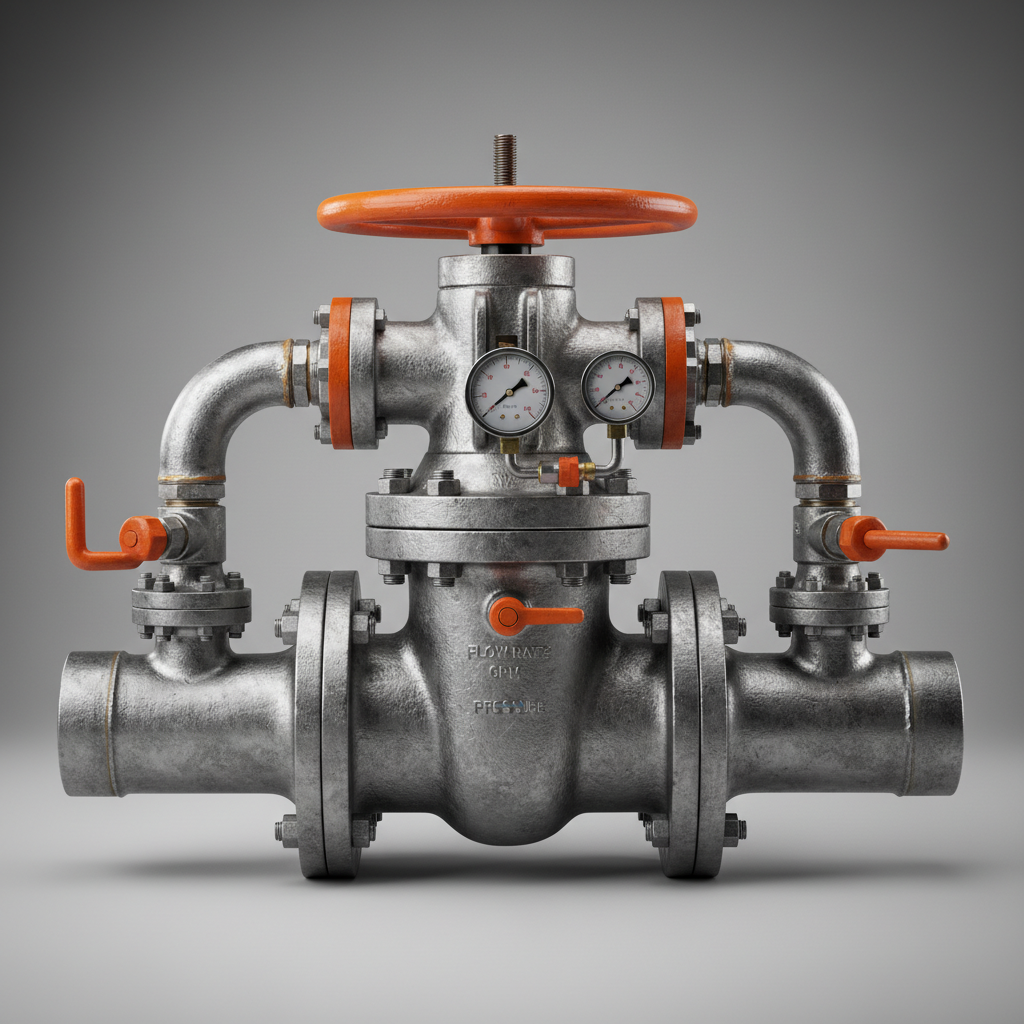
Water hose valves are crucial components in countless applications, ranging from simple garden irrigation to complex industrial processes and emergency response situations. These valves control the flow of water through hoses, enabling efficient and safe fluid transfer. Understanding their functionality, types, and proper maintenance is paramount for optimal performance and longevity, impacting industries worldwide. The increasing demand for reliable water management solutions globally underscores the importance of high-quality water hose valves.
Globally, access to efficient water distribution is a fundamental challenge, particularly in developing nations and disaster-stricken areas. A robust and dependable water hose valve is often the first line of defense in providing potable water, fighting fires, and supporting agricultural needs. Their versatility and relative simplicity make them an indispensable tool in both routine operations and emergency scenarios. This need drives continuous innovation in water hose valve design and materials.
Furthermore, the growing emphasis on sustainable resource management necessitates valves that minimize water wastage and ensure long-term reliability. Investing in durable and efficient water hose valve technology represents a strategic move toward securing water resources for future generations and enhancing operational efficiency across diverse sectors.
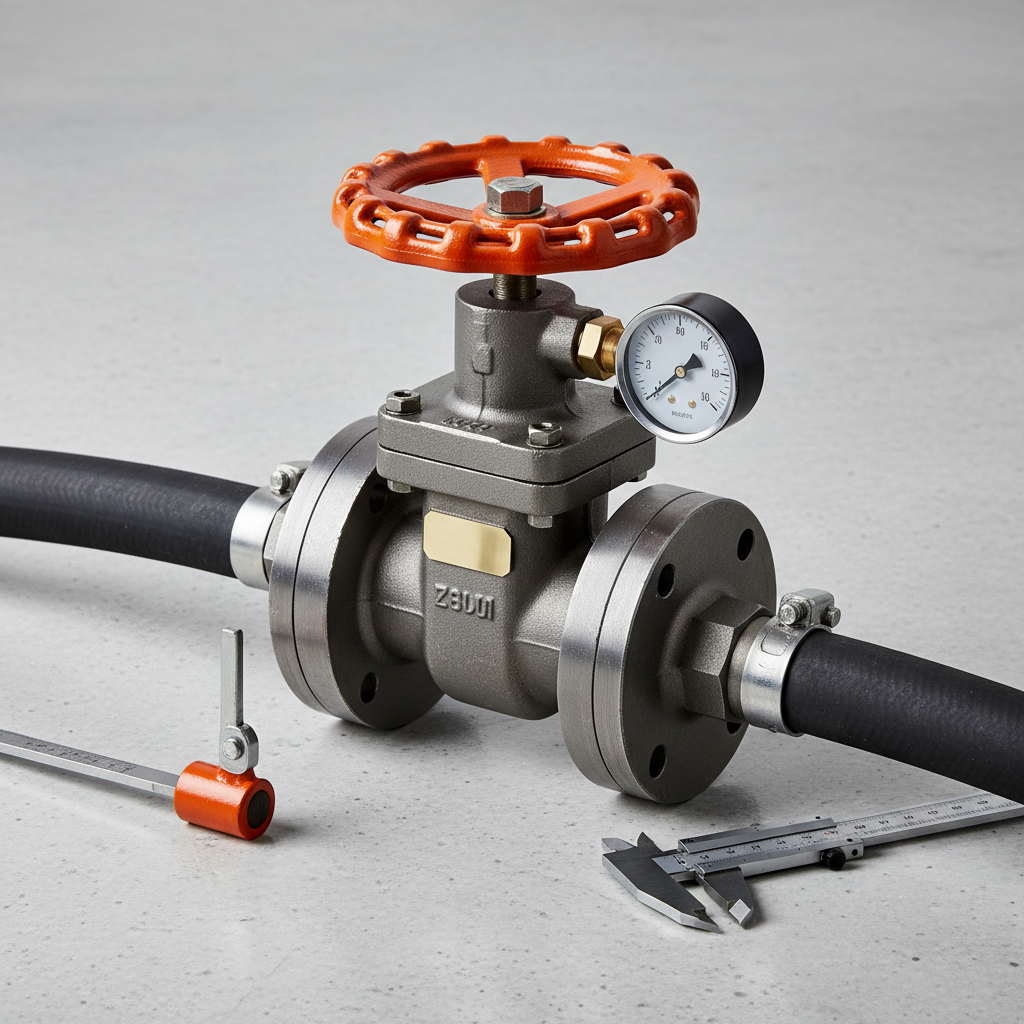
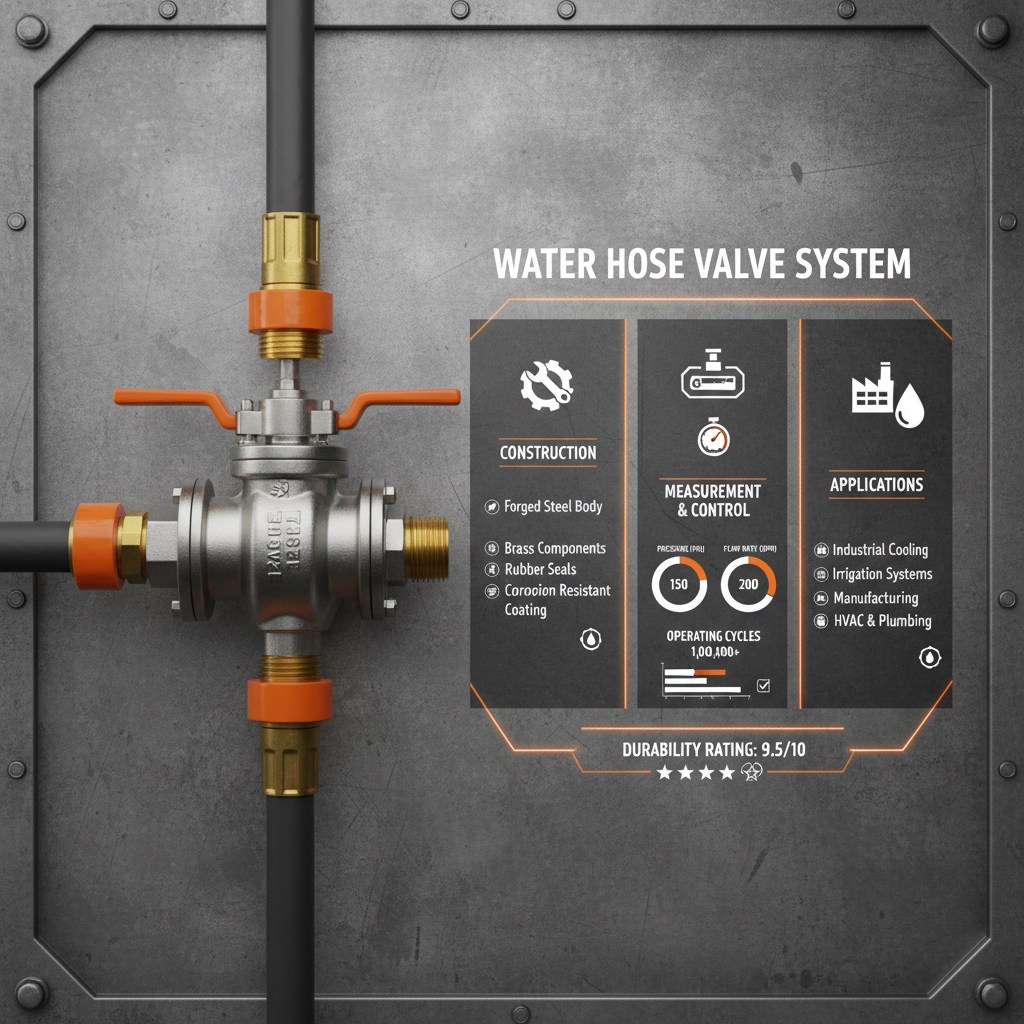
Water hose valves serve as the critical control point in any system utilizing water transfer through hoses. Their proper function directly impacts efficiency, safety, and the overall reliability of the water delivery process. A failing water hose valve can lead to significant water loss, system damage, or even hazardous situations, underscoring their importance.
Effective water management depends heavily on the quality and performance of these components. Selecting the appropriate water hose valve for a specific application requires careful consideration of factors such as pressure, flow rate, fluid compatibility, and environmental conditions. Ensuring proper installation and regular maintenance are equally vital for maximizing valve lifespan and maintaining optimal performance.
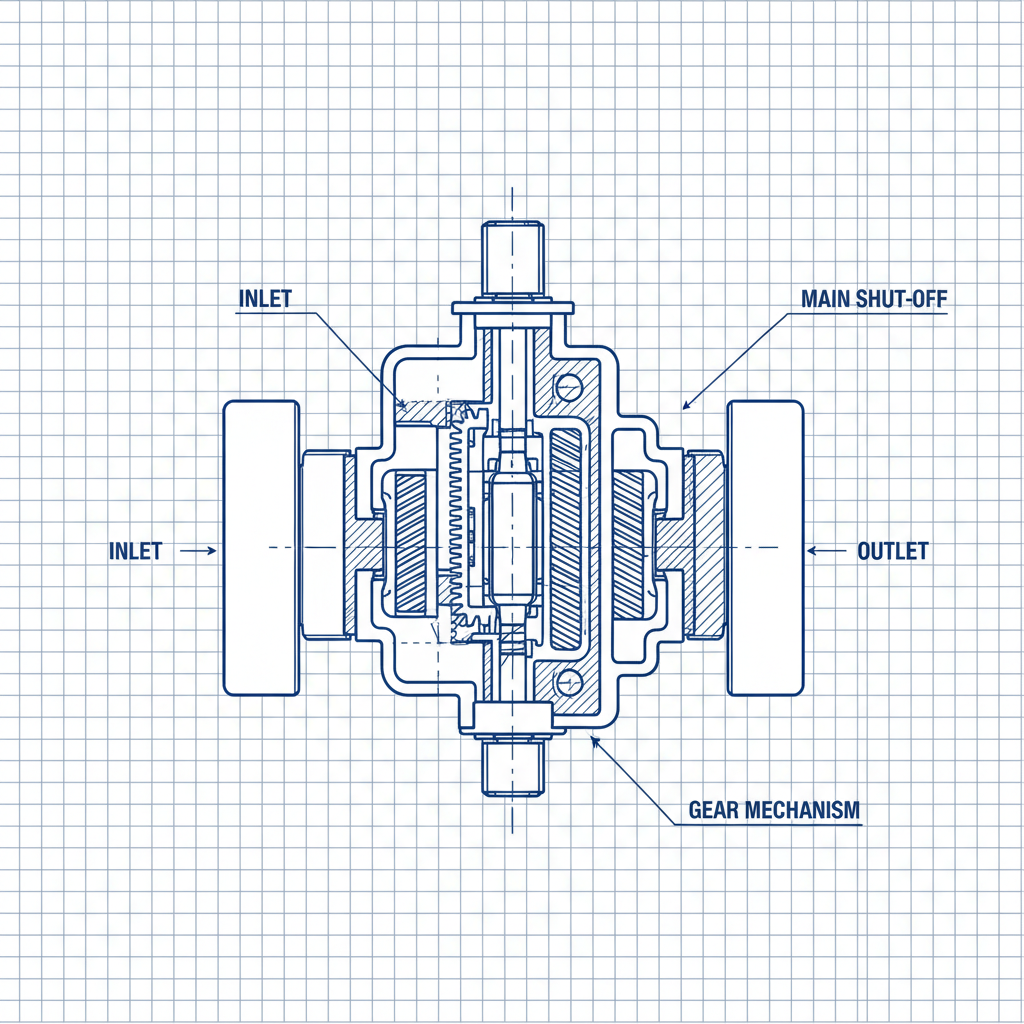
Ball valves offer quick on/off operation with a quarter-turn, making them ideal for frequent use. They provide a tight seal and are less prone to clogging. Gate valves, conversely, are better suited for fully open or fully closed positions and offer minimal flow restriction when open, but are slower to operate and may not seal as effectively over time. The choice depends on the frequency of use and the need for precise flow control.
Corrosion can be prevented by selecting valves made from corrosion-resistant materials like stainless steel, brass, or specialized polymers. Regular cleaning and maintenance, including the removal of mineral deposits, are crucial. For valves exposed to harsh environments, applying a protective coating can extend their lifespan. Additionally, ensure proper drainage to avoid water stagnation, which accelerates corrosion.
The lifespan of a water hose valve varies significantly depending on the material, application, and maintenance. Brass and stainless steel valves typically last for 10-20 years or more with proper care. PVC valves have a shorter lifespan, generally 5-10 years. Regular inspection, lubrication, and timely replacement of worn parts can significantly extend valve life.
Yes, certain water hose valves are specifically engineered for high-pressure applications. These valves are typically constructed from robust materials like stainless steel or forged brass and feature reinforced seals. They are often rated for pressures exceeding 600 PSI and are commonly used in industrial processes, pressure washing equipment, and hydraulic systems. Selecting a valve with an appropriate pressure rating is critical for safety.
Regular inspection is vital for maintaining optimal performance and preventing failures. It is recommended to inspect water hose valves at least annually, or more frequently in demanding applications. Look for signs of corrosion, leaks, cracks, or difficulty in operation. Lubricate moving parts and replace any worn or damaged components promptly.
Consider valves constructed from sustainable materials like recycled plastics or biodegradable polymers to minimize environmental impact. Look for valves that meet relevant environmental standards and certifications. Choosing a durable valve that requires less frequent replacement also reduces waste. Proper disposal of old valves according to local regulations is essential.
Water hose valves are foundational components in a wide spectrum of applications, from basic domestic use to complex industrial processes and critical humanitarian aid efforts. Their efficiency, durability, and reliability directly impact water resource management, operational safety, and long-term sustainability. Understanding the diverse types of water hose valves, their key performance factors, and emerging technologies is crucial for optimizing system performance and minimizing environmental impact.
Looking ahead, innovations in smart valve technology, sustainable materials, and customized designs promise to further enhance the functionality and environmental responsibility of water hose valves. By embracing these advancements and prioritizing preventative maintenance, we can ensure the reliable and efficient delivery of water resources for generations to come. For all your water hose valve needs, visit our website: www.strmachinery.com.

 Afrikaans
 Albanian
 Amharic
 Arabic
 Armenian
 Azerbaijani
 Basque
 Belarusian
 Bengali
 Bosnian
 Bulgarian
 Catalan
 Cebuano
 Corsican
 Croatian
 Czech
Czech
 Danish
 Dutch
Dutch
 Esperanto
 Estonian
 Finnish
 French
 Frisian
 Galician
 Georgian
 German
 Greek
Greek
 Gujarati
 Haitian Creole
 Hausa
Hausa
 Hawaiian
 Hebrew
 Hindi
Hindi
 Miao
Miao
 Hungarian
 Icelandic
 Igbo
Igbo
 Indonesian
 Irish
Irish
 Italian
 Japanese
 Javanese
 Kannada
 Kazakh
 Khmer
Khmer
 Rwandese
 Korean
 Kurdish
 Kyrgyz
 Lao
Lao
 Latin
Latin
 Latvian
 Lithuanian
 Luxembourgish
 Macedonian
 Malgashi
 Malay
Malay
 Malayalam
 Maltese
 Maori
Maori
 Marathi
 Mongolian
 Myanmar
 Nepali
 Norwegian
 Norwegian
 Occitan
 Pashto
 Persian
 Polish
 Portuguese
 Punjabi
 Romanian
 Russian
 Samoan
 Scottish Gaelic
 Serbian
 Sesotho
 Shona
Shona
 Sindhi
 Sinhala
 Slovak
 Slovenian
 Somali
 Spanish
 Sundanese
 Swahili
 Swedish
 Tagalog
 Tajik
Tajik
 Tamil
Tamil
 Tatar
Tatar
 Telugu
 Thai
Thai
 Turkish
 Turkmen
 Ukrainian
 Urdu
Urdu
 Uighur
 Uzbek
Uzbek
 Vietnamese
 Welsh
Welsh
 Bantu
Bantu
 Yiddish
 Yoruba
 Zulu
Zulu
 English