You know, after running around construction sites all year, you start to see patterns. Lately, everyone's talking about prefabrication and modular builds. It's not new, not really, but the push is intense. Pressure to build faster, cheaper, better…sound familiar? And honestly, it’s forcing us to rethink everything about how we specify and use different types of water valves. It’s a whole different ballgame when you're not assembling things piece by piece on site.
Have you noticed how everyone’s obsessed with “smart” everything? Smart valves, smart meters… but I’m telling you, most of the time, the guys on the ground just want something that works reliably. Fancy features are nice, but they're also another point of failure. We've had too many headaches with overly complex systems. It’s a bit like adding wings to a perfectly good hammer, you know?
And the material science…whew. That’s a whole other can of worms. It's all about corrosion resistance these days, especially with the move towards more recycled water systems. Stainless steel is good, obviously, but even that has its grades. I encountered this at a wastewater treatment plant in Shanghai last time - they were using a lower grade stainless and it was already pitting after just six months. Smelled awful, too, that sulfur smell…Anyway, I think the key is understanding the specific environment the valve will be in. It's not one size fits all.
Strangely enough, the biggest trend isn’t necessarily a new type of valve. It’s integration. Everyone wants valves that can talk to the building management system, report flow rates, pressure drops, even predict maintenance needs. It sounds great in the boardroom, but it adds complexity. And complexity, as any seasoned contractor will tell you, is the enemy of timely completion.
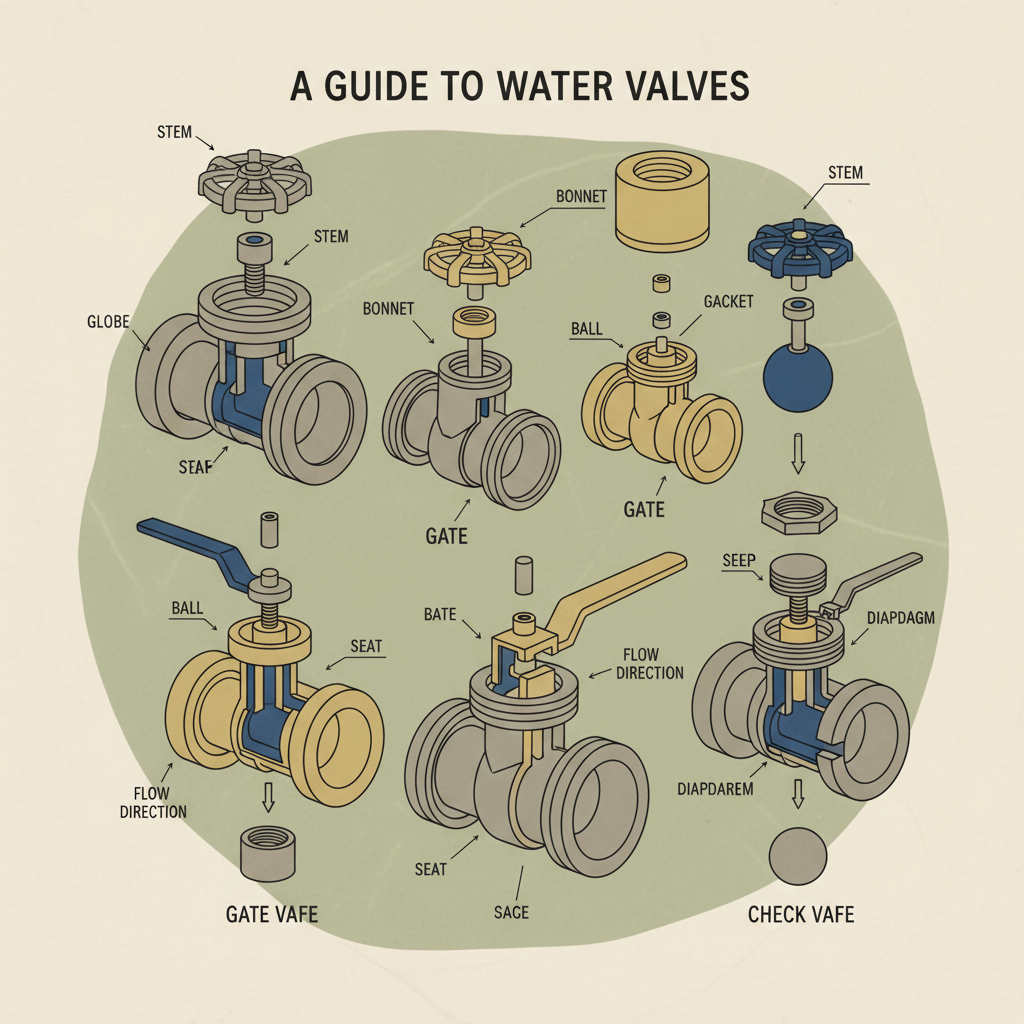
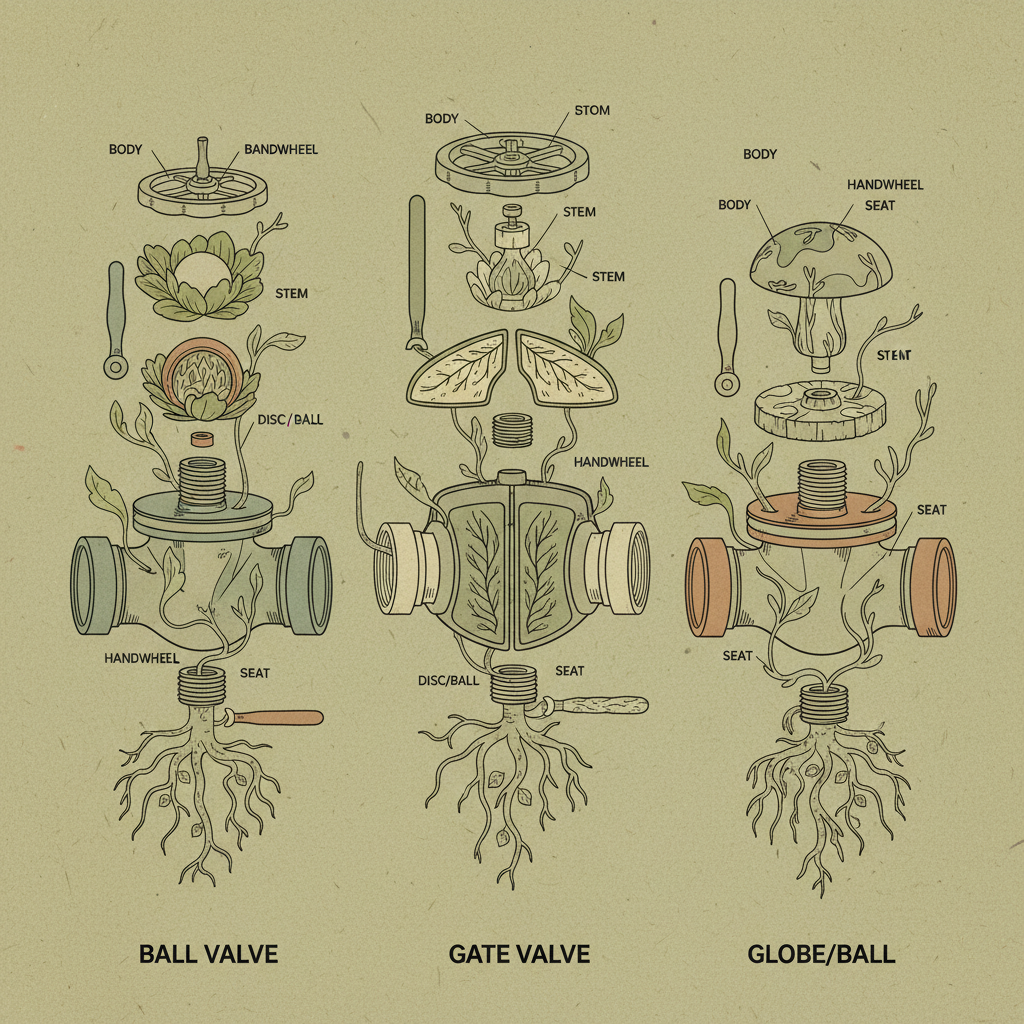
To be honest, the basic ball valve, gate valve, check valve… those still do the bulk of the work. It’s the ancillaries, the automation, that are changing. We’re seeing a lot more request for modulating valves for precise flow control, especially in HVAC systems. And the demand for explosion-proof valves, particularly in oil and gas, is always steady.
Honestly? Underestimating the environment. They focus on price and specs, but forget about water quality, potential for corrosion, and future maintenance. You need to consider the entire lifecycle, not just the initial cost. It’s tempting to cheap out, but it almost always bites you in the end. A slightly more expensive valve that lasts ten years is always better than a cheap one that fails after two.
Critically important, especially for potable water systems. NSF/ANSI 61 ensures that the valve materials don’t leach harmful contaminants into the water supply. It's not just a nice-to-have, it’s a legal requirement in many jurisdictions. Don’t even consider using a valve that doesn’t have the proper certifications. It’s just not worth the risk.
Slow down the valve closure! Seriously, a lot of water hammer is caused by valves closing too quickly. Installing a slow-closing valve or a water hammer arrestor can help. Proper pipe support is also crucial. If the pipes are allowed to move around, it exacerbates the problem. And make sure your system is properly air vented. Air pockets can contribute to water hammer as well.
Automated valves offer greater precision, remote control, and data logging capabilities. They can also reduce labor costs and improve efficiency. But they’re more complex and require a reliable power source. And honestly, sometimes simplicity is best. It really depends on the application. If you just need to open and close a valve occasionally, a manual valve is perfectly fine.
At least annually, but it depends on the application. Valves in harsh environments or critical systems need more frequent inspection. Look for signs of leaks, corrosion, or wear. Lubricate moving parts as needed and replace any worn seals. Keeping a maintenance log is a good idea. It helps you track problems and identify trends.
I think we'll see more integration with IoT (Internet of Things) devices and AI-powered predictive maintenance. Valves will become smarter, more connected, and more self-diagnosing. We’ll also see a greater focus on sustainable materials and energy-efficient designs. And, unfortunately, probably more expensive. But hopefully, the added value will justify the cost.
Ultimately, different types of water valves are a deceptively simple component. There's a lot more to it than just picking a size and a material. You need to consider the application, the environment, the maintenance requirements, and the user experience. It’s a balancing act, and there’s no one-size-fits-all solution.
But here’s the thing: at the end of the day, whether this thing works or not, the worker will know the moment he tightens the screw. They'll feel it, they'll hear it, and they'll know if it's right. Trust their judgment, listen to their feedback, and always prioritize reliability. And maybe, just maybe, you'll build something that lasts. You can find more information and browse our selection of valves at www.strmachinery.com.

 Afrikaans
 Albanian
 Amharic
 Arabic
 Armenian
 Azerbaijani
 Basque
 Belarusian
 Bengali
 Bosnian
 Bulgarian
 Catalan
 Cebuano
 Corsican
 Croatian
 Czech
Czech
 Danish
 Dutch
Dutch
 Esperanto
 Estonian
 Finnish
 French
 Frisian
 Galician
 Georgian
 German
 Greek
Greek
 Gujarati
 Haitian Creole
 Hausa
Hausa
 Hawaiian
 Hebrew
 Hindi
Hindi
 Miao
Miao
 Hungarian
 Icelandic
 Igbo
Igbo
 Indonesian
 Irish
Irish
 Italian
 Japanese
 Javanese
 Kannada
 Kazakh
 Khmer
Khmer
 Rwandese
 Korean
 Kurdish
 Kyrgyz
 Lao
Lao
 Latin
Latin
 Latvian
 Lithuanian
 Luxembourgish
 Macedonian
 Malgashi
 Malay
Malay
 Malayalam
 Maltese
 Maori
Maori
 Marathi
 Mongolian
 Myanmar
 Nepali
 Norwegian
 Norwegian
 Occitan
 Pashto
 Persian
 Polish
 Portuguese
 Punjabi
 Romanian
 Russian
 Samoan
 Scottish Gaelic
 Serbian
 Sesotho
 Shona
Shona
 Sindhi
 Sinhala
 Slovak
 Slovenian
 Somali
 Spanish
 Sundanese
 Swahili
 Swedish
 Tagalog
 Tajik
Tajik
 Tamil
Tamil
 Tatar
Tatar
 Telugu
 Thai
Thai
 Turkish
 Turkmen
 Ukrainian
 Urdu
Urdu
 Uighur
 Uzbek
Uzbek
 Vietnamese
 Welsh
Welsh
 Bantu
Bantu
 Yiddish
 Yoruba
 Zulu
Zulu
 English