Water control valves are essential components in a multitude of industries and applications, playing a critical role in managing and regulating the flow of water. From municipal water systems ensuring safe drinking water to industrial processes demanding precise fluid control, these valves underpin countless operations globally. Understanding their functionality, diverse types, and evolving technologies is paramount for engineers, facility managers, and anyone involved in water resource management.
The global demand for efficient water management is increasing rapidly, driven by population growth, climate change, and industrial expansion. Statistics from the UN indicate that billions lack access to safe water, while the World Bank highlights the economic impact of water scarcity. Effective water control valves are thus not merely engineering solutions, but crucial elements in addressing these pressing global challenges and promoting sustainable development.
The increasing complexity of water distribution networks, coupled with the need for reduced leakage and optimized performance, necessitates sophisticated water control valve solutions. Innovations in materials, automation, and monitoring technologies are transforming the industry, offering greater reliability, precision, and cost-effectiveness.
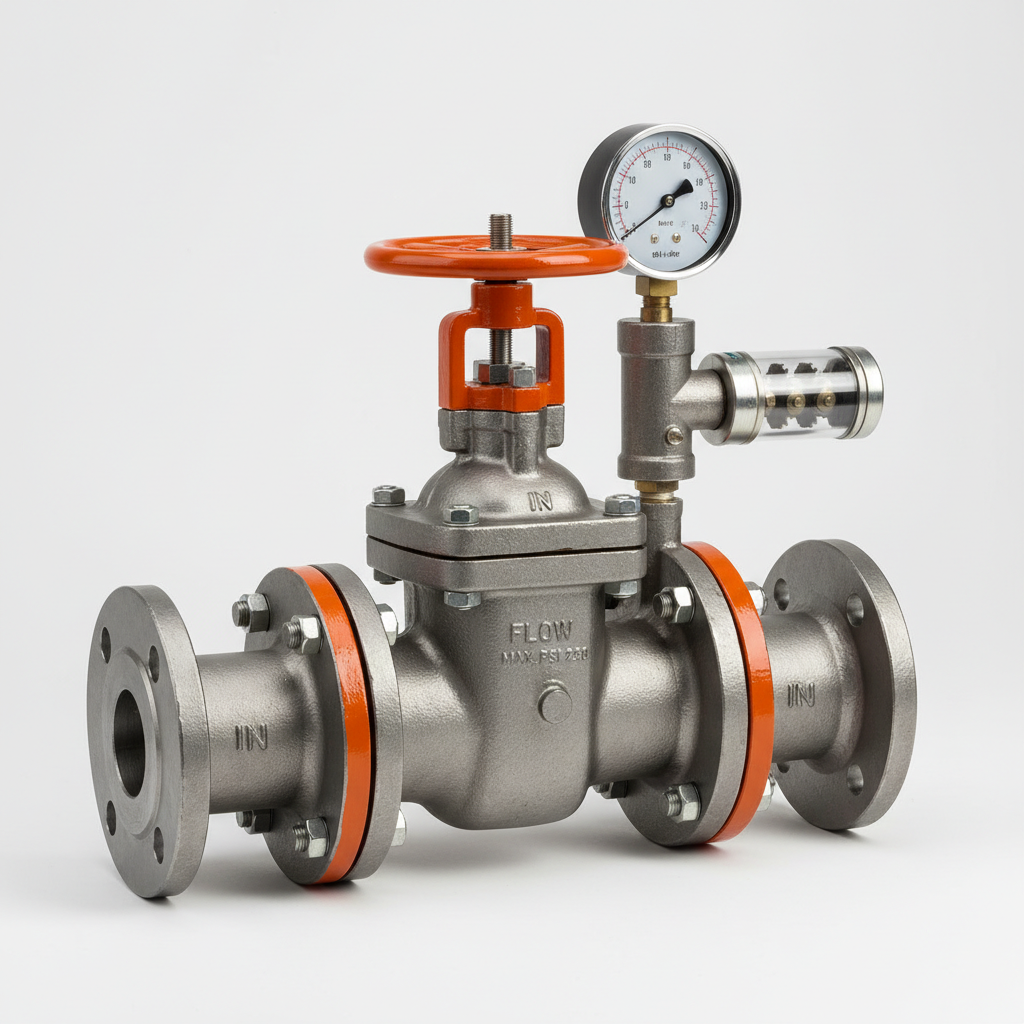
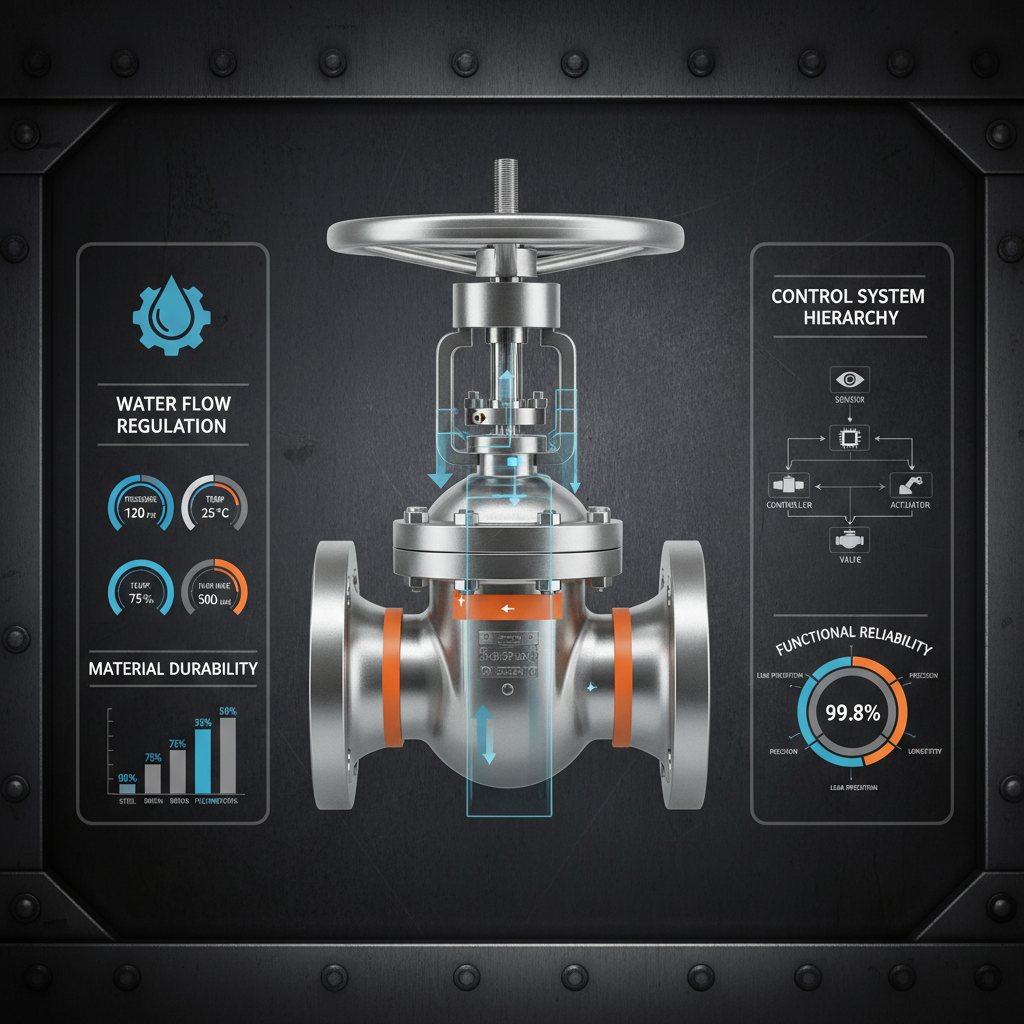
A water control valve is a device used to regulate, direct, or stop the flow of water in a pipeline or system. These valves are indispensable across a wide spectrum of applications, from controlling irrigation systems in agriculture to maintaining pressure in municipal water supplies. Their precise operation ensures efficient water distribution, preventing wastage and optimizing performance.
The significance of choosing the right water control valve cannot be overstated. Factors such as flow rate, pressure, fluid compatibility, and environmental conditions all influence the selection process. A properly selected and maintained valve ensures system reliability, minimizes downtime, and contributes to long-term cost savings.
The lifespan of a water control valve varies significantly depending on the material, application, and maintenance schedule. However, with proper installation and regular maintenance, a high-quality valve can typically last between 15 and 30 years, or even longer in ideal conditions. Regular inspections for corrosion, leaks, and wear are vital to maximizing valve lifespan and ensuring optimal performance. Selecting valves constructed from durable materials like stainless steel or specialized alloys also extends longevity.
Water control valves should be inspected at least annually, and more frequently in demanding applications. Routine maintenance includes checking for leaks, corrosion, and proper operation. Lubricating moving parts and cleaning valve components are also essential. A preventative maintenance program can identify potential issues before they escalate, minimizing downtime and extending the valve’s service life. Detailed record-keeping of inspections and maintenance activities is recommended.
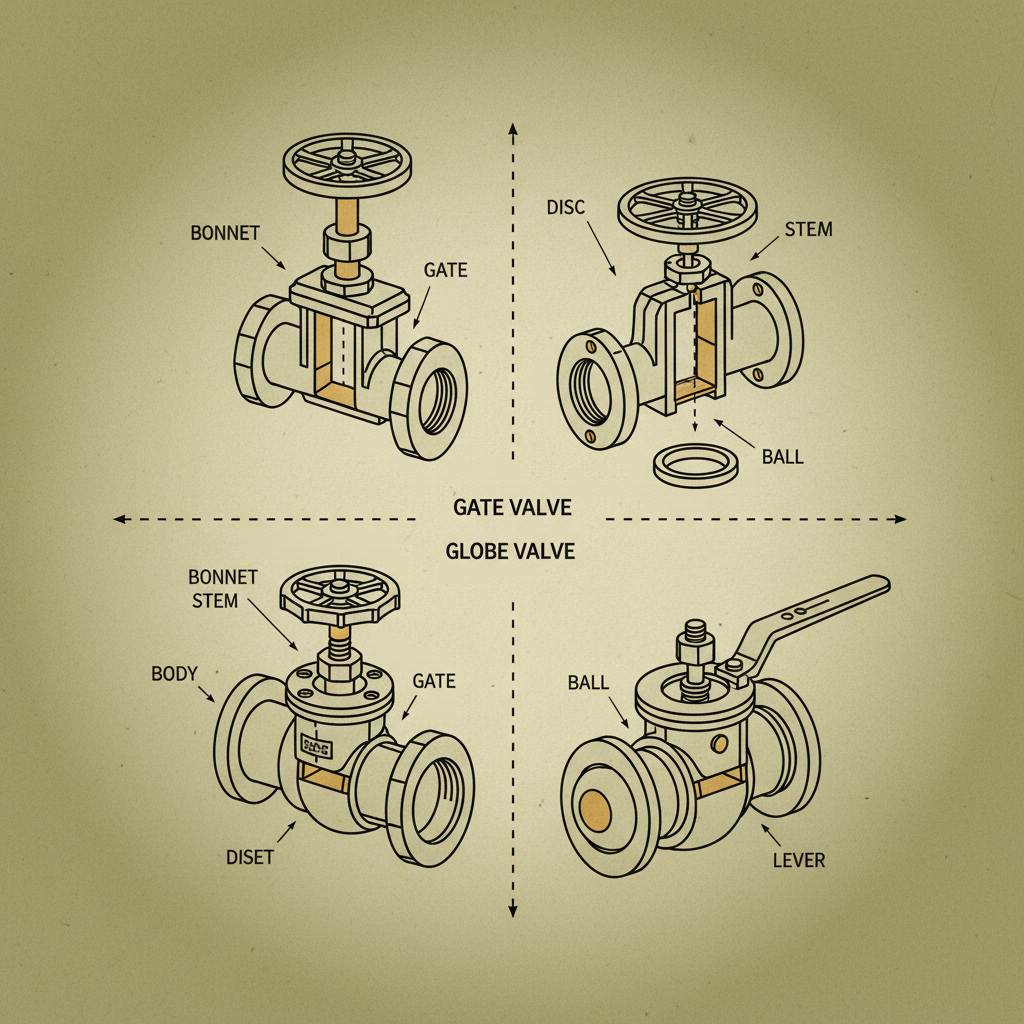
Gate valves are ideal for on/off service, providing minimal flow restriction when fully open. Globe valves are suitable for throttling flow and offer precise control, but create more flow resistance. Ball valves provide quick shut-off and are relatively simple to operate, making them suitable for various applications. The choice depends on specific system requirements. Gate valves are not ideal for throttling, while ball valves don't offer precise flow control like globe valves.
Common materials include brass, stainless steel, cast iron, and various polymers. Brass is cost-effective and corrosion-resistant, while stainless steel offers superior durability and resistance to harsh environments. Cast iron is robust but susceptible to corrosion. Polymers are lightweight and can be tailored for specific fluid compatibility. The best material depends on the application, fluid type, and operating conditions.
Determining the correct valve size requires careful consideration of flow rate, pressure drop, and fluid viscosity. Consult valve sizing charts and engineering guidelines. Factors like pipe diameter, system layout, and operational requirements also play a role. Improper sizing can lead to reduced efficiency, increased wear, and potential system failure. Accurate calculations are critical for optimal performance.
Yes, several emerging technologies are shaping the future of water control valve design. These include smart valves with IoT integration for remote monitoring and control, self-healing materials for increased durability, and advanced coatings to prevent corrosion. Digitalization and data analytics are also playing a key role, enabling predictive maintenance and optimized system performance.
Water control valves are indispensable components in modern infrastructure, playing a critical role in managing and conserving this vital resource. From ensuring safe drinking water to optimizing industrial processes, their reliable operation is essential for a sustainable future. Understanding the diverse types, key characteristics, and emerging technologies associated with these valves empowers engineers, facility managers, and policymakers to make informed decisions and implement effective water management strategies.
Looking ahead, continued innovation in materials, automation, and data analytics will further enhance the performance and efficiency of water control valve systems. Embracing these advancements is crucial for addressing the growing global challenges of water scarcity and environmental sustainability. For a complete range of high-quality water control valve solutions and expert guidance, visit our website at www.strmachinery.com.

 Afrikaans
 Albanian
 Amharic
 Arabic
 Armenian
 Azerbaijani
 Basque
 Belarusian
 Bengali
 Bosnian
 Bulgarian
 Catalan
 Cebuano
 Corsican
 Croatian
 Czech
Czech
 Danish
 Dutch
Dutch
 Esperanto
 Estonian
 Finnish
 French
 Frisian
 Galician
 Georgian
 German
 Greek
Greek
 Gujarati
 Haitian Creole
 Hausa
Hausa
 Hawaiian
 Hebrew
 Hindi
Hindi
 Miao
Miao
 Hungarian
 Icelandic
 Igbo
Igbo
 Indonesian
 Irish
Irish
 Italian
 Japanese
 Javanese
 Kannada
 Kazakh
 Khmer
Khmer
 Rwandese
 Korean
 Kurdish
 Kyrgyz
 Lao
Lao
 Latin
Latin
 Latvian
 Lithuanian
 Luxembourgish
 Macedonian
 Malgashi
 Malay
Malay
 Malayalam
 Maltese
 Maori
Maori
 Marathi
 Mongolian
 Myanmar
 Nepali
 Norwegian
 Norwegian
 Occitan
 Pashto
 Persian
 Polish
 Portuguese
 Punjabi
 Romanian
 Russian
 Samoan
 Scottish Gaelic
 Serbian
 Sesotho
 Shona
Shona
 Sindhi
 Sinhala
 Slovak
 Slovenian
 Somali
 Spanish
 Sundanese
 Swahili
 Swedish
 Tagalog
 Tajik
Tajik
 Tamil
Tamil
 Tatar
Tatar
 Telugu
 Thai
Thai
 Turkish
 Turkmen
 Ukrainian
 Urdu
Urdu
 Uighur
 Uzbek
Uzbek
 Vietnamese
 Welsh
Welsh
 Bantu
Bantu
 Yiddish
 Yoruba
 Zulu
Zulu
 English