Metal valves are integral components in a vast array of industrial processes and infrastructure systems globally. From controlling the flow of essential resources like water and oil to regulating steam in power plants, these mechanical devices ensure safe and efficient operation. Understanding their design, function, and application is crucial for engineers, technicians, and anyone involved in these industries. The increasing demand for efficient resource management and safety standards drives continuous innovation in metal valve technology.
The global market for metal valves is substantial and continuously expanding, driven by infrastructure development in emerging economies and the need for upgrades in established industrial nations. According to recent industry reports, the global valve market is projected to reach billions of dollars in the coming years. This growth is fueled by factors such as increased urbanization, rising energy demand, and stricter environmental regulations. A robust supply chain and specialized manufacturing capabilities are essential to meet this demand.
Beyond industrial applications, reliable metal valve systems are critical for public safety and environmental protection. They play a vital role in water treatment plants, sewage systems, and fire suppression systems, safeguarding communities and ecosystems. The importance of these seemingly simple components often goes unnoticed until a failure occurs, highlighting the need for ongoing maintenance, inspection, and technological advancements.


Metal valves are foundational to numerous industrial sectors, including oil and gas, chemical processing, power generation, and water treatment. Their ability to precisely control fluid flow is paramount to the efficiency and safety of these operations. Without reliable metal valve systems, the potential for catastrophic failures and environmental damage significantly increases.
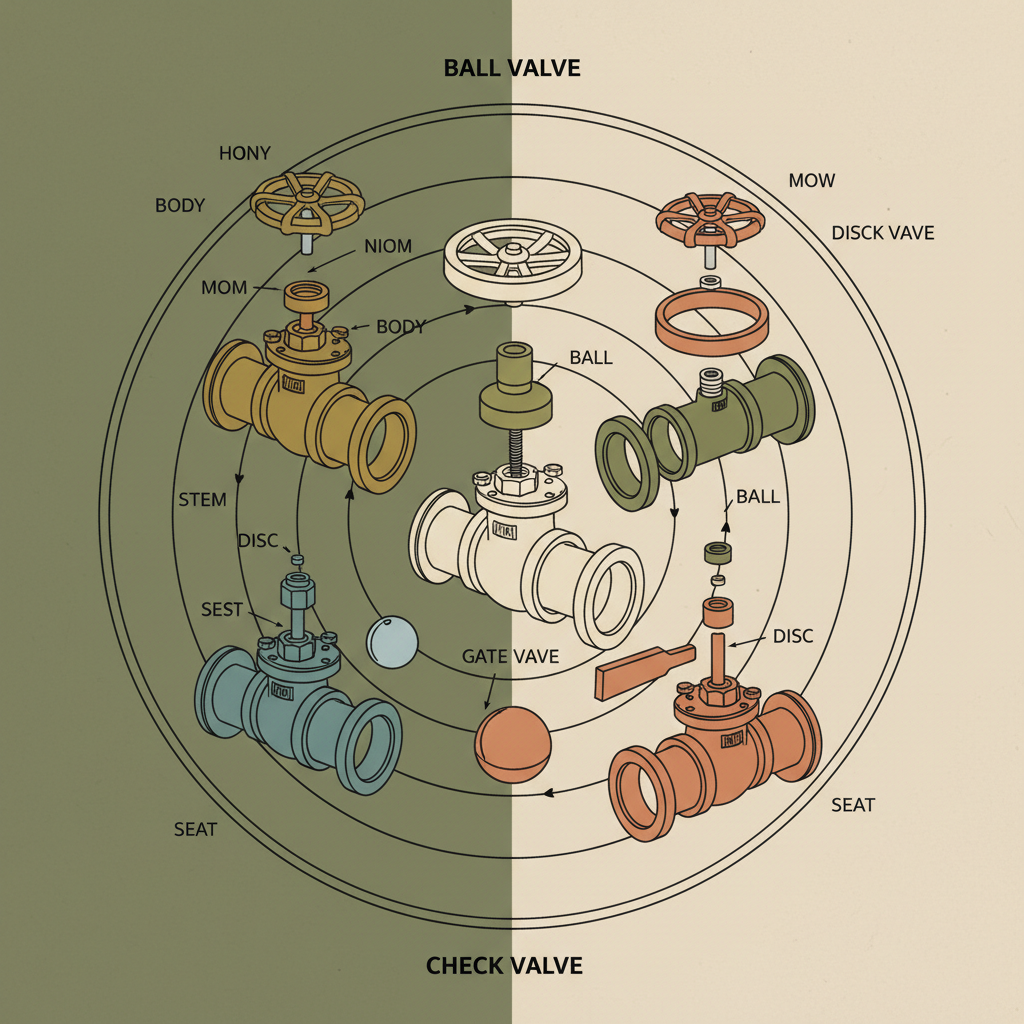
The selection of the appropriate metal valve for a specific application is a critical engineering decision. Factors such as the fluid being controlled, temperature, pressure, and corrosion resistance must be carefully considered to ensure long-term performance and reliability. Specialized valve designs, like ball valves, gate valves, and butterfly valves, are tailored to specific needs and operating conditions.
When dealing with corrosive environments, material selection is paramount. Stainless steel alloys, particularly those with molybdenum content, offer excellent resistance to a wide range of corrosive agents. Consider factors like the specific chemical composition of the fluid, temperature, and pressure. Coatings and special alloys can further enhance corrosion resistance. Proper installation and regular inspection are also crucial for preventing failures.
The frequency of inspection and maintenance depends on the application and operating conditions. However, a general guideline is to inspect valves at least annually. More critical applications may require quarterly or even monthly inspections. Maintenance tasks include checking for leaks, lubricating moving parts, and verifying the proper operation of actuators. Regular preventative maintenance significantly extends the lifespan of metal valve systems.
Ball valves offer quick on/off control and tight shutoff. Gate valves provide minimal flow restriction in the open position but are slow to operate. Butterfly valves are lightweight and cost-effective, suitable for large-diameter pipes. Each type has specific advantages and limitations, making them suitable for different applications. The fluid type, pressure, temperature, and required control precision all influence the optimal valve choice.
Visible signs of leakage, such as drips or puddles around the valve body, are the most obvious indicators. However, even small leaks can be detected using ultrasonic leak detectors. Changes in pressure or flow rate can also signal a leak. Regularly inspecting valve seals and connections is vital for early detection and preventative maintenance.
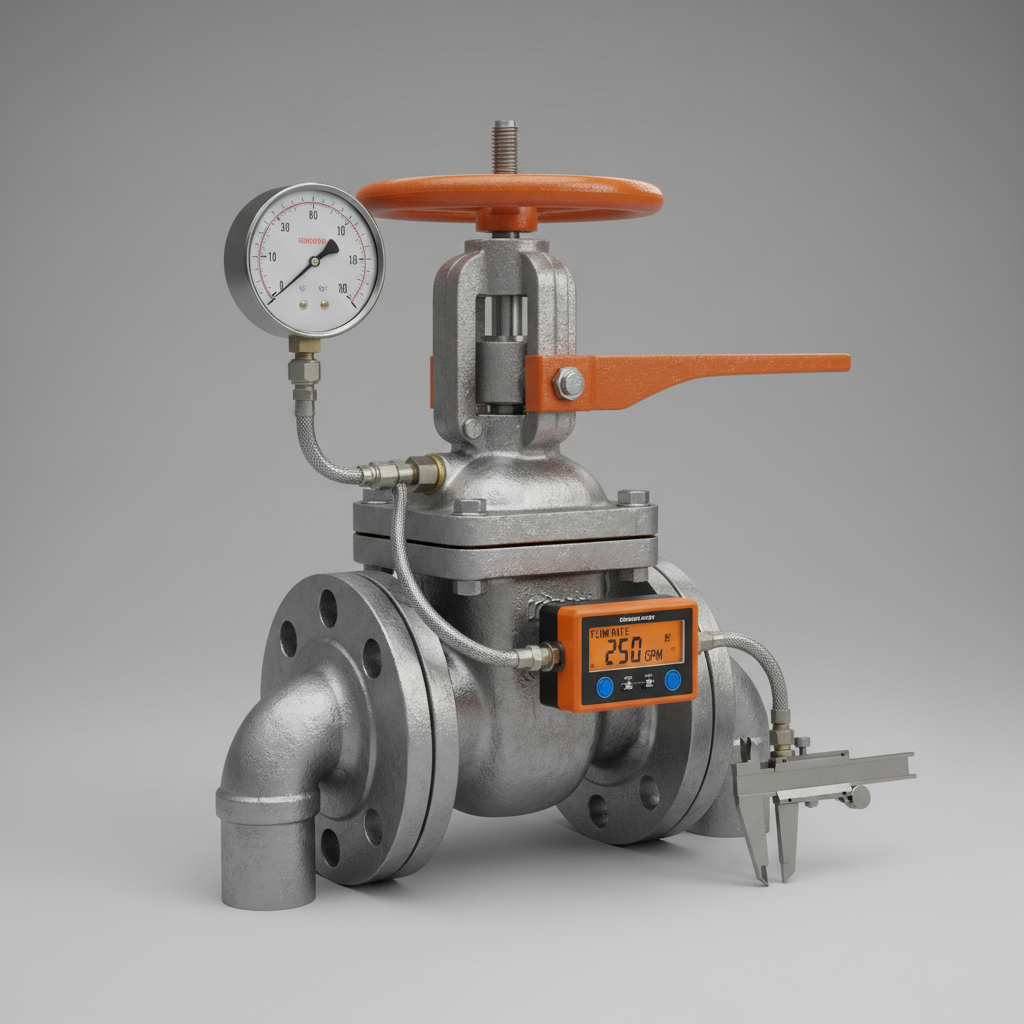
Smart metal valves offer numerous benefits, including remote monitoring, predictive maintenance, and optimized performance. Sensors integrated into the valve provide real-time data on flow rate, pressure, temperature, and valve position. This data allows for proactive troubleshooting, reduced downtime, and improved operational efficiency. They also facilitate better integration with automated control systems.
Common causes include corrosion, erosion, wear and tear, improper installation, and inadequate maintenance. High pressures, extreme temperatures, and abrasive fluids can accelerate valve degradation. Foreign object damage and incorrect operating procedures can also contribute to failures. Regular inspections and preventative maintenance are crucial for mitigating these risks.
In conclusion, metal valves are fundamental components of modern industry and infrastructure, enabling the safe and efficient control of fluids across a wide range of applications. Their durability, reliability, and sealing efficiency are paramount to operational success and public safety. Continuous innovation in materials, design, and digital technologies is further enhancing their performance and sustainability.
Looking ahead, the integration of smart technologies and a greater emphasis on sustainable practices will shape the future of the metal valve industry. Investing in high-quality valves, implementing robust maintenance programs, and embracing emerging technologies are key to maximizing long-term value and ensuring a reliable supply of essential resources. Visit our website at www.strmachinery.com to explore our comprehensive range of metal valve solutions.

 Afrikaans
 Albanian
 Amharic
 Arabic
 Armenian
 Azerbaijani
 Basque
 Belarusian
 Bengali
 Bosnian
 Bulgarian
 Catalan
 Cebuano
 Corsican
 Croatian
 Czech
Czech
 Danish
 Dutch
Dutch
 Esperanto
 Estonian
 Finnish
 French
 Frisian
 Galician
 Georgian
 German
 Greek
Greek
 Gujarati
 Haitian Creole
 Hausa
Hausa
 Hawaiian
 Hebrew
 Hindi
Hindi
 Miao
Miao
 Hungarian
 Icelandic
 Igbo
Igbo
 Indonesian
 Irish
Irish
 Italian
 Japanese
 Javanese
 Kannada
 Kazakh
 Khmer
Khmer
 Rwandese
 Korean
 Kurdish
 Kyrgyz
 Lao
Lao
 Latin
Latin
 Latvian
 Lithuanian
 Luxembourgish
 Macedonian
 Malgashi
 Malay
Malay
 Malayalam
 Maltese
 Maori
Maori
 Marathi
 Mongolian
 Myanmar
 Nepali
 Norwegian
 Norwegian
 Occitan
 Pashto
 Persian
 Polish
 Portuguese
 Punjabi
 Romanian
 Russian
 Samoan
 Scottish Gaelic
 Serbian
 Sesotho
 Shona
Shona
 Sindhi
 Sinhala
 Slovak
 Slovenian
 Somali
 Spanish
 Sundanese
 Swahili
 Swedish
 Tagalog
 Tajik
Tajik
 Tamil
Tamil
 Tatar
Tatar
 Telugu
 Thai
Thai
 Turkish
 Turkmen
 Ukrainian
 Urdu
Urdu
 Uighur
 Uzbek
Uzbek
 Vietnamese
 Welsh
Welsh
 Bantu
Bantu
 Yiddish
 Yoruba
 Zulu
Zulu
 English