Look, I’ve been running around construction sites for twenty years, getting my hands dirty, and honestly, these days everyone’s talking about smart water management. It's not just about saving a few bucks on the water bill anymore; it's about efficiency, sustainability, and, frankly, keeping projects on schedule. I’ve seen too many delays because of simple plumbing issues. It’s a big shift, and it all comes down to better shut off water valves - different types of shut off water valves, smarter designs, more reliable materials. It’s a whole different ball game than what my old man used to deal with.
You wouldn't believe the number of times I've seen projects held up because of a faulty valve. Simple things, right? But it's a domino effect. And the pressure to build faster, cheaper…well, that’s where corners get cut, and that's where the problems start. I spend half my life trying to explain why using the cheapest valve isn't actually the cheapest option in the long run.
And the designers! Bless their hearts, they spend all day looking at CAD drawings. They often forget what it's like to actually wrestle with these things on a muddy job site.
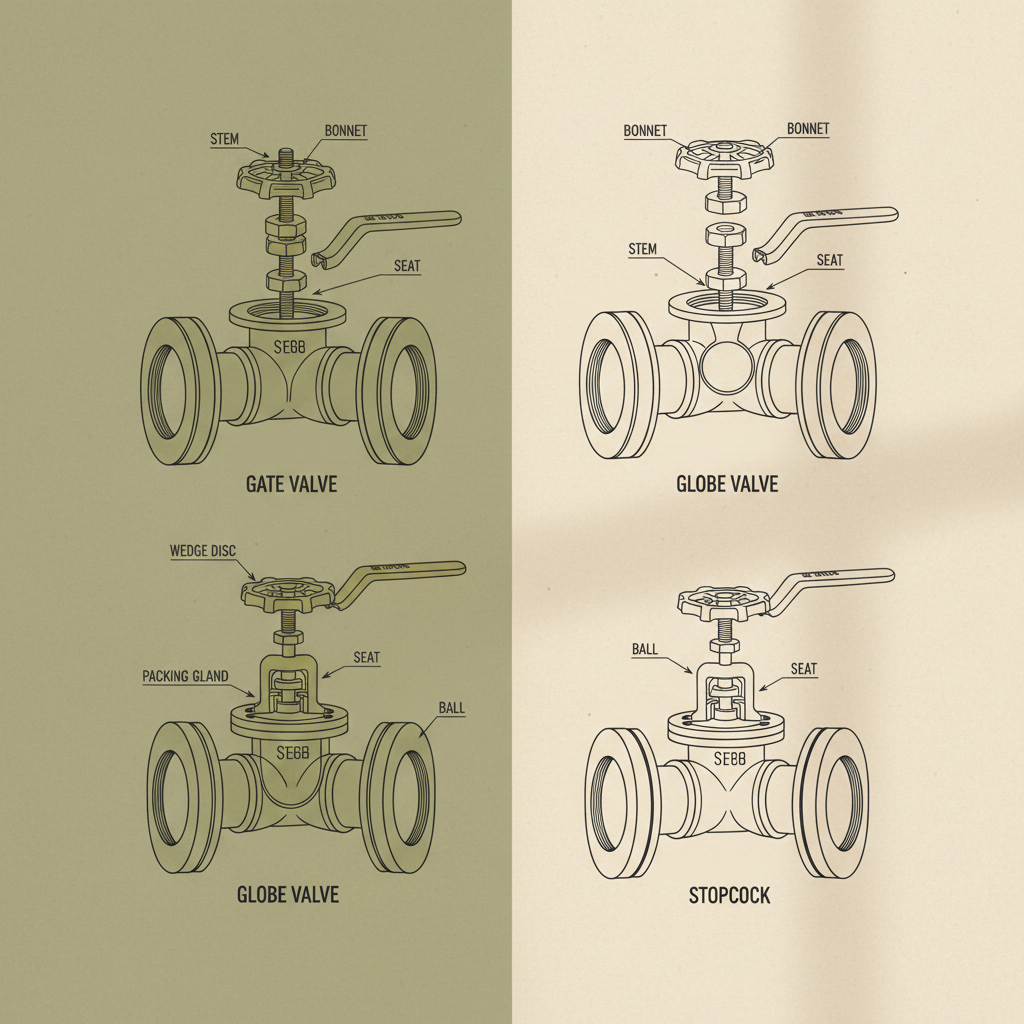
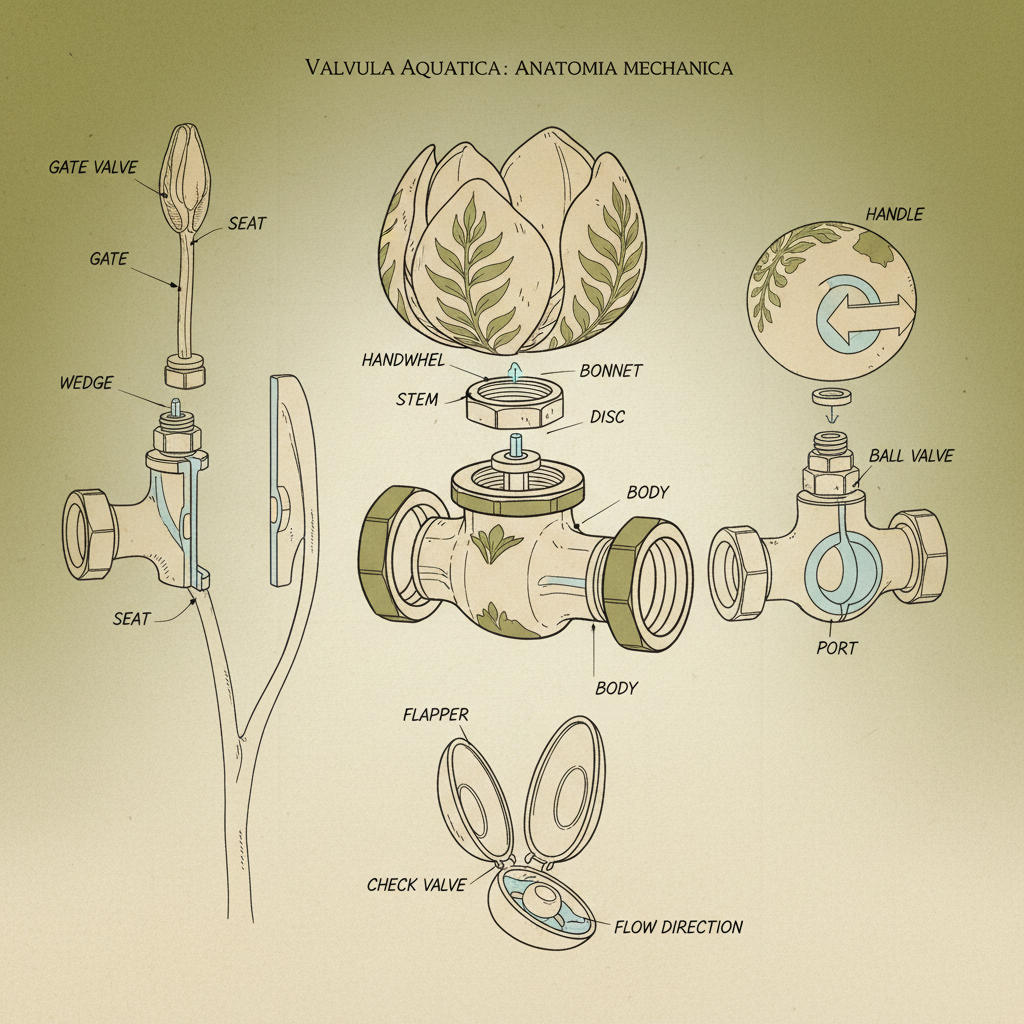
So, where are we at right now? Everyone’s looking at IoT integration – sensors, remote monitoring, automatic shutoff in case of leaks. It sounds fancy, and it can be, but honestly, it all hinges on the valve itself. You can have the smartest software in the world, but if the valve fails, it’s all useless. I was at a factory in Ningbo last month, and they're experimenting with valves that can adjust flow based on demand – supposed to save a fortune in large-scale industrial applications. Still early days, though.
What’s really driving this, though, isn’t just the tech. It’s water scarcity. People are starting to realize water isn't an unlimited resource. And regulations are getting tighter, demanding more efficient water usage on construction projects. It’s not just about being green; it’s about avoiding hefty fines.
Honestly, it's always about price. They go for the cheapest option, thinking it’ll save them money. But a cheap valve is just a ticking time bomb. You'll end up paying more in the long run with repairs, downtime, and potential water damage. I’ve seen it happen countless times. It’s always better to invest in quality upfront.
It depends. For large-scale industrial applications, absolutely. They can prevent major disasters and save a ton of money. But for a typical residential setup? Maybe not. The cost of installation and maintenance can be significant. It’s only worth it if you’re really concerned about leaks and water damage.
Look for drips around the stem or handle, difficulty turning the valve, or a squealing noise when it's open or closed. Rust is always a bad sign. And if you notice a decrease in water pressure, that could also indicate a problem. Don't ignore those warning signs!
Super important. It means the valve has been tested and meets certain safety and performance standards. Don't buy anything that isn't certified, especially for drinking water applications. You don’t want to be messing with lead or other harmful contaminants.
Exercise it! Don't let it sit unused for years. Turn it on and off a few times a year to keep it from seizing up. And if it’s a manual valve, lubricate the stem occasionally. It's a simple thing, but it can prevent a lot of headaches.
Depends on the leak and your skill level. Minor drips can sometimes be fixed with a new O-ring or packing nut. But if the valve is badly corroded or the stem is damaged, it’s usually best to just replace it. Messing with a damaged valve can be dangerous.
So, after all these years, the core lesson remains: good water management starts with solid, reliable shut off valves. It's not glamorous, it’s not high-tech, but it’s absolutely essential. Ignoring it will cost you time, money, and a whole lot of stress. The fancy sensors and smart controls are great, but they’re useless without a dependable valve underneath it all.
Ultimately, whether this thing works or not, the worker will know the moment he tightens the screw. And that’s the truth. If it feels solid, if it operates smoothly, if it doesn’t leak…then you’ve got a good valve. And that’s all that really matters. If you're looking for advice, or need help finding the right valve for your project, check out STR Machinery.
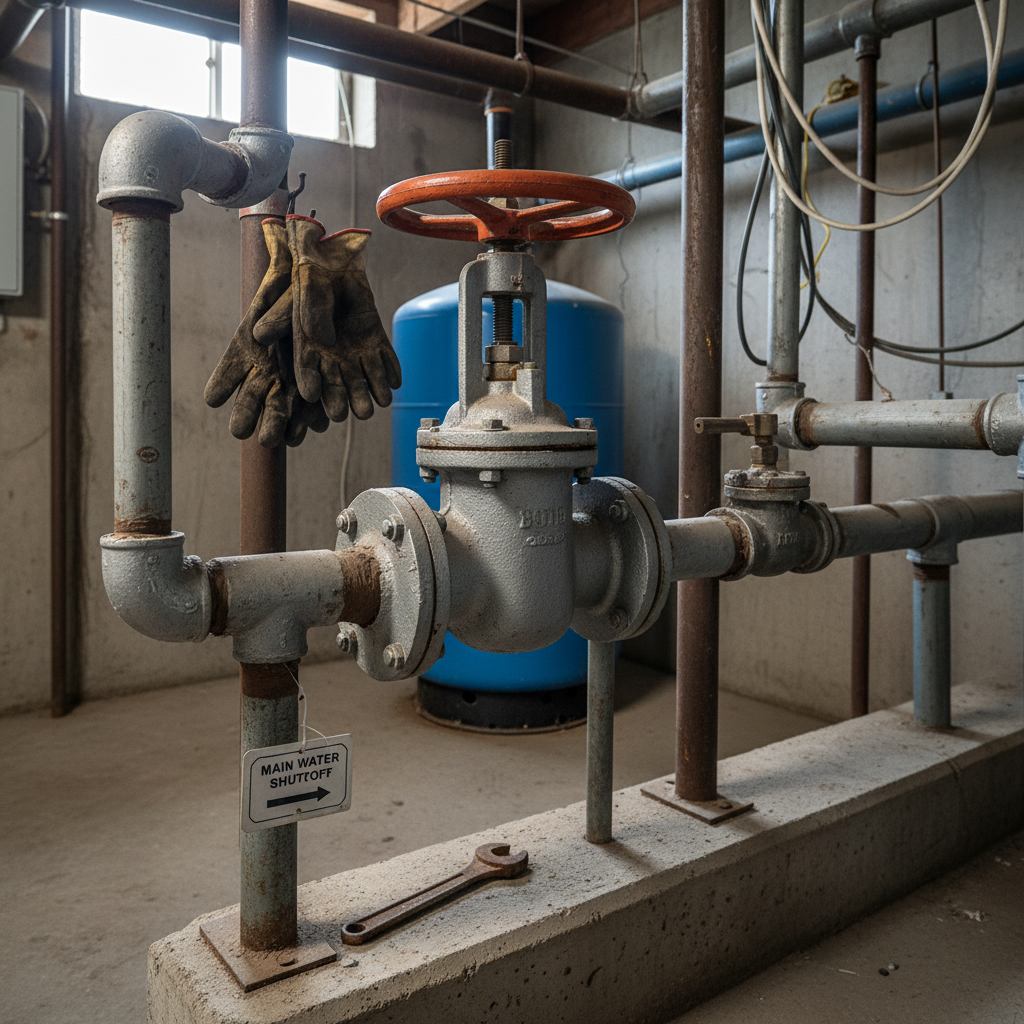
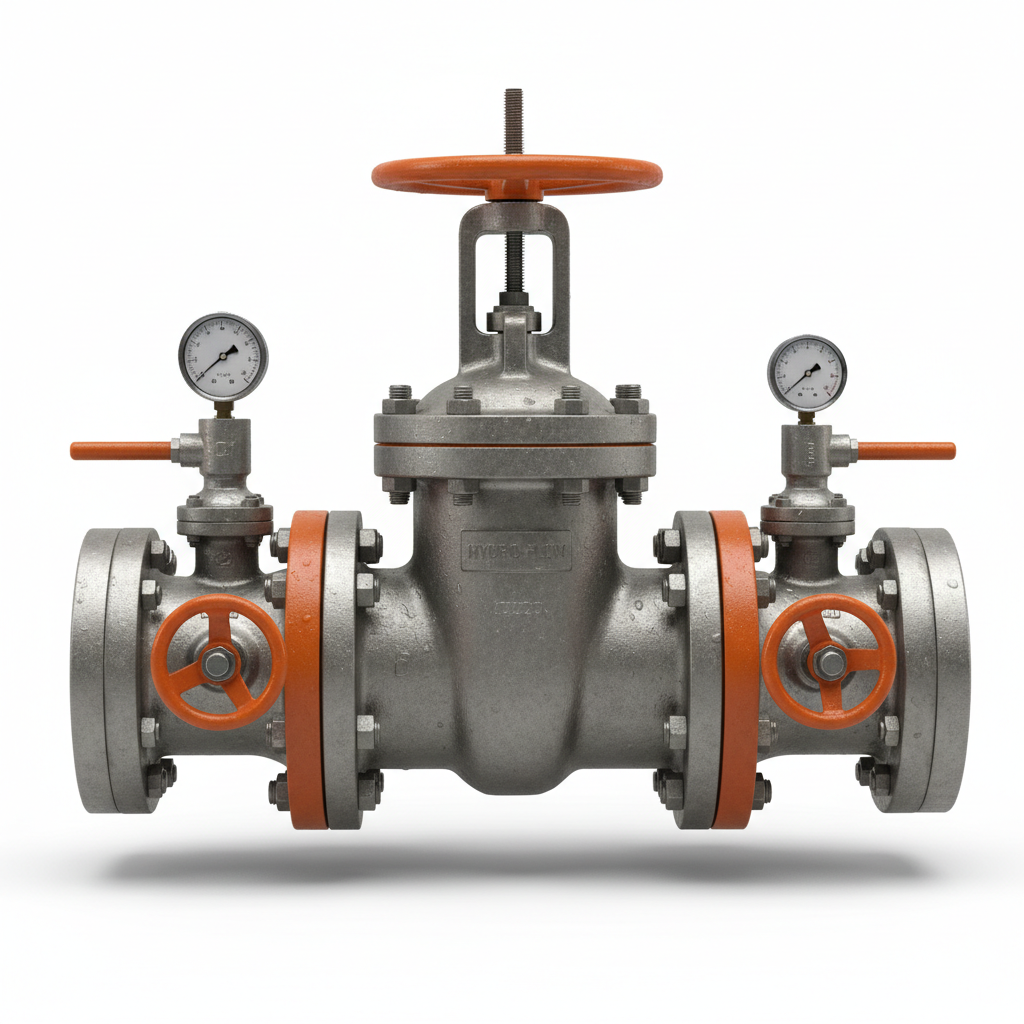

 Afrikaans
 Albanian
 Amharic
 Arabic
 Armenian
 Azerbaijani
 Basque
 Belarusian
 Bengali
 Bosnian
 Bulgarian
 Catalan
 Cebuano
 Corsican
 Croatian
 Czech
Czech
 Danish
 Dutch
Dutch
 Esperanto
 Estonian
 Finnish
 French
 Frisian
 Galician
 Georgian
 German
 Greek
Greek
 Gujarati
 Haitian Creole
 Hausa
Hausa
 Hawaiian
 Hebrew
 Hindi
Hindi
 Miao
Miao
 Hungarian
 Icelandic
 Igbo
Igbo
 Indonesian
 Irish
Irish
 Italian
 Japanese
 Javanese
 Kannada
 Kazakh
 Khmer
Khmer
 Rwandese
 Korean
 Kurdish
 Kyrgyz
 Lao
Lao
 Latin
Latin
 Latvian
 Lithuanian
 Luxembourgish
 Macedonian
 Malgashi
 Malay
Malay
 Malayalam
 Maltese
 Maori
Maori
 Marathi
 Mongolian
 Myanmar
 Nepali
 Norwegian
 Norwegian
 Occitan
 Pashto
 Persian
 Polish
 Portuguese
 Punjabi
 Romanian
 Russian
 Samoan
 Scottish Gaelic
 Serbian
 Sesotho
 Shona
Shona
 Sindhi
 Sinhala
 Slovak
 Slovenian
 Somali
 Spanish
 Sundanese
 Swahili
 Swedish
 Tagalog
 Tajik
Tajik
 Tamil
Tamil
 Tatar
Tatar
 Telugu
 Thai
Thai
 Turkish
 Turkmen
 Ukrainian
 Urdu
Urdu
 Uighur
 Uzbek
Uzbek
 Vietnamese
 Welsh
Welsh
 Bantu
Bantu
 Yiddish
 Yoruba
 Zulu
Zulu
 English