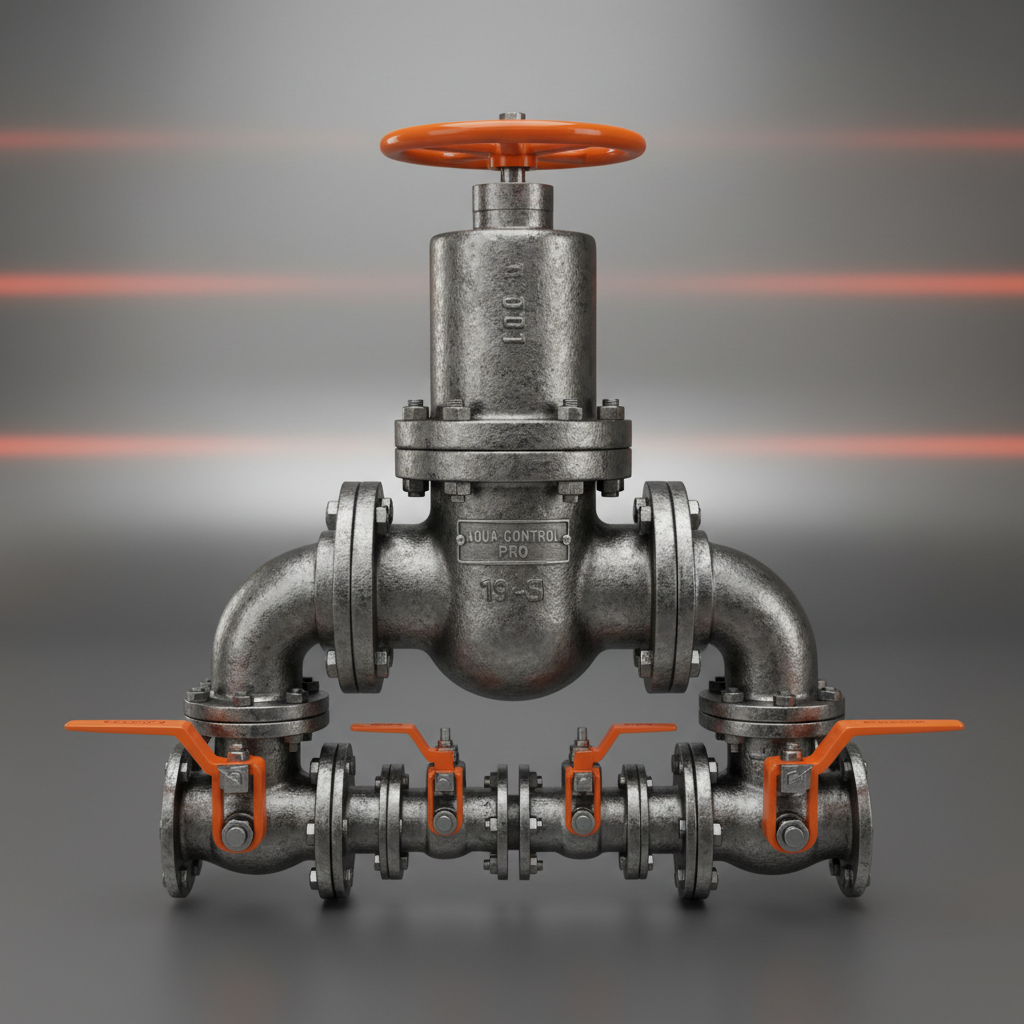
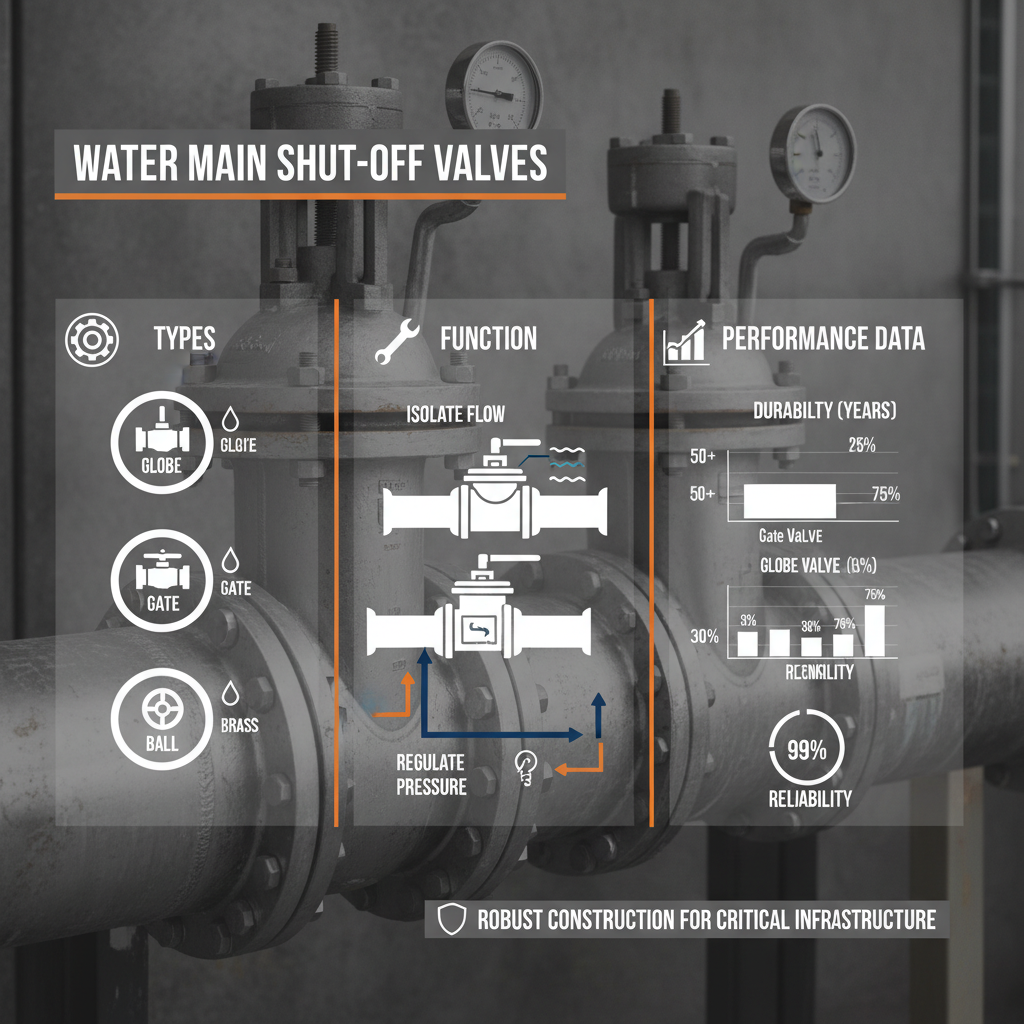
The efficient and reliable control of fluid flow is paramount across countless industries, and the humble open water valve plays a critical, often unseen, role in achieving this. From municipal water distribution networks to complex industrial processes, these valves regulate the supply of essential resources and ensure operational safety. Understanding the nuances of open water valve design, implementation, and maintenance is therefore not merely a technical concern but a matter of global infrastructure stability and public well-being.
Globally, the need for robust and accessible water management systems is escalating due to population growth, climate change, and increasing industrial demands. The United Nations estimates that billions lack access to safe water, and this scarcity is often exacerbated by inefficient or poorly maintained infrastructure. The efficient operation of open water valve systems is a cornerstone of addressing this challenge, minimizing water loss and ensuring equitable distribution. The ISO standards related to valve performance and materials highlight the importance of quality control and long-term reliability.
Beyond water supply, open water valve applications extend to wastewater treatment, irrigation, power generation, and numerous other critical sectors. Addressing challenges related to corrosion, pressure regulation, and flow control requires a comprehensive understanding of valve technology and its integration within broader system architectures. The continuing need for innovation in this field is directly linked to sustainability goals and the efficient use of vital resources.
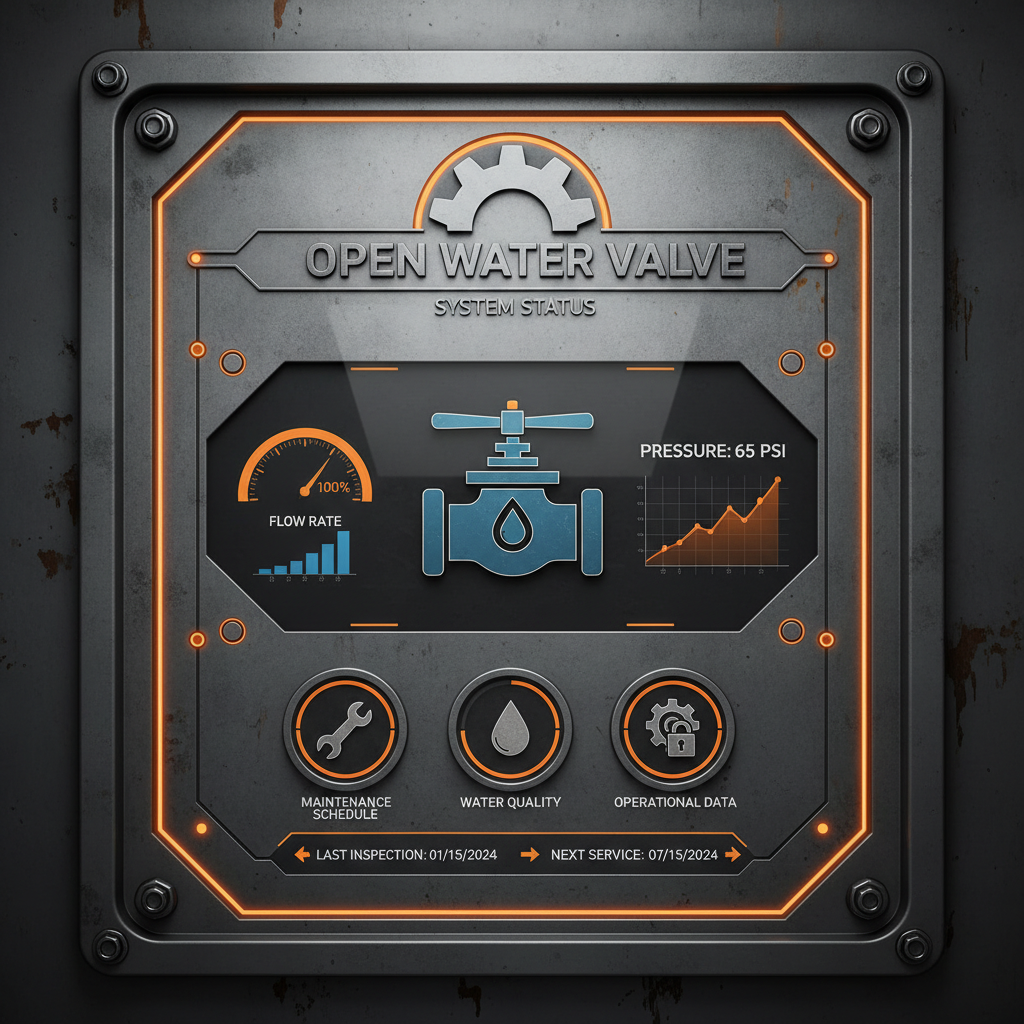
An open water valve is a mechanical device designed to control the flow of water through a pipeline or system. Unlike closed valves, which completely stop flow, open water valves regulate the amount of water passing through, allowing for precise control over pressure, volume, and distribution. This regulation is achieved through the manipulation of an internal mechanism, often a gate, globe, or butterfly disc.
The connection to modern industry and humanitarian needs is direct and profound. Industrial processes rely on consistent and precisely controlled water flow for cooling, cleaning, and chemical mixing. In humanitarian contexts, open water valve systems are vital for providing access to clean drinking water, supporting sanitation facilities, and enabling agricultural irrigation. Their robust construction and relative simplicity make them suitable for deployment in remote or challenging environments.
Selecting an open water valve for high-pressure applications requires careful consideration of the valve’s pressure rating, material compatibility, and sealing mechanism. Ensure the valve’s maximum pressure rating exceeds the system's operating pressure, and choose materials resistant to corrosion and erosion. A robust sealing design is critical to prevent leakage. Furthermore, consider the actuator type, as some actuators are better suited for high-pressure control than others. Regularly check pressure testing certifications.
Regular inspection and maintenance are crucial for optimal open water valve performance. A visual inspection should be conducted at least quarterly to check for leaks, corrosion, and damage. Annual preventative maintenance should include lubrication of moving parts, inspection of seals, and testing of actuators. The frequency of maintenance may need to be increased in harsh environments or high-demand applications. Maintain detailed records of all inspections and maintenance activities.
Common failure causes in open water valve include corrosion, erosion, sediment buildup, and actuator malfunction. Prevention involves selecting appropriate materials for the application, implementing a regular cleaning and inspection schedule, using strainers to remove sediment, and ensuring proper lubrication. Protecting valves from extreme temperatures and UV exposure can also extend their lifespan.
Yes, many open water valve systems can be retrofitted with smart sensors for remote monitoring. These sensors can track parameters such as pressure, flow rate, temperature, and valve position. The data can be transmitted wirelessly to a central monitoring system, enabling proactive maintenance and optimization. Retrofitting is often a cost-effective alternative to replacing existing valves with smart valves.
Valve actuators are integral to automated water management systems, providing the force needed to open and close open water valve remotely and precisely. They enable automated control of water flow based on real-time data from sensors and pre-programmed schedules. Different actuator types (electric, pneumatic, hydraulic) offer varying levels of control and responsiveness, depending on the application requirements.
Valve body materials significantly impact performance and longevity. Cast iron is cost-effective but susceptible to corrosion. Stainless steel offers excellent corrosion resistance but is more expensive. PVC is lightweight and corrosion-resistant but has lower pressure ratings. The choice depends on the application’s fluid type, pressure, temperature, and environmental conditions. Proper material selection maximizes the valve's lifespan and minimizes maintenance.
The open water valve, often overlooked, is a fundamental component of modern infrastructure and a crucial enabler of sustainable water management. From ensuring access to clean drinking water to optimizing industrial processes, its role is both pervasive and essential. Understanding the nuances of valve design, maintenance, and emerging technologies is paramount for maximizing efficiency, reliability, and longevity.
Looking ahead, the integration of smart sensors, automation, and advanced materials will continue to drive innovation in this field. Investing in high-quality valves and prioritizing preventative maintenance will not only reduce costs and minimize disruptions but also contribute to a more sustainable and resilient water future. For more information on open water valve solutions, visit our website today.

 Afrikaans
 Albanian
 Amharic
 Arabic
 Armenian
 Azerbaijani
 Basque
 Belarusian
 Bengali
 Bosnian
 Bulgarian
 Catalan
 Cebuano
 Corsican
 Croatian
 Czech
Czech
 Danish
 Dutch
Dutch
 Esperanto
 Estonian
 Finnish
 French
 Frisian
 Galician
 Georgian
 German
 Greek
Greek
 Gujarati
 Haitian Creole
 Hausa
Hausa
 Hawaiian
 Hebrew
 Hindi
Hindi
 Miao
Miao
 Hungarian
 Icelandic
 Igbo
Igbo
 Indonesian
 Irish
Irish
 Italian
 Japanese
 Javanese
 Kannada
 Kazakh
 Khmer
Khmer
 Rwandese
 Korean
 Kurdish
 Kyrgyz
 Lao
Lao
 Latin
Latin
 Latvian
 Lithuanian
 Luxembourgish
 Macedonian
 Malgashi
 Malay
Malay
 Malayalam
 Maltese
 Maori
Maori
 Marathi
 Mongolian
 Myanmar
 Nepali
 Norwegian
 Norwegian
 Occitan
 Pashto
 Persian
 Polish
 Portuguese
 Punjabi
 Romanian
 Russian
 Samoan
 Scottish Gaelic
 Serbian
 Sesotho
 Shona
Shona
 Sindhi
 Sinhala
 Slovak
 Slovenian
 Somali
 Spanish
 Sundanese
 Swahili
 Swedish
 Tagalog
 Tajik
Tajik
 Tamil
Tamil
 Tatar
Tatar
 Telugu
 Thai
Thai
 Turkish
 Turkmen
 Ukrainian
 Urdu
Urdu
 Uighur
 Uzbek
Uzbek
 Vietnamese
 Welsh
Welsh
 Bantu
Bantu
 Yiddish
 Yoruba
 Zulu
Zulu
 English