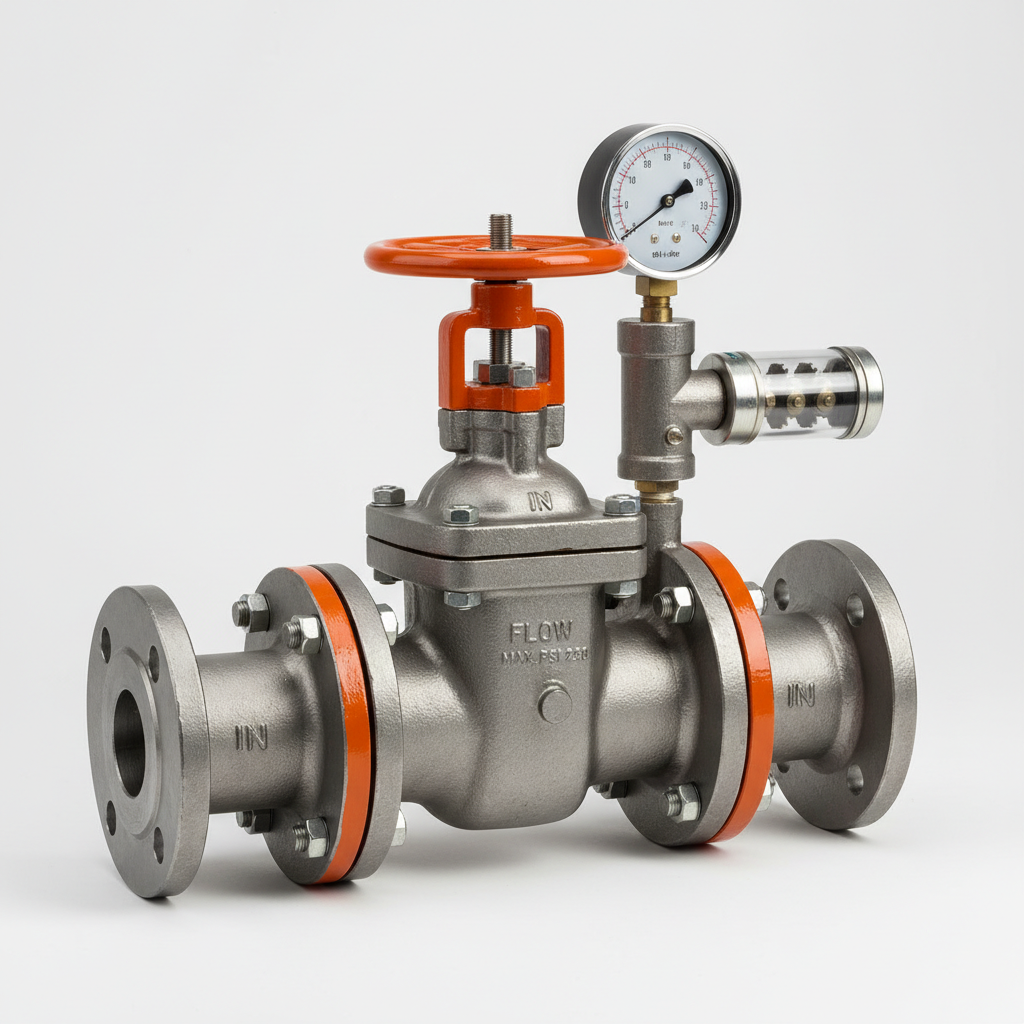
Valve water systems are fundamental to modern infrastructure, impacting everything from potable water distribution to industrial processes and agricultural irrigation. The reliable control of water flow through valves is crucial for public health, economic productivity, and environmental sustainability globally. Understanding the nuances of valve water technology, its applications, and future trends is paramount for engineers, policymakers, and anyone involved in water resource management.
Globally, access to safe and reliable water is a pressing challenge, with the UN estimating that billions lack access to clean water sources. Efficient valve water systems are integral to mitigating this crisis, reducing water loss through leakage, and optimizing distribution networks. The market for valve water technologies is significant and projected to grow, driven by increasing urbanization, industrialization, and a greater focus on water conservation.
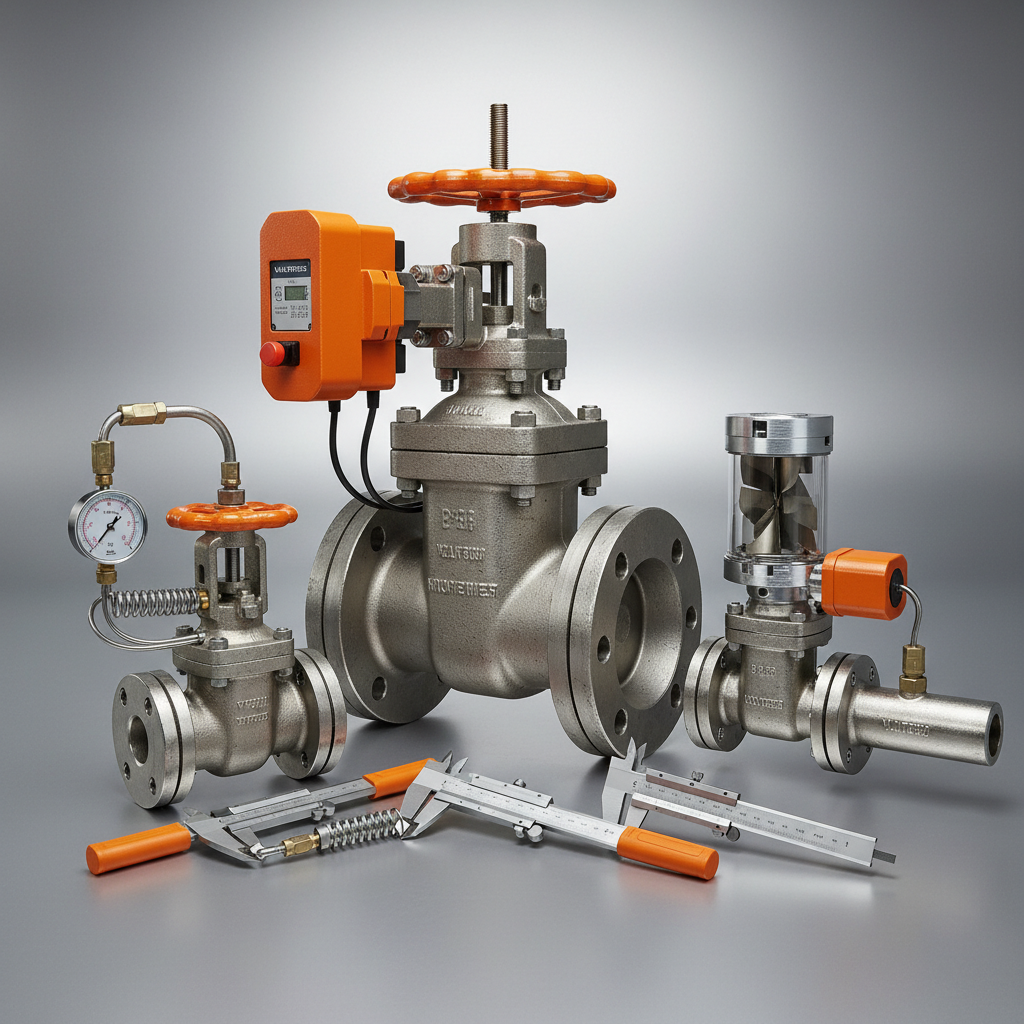
Valve water, in its simplest form, refers to the controlled flow of water facilitated by valves—mechanical devices designed to regulate, direct, or stop the passage of fluids. These systems are not merely about the valves themselves, but encompass the entire infrastructure supporting their operation, including actuators, sensors, and control systems. The concept is inextricably linked to modern industry, ensuring process efficiency, safety, and compliance with stringent environmental regulations. It’s equally vital for humanitarian needs, enabling the delivery of clean water to communities in crisis.
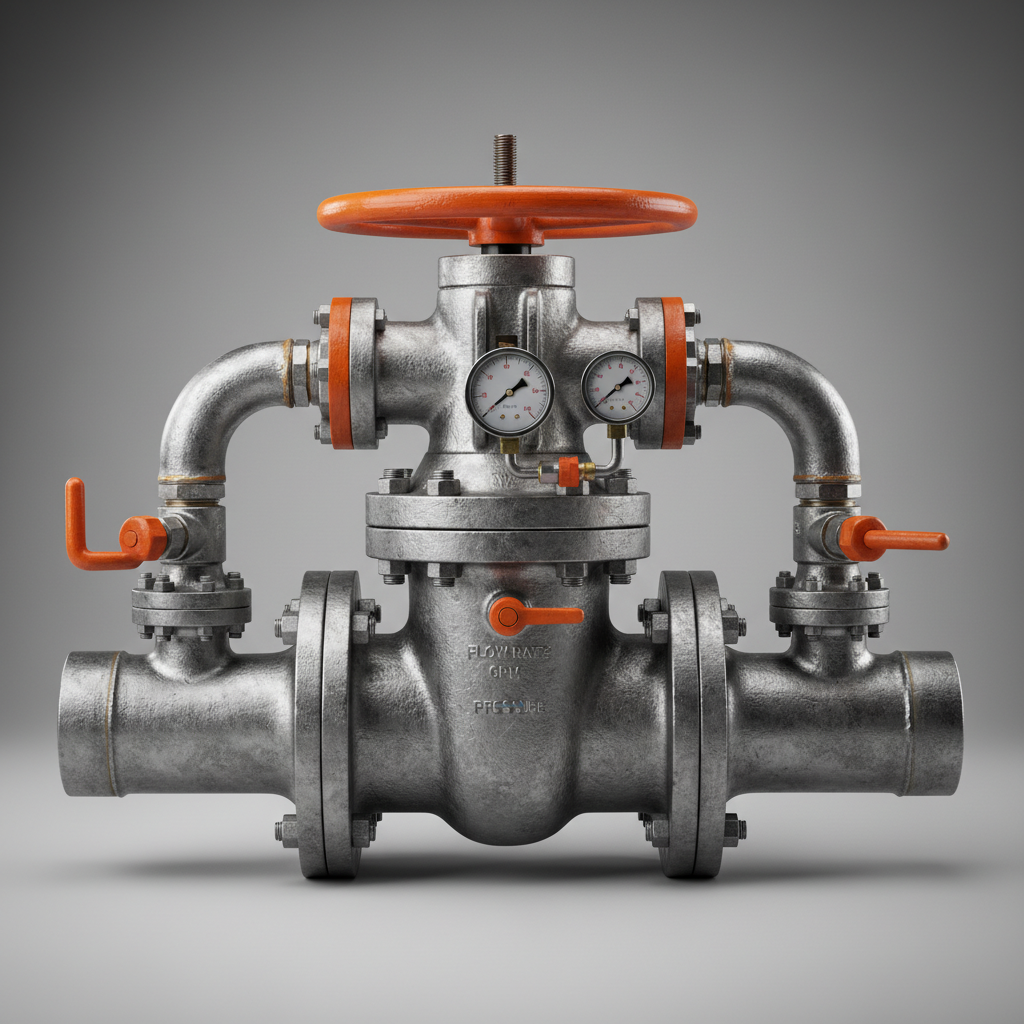
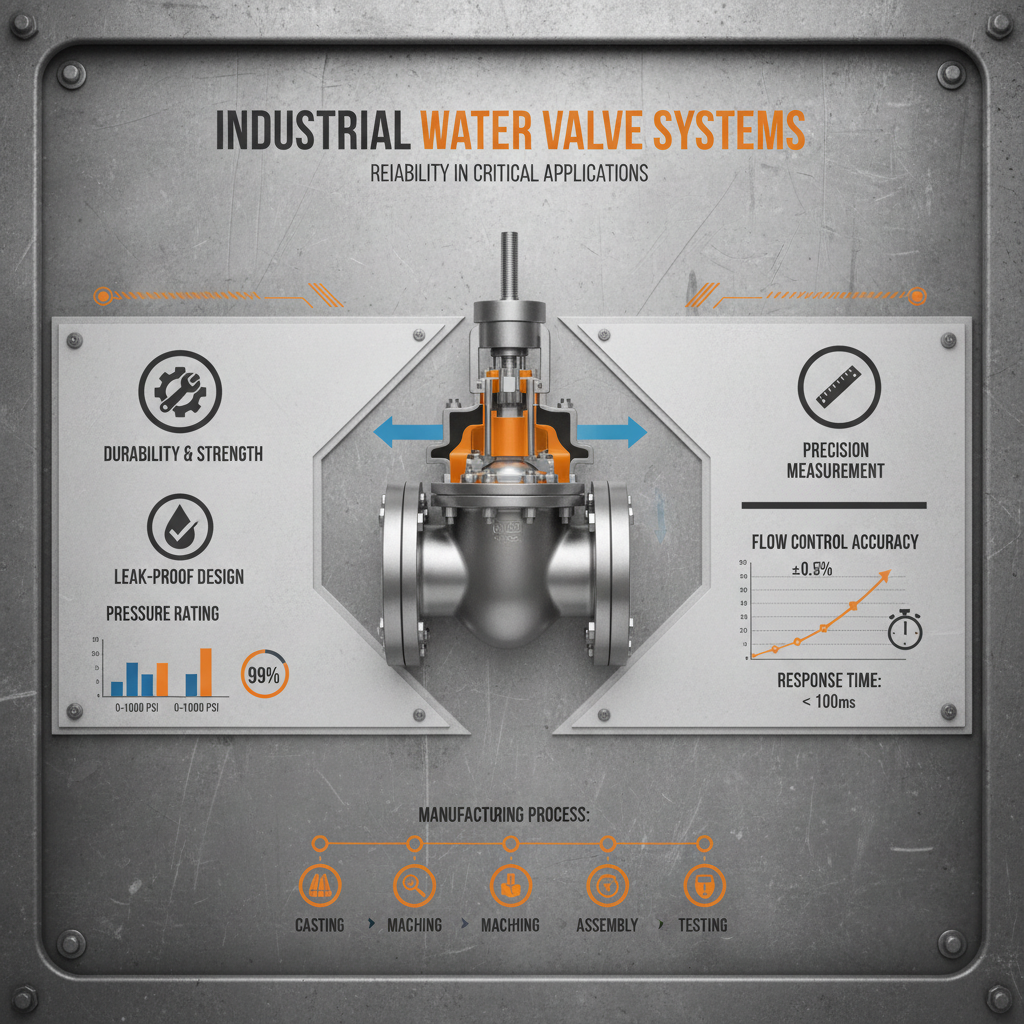
Effective valve water systems are the backbone of numerous critical processes. Their role extends far beyond simply opening and closing pipes; they are essential for maintaining water pressure, regulating flow rates, preventing backflow contamination, and ensuring system safety. Without precisely controlled valve water systems, the efficient delivery of clean water, the operation of industrial facilities, and the safety of numerous processes would be severely compromised.
The reliability of these systems directly impacts public health, economic stability, and environmental sustainability. Leaks in valve water infrastructure contribute significantly to water loss, a growing concern in water-stressed regions. Modern valve technology focuses on minimizing these losses and optimizing water usage through advanced materials, designs, and smart control systems.
Gate valves, butterfly valves, check valves, and globe valves are frequently employed in water distribution. Gate valves are ideal for isolation, butterfly valves offer efficient flow control, check valves prevent backflow, and globe valves regulate flow precisely. Selecting the right valve depends on the specific application, pressure requirements, and fluid characteristics. Proper valve selection minimizes water loss and optimizes system performance.
Regular inspection and maintenance are crucial for ensuring the reliability of valve water systems. A comprehensive inspection should be conducted at least annually, with more frequent checks for critical valves. Maintenance activities include lubrication, cleaning, leak detection, and actuator testing. Proactive maintenance prevents failures, extends valve lifespan, and reduces operational costs.
Material selection is paramount for valve water applications. Factors to consider include corrosion resistance, pressure rating, temperature range, and fluid compatibility. Common materials include cast iron, ductile iron, stainless steel, and various polymers. Choosing materials that can withstand the harsh operating conditions ensures long-term durability and minimizes the risk of leaks or failures.
Smart valve technology, incorporating sensors and communication capabilities, offers significant improvements in water management. Real-time data on flow rates, pressure, and valve status enables proactive leak detection, remote control, and optimized system performance. AI-powered analytics can identify patterns and anomalies, predicting potential failures and minimizing downtime.
Efficient valve water systems contribute significantly to environmental sustainability. Reducing water leakage conserves precious water resources, minimizing the energy required for water treatment and distribution. Lowering energy consumption reduces greenhouse gas emissions, mitigating climate change. Properly managed valve water systems also minimize the risk of water contamination, protecting ecosystems and public health.
The costs associated with upgrading valve water technologies vary depending on the scope of the project and the specific technologies implemented. While initial investment costs can be substantial, the long-term benefits often outweigh the expenses. Reduced maintenance costs, lower energy consumption, and minimized water loss contribute to significant cost savings over the lifespan of the system. Furthermore, government incentives and funding programs can help offset the upfront costs.
In conclusion, effective valve water systems are essential for ensuring the sustainable management of one of our most precious resources. From municipal water treatment to industrial processes and agricultural irrigation, these systems play a crucial role in protecting public health, fostering economic growth, and preserving the environment. Understanding the key components, applications, and future trends of valve water technology is paramount for anyone involved in water resource management.
Looking ahead, continued innovation in materials, automation, and data analytics will be key to unlocking even greater efficiencies and addressing the challenges of a changing world. Investing in modern valve water infrastructure is not merely a matter of maintaining existing systems but of building a more resilient and sustainable future for generations to come. Visit our website at www.strmachinery.com to learn more about our valve water solutions.

 Afrikaans
 Albanian
 Amharic
 Arabic
 Armenian
 Azerbaijani
 Basque
 Belarusian
 Bengali
 Bosnian
 Bulgarian
 Catalan
 Cebuano
 Corsican
 Croatian
 Czech
Czech
 Danish
 Dutch
Dutch
 Esperanto
 Estonian
 Finnish
 French
 Frisian
 Galician
 Georgian
 German
 Greek
Greek
 Gujarati
 Haitian Creole
 Hausa
Hausa
 Hawaiian
 Hebrew
 Hindi
Hindi
 Miao
Miao
 Hungarian
 Icelandic
 Igbo
Igbo
 Indonesian
 Irish
Irish
 Italian
 Japanese
 Javanese
 Kannada
 Kazakh
 Khmer
Khmer
 Rwandese
 Korean
 Kurdish
 Kyrgyz
 Lao
Lao
 Latin
Latin
 Latvian
 Lithuanian
 Luxembourgish
 Macedonian
 Malgashi
 Malay
Malay
 Malayalam
 Maltese
 Maori
Maori
 Marathi
 Mongolian
 Myanmar
 Nepali
 Norwegian
 Norwegian
 Occitan
 Pashto
 Persian
 Polish
 Portuguese
 Punjabi
 Romanian
 Russian
 Samoan
 Scottish Gaelic
 Serbian
 Sesotho
 Shona
Shona
 Sindhi
 Sinhala
 Slovak
 Slovenian
 Somali
 Spanish
 Sundanese
 Swahili
 Swedish
 Tagalog
 Tajik
Tajik
 Tamil
Tamil
 Tatar
Tatar
 Telugu
 Thai
Thai
 Turkish
 Turkmen
 Ukrainian
 Urdu
Urdu
 Uighur
 Uzbek
Uzbek
 Vietnamese
 Welsh
Welsh
 Bantu
Bantu
 Yiddish
 Yoruba
 Zulu
Zulu
 English