Metal water valves are critical components in a vast array of systems, from municipal water distribution networks to intricate industrial processes. Their primary function—to control the flow of water—is deceptively simple, yet their impact on efficiency, safety, and sustainability is profound. Understanding the nuances of metal water valve design, materials, and applications is crucial for engineers, facility managers, and anyone involved in water resource management.
Globally, access to clean and reliable water is a paramount concern, highlighted by UN Sustainable Development Goal 6. Effective water infrastructure, and the valves that regulate it, are central to achieving this goal. Aging infrastructure in developed nations and the rapid growth of cities in developing countries create a constant demand for durable, high-performance metal water valves. The selection and maintenance of these valves directly impact water conservation efforts and public health.
The importance of metal water valve extends beyond simple conveyance; they play a vital role in protecting water quality, preventing backflow contamination, and ensuring the safe operation of critical infrastructure. From emergency shut-off systems to precise flow control for agricultural irrigation, metal water valves are indispensable components of modern society.
The global demand for effective water management is increasing dramatically, driven by population growth, industrialization, and climate change. Metal water valves, as integral components of water infrastructure, are central to addressing these challenges. The World Bank estimates that trillions of dollars in investment are needed to meet global water demands by 2050, much of which will require robust and reliable valve technologies.
Furthermore, the increasing frequency of extreme weather events, such as droughts and floods, necessitates resilient water systems equipped with dependable metal water valve solutions. Their ability to withstand harsh conditions and maintain consistent performance is crucial for ensuring uninterrupted water supply and preventing costly disruptions.
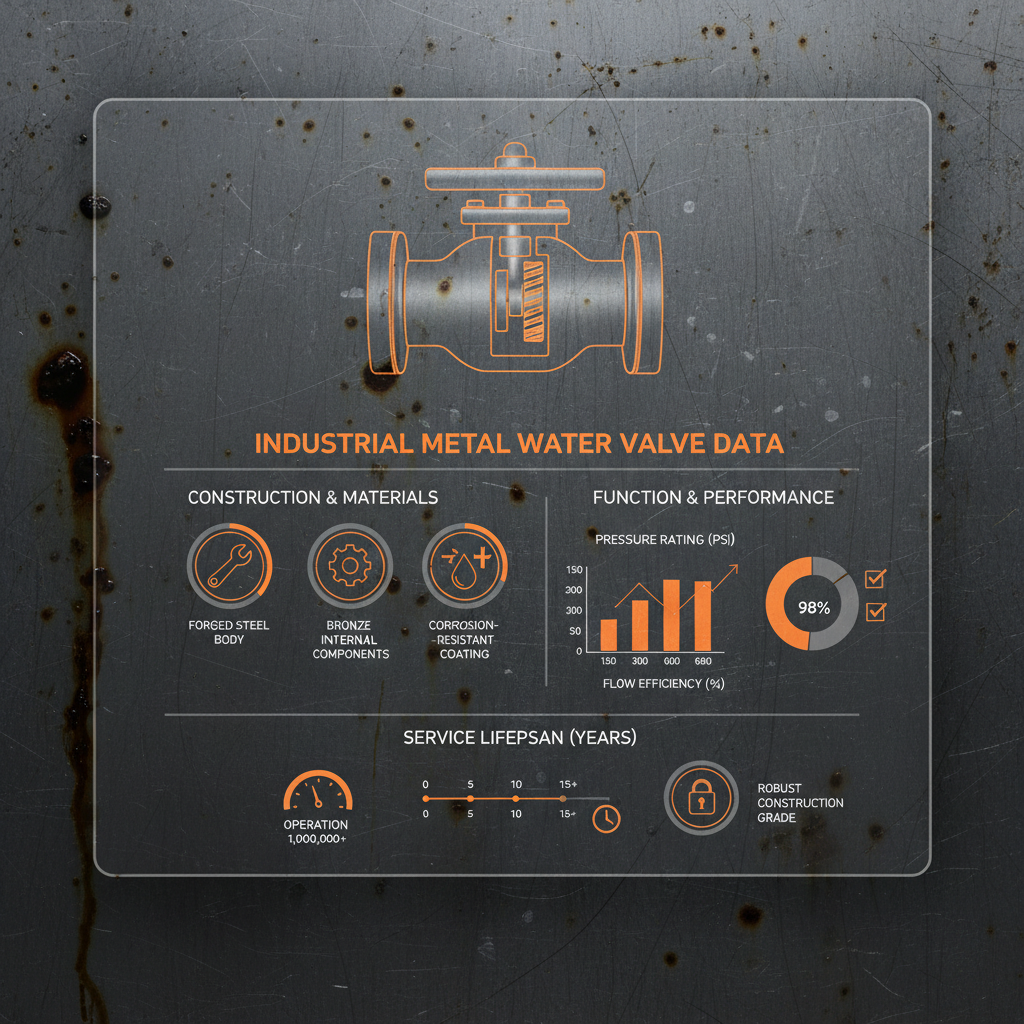
Metal water valves are commonly crafted from materials like cast iron, ductile iron, brass, stainless steel, and bronze. The choice of material depends on the application, the fluid being handled, and the desired corrosion resistance. Cast iron is cost-effective but prone to corrosion, while stainless steel offers superior corrosion resistance and is suitable for demanding environments. Brass is often used for potable water systems due to its low lead content and antimicrobial properties.
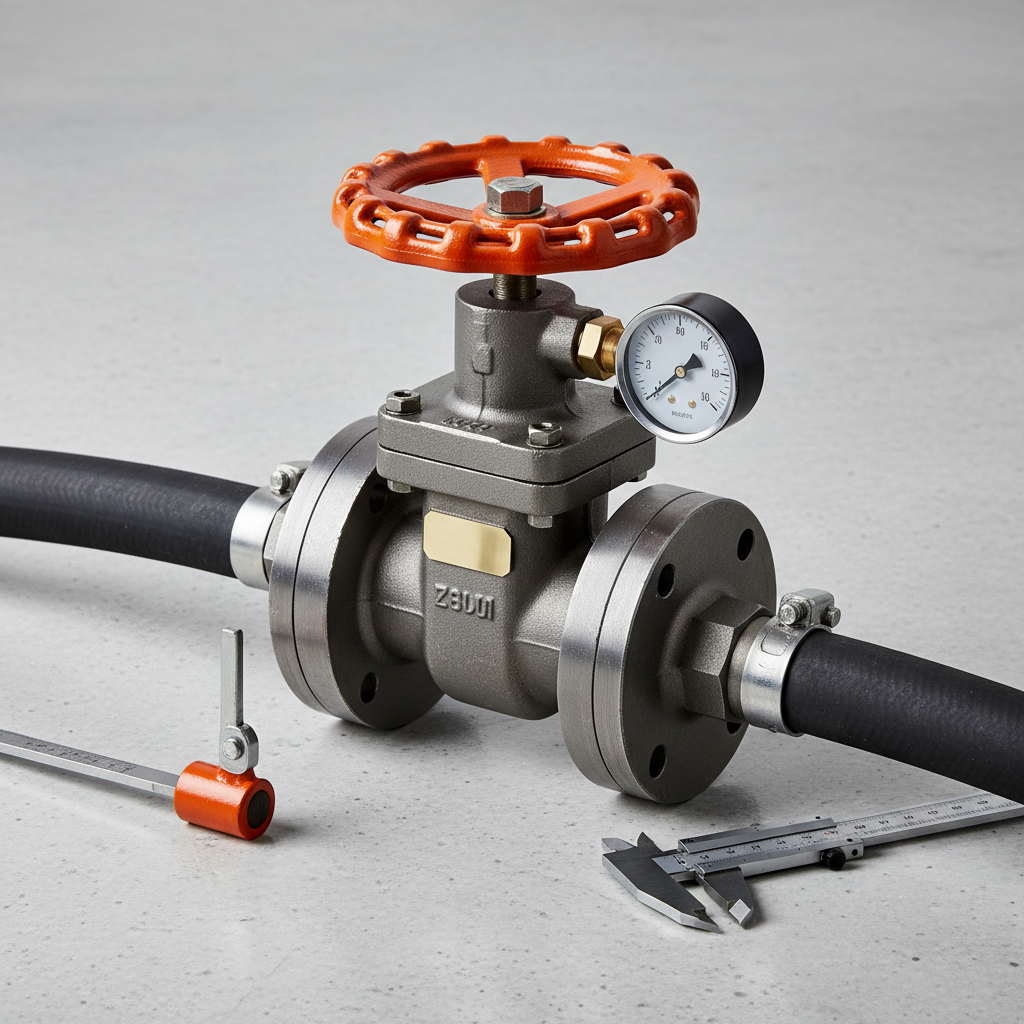
Determining the correct size and pressure rating requires careful consideration of the system’s flow rate, pipe diameter, and maximum operating pressure. Undersized valves can restrict flow and cause pressure drop, while oversized valves may not provide adequate control. The pressure rating must exceed the system’s maximum pressure to ensure safe and reliable operation. Consult with a qualified engineer or valve supplier for assistance.
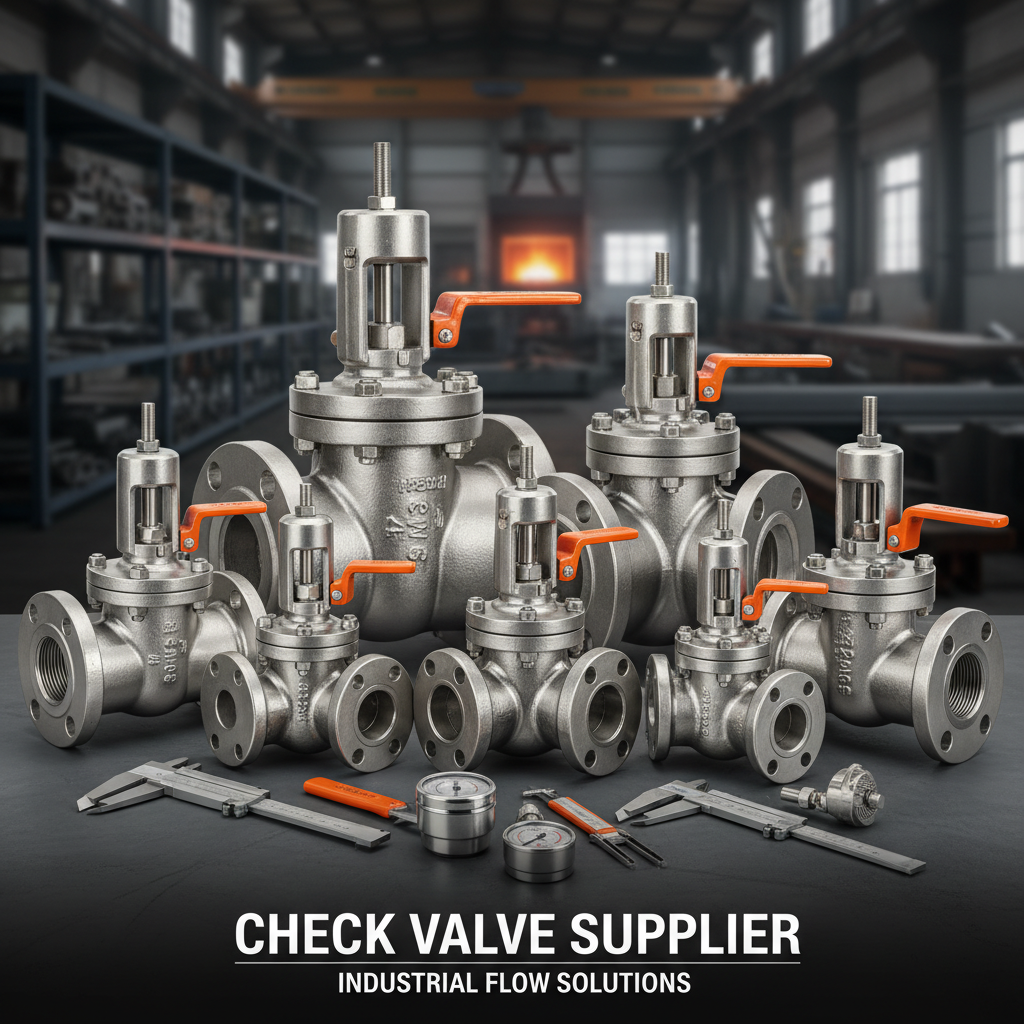
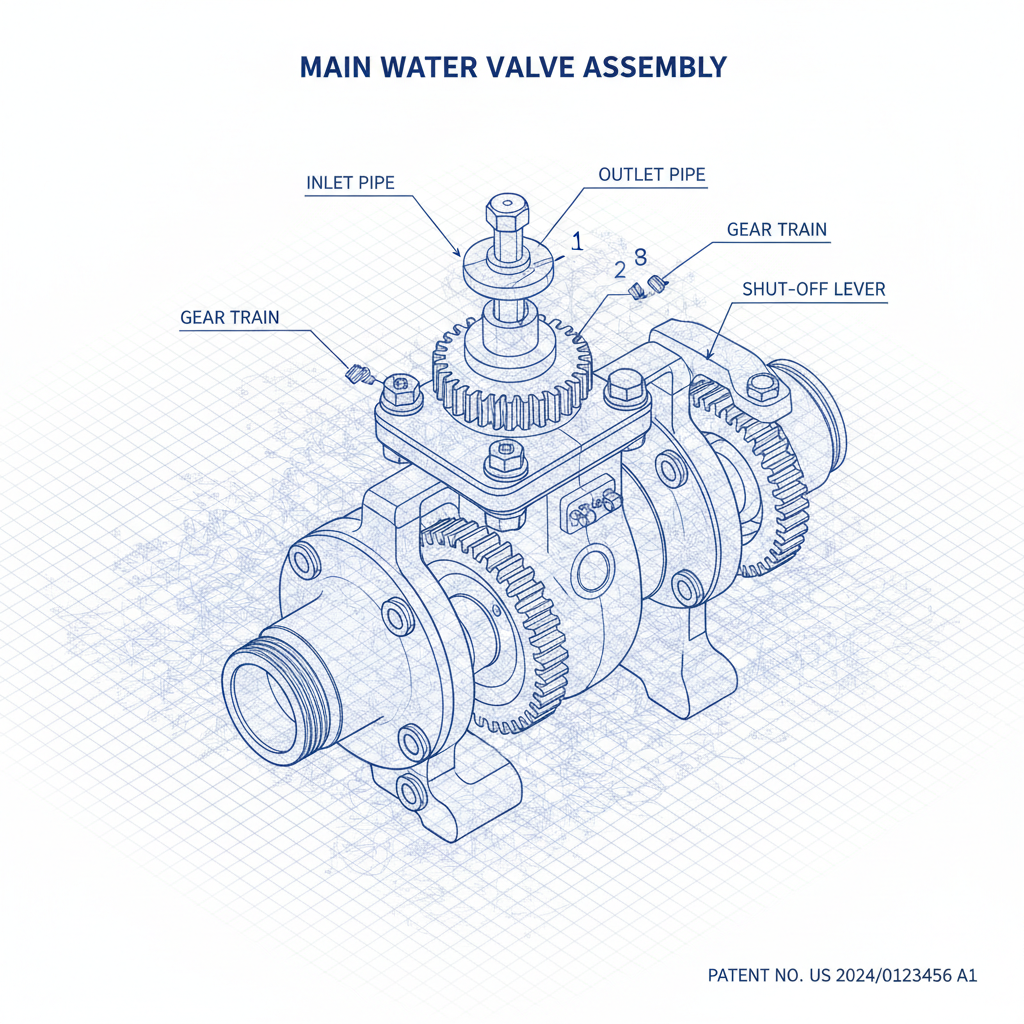
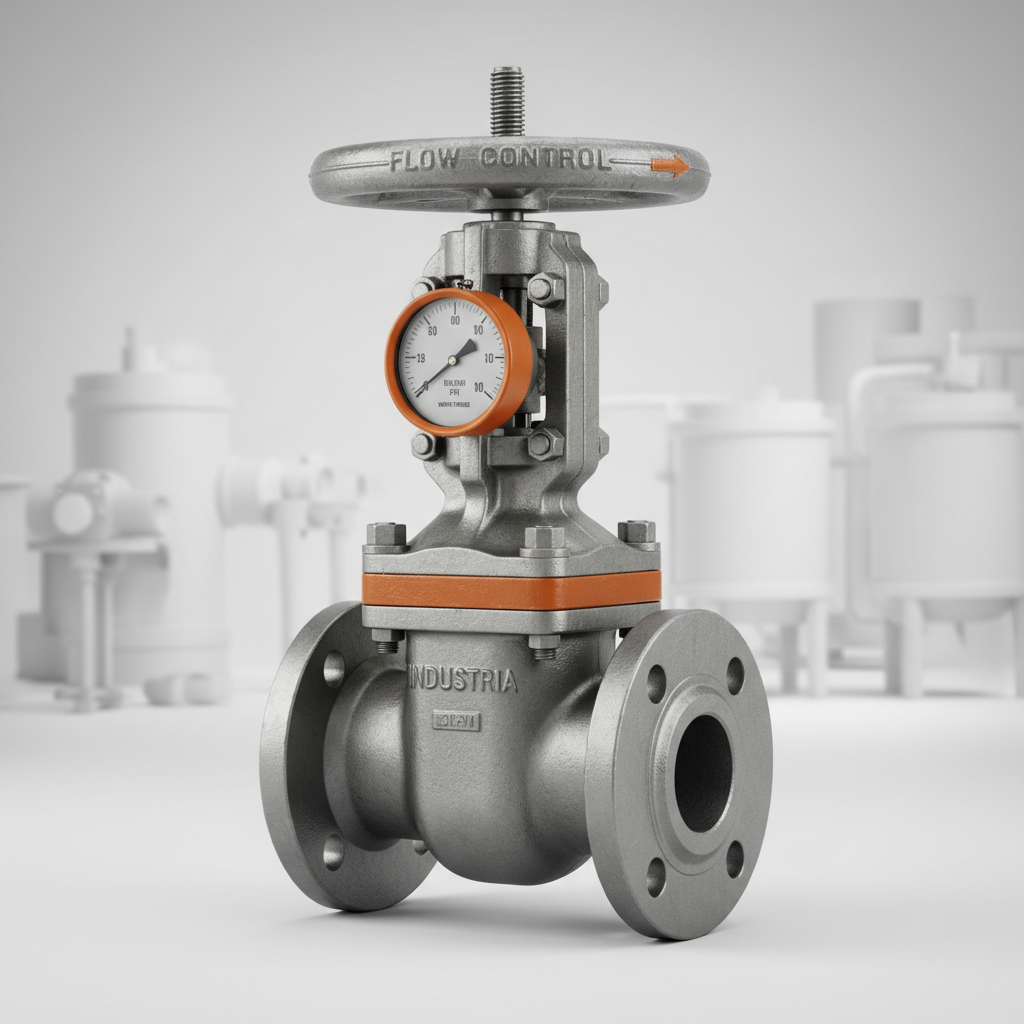
Common types include gate valves (isolation), globe valves (throttling), ball valves (quick shut-off), butterfly valves (large flow control), and check valves (preventing backflow). Gate valves are ideal for on/off service, while globe valves offer precise flow regulation. Ball valves are popular for their speed and reliability, and butterfly valves are suitable for large diameter pipelines. Check valves are crucial for protecting pumps and preventing contamination.
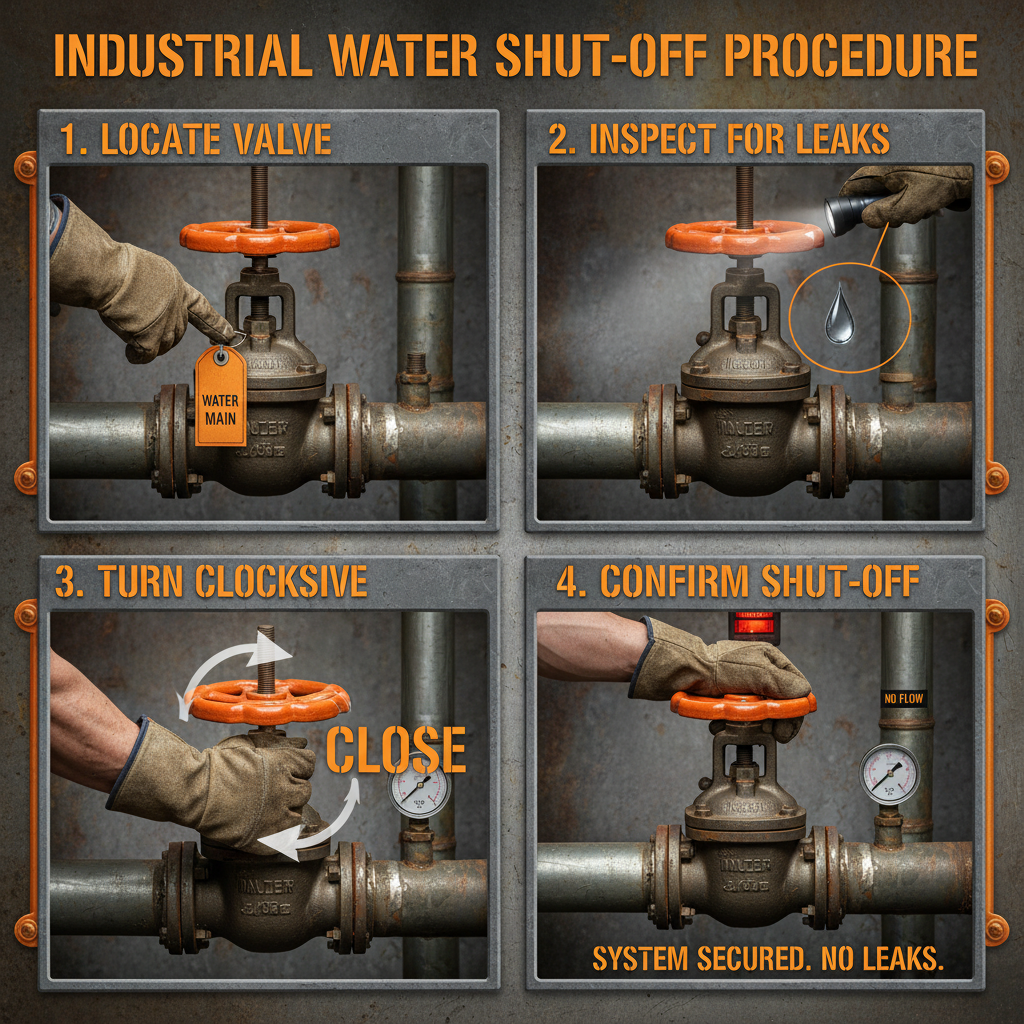
Regular maintenance is crucial for ensuring the longevity and reliability of metal water valves. This includes periodic inspection for leaks, corrosion, and wear. Lubricating moving parts, replacing worn seals, and cleaning valve surfaces are essential maintenance tasks. Annual testing and calibration can also help identify potential issues before they lead to failure.
Signs of a failing metal water valve include visible leaks, difficulty operating the valve, unusual noises during operation, and a noticeable drop in water pressure. Corrosion, cracks, or erosion of valve components are also indicators of potential failure. Prompt replacement or repair is essential to prevent further damage and ensure system safety.
Selecting an inappropriate metal water valve can significantly reduce system efficiency. An undersized valve creates excessive pressure drop, increasing pump energy consumption. A valve with poor sealing characteristics leads to water leakage and wasted resources. Incompatible materials can corrode quickly, leading to frequent replacements and costly downtime. Choosing the right valve optimizes performance, minimizes maintenance, and reduces overall costs.
Metal water valves are fundamental components of modern water infrastructure, playing a critical role in ensuring safe, reliable, and efficient water management globally. Their durability, versatility, and increasingly smart functionalities make them indispensable for a wide range of applications, from municipal water distribution to industrial processes and emergency relief efforts. Investing in high-quality metal water valve solutions is paramount for sustainable water resource management.
Looking ahead, continued innovation in materials, automation, and digitalization will drive further advancements in metal water valve technology. Embracing these advancements will be essential for addressing the growing challenges of water scarcity, aging infrastructure, and climate change. For expert guidance and reliable metal water valve solutions, visit our website today: www.strmachinery.com.

 Afrikaans
 Albanian
 Amharic
 Arabic
 Armenian
 Azerbaijani
 Basque
 Belarusian
 Bengali
 Bosnian
 Bulgarian
 Catalan
 Cebuano
 Corsican
 Croatian
 Czech
Czech
 Danish
 Dutch
Dutch
 Esperanto
 Estonian
 Finnish
 French
 Frisian
 Galician
 Georgian
 German
 Greek
Greek
 Gujarati
 Haitian Creole
 Hausa
Hausa
 Hawaiian
 Hebrew
 Hindi
Hindi
 Miao
Miao
 Hungarian
 Icelandic
 Igbo
Igbo
 Indonesian
 Irish
Irish
 Italian
 Japanese
 Javanese
 Kannada
 Kazakh
 Khmer
Khmer
 Rwandese
 Korean
 Kurdish
 Kyrgyz
 Lao
Lao
 Latin
Latin
 Latvian
 Lithuanian
 Luxembourgish
 Macedonian
 Malgashi
 Malay
Malay
 Malayalam
 Maltese
 Maori
Maori
 Marathi
 Mongolian
 Myanmar
 Nepali
 Norwegian
 Norwegian
 Occitan
 Pashto
 Persian
 Polish
 Portuguese
 Punjabi
 Romanian
 Russian
 Samoan
 Scottish Gaelic
 Serbian
 Sesotho
 Shona
Shona
 Sindhi
 Sinhala
 Slovak
 Slovenian
 Somali
 Spanish
 Sundanese
 Swahili
 Swedish
 Tagalog
 Tajik
Tajik
 Tamil
Tamil
 Tatar
Tatar
 Telugu
 Thai
Thai
 Turkish
 Turkmen
 Ukrainian
 Urdu
Urdu
 Uighur
 Uzbek
Uzbek
 Vietnamese
 Welsh
Welsh
 Bantu
Bantu
 Yiddish
 Yoruba
 Zulu
Zulu
 English