0%

Table of Contents

In the demanding world of industrial fluid management, the integrity of pipeline systems depends heavily on the efficiency of coarse filtration. A y strainer flange type configuration serves as a critical first line of defense, designed to intercept and remove solid contaminants before they can reach sensitive downstream machinery. By utilizing a Y-shaped body and a robust flange connection, these filters provide a secure, leak-proof seal that is essential for high-pressure environments.

The global shift toward higher operational efficiency and stricter safety standards has made the selection of the right filtration hardware a priority for engineers. Implementing a high-quality y strainer flange type system reduces the risk of catastrophic equipment failure by preventing debris, rust, and scale from entering pumps, valves, and compressors. This proactive approach to maintenance not only extends the lifespan of industrial assets but also ensures a more stable and predictable production process.

Whether operating in the petrochemical, food and beverage, or power generation sectors, understanding the technical specifications of a y strainer flange type is key to optimizing system performance. From choosing the correct mesh size to ensuring the flange pressure rating matches the pipeline requirements, the right configuration guarantees long-term reliability and operational safety.

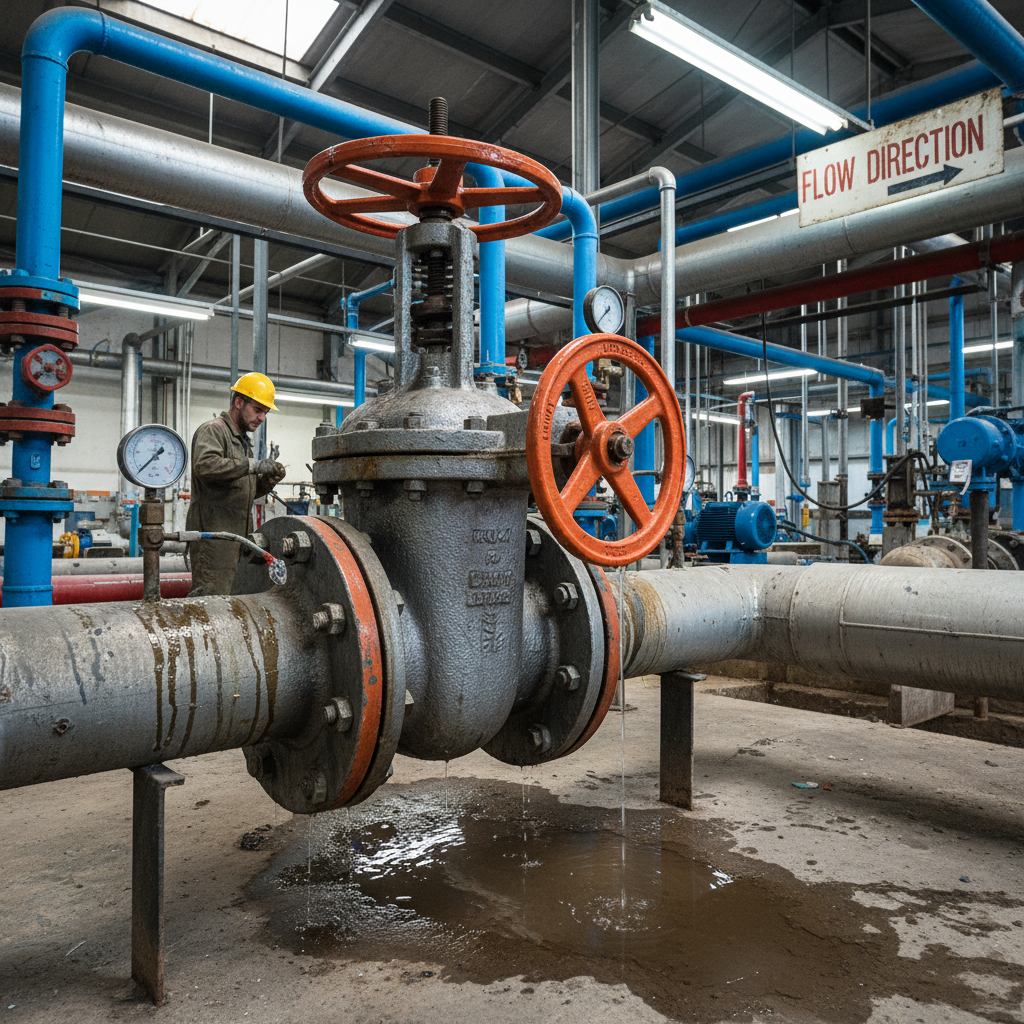
High Efficiency Industrial y strainer flange type for Pipelines

Technical Architecture of y strainer flange type

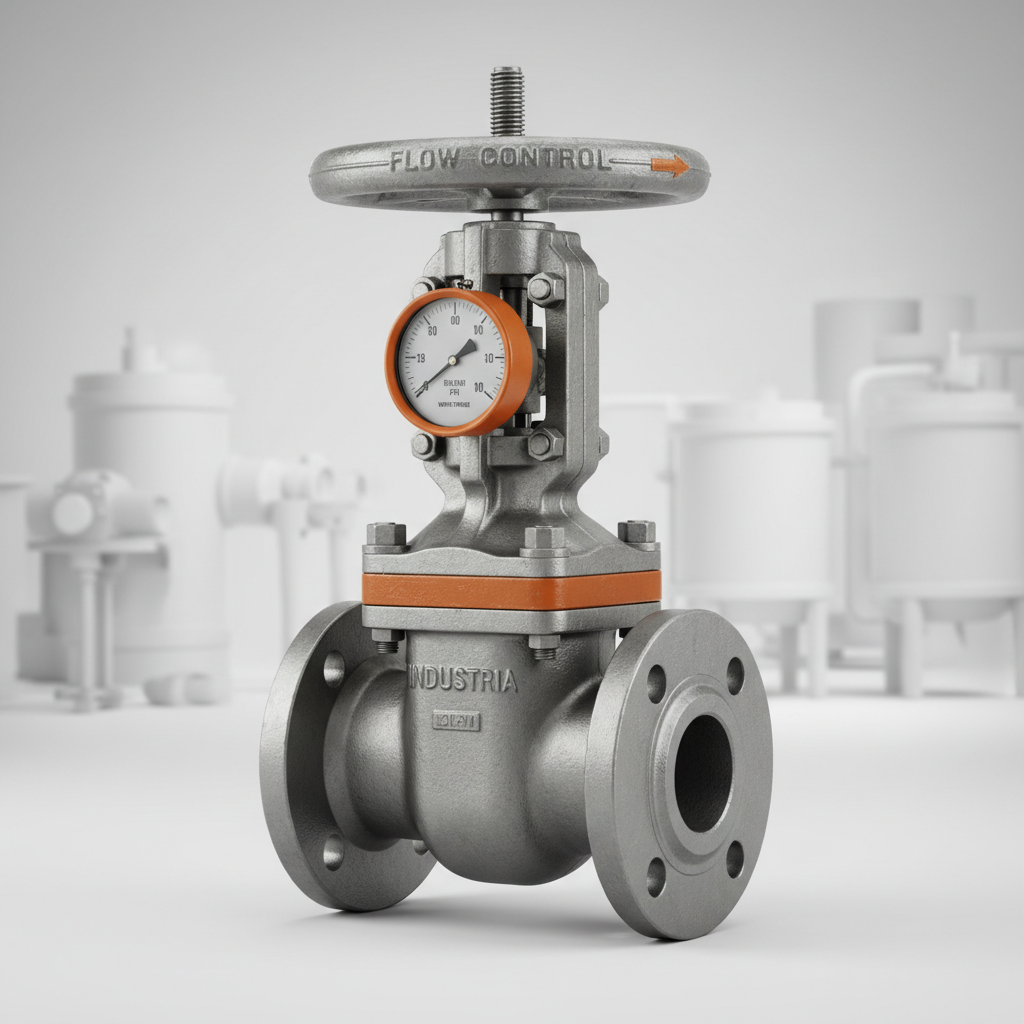
High Efficiency Industrial y strainer flange type for Pipelines

The technical design of a y strainer flange type filter is centered around its distinctive Y-shaped housing, which allows the fluid to flow in one direction while diverting contaminants into a separate collection leg. This geometry is specifically engineered to maximize the filtration area while minimizing the overall footprint within the pipeline. The flange connection ensures that the unit can be bolted securely to the piping, providing the structural rigidity needed to handle pressure surges and thermal expansion.

Internally, the heart of the system is the replaceable screen, typically crafted from stainless steel. Depending on the application, these screens range from 10 to 500 mesh, allowing for precise control over the size of particles captured. The combination of a heavy-duty shell—available in carbon or stainless steel—and a precision-fit gasket ensures that the system maintains a hermetic seal even under the most grueling industrial conditions.

Critical Performance Factors for Industrial Filtration

One of the most vital factors in the performance of a y strainer flange type is its filtration accuracy. In processes where downstream instrumentation such as flow meters or control valves are present, even microscopic debris can cause significant calibration errors or mechanical seizing. By utilizing a tiered mesh system, operators can ensure that particles as small as 50μm are captured with a high efficiency rate, thereby stabilizing the entire process flow.

Pressure drop is another critical consideration. An improperly sized filter can create a bottleneck, leading to a significant drop in pressure that forces pumps to work harder and consume more energy. The Y-type architecture is specifically designed to balance the need for high-density filtration with the requirement for low flow resistance. This balance is achieved through optimized internal volumes and streamlined flow paths that reduce turbulence.

Finally, the ease of maintenance defines the operational cost of the system. A well-engineered flange-type strainer features a quick-release or easily accessible center cover. This allows maintenance teams to remove the filter element for cleaning or replacement without dismantling the entire pipeline. Minimizing downtime during these routine checks is essential for industries that operate on a 24/7 production cycle.

Material Compatibility and Pressure Ratings

Selecting the appropriate materials for a y strainer flange type is paramount to preventing premature corrosion and ensuring system longevity. For standard water or air applications, carbon steel shells are often sufficient and cost-effective. However, in environments involving aggressive chemicals or high-purity food processing, stainless steel (such as 304 or 316L) is mandatory to prevent contamination and resist oxidation.

Pressure ratings are equally critical, as a mismatch between the y strainer flange type and the system's operating pressure can lead to dangerous leaks or structural failure. These units are typically rated from 0.25MPa (150LB) for low-pressure utilities up to 6.3MPa (600LB) for high-pressure steam or hydraulic lines. Ensuring the flange sealing surface (whether RF, FF, or RJ) matches the piping standard is a non-negotiable requirement for safety.

Furthermore, the gasket material must be compatible with the medium being filtered. PTFE is commonly used for chemical resistance, while Buna-N or metal-wound gaskets are preferred for high-temperature steam applications. By aligning the shell material, pressure rating, and gasket type, engineers can create a robust filtration point that withstands extreme temperatures ranging from -40°C to 300°C.

Operational Efficiency and Flow Dynamics

The operational efficiency of a y strainer flange type is measured by its ability to maintain a steady flow while effectively trapping solids. By optimizing the nominal diameter—ranging from DN15 to DN600—the filter can be scaled to fit any pipeline size without sacrificing performance. In larger systems, the Y-type design provides a larger surface area for the mesh, which prevents the filter from clogging too quickly and reduces the frequency of cleaning intervals.

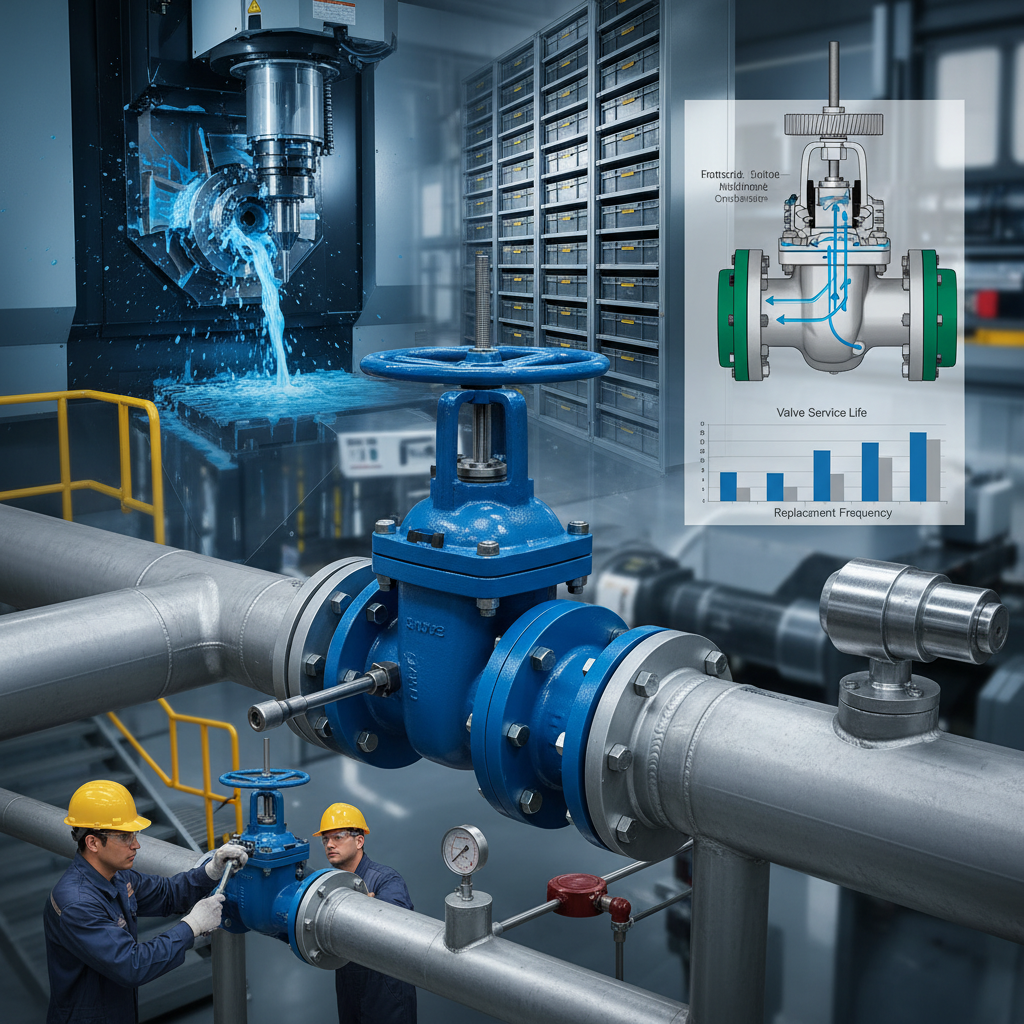
Integrating these filters upstream of pumps and compressors creates a "protection zone" that drastically reduces mechanical wear. When abrasive particles are removed at the inlet, pump impellers and valve seats experience less erosion, leading to a measurable increase in equipment lifespan. This strategic placement transforms the strainer from a simple component into a critical asset for overall plant reliability.

Efficiency Ratings by y strainer flange type Configuration


Global Industrial Application Scenarios

Across the globe, the y strainer flange type is employed in diverse environments to maintain process purity. In chemical processing plants in Europe and Asia, these filters are installed upstream of distillation columns to prevent catalyst fragments and polymer flakes from damaging high-precision valves. Their ability to handle corrosive media and high temperatures makes them indispensable for maintaining the stability of volatile chemical reactions.

In the food and beverage industry, hygiene is the primary concern. Flange-type strainers are used in syrup and dairy lines to remove packaging debris and pipe scale, ensuring compliance with FDA and CE standards. The smooth internal surfaces and the ability to use food-grade stainless steel prevent bacterial growth and product contamination, ensuring that consumer safety is never compromised.

Long-term Maintenance and Sustainability

The long-term value of investing in a premium y strainer flange type lies in its contribution to industrial sustainability. By preventing the premature wear of expensive pumps and compressors, these filters reduce the frequency of equipment replacement, thereby lowering the carbon footprint associated with manufacturing new heavy machinery. Energy efficiency is also improved; a clean pipeline with optimal filtration minimizes the power required to maintain flow rates.

Effective maintenance protocols further enhance this value. Regularly scheduled mesh inspections and cleanings prevent the buildup of differential pressure, which can otherwise lead to system inefficiency. Many modern facilities are now integrating pressure gauges on both sides of the strainer to monitor clogging in real-time, allowing for "just-in-time" maintenance that avoids unnecessary shutdowns.

Moreover, the modular nature of the flange connection allows for easy upgrades. As a plant's requirements evolve—perhaps moving to a more viscous fluid or a higher pressure—the filter can be replaced with a higher-rated model without needing to redesign the entire piping layout. This scalability ensures that the infrastructure remains relevant and efficient over several decades of operation.

Comparative Analysis of Filter Specifications

When comparing different configurations of the y strainer flange type, it becomes clear that the choice of nominal diameter and pressure rating dictates the operational envelope. A DN50 (2") filter is ideal for auxiliary lines and smaller machinery, whereas DN600 (24") units are reserved for primary trunk lines in power plants or municipal water works. The precision of the mesh (from 10 to 500) allows for a tailored approach to particle capture.

The distinction between 150LB and 600LB pressure ratings is not merely about strength, but about the safety margin provided during transient pressure spikes. High-pressure versions feature thicker walls and reinforced flange faces to prevent deformation. Choosing a rating that slightly exceeds the maximum operating pressure is a common industry best practice to ensure a long service life.

Ultimately, the customization options available—including various flange sealing surfaces like RF, FF, and RJ—ensure that the strainer integrates seamlessly into any global piping standard. This versatility allows engineers to specify a product that meets both local regulatory requirements and global performance benchmarks.

Technical Specification Comparison for y strainer flange type

Model Category Pressure Rating Material Choice Typical Application
Low Pressure Standard 0.25-2.5 MPa Carbon Steel HVAC & Water Supply
Medium Pressure SS 2.5-4.0 MPa Stainless Steel 304 Food & Beverage Lines
High Pressure Industrial 4.0-6.3 MPa Stainless Steel 316L Petrochemical Processing
Ultra-Fine Mesh Up to 2.5 MPa Custom Alloys Pharmaceutical Pure Water
Heavy Duty Flange 600 LB Rating Forged Carbon Steel Steam Turbine Systems
Corrosive Media Spec Variable Hastelloy/Tantalum Acidic Chemical Transfer

FAQS

What is the primary advantage of a y strainer flange type over threaded versions?

The primary advantage is the structural integrity and ease of installation in high-pressure systems. Flange connections provide a much more secure seal and are significantly easier to disassemble for maintenance without cutting the pipe, which is critical for large-diameter industrial pipelines where threaded connections would be impractical or prone to leaking.

How do I choose the correct mesh size for my y strainer flange type?

Mesh selection depends on the size of the particles you need to remove and the tolerance of your downstream equipment. For general debris, a 20-60 mesh is common. For precision instruments, 100-500 mesh may be required. Always balance the filtration fineness with the acceptable pressure drop to avoid restricting flow too severely.

Can a y strainer flange type handle both liquid and gaseous media?

Yes, these filters are versatile and designed for both. They are commonly used for water, oil, steam, and various gases. The key is ensuring that the shell material and the gasket are compatible with the specific chemical properties and temperature of the medium to prevent corrosion or seal failure.

How often should the filter element in a flange-type strainer be cleaned?

Cleaning frequency depends on the contamination level of the fluid. In clean systems, annual maintenance may suffice. In high-debris environments, weekly or monthly checks are recommended. We suggest installing differential pressure gauges to alert operators exactly when the mesh is clogged and requires cleaning.

What are the common flange sealing surfaces available for these strainers?

Common surfaces include Raised Face (RF), Flat Face (FF), Ring Joint (RJ), and Male/Female (M/FM) finishes. The choice depends on the piping standard (ANSI, DIN, JIS) and the pressure requirements of the system. Matching the sealing surface is critical to preventing leaks at the connection points.

Is it possible to customize the materials for a specific industrial application?

Absolutely. Most industrial suppliers offer customization for shell materials (e.g., stainless steel, carbon steel, or exotic alloys), gasket materials (PTFE, Buna-N), and mesh densities to meet specific user requirements, samples, or regulatory standards like FDA or CE.

Conclusion

The y strainer flange type remains an indispensable component in modern industrial piping, offering a perfect blend of robust construction, efficient particle capture, and ease of maintenance. By effectively protecting downstream machinery from solid contaminants, these filters ensure operational stability, reduce unplanned downtime, and lower long-term maintenance costs across a wide array of sectors from petrochemicals to food production.

As industries move toward smarter, more sustainable operations, the integration of high-quality filtration systems will only become more critical. We recommend a proactive approach to filtration—selecting materials and pressure ratings that exceed minimum requirements—to ensure maximum system resilience. For those seeking reliable, high-performance filtration solutions, visiting our experts is the first step toward optimizing your pipeline integrity. Visit our website: www.strmachinery.com

Richard Harrison

Richard Harrison

Richard Harrison is a seasoned Quality Control Engineer at Storaen (Cangzhou) International Trading Co., with over 15 years of experience in the industrial manufacturing sector. He specializes in ensuring the precision and reliability of cast iron welding platforms and gauging tools. Richard is instrumental in implementing and overseeing stringent quality
Previous Optical Composite Image Level Precision and y strainer pn16
Next Industrial y strainer cast iron for Effective Fluid Filtration
en_USEnglish